How Many Calories Are in Miso Soup? A Detailed Calorie Guide
Miso soup typically contains around 40 to 70 calories per serving, depending on its ingredients. A basic bowl made from miso paste, dashi broth, and tofu remains very low in calories, making it a light and healthy option.
This calorie count matters because miso soup is often enjoyed as a starter or side dish and can vary in its nutritional content based on the additions like seaweed, green onions, or extra tofu. Understanding these factors helps when managing daily calorie intake or tailoring diets.
This article will explore factors affecting the calories in miso soup, the nutritional breakdown, popular variations, and how to make or choose versions that fit various dietary needs.
Understanding the Basic Ingredients in Miso Soup

The Core Components: Miso Paste and Dashi Broth
Miso paste, made from fermented soybeans, is the foundation of miso soup and provides a moderate calorie count, roughly 30-50 calories per tablespoon. Dashi broth is usually very low in calories, prepared using kombu seaweed and dried bonito flakes.
Together, these ingredients create the umami flavor and contribute most of the soup's calories. The paste contains proteins and some carbohydrates while dashi adds negligible calories.
Common Additions and Their Calorie Impact
Ingredients like tofu, seaweed, and green onions are frequently added. Tofu contributes protein and adds about 10-20 calories per serving, depending on quantity. Wakame seaweed offers minimal calories but adds vitamins and minerals.
These extras mildly increase the calorie content but enrich the nutritional profile. Larger additions of tofu or other proteins significantly raise the calorie count.
- Firm tofu: ~20 calories per 30 grams
- Wakame seaweed: ~5 calories per tablespoon
- Green onions: ~2 calories per tablespoon
Factors That Affect the Calories in Miso Soup

Portion Size and Serving Variability
The calorie content depends heavily on how large the serving is. Standard servings range from 1/2 cup to 1 cup, with caloric values adjusting proportionally. Restaurant servings might include more substantial ingredients, increasing calories.
Home recipes also vary widely, affecting total calorie counts, especially if extra proteins or vegetables are added beyond the traditional ingredients.
For more on this, see our related guide: How Many Calories Are in Nigiri? A Detailed Nutritional Guide.
Type of Miso Paste Used
There are different types of miso paste—white (shiro), yellow, and red (aka)—each with slightly different calorie densities. White miso is generally milder and contains fewer calories compared to red miso, which is more fermented and concentrated.
Choosing one type over another impacts calorie content and flavor intensity, with red miso potentially increasing calories due to its robust paste density.
- White miso: ~30 calories per tablespoon
- Red miso: ~40-50 calories per tablespoon
Nutritional Benefits Beyond Calories

Probiotics and Digestive Health
Miso paste contains beneficial bacteria that contribute to gut health when consumed regularly. These probiotics can aid digestion and boost immune function, making miso soup more than just a low-calorie option.
Heating the soup gently helps preserve some probiotic benefits, but boiling for long periods may reduce their effectiveness.
Micronutrients in Miso Soup
Miso soup also offers potassium, manganese, zinc, and B vitamins. Seaweed adds iodine, essential for thyroid function. These nutrients provide a nutritional edge despite the soup’s low calorie count.
While the soup is not a major source of calories, it packs a variety of micronutrients valuable for overall health.
Popular Miso Soup Variations and Their Calorie Counts
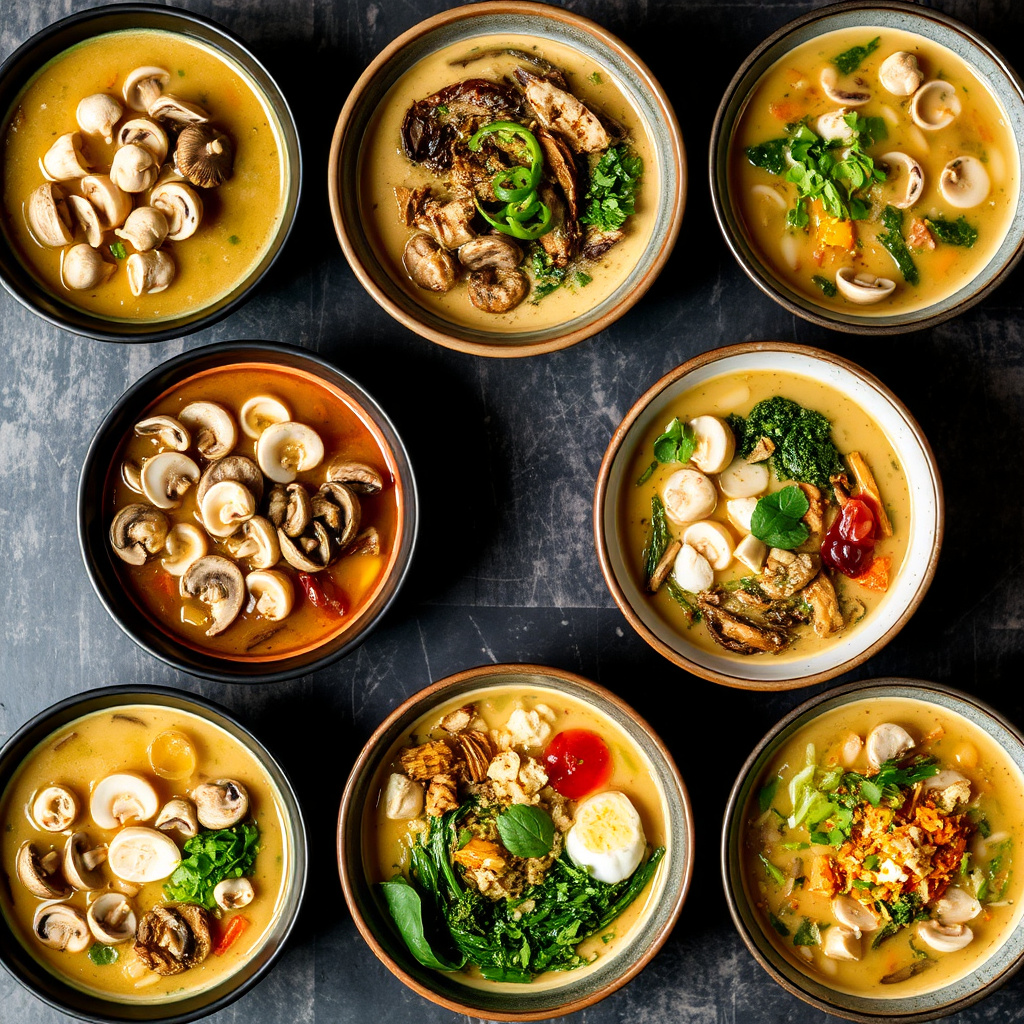
Vegetable and Tofu-Based Miso Soups
Adding vegetables like mushrooms, spinach, or carrots boosts volume and nutrition with minimal impact on calories. Tofu enhances protein but maintains moderate calorie content, keeping these versions light and healthy.
These variations are suitable for vegetarians and those watching calorie intake while increasing fiber and vitamins.
- Mushroom miso soup: ~50-70 calories per serving
- Tofu miso soup: ~60-80 calories per serving
For more on this, see our related guide: How Many Calories Are in a Shrimp Tempura Roll? A Detailed Breakdown.
Seafood-Infused and Rich Miso Soups
Soups containing clams, shrimp, or pork tend to have higher calories due to richer proteins and fats. These varieties are heartier and often served as main dishes rather than starters.
Though they provide more calories, they also deliver added protein and minerals, making them filling and nutritious.
- Clam miso soup: ~80-100 calories per serving
- Pork miso soup: ~100-120 calories per serving
Making or Choosing Low-Calorie Miso Soup Options

Using Lower-Calorie Miso Paste and Ingredients
Opting for white miso paste and minimal tofu helps keep calories low. Using more water or broth and adding flavorful but low-calorie vegetables further reduces calorie density without sacrificing flavor.
Avoiding oily or high-fat additions ensures the soup remains a light, low-calorie dish suitable for weight management diets.
For a thorough breakdown of miso soup’s ingredients and health effects, see the detailed miso soup nutritional facts on Wikipedia. Miso soup nutritional facts on Wikipedia.
Reading Labels and Restaurant Menu Choices
Store-bought miso soups vary in calorie content based on added ingredients and sodium levels. Checking nutrition labels helps select lower-calorie options. In restaurants, asking about ingredients or requesting simpler versions helps control calories.
Awareness of portion size and ingredient types is key to picking a miso soup aligned with dietary goals.
Miso Soup Variants Calorie Comparison
Here is a quick comparison of various common miso soup types and their typical calorie content per serving.
| Miso Soup Variant | Calories per Serving | Key Ingredients | Typical Serving Size |
|---|---|---|---|
| Basic Miso Soup | 40-50 | Miso paste, dashi, tofu, seaweed | 1 cup (240 ml) |
| Vegetable Miso Soup | 50-70 | Miso paste, vegetables, tofu | 1 cup (240 ml) |
| Seafood Miso Soup | 80-100 | Miso paste, clams/shrimp, vegetables | 1 cup (240 ml) |
| Pork Miso Soup | 100-120 | Miso paste, pork, tofu, vegetables | 1 cup (240 ml) |
Frequently Asked Questions
Is miso soup low in calories?
Yes, traditional miso soup is generally low in calories, typically ranging from 40 to 70 calories per serving, depending on added ingredients.
Does the type of miso paste affect calories?
Different miso pastes vary slightly in calorie content; white miso is lower in calories, while red miso has a higher calorie density due to fermentation.
Can miso soup help with weight management?
Because it is low in calories yet nutritious, miso soup can be a helpful part of a balanced diet supporting weight control.
Are there significant nutritional benefits beyond calories?
Yes, miso soup supplies probiotics, vitamins, and minerals like iodine and potassium that contribute to overall health.
Do larger servings increase calorie count significantly?
Certainly, larger portions or added ingredients increase calories, so portion control matters when monitoring intake.
Key Takeaways
- A basic serving of miso soup contains roughly 40 to 70 calories.
- Ingredients like tofu, seaweed, and seafood impact the calorie count.
- White miso paste has fewer calories compared to red miso.
- Miso soup offers probiotics and essential micronutrients alongside low calories.
Conclusion
Estimating how many calories are in miso soup involves examining its ingredients and portion size. The basic elements—miso paste and dashi broth—contribute most calories, with common additions like tofu and seaweed adding small amounts. Variations can double calories with richer proteins or more substantial ingredients. This understanding helps individuals make informed choices based on their dietary needs and preferences.
For those prioritizing low-calorie meals, choosing miso soups with white miso paste, modest tofu portions, and vegetables fits well. For heartier options, seafood or pork-based miso soups, although richer in calories, provide more protein and satisfy greater appetite demands. Paying attention to types of miso and controlling portion size allows customization of calorie intake without sacrificing flavor.
Ultimately, if you want to enjoy miso soup while monitoring calories, prepare or select versions with fewer calorie-dense ingredients and watch portions carefully. Incorporating miso soup regularly supports a balanced diet thanks to its probiotic and micronutrient content. Trying recipes or checking details on menus can make miso soup a versatile companion for both enjoyment and nutrition.