How Many Calories Are in Nigiri? A Detailed Nutritional Guide
A single piece of nigiri typically contains between 40 to 70 calories, depending on the type of fish and the amount of rice used. Nigiri consists of a slice of raw or cooked fish placed atop a small mound of vinegared rice, making it a relatively low-calorie sushi option.
Understanding the calorie content of nigiri matters for those watching their diet or managing their calorie intake while enjoying Japanese cuisine. Differences in fish types, portion sizes, and added sauces or toppings can significantly change the total calories consumed.
This article will explore the calorie ranges of various nigiri types, key factors influencing their nutritional profile, and how nigiri compares with other sushi options. Additionally, we'll provide tips for healthier nigiri choices and answer common calorie-related questions.
Calorie Breakdown of Popular Nigiri Types
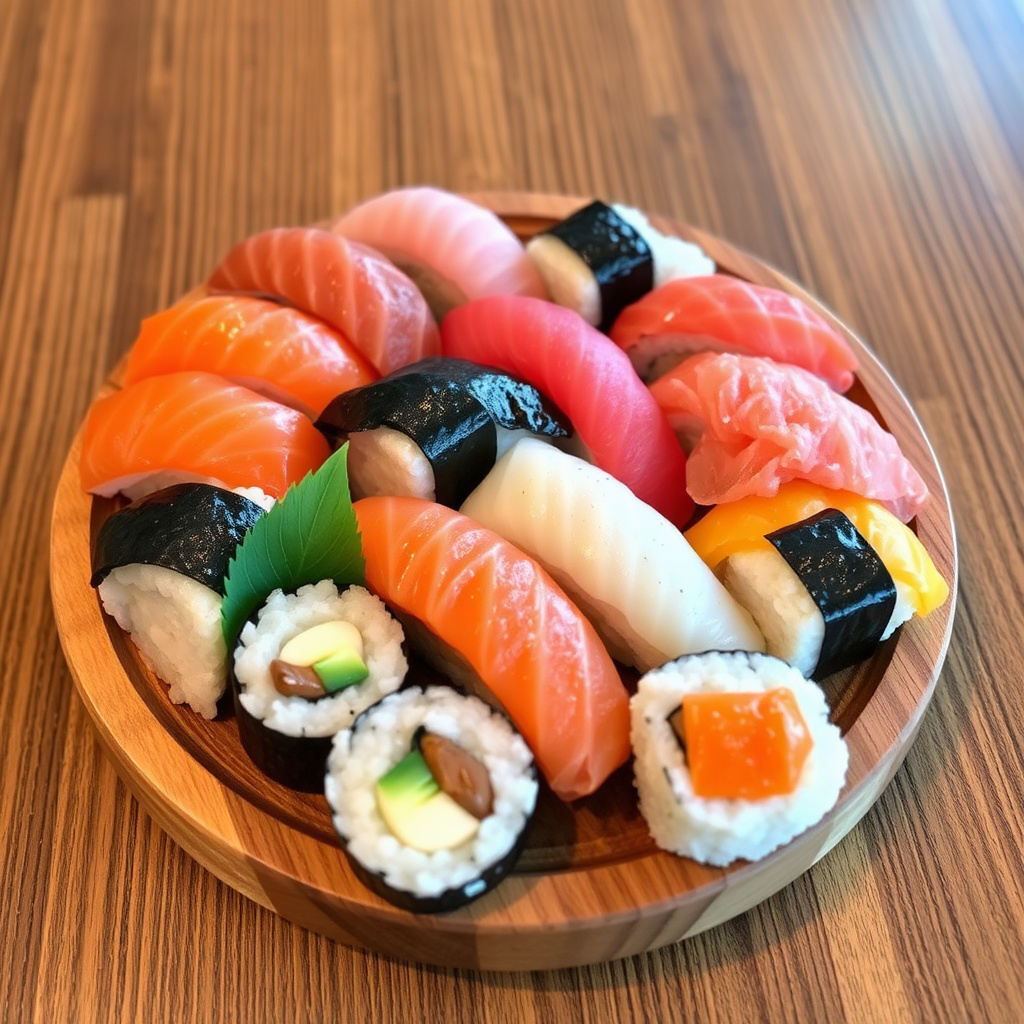
Fish-Based Nigiri Calories
The calorie count for fish-based nigiri varies based on the fish's fat content. For example, tuna nigiri typically contains about 50 calories per piece, while salmon nigiri has approximately 60 calories, reflecting salmon's higher fat level.
Lean fish like yellowtail or snapper usually have calories on the lower end, around 40 to 50 calories per piece. This makes these options suitable for those seeking lower-calorie sushi without sacrificing flavor.
Specialty Nigiri Varieties
Certain nigiri types, such as eel (unagi) or shrimp (ebi), often have higher calorie counts due to additional sauces or cooking methods. Eel nigiri, commonly glazed with sweet soy-based sauce, can have up to 70 or more calories per piece.
Tempura or seared nigiri varieties incorporate frying or additional oil, contributing to increased calorie totals. For example, tempura prawn nigiri can have upwards of 80 calories per piece.
Rice Contribution to Nigiri Calories
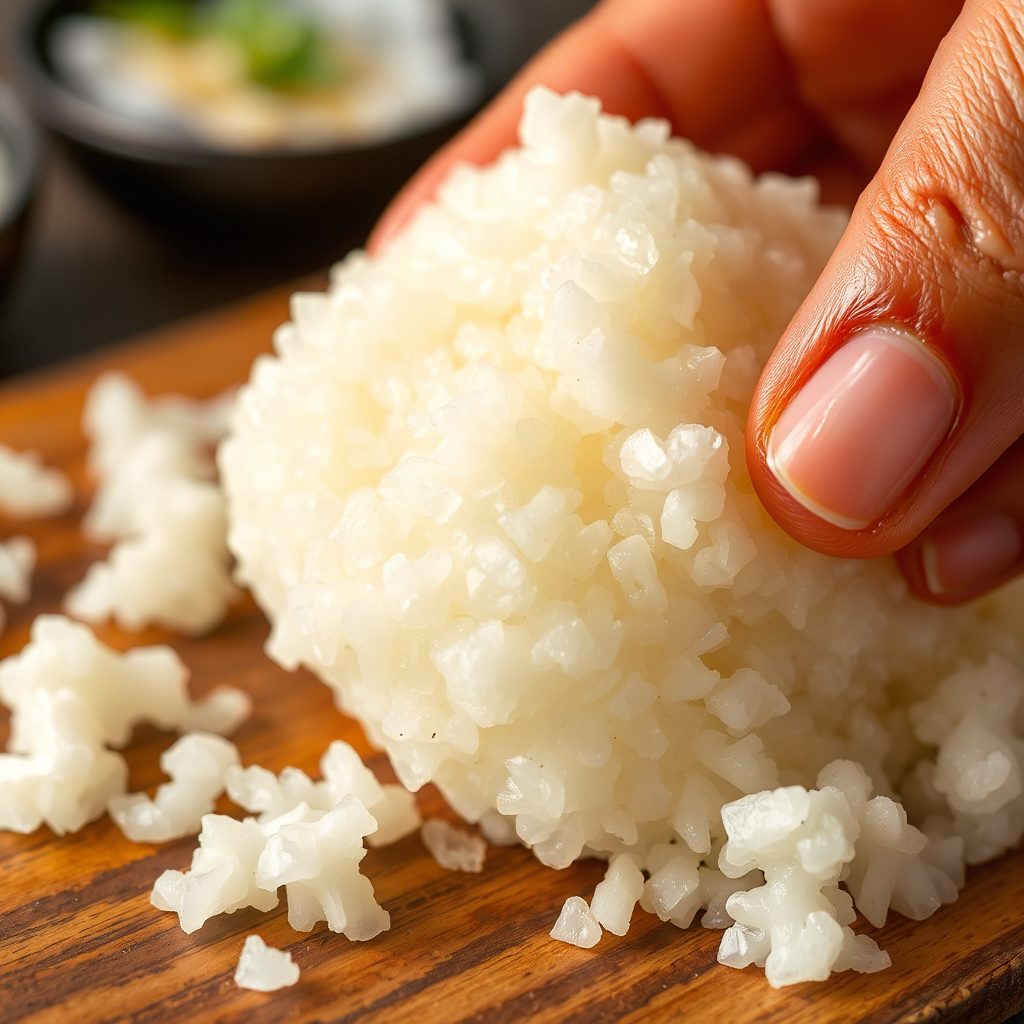
Portion Size and Rice Calories
Each nigiri piece contains roughly 15 to 20 grams of sushi rice, which translates to about 25 to 35 calories. The exact amount depends on the chef’s serving size, influencing total calories in a single nigiri.
Variations in rice portion directly affect the calorie count. Larger rice bases, sometimes used in buffet or conveyor-belt sushi settings, can add extra calories even if the fish portion stays the same.
For more on this, see our related guide: How Many Calories Are in Sashimi? A Clear Guide to Its Nutritional Content.
Rice Type and Preparation Effects
Sushi rice is typically prepared with vinegar, sugar, and salt, adding minor calories on top of the base rice energy value. Sweetened rice subtly increases the calorie content compared to plain cooked rice.
Some restaurants may use brown rice or mixed grain rice for nigiri, which slightly alters calorie and nutrient profiles due to higher fiber content but calorie differences are minimal.
How Nigiri Compares to Other Sushi Options
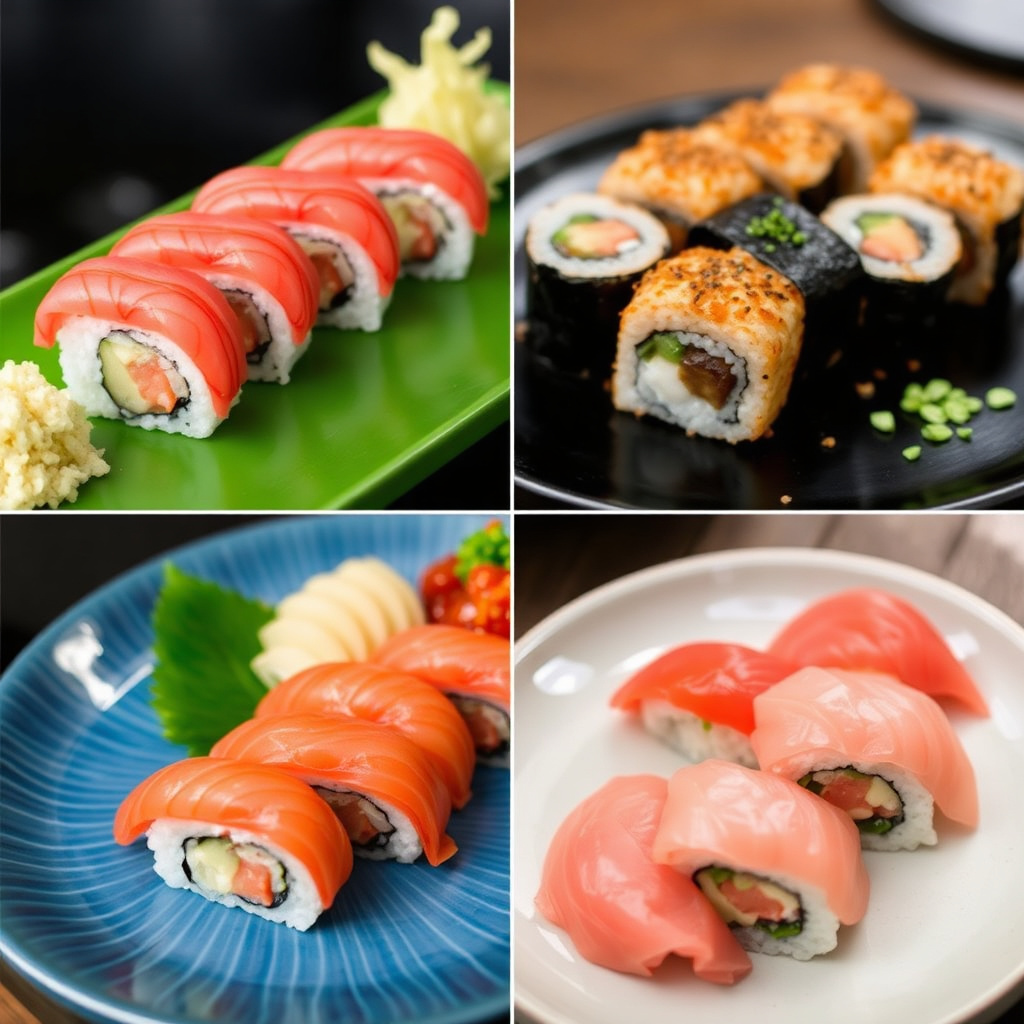
Nigiri vs. Sushi Rolls
Nigiri generally has fewer calories than many sushi rolls since rolls often contain additional ingredients like mayonnaise, cream cheese, or fried components. For example, an average maki roll piece might contain 50 to 100 calories depending on fillings.
Calories in sushi rolls can add up quickly due to sauces and extra fillings, whereas nigiri is simpler, focusing mostly on fish and rice, making it a leaner sushi choice.
Nigiri vs. Sashimi
Sashimi contains only slices of raw fish without rice, so it carries fewer calories, about 30 to 50 calories per piece depending on the fish type. Nigiri adds rice, which contributes additional calories.
Choosing sashimi over nigiri can be a way to reduce calorie intake while still enjoying fresh fish, especially if you want a low-carb option.
Factors Affecting Nigiri Calorie Variations

Sauces and Toppings Impact
Soy sauce, spicy mayo, eel sauce, and other condiments commonly added to nigiri increase overall calories. A drizzle of eel sauce can add 20 to 30 calories per piece, substantially affecting total intake.
Toppings like avocado, sesame seeds, or tempura flakes also contribute fat and calories, worth considering when counting calories precisely.
- Soy sauce (minimal calories in typical dips)
- Spicy mayo adds fats and calories
- Eel sauce can add about 25 calories/piece
- Avocado toppings add healthy fats and calories
For more on this, see our related guide: How Many Calories Are in a Spicy Tuna Roll? Accurate Nutrition Guide.
Serving Style and Presentation
Nigiri served in all-you-can-eat settings may be larger or use more rice, raising calorie counts without obvious indication. Conversely, premium sushi restaurants often serve smaller, more controlled portions.
Understanding the serving context can help better estimate calorie content rather than relying on generic averages.
Making Healthier Nigiri Choices

Selecting Lean Fish Options
Opt for lean nigiri varieties like yellowtail, snapper, or squid to keep calories lower. These fish types typically contain less fat and fewer calories per piece.
Avoid nigiri with heavy sauces or fried toppings to reduce excess calorie intake.
For more detailed nutritional information on sushi types and their variations, you can visit this comprehensive Wikipedia article. nutritional information on sushi types.
Portion Control Tips
Limit nigiri consumption to 3-5 pieces per meal to enjoy the flavors without excessive calorie load. Pair with low-calorie sides like miso soup or seaweed salad.
As rice contributes a significant portion of calories, choosing sashimi or requesting smaller rice portions can help manage overall intake.
Nigiri Calorie Content by Fish Type
Here’s how different nigiri varieties compare in calories per piece, helping you choose according to your dietary goals.
| Fish Type | Calories Per Piece | Fat Content (g) | Protein (g) |
|---|---|---|---|
| Tuna | 50 | 1 | 7 |
| Salmon | 60 | 4 | 6 |
| Eel (Unagi) | 75 | 5 | 5 |
| Shrimp | 45 | 0.5 | 7 |
| Yellowtail | 45 | 2 | 6 |
| Squid | 40 | 0.4 | 6 |
Frequently Asked Questions
Does the type of fish affect the calories in nigiri?
Yes, fattier fish like salmon and eel generally have higher calorie counts than leaner fish such as tuna or squid due to their fat content.
How many calories are added by sushi rice in nigiri?
Sushi rice typically contributes around 25 to 35 calories per nigiri piece, depending on the portion size.
Are sauces added to nigiri high in calories?
Many sauces like eel sauce and spicy mayo can add around 20 to 30 calories or more per piece, so using them sparingly helps control calorie intake.
Is nigiri lower in calories than sushi rolls?
Generally, yes. Sushi rolls often contain extra ingredients and sauces that increase calories, while nigiri is usually simpler with just fish and rice.
Can eating sashimi help reduce calorie intake compared to nigiri?
Yes, sashimi is just fish without rice, resulting in fewer calories per piece, making it a good option for lower-calorie sushi choices.
Key Takeaways
- Nigiri calories range widely from 40 to 75 per piece depending on fish and preparation.
- Rice contributes about 25 to 35 calories per nigiri piece.
- Sauces and toppings can significantly increase calorie content.
- Choosing lean fish and controlling portions minimizes calorie intake.
Conclusion
Determining how many calories are in nigiri involves understanding the balance between the fish type, rice amount, and additional toppings or sauces. Since nigiri blends vinegared rice with a slice of fish, each component contributes to the total calorie count. By evaluating these factors, you can tailor your choices according to your dietary goals while still enjoying authentic sushi experiences.
For those seeking a lower-calorie sushi option, nigiri made with lean fish such as yellowtail or squid, paired with moderate rice portions, offers a satisfying yet diet-friendly choice. Conversely, those who prefer richer flavors may choose salmon or eel nigiri but should be mindful of the higher calorie content. Comparing nigiri to sushi rolls and sashimi reveals how ingredient complexity and preparation methods influence calories significantly.
Practical next steps include paying attention to serving sizes at restaurants, requesting less rice or fewer sauces, and selecting nigiri varieties that fit your nutritional preferences. Understanding the calorie makeup helps you enjoy sushi without unintentionally exceeding your calorie goals. For in-depth nutrition details on popular fish types, consulting trusted sources can guide informed decisions.


3 Comments