Is Chinese Food Bad for You? Separating Myths from Facts
Chinese food itself is not inherently bad for you, but like any cuisine, its health impact depends on what and how much you eat. Many people associate Chinese food with greasy, salty dishes, but there are plenty of options that can fit a balanced diet if chosen carefully.
Understanding why Chinese food sometimes gets a bad reputation helps clarify whether it should be avoided or enjoyed in moderation. Cultural dishes vary widely in preparation methods and ingredients, affecting calorie count, sodium levels, and nutritional value.
This article explores factors that influence the healthiness of Chinese food, breaking down common ingredients, cooking styles, and specific dishes. It also offers practical tips for picking healthier choices and compares different Chinese food categories to help you make informed decisions.
Nutritional Components in Chinese Food

Common Ingredients and Their Effects
Chinese cooking relies heavily on ingredients such as soy sauce, ginger, garlic, and various vegetables. Soy sauce and other condiments can add high sodium levels, which may be concerning for those monitoring blood pressure. However, many dishes incorporate vegetables that provide fiber, vitamins, and antioxidants.
Meats like pork, chicken, and seafood are often used, offering protein essential for muscle health and metabolism. But the preparation method—whether steamed, stir-fried, or deep-fried—significantly impacts the calorie and fat content of the meal.
Balancing Macronutrients
Typical Chinese meals include carbohydrates from rice, noodles, or dumplings paired with protein and vegetables. Achieving a balance of macronutrients supports energy levels and satiety. Choosing steamed dishes or those with light sauces helps keep fat and sugar consumption moderate.
Excessive use of oil and sugar in sauces can unbalance this nutritional triad, leading to dishes high in empty calories. Understanding how different preparations influence macronutrient ratios is key to selecting healthier options.
Cooking Methods and Their Impact on Health

Stir-Frying Versus Deep-Frying
Stir-frying is a common method that briefly cooks ingredients at high heat, using minimal oil. This technique preserves nutrients and limits calorie addition, making stir-fried dishes comparatively healthier.
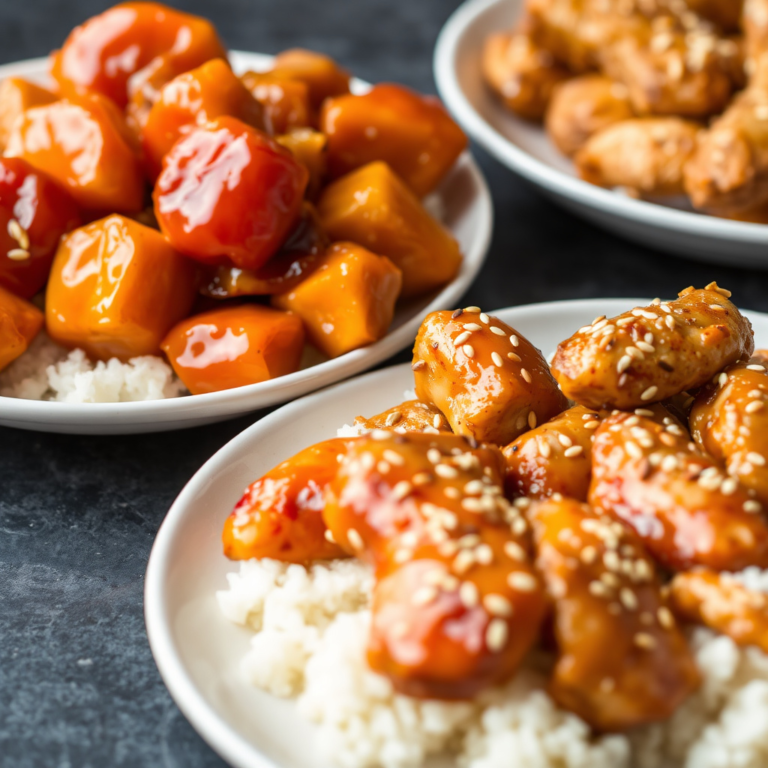
In contrast, deep-frying submerges food in oil, greatly increasing fat and calorie content. Dishes like spring rolls, fried dumplings, or General Tso's chicken can be much higher in unhealthy fats and should be eaten sparingly.
- Stir-frying: quick, less oil, nutrient preservation
- Deep-frying: high oil use, more calories, less healthy
Steaming and Boiling as Healthier Alternatives
Steamed dishes, such as steamed buns, fish, or vegetables, retain most of their natural flavors and nutrients without added fat. Boiled soups and broths are also low-calorie options that can be nutrient-dense and hydrating.
These cooking methods avoid unnecessary oils and preserve vitamins that might otherwise degrade during prolonged cooking at high heat.
Common Ingredients to Watch Out For

High Sodium Content in Sauces and Soy Sauce
Soy sauce, oyster sauce, and hoisin sauce frequently contribute a significant amount of sodium to Chinese dishes. High sodium intake is linked to increased blood pressure and heart disease risk if consumed excessively.
Many Chinese restaurants use reduced-sodium alternatives, but it’s advisable to request sauces on the side or ask for lighter seasoning when ordering.
For more on this, see our related guide: How to Store Leftover Chinese Food Safely and Effectively.
Monosodium Glutamate (MSG) Myths and Realities
MSG is often blamed for headaches or allergic reactions, but extensive research shows that it’s generally safe for most people when consumed in typical amounts found in restaurant meals.
If someone is sensitive, choosing fresh-made dishes without added MSG can reduce potential discomfort, but avoiding Chinese food altogether isn’t necessary.
Making Healthier Choices When Eating Chinese Food
Selecting Health-Conscious Dishes
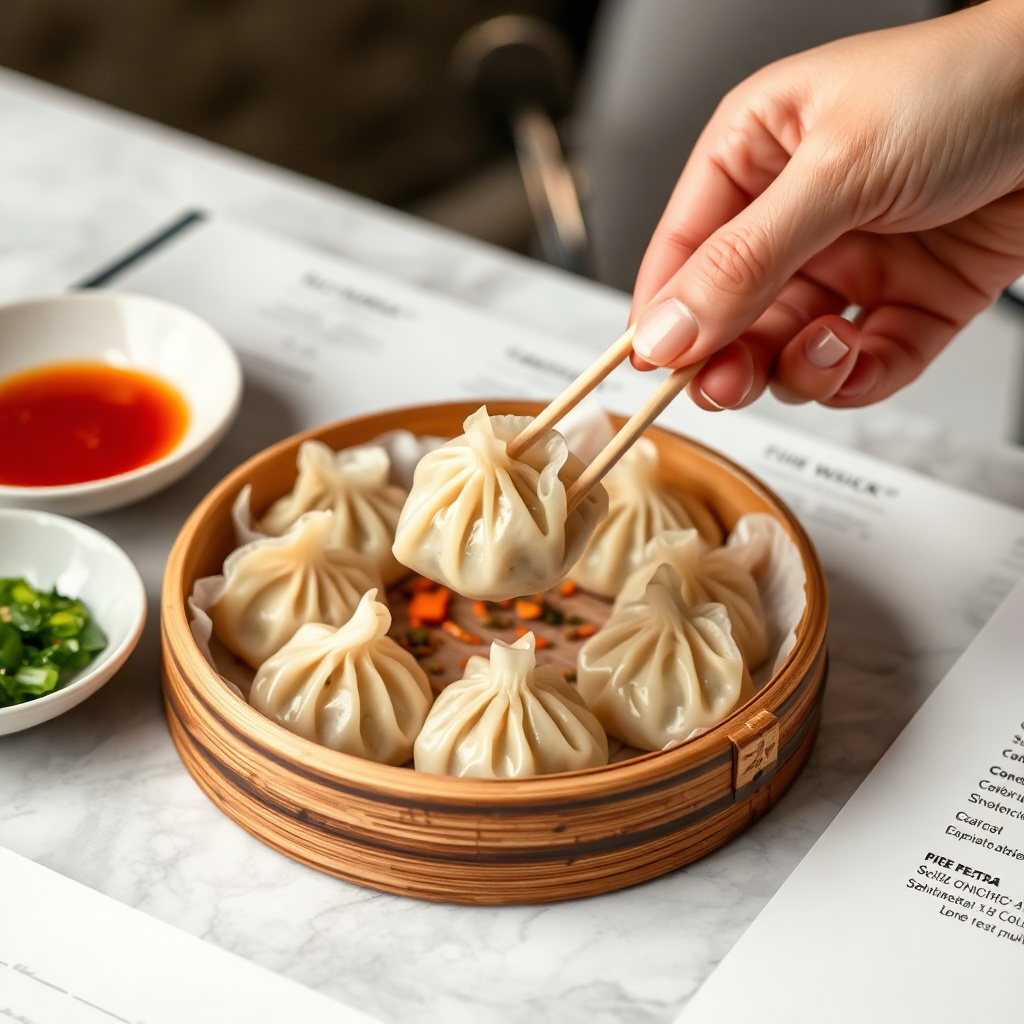
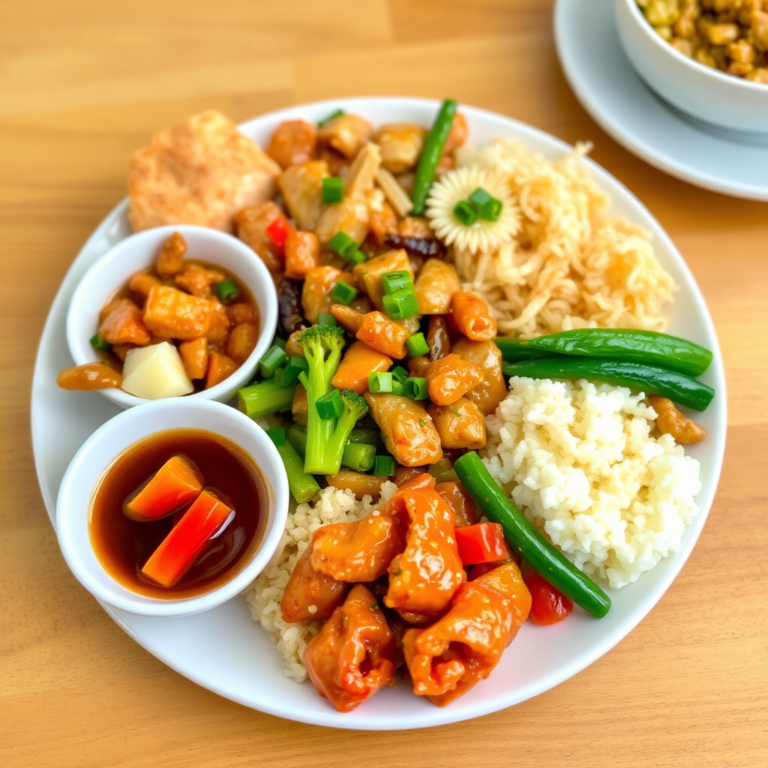
Opt for dishes that emphasize vegetables and lean proteins with simple preparation like steamed, boiled, or lightly stir-fried options. Examples include Buddha’s delight (a vegetable medley), steamed fish, or chicken with broccoli.
Avoid heavily breaded or fried foods as well as dishes drenched in sweet or thick sauces, which often add unnecessary sugars and calories.
- Steamed dumplings over fried
- Vegetable-rich dishes
- Request sauce on the side
Controlling Portion Sizes and Side Dishes
Large portion sizes common in many Chinese takeout meals can lead to overeating. Sharing dishes or saving part of a meal for later helps maintain calorie control.
Choosing broth-based soups or fresh vegetable sides instead of fried appetizers and rice-heavy meals can improve the overall nutritional balance.
- Share entree portions
- Limit fried appetizers
- Favor broth soups over creamy options
Cultural Variations in Chinese Cuisine and Health

Northern Versus Southern Chinese Food Styles
Northern Chinese cuisine relies heavily on wheat products like noodles and dumplings, often with richer sauces and more salt. Southern styles, such as Cantonese, emphasize steamed and lightly cooked dishes rich in fresh ingredients.
Recognizing these differences helps in selecting dishes that align better with your dietary preferences and nutritional goals.
For more on this, see our related guide: How to Make Mapo Tofu: Authentic Recipe and Step-by-Step Guide.
Impact of Regional Ingredients
Regional ingredients influence the nutritional profile of dishes. For example, Sichuan cuisine uses more chili and oil, increasing calorie and fat intake, while Eastern coastal dishes may emphasize seafood and vegetables.
Understanding these variations encourages informed choices rather than lumping all Chinese food into a single health category.
Chinese Food and Overall Diet Quality

Integrating Chinese Food into a Balanced Diet
Chinese food can be part of a nutritious diet if balanced with appropriate portion sizes and varied choices. Pairing meals with daily fruit, vegetable intake, and limiting processed snacks enhances overall health.
Consider cooking at home using fresh ingredients and traditional techniques to control salt and oil usage more effectively than eating out.
For further insight into the diversity and history of Chinese food, see this detailed overview on Chinese cuisine. Chinese cuisine on Wikipedia.
Frequency and Mindful Consumption
Eating Chinese food occasionally with thoughtful selection won’t negatively affect health, but routine consumption of fried, high-sodium dishes may contribute to chronic conditions over time.
Mindfulness when ordering, such as avoiding supersized meals, helps incorporate cultural flavors without sacrificing nutrition.
Chinese Food Types Comparison for Health Impact
Here’s a summary comparing common Chinese food categories based on typical calorie, fat, and sodium content to guide healthier selections.
| Category | Common Cooking Method | Calorie Range (per serving) | Sodium Level | Typical Nutritional Notes |
|---|---|---|---|---|
| Steamed Dishes | Steaming | 150-300 | Low to moderate | Low fat, nutrient-preserving |
| Stir-Fried Dishes | Stir-frying | 300-600 | Moderate | Moderate fat, preserves texture |
| Deep-Fried Items | Deep-frying | 400-800 | High | High fat and calories |
| Sauced Dishes | Sauté/Simmer | 350-700 | High | High sodium and sugar often present |
| Soups and Broths | Boiling/Simmering | 100-300 | Low to moderate | Hydrating, nutrient-dense if not creamy |
Frequently Asked Questions
Does all Chinese food contain MSG?
Not all Chinese food contains MSG. Some restaurants add it to enhance flavor, but many dishes are prepared without it. You can request no MSG when ordering if you prefer to avoid it.
Can Chinese food fit into a weight loss diet?
Yes, by choosing steamed or stir-fried dishes with lots of vegetables and lean protein, Chinese food can be part of a balanced weight loss plan. Avoid fried or sugary options to keep calories in check.
Is Chinese takeout healthier or worse than cooking at home?
Home-cooked Chinese meals are often healthier since you control ingredients and cooking methods. Takeout tends to be higher in salt, sugar, and unhealthy fats due to commercial practices.
Are there vegetarian Chinese food options that are healthy?
Absolutely. Many Chinese vegetarian dishes focus on tofu, vegetables, and mushrooms cooked with light sauces or steaming, making them nutritious and lower in calories.
What is the best way to reduce sodium when eating Chinese food?
Ask for sauces on the side, avoid soy sauce-heavy dishes, and opt for steamed or lightly seasoned items. Drinking water and balancing meals with fresh vegetables also helps.
Key Takeaways
- Chinese food's healthiness depends on ingredients and cooking methods.
- Steamed and stir-fried dishes are generally healthier options.
- Watch out for high sodium in sauces and added sugars.
- Mindful portion control is important for balanced eating.
Conclusion
Deciding whether Chinese food is bad for you requires looking beyond stereotypes to how dishes are prepared and what ingredients they contain. Evaluating the balance of vegetables, protein, carbohydrates, and fats within each meal reveals the real health impact. The main keyword, ‘Chinese food,’ applies to a broad and diverse cuisine, some parts of which promote good nutrition while others contain added sugars, salt, and fats. Therefore, understanding these variations can help you select meals that complement your dietary needs rather than compromising them.
For those aiming to eat more healthfully, incorporating healthy Chinese food options is both easy and satisfying. Steamed dishes like steamed fish or vegetable dumplings and stir-fried combinations with lean proteins provide vitamin-rich, lower-calorie choices. Avoiding deep-fried items and heavy sauces can reduce overconsumption of calories and sodium. Regional variations matter too—southern and Cantonese styles generally emphasize fresher, lighter cooking methods, which might be preferable for health-conscious diners. Using this knowledge to guide orders and meal planning offers practical benefits.
To make Chinese food part of a balanced diet, start by exploring menus with a focus on steamed or stir-fried dishes while requesting minimal sauces or reduced sodium versions. Portion control can be achieved by sharing plates or saving leftovers. If eating out regularly, consider preparing Chinese-inspired dishes at home where ingredient control is higher. This approach helps enjoy the rich flavors and cultural heritage of Chinese food without compromising your health goals.


2 Comments