Why Is Sushi Served with Ginger? Understanding Its Role and Benefits
Sushi is commonly served with ginger, known as gari, because it acts as a palate cleanser between different types of sushi. The sharp, slightly sweet and acidic taste refreshes the mouth, allowing each bite of sushi to be fully appreciated without lingering flavors colliding.
Beyond palate cleansing, ginger also offers antimicrobial properties, which can help reduce the risk of foodborne illness when eating raw fish. Its digestive benefits stimulate saliva production and can enhance the experience by easing digestion of the meal.
This article will explore the traditional and practical reasons sushi is served with ginger, how it complements various sushi types, and the cultural significance behind this pairing. We'll also cover how to properly use and enjoy pickled ginger with your sushi.
The Culinary Purpose of Ginger with Sushi

Palate Cleansing Between Bites
Ginger is used primarily to reset the taste buds between different sushi varieties. Because sushi pieces often vary in flavor profiles—ranging from rich fatty fish to delicate whitefish—the sharp acidity and sweetness of ginger refresh the palate.
This allows each sushi bite to be individually appreciated without flavor overlap or muddiness. The mild spiciness also helps cut through the oiliness of some fish types.
Enhancing Sushi Flavors
Ginger complements sushi without overpowering it. Its subtle brightness can accentuate fresh fish flavors and rice seasoning, balancing the overall taste experience.
Used sparingly, pickled ginger adds a gentle zing which contrasts nicely with rich or creamy sushi topping textures like eel or toro (fatty tuna).
The Health and Functional Benefits of Serving Ginger with Sushi

Antimicrobial Properties Against Raw Fish Risks
Raw fish, a main component of sushi, carries a risk of bacteria and parasites. Ginger contains bioactive compounds with antimicrobial effects which may help reduce harmful microorganisms.
Although not a replacement for proper food handling, the presence of ginger in sushi serves as an added precaution to support safe consumption.
- Contains gingerol compounds with antibacterial effects
- May inhibit growth of some foodborne bacteria
- Supports safer raw fish eating experience
For more on this, see our related guide: How to Use Soy Sauce with Sushi: A Practical Guide.
Aiding Digestion
Ginger stimulates saliva and digestive enzyme production, which improves digestion of proteins and fats in sushi.
Eating ginger alongside sushi can help prevent indigestion or discomfort from fatty fish and vinegared rice.
- Boosts digestive enzyme release
- Can reduce nausea or digestive upset
- Facilitates breakdown of oily sushi components
Cultural and Traditional Significance of Ginger in Sushi Dining

Historical Use of Pickled Ginger
Pickled ginger, or gari, has long been part of sushi tradition in Japan. Originally used to help cleanse the palate in multi-course meals and to complement raw seafood, it is an enduring cultural practice.
The light pink or off-white color often comes from young ginger roots or from plum vinegar, adding seasonal and visual appeal.
Etiquette and Proper Consumption
Culturally, gari should be eaten between different pieces of sushi, not placed directly on the sushi itself. This respect maintains the balance of flavors intended by sushi chefs.
Knowing how and when to consume ginger enriches the traditional dining experience and honors the craft of sushi making.
- Eat between bites, not on sushi
- Use ginger palate resets for flavor clarity
- Respect sushi chef's flavor balance
Varieties and Preparation of Pickled Ginger Served with Sushi

Types of Pickled Ginger
Common pickled ginger is thinly sliced young ginger pickled in a solution of sugar and vinegar, producing mild sweetness with mild acidity.
Some variants may include additional flavorings like soy sauce or plum vinegar, affecting color and tang level.
- White or pale pink gari from young ginger
- Red or darker ginger using red shiso leaf or plum vinegar
- Sweet versus more acidic pickling styles
For more on this, see our related guide: What Is Temaki? A Complete Guide to the Hand-Rolled Sushi Cone.
Homemade vs. Store-Bought Ginger
Making pickled ginger at home allows control over sweetness, acidity, and freshness, contributing to a personalized sushi experience.
Store-bought options vary widely in quality, texture, and flavor intensity, so it's worth sampling different brands.
How to Enjoy Ginger with Sushi for the Best Experience
Timing and Pairing
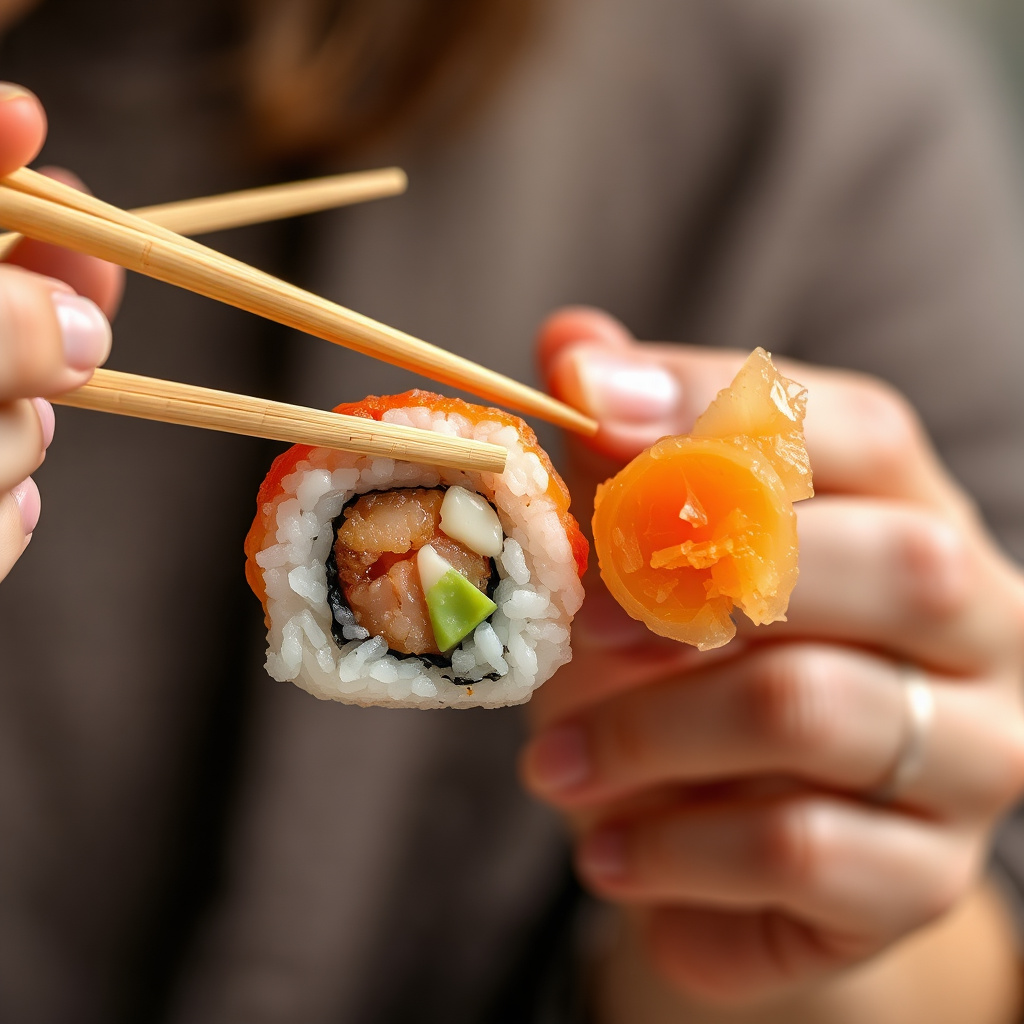
The best practice is to eat a small piece of ginger after a bite of sushi but before the next. This timing refreshes the palate and preps taste buds for the new flavor.
Pairing ginger with different sushi types helps distinguish and highlight flavor contrasts within a meal.
For more on the culinary uses of ginger, including its role in Japanese cuisine like sushi, see this detailed article. Ginger in Japanese cuisine.
Common Mistakes to Avoid
Avoid mixing ginger directly on sushi, which can overwhelm delicate flavors. Using excessive amounts can dominate the flavor profile rather than complement it.
Some diners mistakenly use ginger as a garnish or treat it like wasabi, which is incorrect for preserving sushi balance.
- Do not overload sushi with ginger
- Never substitute ginger for wasabi
- Consume ginger separately between bites
Types of Sushi Ginger Compared
Here is a comparison of common types of pickled ginger served with sushi, highlighting their flavor profiles and typical uses.
| Ginger Type | Color | Flavor Profile | Use Case | Preparation Style |
|---|---|---|---|---|
| Young Pickled Ginger (Gari) | Pale pink or white | Sweet and mild acidity | Standard palate cleanser | Thinly sliced, vinegar and sugar pickled |
| Red Pickled Ginger (Beni Shoga) | Bright red | Sharp and tangy | Common with cooked dishes | Pickled with red shiso leaf |
| Homemade Ginger | Varies from pale to pink | Variable sweetness and acidity | Personalized sushi pairing | Fresh ginger pickled manually |
| Store-Bought Commercial Ginger | Varies widely | Ranges from sweet to overly sweet | Convenience use | Mass produced with preservatives |
Frequently Asked Questions
Can I eat ginger together with sushi in one bite?
Traditionally, ginger is eaten separately between sushi bites to cleanse the palate, not on top of the sushi itself. Mixing them can overpower the sushi’s delicate flavors.
Is sushi ginger safe to eat in large amounts?
While ginger is generally safe, consuming large quantities of pickled ginger may be high in sugar and vinegar and could cause digestive discomfort if overeaten.
Why is sushi ginger sometimes pink?
The pink color often comes from natural pigments in young ginger or from red shiso leaves used in pickling. It’s purely aesthetic and does not affect flavor significantly.
Does ginger help prevent food poisoning from raw fish?
Ginger has mild antimicrobial properties which may reduce bacteria, but proper handling and freshness of raw fish are the primary safeguards against foodborne illness.
Can I substitute ginger with something else when eating sushi?
Really, no other ingredient replaces ginger’s unique palate-cleansing and digestive properties. Wasabi is spicy and meant to complement flavor, but it doesn’t cleanse like ginger.
Key Takeaways
- Ginger acts primarily as a palate cleanser between sushi pieces.
- It also has mild antimicrobial and digestive benefits.
- Proper consumption involves eating it separately between bites.
- There are several types of pickled ginger with varying flavors.
Conclusion
When deciding why sushi is served with ginger, the answer centers on enhancing the eating experience. Ginger’s primary role is to cleanse the palate, enabling distinct appreciation of each sushi piece’s flavor. This functional aspect is supported by healthful properties like mild antimicrobial effects and digestive aid, reinforcing the tradition’s longevity in Japanese culinary culture.
For those exploring sushi dining, understanding the difference between types such as young pickled ginger (gari) and red pickled ginger helps tailor the experience. If you value sweetness and mild acidity, gari offers a classic pairing. In contrast, more pungent red pickled ginger suits cooked dishes but is less common with sushi. Homemade ginger preparations allow customization, while commercial products offer convenience but vary in quality. Eating ginger in small amounts between bites rather than on sushi itself respects flavor balance and tradition.
To get the most out of sushi with ginger, approach your meal thoughtfully: try sampling small slices of pickled ginger after each sushi piece to refresh your palate. Experiment with different ginger varieties to find your preferred balance of sweetness and acidity. This mindful practice elevates both the taste and cultural connection of your sushi dining experience.