How to Make Szechuan Chicken: A Spicy and Flavorful Guide
Szechuan chicken is a flavorful Chinese dish known for its bold spice, savory sauce, and a perfect balance of heat and sweetness. To make authentic Szechuan chicken, you start by marinating bite-sized chicken pieces in soy sauce and cornstarch, then stir-frying them with garlic, ginger, dried chili peppers, and Szechuan peppercorns to create that iconic numbing heat.
Szechuan cuisine is famous for its spicy and pungent flavors, a result of unique ingredients like Szechuan peppercorns which cause a tingling sensation. This dish has gained worldwide popularity because it combines heat, aroma, and a hint of sweetness for a complex taste experience that excites the palate. Knowing how to make Szechuan chicken allows you to enjoy this tasty meal anytime at home.
This guide will go through the essential ingredients, preparation steps, cooking techniques, and tips to balance the heat and flavors perfectly. You will also learn about variations that accommodate different spice levels and ingredient substitutions, ensuring that you can customize the dish to your preference.
Essential Ingredients for Szechuan Chicken

Key Spices and Aromatics
The cornerstone of authentic Szechuan chicken is the use of dried red chilies and Szechuan peppercorns. Dried chilies provide the heat, while the peppercorns add a unique numbing sensation that defines Szechuan flavor. Fresh garlic and ginger complement these spices by adding depth and earthiness to the sauce.
Selecting fresh aromatics and quality dried spices ensures the best flavor. Toasting the Szechuan peppercorns lightly before use can bring out their oils and aromatic properties, enhancing the dish's complexity.
- Dried red chilies (adjust to taste)
- Szechuan peppercorns
- Fresh garlic cloves
- Fresh ginger root
Chicken and Marinade Components
Boneless, skinless chicken thighs are preferred for juicy, tender results, although breasts can also be used. The chicken is marinated in soy sauce, Shaoxing wine or rice vinegar, minced garlic, and a bit of cornstarch to tenderize and create a smooth texture once cooked.
Marinating the chicken for at least 20 minutes allows the flavors to infuse and helps the cornstarch create a light coating for better stir-fry texture. This process also prevents the chicken from drying out during cooking.
- Boneless chicken thighs or breasts
- Soy sauce
- Shaoxing wine or rice vinegar
- Cornstarch
Preparation and Marinating Steps for Szechuan Chicken

Cutting and Marinating the Chicken
Slice the chicken into even, bite-sized pieces to ensure consistent cooking. Avoid too large chunks as they cook unevenly and may stay underdone. Place the chicken in a bowl with soy sauce, rice wine, minced ginger, minced garlic, and cornstarch. Toss well to coat all pieces.
The cornstarch in the marinade forms a thin protective layer during cooking. This keeps juices sealed inside and gives the final product a nice velvety texture. Let the chicken rest in the marinade at room temperature or in the refrigerator for 20 to 30 minutes for best results.
For more on this, see our related guide: How to Make Hot and Sour Soup: A Step-by-Step Guide.
Preparing the Spice Mix and Vegetables
While the chicken marinates, prepare the spice mix by measuring dried chilies and lightly toasting Szechuan peppercorns in a dry pan. Crush the peppercorns slightly to release oils and enhance flavor without overpowering the dish.
Common additional vegetables like bell peppers or green onions can be sliced thinly and kept ready for quick stir-frying. Their freshness acts as a counterbalance to the rich and spicy flavors of the chicken.
Cooking Techniques for Perfect Szechuan Chicken

Wok Stir-Frying Method
Using a high-heat wok is traditional for Szechuan chicken. Heat oil until smoking hot, then quickly add marinated chicken pieces, stir-frying rapidly to seal in juices and achieve a light sear. This technique preserves moisture and gets a slight crisp exterior.
After the chicken partially cooks, add garlic, ginger, dried chilies, and crushed peppercorns. Stir-fry everything briskly but carefully to avoid burning the spices. This process takes just a few minutes to develop the signature bold flavors.
- Use high smoke point oil like peanut or vegetable oil
- Keep ingredients moving constantly
- Avoid overcrowding the wok
Balancing Sauce and Final Toss
The sauce is a mix of soy sauce, Chinese black vinegar or rice vinegar, sugar, and sometimes chili paste for additional heat. After removing the chicken from the wok, stir in the sauce and cook briefly until it thickens slightly, coating the chicken perfectly.
Return the chicken to the wok and toss everything together once more. Adding sliced green onions or toasted sesame seeds at this stage adds complexity and a fresh bite to the dish.
Variations and Adjustments for Different Taste Preferences
Adjusting Spice Level and Ingredients
You can control the heat by adjusting the number of dried chilies or swapping Szechuan peppercorns for black pepper for milder numbing effect. Adding sugar or honey helps tame the heat and balances the dish with sweetness.
For a less oily version, reduce cooking oil or replace some with broth during the sauce-making step. Vegetables like bell peppers or snap peas also mellow the overall heat while increasing texture variety.
- More chilies for spicier taste
- Use less or omit Szechuan peppercorns for milder numbness
- Add sugar or honey for balance
For more on this, see our related guide: How to Make Kung Pao Chicken: A Step-by-Step Guide to the Classic Sichuan Dish.
Alternate Protein and Serving Suggestions
Chicken breast can be substituted, though it tends to dry out faster. For vegetarians, tofu or seitan can replace meat, combined with the same marinade and sauce for authentic flavor.
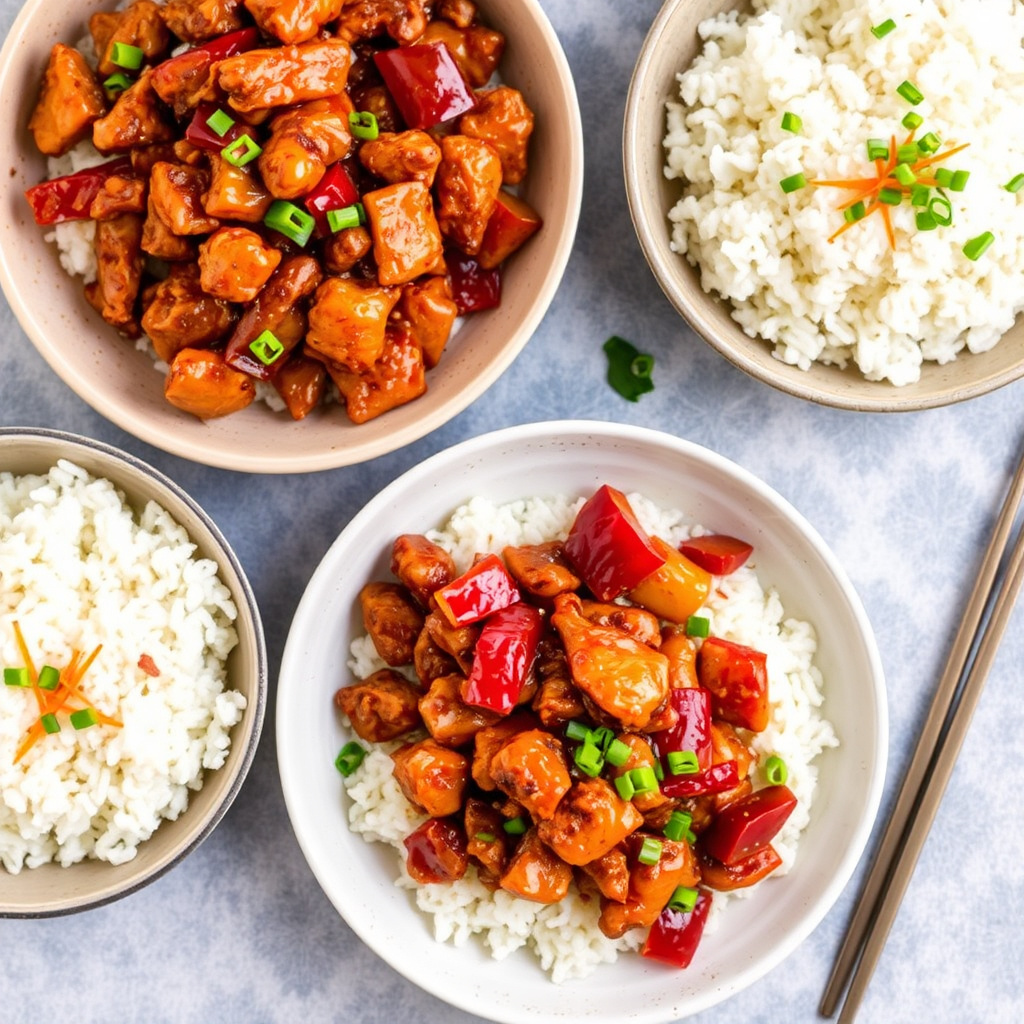
This spicy dish pairs excellently with jasmine rice or simple steamed vegetables to offset the rich meat and strong spices. Serving with cold cucumber salad can refresh the palate between bites.
- Use tofu or seitan for vegetarian option
- Serve with jasmine rice
- Pair with fresh vegetable sides
Storage, Reheating, and Serving Tips

Storage Best Practices
Store leftover Szechuan chicken in an airtight container in the refrigerator. It will keep well for 2 to 3 days while preserving most flavors and textures. Freezing is possible but may slightly affect the sauce's consistency.
Before refrigerating, let the dish cool to room temperature to avoid condensation in the container, which can make the dish soggy. Label with the date to track freshness.
- Use airtight containers
- Consume within 3 days
- Cool before refrigerating
To learn more about the unique spices and history behind Szechuan chicken, check out this detailed overview of Sichuan cuisine on Wikipedia. Sichuan cuisine on Wikipedia.
Reheating and Serving Suggestions
Reheat Szechuan chicken gently in a pan with a splash of water or broth over medium heat to prevent drying out the meat. Microwaving is a quick option but can sometimes lead to uneven heating or toughness.
For serving, garnish with fresh chopped scallions or toasted sesame seeds. Complement with steamed rice or noodles and a side of stir-fried or fresh vegetables for a satisfying balanced meal.
Comparison of Szechuan Chicken Recipe Variations
Here's a comparison of common Szechuan chicken recipe styles based on spice level, cooking time, and ingredients to find the perfect match for your taste.
| Recipe Style | Spice Level | Preparation Time | Key Ingredients |
|---|---|---|---|
| Classic Szechuan | High | 30 minutes | Dried chilies, Szechuan peppercorns, chicken thighs |
| Mild Variation | Low | 25 minutes | Fewer chilies, black pepper, chicken breasts |
| Vegetarian | Medium | 30 minutes | Tofu, dried chilies, Szechuan peppercorns |
| Quick Stir-Fry | Medium | 20 minutes | Pre-cooked chicken, chili paste, bell peppers |
| Oilless Version | Medium | 35 minutes | Reduced oil, broth, chicken thighs |
Frequently Asked Questions
What makes Szechuan chicken spicy?
The spiciness comes from dried red chilies and Szechuan peppercorns, which provide both heat and a unique numbing effect, characteristic of Szechuan cuisine.
Can I use chicken breast instead of thigh for Szechuan chicken?
Yes, chicken breast can be used but it tends to dry out quicker than thighs, so be careful not to overcook to keep it tender.
How do I reduce the heat without losing flavor?
Reduce the number of dried chilies and replace Szechuan peppercorns with black pepper, and add a bit of sugar or honey to balance the flavors.
Is Szechuan chicken gluten-free?
Not typically, since soy sauce often contains gluten. However, you can use gluten-free tamari as a substitute to make the dish gluten-free.
Can I prepare Szechuan chicken ahead of time?
You can marinate the chicken a few hours in advance, but it's best cooked fresh for optimal texture and flavor.
Key Takeaways
- Szechuan chicken balances heat, numbing spice, and savory flavors.
- Marinating chicken with soy sauce and cornstarch is essential for texture.
- Dried chilies and Szechuan peppercorns create the dish's signature spice.
- Adjust spice levels and ingredients to suit personal preferences.
Conclusion
Crafting authentic Szechuan chicken at home hinges on understanding the combination of spices, aromatics, and cooking methods that produce its distinctive fiery and tangy profile. The dish is more than just heat; it's balance. By properly marinating the chicken, using the right dried chilies and Szechuan peppercorns, and mastering quick, high-heat stir-frying, you can enjoy a restaurant-quality meal tailored to your taste.
For those new to Szechuan cooking, starting with the classic recipe is recommended to appreciate the traditional flavors. If you prefer less heat, the mild variation with reduced chilies and black pepper provides a gentler introduction without compromising the mouthwatering sauce. Vegetarians can enjoy an equally delicious version with tofu or seitan that still carries the iconic spice bomb. Whichever route you choose, the dish pairs wonderfully with steamed jasmine rice or crisp vegetables to round out the meal.
Once familiar with the base Szechuan chicken recipe, experiment with adjusting spice levels and incorporating different vegetables to suit your palate. Storing leftovers correctly means you can enjoy this spicy delight multiple times throughout the week. For your next meal, gather the ingredients, embrace the bold flavors, and enjoy a beautifully balanced Szechuan chicken dinner made right in your kitchen.