How to Make Kung Pao Chicken: A Step-by-Step Guide to the Classic Sichuan Dish
Kung Pao chicken is a popular Chinese stir-fry dish known for its perfect balance of savory, sweet, and spicy flavors. At its core, making Kung Pao chicken involves marinating chicken pieces, stir-frying them with peanuts, chili peppers, and a flavorful sauce that hits every taste bud. This process results in a dish that is both vibrant and satisfying, replicable in home kitchens without exotic ingredients.
The allure of Kung Pao chicken lies in the complexity of its sauce and the texture contrasts between tender chicken, crunchy peanuts, and crispy chili peppers. Understanding the right ingredients and technique allows you to tailor the dish to your preferred spice level and taste, capturing the authentic Sichuan flavors in a simple cooking session.
This guide breaks down the Kung Pao chicken recipe step-by-step, starting from ingredient preparation to cooking tips and variations. Whether you want a mild version or the classic spicy kick, this article will help you create a restaurant-worthy dish that impresses your family and friends.
Essential Ingredients for Kung Pao Chicken
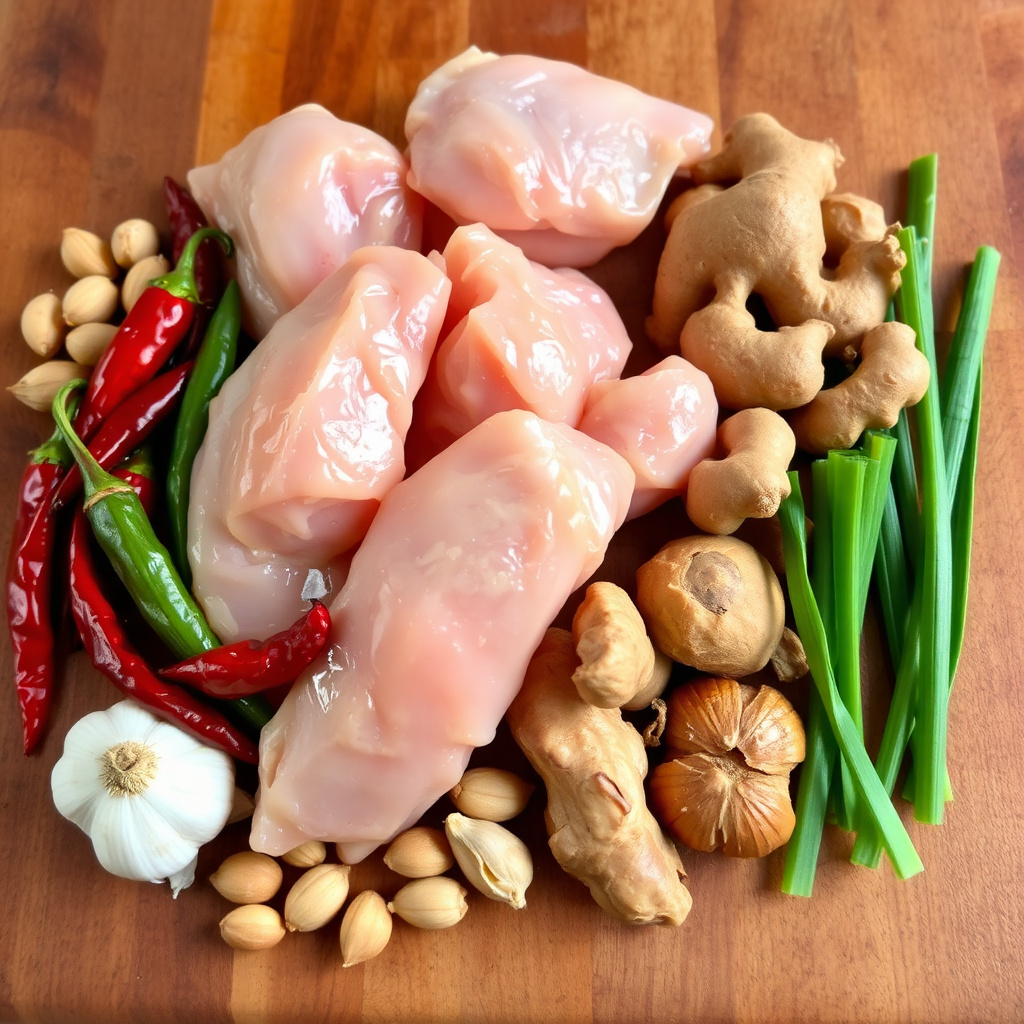
Choosing the Right Chicken
Boneless, skinless chicken breasts or thighs work best for Kung Pao chicken. Thighs offer more flavor and remain juicy after stir-frying due to their higher fat content, while breasts yield a leaner dish. Cutting the chicken into uniform bite-sized cubes ensures even cooking.
Marinating the chicken briefly with soy sauce, cornstarch, and Shaoxing wine (or dry sherry as a substitute) tenderizes the meat and imparts depth of flavor. The cornstarch also creates a light coating that seals juices and fosters caramelization during cooking.
Key Sauce Components
The signature sauce blends soy sauce, dark soy sauce, Chinese black vinegar, sugar, and chicken stock or water. This combination creates the harmony of salty, sour, and sweet notes essential to the dish.
Adding Sichuan peppercorns and dried red chilies in the right proportions provides the distinct numbing heat and fragrance that define Kung Pao chicken. Roasted peanuts contribute nuttiness and crunch, completing the flavor profile.
Preparation and Marination Steps

Properly Marinating Your Chicken
Combine chicken cubes with light soy sauce, Shaoxing wine, a teaspoon of cornstarch, and a pinch of salt to marinate for at least 15 minutes. This step tenderizes the meat and primes it for stir-frying.
Avoid over-marinating because the acidic elements in the sauce can break down the meat fibers excessively, resulting in an unpleasant texture.
Preparing Aromatics and Peanuts
Mince fresh garlic and ginger finely to release maximum aroma when stir-fried. Slice scallions diagonally, separating the white and green parts for different cooking timings.
Use dry roasted peanuts directly or lightly toast raw peanuts in a dry pan until golden to enhance their flavor and crunchiness.
Cooking Techniques for Perfect Kung Pao Chicken

Stir-Frying with High Heat
Kung Pao chicken demands quick cooking over high heat using a wok or a heavy skillet. Preheat the oil until it shimmers before adding the chicken to achieve a light crisp on the surface while preserving juiciness inside.
Keep ingredients moving to prevent burning, especially the dried chilies and garlic which can turn bitter if overcooked.
For more on this, see our related guide: What Is Kung Pao Sauce Made Of? Ingredients and Flavor Breakdown.
Incorporating the Sauce and Final Toss
Once the chicken is cooked through, add the sauce mixture and stir rapidly to coat every piece evenly. The sauce thickens quickly due to the cornstarch, giving the dish a glossy finish.
Finish by tossing in scallion greens and roasted peanuts just before removing the wok from heat to maintain their fresh crunch and vibrant color.
Adjusting Spice Levels and Variations

Controlling Heat with Chilies and Peppercorns
Adjust the amount of dried chili peppers and Sichuan peppercorns to suit your heat tolerance. Reducing chilies makes the dish more approachable, while increasing both adds a fiery, numbing sensation classic to Sichuan cuisine.
For a milder version, remove seeds from the dried chilies or substitute with bell peppers for color and crunch without spice.
Popular Kung Pao Chicken Variations
Some recipes substitute chicken with shrimp or tofu, or add vegetables like bell peppers, zucchini, or water chestnuts. These variations maintain the core flavors while introducing new textures.
Using a homemade sauce versus store-bought options can also impact taste significantly. Fresh-made sauce typically offers brighter, bolder flavors.
Serving Suggestions and Side Dishes

Pairing Kung Pao Chicken with Rice
The classic accompaniment is steamed jasmine or long-grain white rice, which absorbs the sauce and balances the spicy, savory flavors. Fried rice works well too for a heartier meal.
Avoid overly oily sides to keep the palate fresh through the piquant intensity of the dish.
For more on this, see our related guide: What Is Szechuan Chicken? A Flavorful Dive into This Spicy Chinese Dish.
Complementary Side Dishes
Light vegetable stir-fries with bok choy, snap peas, or broccoli add freshness and crunch. A simple cucumber salad with a vinegar dressing can refresh the palate.
Egg drop soup or hot and sour soup provide an excellent contrast to the heat and richness of Kung Pao chicken.
Storing and Reheating Leftovers

Proper Storage Techniques
Kung Pao chicken stores well in an airtight container in the refrigerator for up to three days. Allow the dish to cool before sealing to prevent condensation.
Separating sauce from ingredients before storage can keep textures firmer but isn't essential.
For a detailed background and variations of Kung Pao chicken, you can explore the informative Kung Pao chicken page on Wikipedia. Kung Pao chicken on Wikipedia.
Best Practices for Reheating
Reheat leftovers gently in a skillet over medium heat to restore crisp textures, adding a splash of water or broth if the sauce thickened too much.
Microwaving is quicker but may soften peanuts and reduce the sharpness of the sauce, so stir frequently for even warming.
Kung Pao Chicken Variations Comparison
Here’s a comparison of common Kung Pao chicken variations highlighting main protein types and flavor profiles.
| Variation | Protein | Spice Level | Flavor Notes | Typical Vegetables |
|---|---|---|---|---|
| Classic Kung Pao | Chicken thighs | Medium to high | Savory, spicy, slightly sweet, numbing peppercorn | Scallions, peanuts |
| Mild Kung Pao | Chicken breasts | Low | Mildly sweet with light pepper | Bell peppers, peanuts |
| Shrimp Kung Pao | Shrimp | Medium | Seafood sweetness combined with spicy sauce | Zucchini, scallions |
| Vegetarian Kung Pao | Tofu | Medium | Earthy, spicy, slightly sweet | Bell peppers, water chestnuts |
Frequently Asked Questions
What type of chilies are best for Kung Pao chicken?
Dried red chilies, specifically Chinese facing heaven peppers or similar small, dried varieties, are best for authentic flavor and achieving the classic heat and aroma.
Can I make Kung Pao chicken in advance?
Yes, you can prepare it ahead, but for best texture, keep peanuts separate until just before serving and reheat gently to avoid overcooked chicken.
Is Kung Pao chicken gluten-free?
It depends on ingredients; using gluten-free soy sauce and ensuring no cross-contamination makes Kung Pao chicken gluten-free.
What can I substitute if I don't have Sichuan peppercorns?
You can use a small amount of ground black pepper combined with mild lemon zest, though it won’t replicate the unique numbing sensation exactly.
How spicy is traditional Kung Pao chicken?
Traditional Kung Pao is moderately to highly spicy due to dried chilies and Sichuan peppercorns, but you can adjust these amounts to suit your tolerance.
Key Takeaways
- Use bite-sized chicken thighs marinated with soy sauce and cornstarch for tender meat.
- Balance the sauce’s salty, sweet, sour, and spicy flavors with authentic ingredients.
- Stir-fry quickly over high heat to keep textures contrasting and flavors vibrant.
- Adjust spice by modifying dried chili and Sichuan peppercorn amounts.
Conclusion
Successfully making Kung Pao chicken at home relies on a clear understanding of ingredient roles and proper cooking techniques. The marination tenderizes and flavors the chicken, while the sauce unites savory, sweet, and spicy elements. High heat stir-frying locks in texture and aroma, and balancing peanuts and aromatics prevents any one flavor from dominating. Paying attention to these details helps recreate the dish’s signature boldness and texture contrast, making each bite enjoyable and authentic.
For everyday cooks, starting with the classic Kung Pao chicken using thighs is a reliable choice for richness and moisture. Those seeking milder options can choose chicken breasts and reduce dried chilies accordingly, while adventurous cooks might explore shrimp or tofu variations to diversify meals. Using homemade sauce components rather than pre-made alternatives consistently elevates the flavor and freshness. Selecting side dishes like jasmine rice and light vegetable stir-fries rounds out the meal to create a harmonious dining experience.
If you’re ready to try making Kung Pao chicken, gather quality ingredients, prepare your marinade and sauce ahead, and embrace quick, focused wok cooking. Watch your spice levels carefully to suit your palate and incorporate fresh aromatics at the final stage for lasting fragrance. This methodical approach not only saves time but ensures your dish delivers the renowned punch and zest that define Kung Pao chicken. Enjoy crafting this Sichuan classic tailored perfectly to your taste.


One Comment