How to Make Hot and Sour Soup: A Step-by-Step Guide
To make hot and sour soup, you combine ingredients like mushrooms, tofu, bamboo shoots, vinegar, soy sauce, white pepper, and chili paste with a flavorful broth, all thickened with cornstarch. The balance of heat and tanginess comes from the vinegar and pepper, giving the soup its classic taste right from your kitchen.
This soup is a classic Chinese dish celebrated for its bold contrast of flavors—spicy and tangy—making it a popular choice for warming up on chilly days or as a starter for a multi-course meal. Making hot and sour soup at home lets you control the spice level and customize ingredients according to your preference, whether you want it vegetarian or with meat.
In this article, we'll walk through the essential ingredients to gather, the key steps to prepare the soup perfectly, tips for adjusting flavors, and variations you might enjoy. We’ll also compare different versions of the soup and answer common questions.
Ingredients for Authentic Hot and Sour Soup

Core Vegetables and Proteins
The backbone of traditional hot and sour soup includes wood ear mushrooms, shiitake mushrooms, tofu, and bamboo shoots. Wood ear mushrooms provide a distinctive chewy texture, while shiitake mushrooms add depth of flavor. Tofu brings a soft, protein-rich element, and bamboo shoots contribute a satisfying crunch.
Using fresh or dried mushrooms affects the taste and texture. Dried shiitake mushrooms should be soaked beforehand for best results. Silken or firm tofu both work, but firm tofu holds shape better in the hot broth during cooking.
- Wood ear mushrooms (rehydrated if dried)
- Shiitake mushrooms
- Firm tofu cubes
- Bamboo shoots
Flavorings and Broth Base
The soup’s signature hot and sour notes come primarily from black vinegar and white pepper, with an optional chili paste or fresh chili for heat. Soy sauce enhances savoriness, while chicken or vegetable broth serves as the base. Cornstarch slurry adds a smooth thickness to the liquid.
Balancing these ingredients is key: too much vinegar can overpower the palate, and excess chili can mask other flavors. Starting with measured amounts and adjusting as you cook is a practical approach.
- Black vinegar
- Soy sauce
- White pepper
- Chicken or vegetable broth
- Chili paste or fresh chili
- Cornstarch slurry
Step-by-Step Preparation
Preparing Ingredients
Begin by soaking dried mushrooms in warm water until they soften, usually about 20-30 minutes. Drain and slice thinly. Cut bamboo shoots into thin matchsticks and cube the tofu into bite-sized pieces. Mince garlic and ginger finely to release their aromatic flavors when cooked.
Having all ingredients prepped beforehand streamlines the cooking process since the actual cooking itself goes quickly. Measure all liquids and have spices ready to add in sequence.
- Soak and slice mushrooms
- Cut bamboo shoots and tofu
- Mince garlic and ginger
For more on this, see our related guide: How to Make Lo Mein: A Simple Guide to Authentic Chinese Noodles.
Cooking and Thickening the Soup
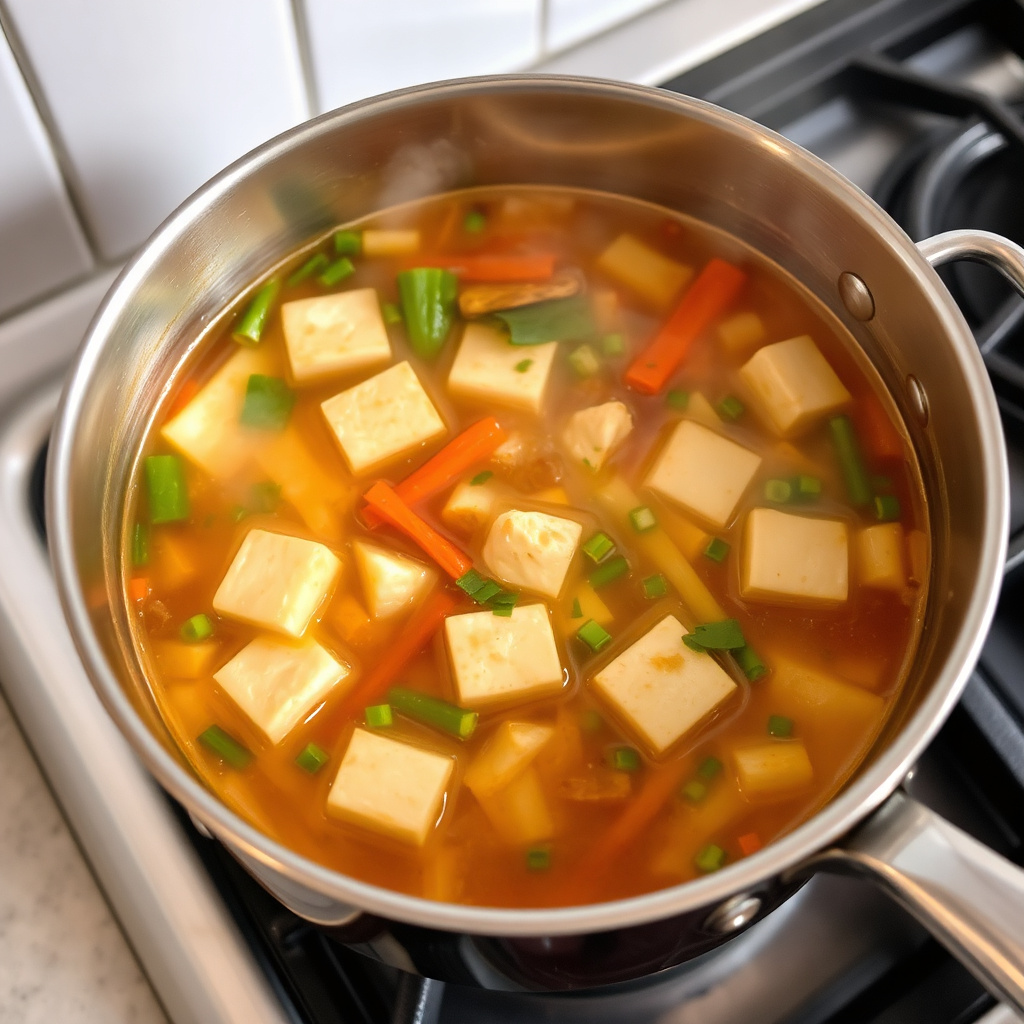
Start by sautéing garlic and ginger briefly in a bit of oil to bring out their aromas. Add the broth and bring it to a boil. Incorporate mushrooms and bamboo shoots, letting them cook until tender.
Mix cornstarch with cold water to form a slurry, then slowly stir this into the boiling soup to thicken it. Finally, add tofu, vinegar, soy sauce, white pepper, and chili paste. Simmer the soup briefly before serving, tasting and adjusting seasonings as needed.
- Sauté garlic and ginger
- Add broth and boil
- Cook mushrooms and bamboo shoots
- Add cornstarch slurry to thicken
- Incorporate tofu and seasonings
Adjusting Flavor and Spice Levels

Balancing Sourness and Heat
The hot and sour soup's appeal lies in its balanced flavors, but personal taste preferences vary widely. To modulate sourness, add black vinegar gradually and taste frequently. For milder sourness, try using less vinegar or a lighter variety like rice vinegar.
Heat level is mostly influenced by the choice and quantity of chili paste or fresh chilies. Removing seeds reduces heat, and adding more chili increases spiciness. White pepper also adds subtle warmth without dominating the flavor.
- Add vinegar in small increments
- Adjust chili type and amount
- Use white pepper for gentle heat
Enhancing Umami and Texture
Umami flavors deepen by adding a splash of soy sauce or a small amount of mushroom powder if desired. Some cooks add a dash of sesame oil right before serving for a fragrant finish.
Texture can be varied by including crunchy ingredients like julienned carrots or water chestnuts. Ensuring tofu is neither overcooked nor too firm contributes a pleasant mouthfeel.
- Use soy sauce or mushroom powder
- Add sesame oil for aroma
- Include crunchy vegetables
Variations of Hot and Sour Soup Across Cultures
Szechuan Style vs Cantonese Style
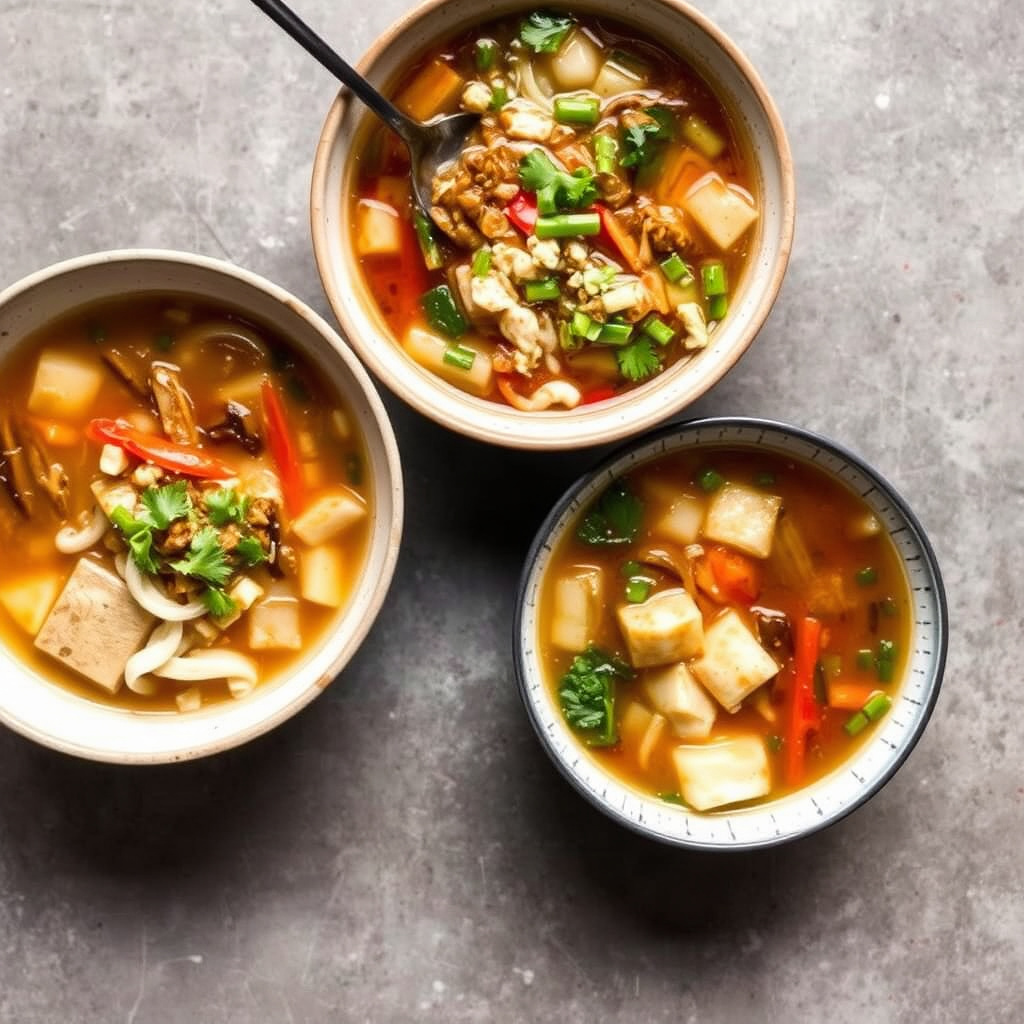
Szechuan hot and sour soup often features a spicier profile with the addition of Szechuan peppercorns, giving a unique numbing sensation alongside the heat. It tends to have darker soy sauce and a richer broth base.
In contrast, Cantonese hot and sour soup uses a lighter broth focusing more on the vinegar’s tang and a balanced heat. This version is usually subtler and sometimes includes seafood or different vegetables.
- Szechuan style: spicier, with peppercorns
- Cantonese style: lighter broth, milder heat
For more on this, see our related guide: How to Make Kung Pao Chicken: A Step-by-Step Guide to the Classic Sichuan Dish.
Vegetarian and Meat-Based Variants
Vegetarian versions replace chicken broth with vegetable stock and omit meat, relying on tofu and mushrooms for protein. These versions are popular in vegetarian diets while keeping the classic flavor profile intact.
Meat-based versions incorporate shredded pork, chicken, or shrimp to add heartiness. These proteins change the texture and add savory depth but require careful cooking to keep the broth clear.
- Vegetarian uses vegetable broth and tofu
- Meat-based includes chicken, pork, or shrimp
Serving Suggestions and Storage Tips

How to Serve Hot and Sour Soup
Serve hot and sour soup immediately when freshly cooked for the best texture and temperature. It pairs well with steamed rice, fried rice, or light appetizers like spring rolls to make a complete meal.
Garnishing with chopped scallions, fresh cilantro, or even a drizzle of chili oil can enhance presentation and flavor. Serving in small bowls works well since the soup is rich and filling.
- Serve hot immediately
- Pair with rice or appetizers
- Garnish with scallions or cilantro
For additional history and details about hot and sour soup, visit the Hot and sour soup on Wikipedia. Hot and sour soup on Wikipedia.
Storage and Reheating
You can store leftover hot and sour soup in an airtight container in the refrigerator for up to three days. The texture of tofu may change slightly but should still be enjoyable.
When reheating, warm gently on the stovetop without boiling to prevent tofu from breaking up extensively. If the soup thickens too much, add a splash of broth or water to restore consistency.
- Refrigerate leftovers up to 3 days
- Reheat gently on stovetop
- Add broth if too thick after reheating
Hot and Sour Soup Recipe Category Comparison
Here is a comparison of popular hot and sour soup variations, highlighting their base ingredients, heat levels, and typical protein sources.
| Category | Broth Base | Heat Level | Protein | Texture Features |
|---|---|---|---|---|
| Traditional Szechuan | Chicken broth with Szechuan peppercorns | High | Pork or chicken | Chewy mushrooms, thickened with cornstarch |
| Cantonese Style | Light chicken broth | Medium | Seafood or tofu | Tender vegetables, balanced thickness |
| Vegetarian | Vegetable broth | Mild to medium | Tofu and mushrooms | Soft tofu, crunchy bamboo shoots |
| Quick Store-Bought Adaptation | Pre-made broth and bottled sauces | Variable | Often tofu | Softer texture, sometimes watery |
| Homemade Gourmet | Homemade broth from scratch | Customizable | Mixed seafood or meats | Rich texture with fresh ingredients |
Frequently Asked Questions
Can I make hot and sour soup vegetarian?
Yes, you can use vegetable broth instead of meat-based broth and substitute tofu and mushrooms for protein. This keeps the authentic flavor while making it suitable for vegetarians.
What ingredient makes hot and sour soup spicy?
The spiciness generally comes from chili paste or fresh chilies and white pepper. Some recipes also include Szechuan peppercorns for a numbing heat.
How do you thicken hot and sour soup?
Cornstarch mixed with cold water (a slurry) is stirred into the boiling soup to thicken it to the traditional smooth consistency.
Is black vinegar essential for hot and sour soup?
Black vinegar is key to the sour flavor in hot and sour soup. If unavailable, you can use a mild substitute like rice vinegar, but the flavor will be less intense.
Can hot and sour soup be made ahead of time?
Yes, but tofu texture may soften after refrigeration. Reheat gently on the stove adding broth if needed to restore consistency.
Key Takeaways
- Hot and sour soup balances spicy and tangy flavors with mushrooms, tofu, and bamboo shoots.
- Black vinegar and white pepper are critical for achieving authentic taste.
- Cornstarch slurry thickens the soup to a smooth, satisfying texture.
- Variations exist from spicier Szechuan to milder Cantonese and vegetarian versions.
Conclusion
Making hot and sour soup at home is a rewarding culinary project because it allows you to create a harmonious blend of tangy, spicy, and savory flavors to suit your preferences. By selecting quality ingredients like fresh mushrooms and firm tofu, and mastering the balance of black vinegar and white pepper, home cooks can replicate this classic Chinese favorite with ease. Monitoring the soup’s texture with careful addition of cornstarch slurry is just as important as seasoning. This approach gives you great control over final taste and mouthfeel.
If you prefer spicy dishes, trying a Szechuan hot and sour soup with added Szechuan peppercorns can offer a bold numbing heat. For those wanting a lighter flavor, Cantonese-style or vegetarian recipes substitute broth and protein types accordingly without sacrificing appeal. Quick adaptations using bottled sauces provide a convenient option, though fresh ingredients always elevate the dish. Assess your taste preference and ingredients on hand to decide which category fits your needs best.
As a next step, gather your chosen ingredients and start with the foundational recipe outlined here. Taste as you go, adjusting vinegar, chili, and seasoning to your liking. This stepwise attention will build confidence and help you customize the soup perfectly. Whether serving as an appetizer or a comforting meal on its own, hot and sour soup made from scratch delivers warmth and flavor that’s worth the effort.



2 Comments