Is Soy Sauce Gluten Free? What You Need to Know Before Buying
Soy sauce is traditionally made from fermented soybeans and wheat, so most regular soy sauces are not gluten free. However, there are specific gluten-free soy sauce varieties crafted without wheat, making them safe for those with gluten intolerances or celiac disease. Checking labels and understanding ingredients helps you select the right soy sauce that fits a gluten-free diet.
This matters because gluten can trigger severe reactions in people with gluten sensitivities or celiac disease. Using a soy sauce containing wheat unknowingly can disrupt strict gluten avoidance. Fortunately, many brands now produce gluten-free soy sauce alternatives that taste very similar to regular soy sauce, offering a suitable substitute in cooking and seasoning.
This article will explore how soy sauce is made, what makes traditional versions contain gluten, and which soy sauces are gluten free by design. It will also guide you through different types of gluten-free soy sauce options and how to read labels effectively. Additionally, we'll compare popular soy sauce categories and answer common questions about gluten concerns.
Understanding Soy Sauce Ingredients and Gluten Content

Traditional Soy Sauce and Gluten Sources
Most soy sauces are brewed using a mixture of soybeans and roasted wheat, which ferments over several months. The wheat serves as a carbohydrate source for fermentation and contributes to the flavor profile. Because wheat contains gluten, traditional soy sauce naturally contains gluten proteins. This makes it unsuitable for those strictly avoiding gluten.
Even small amounts of wheat-derived gluten in soy sauce can cause adverse reactions in sensitive individuals. Regular soy sauce typically has about 5-10 parts per million of gluten, which exceeds the safe limits for many with celiac disease or gluten intolerance.
How Gluten-Free Soy Sauces Are Made
Gluten-free soy sauces replace wheat with alternative carbohydrates like rice or completely omit any gluten-containing grains. They undergo fermentation or enzymatic processes that do not introduce gluten. Some versions also use hydrolyzed soy protein instead of wheat to replicate the flavor while keeping gluten out.
Manufacturers must follow stringent gluten-free standards, often certified by third-party agencies. This guarantees that soy sauce labeled gluten free contains less than 20 parts per million of gluten, the FDA threshold for gluten-free labeling.
Types of Gluten-Free Soy Sauce Options

Tamari: The Naturally Gluten-Free Alternative
Tamari is a Japanese soy sauce variant traditionally made with little to no wheat, often naturally gluten free. Its taste is richer and less salty compared to many regular soy sauces. Authentic tamari fermented without wheat makes it an excellent gluten-free soy sauce substitute.
However, some tamari brands may include traces of wheat or be blended, so checking the label is essential. Brands certified gluten free give the most reliable assurance for those avoiding gluten.
- Typically wheat-free or contains very little wheat
- Darker and less salty taste profile
- Widely available gluten-free tamari brands
Other Gluten-Free Soy Sauce Varieties
Besides tamari, there are specially formulated soy sauces made from rice or other grains that exclude gluten entirely. These soy sauce alternatives replicate the umami flavor with enzymatic hydrolysis of soy without the fermentation involving wheat.
Some brands market soy sauces labeled gluten free that use certified gluten-free ingredients, appealing to consumers needing guaranteed gluten absence but wanting traditional soy sauce taste.
- Rice-based soy sauces
- Hydrolyzed soy protein sauces
- Certified gluten-free labeled options
Reading Labels and Certifications for Gluten-Free Soy Sauce
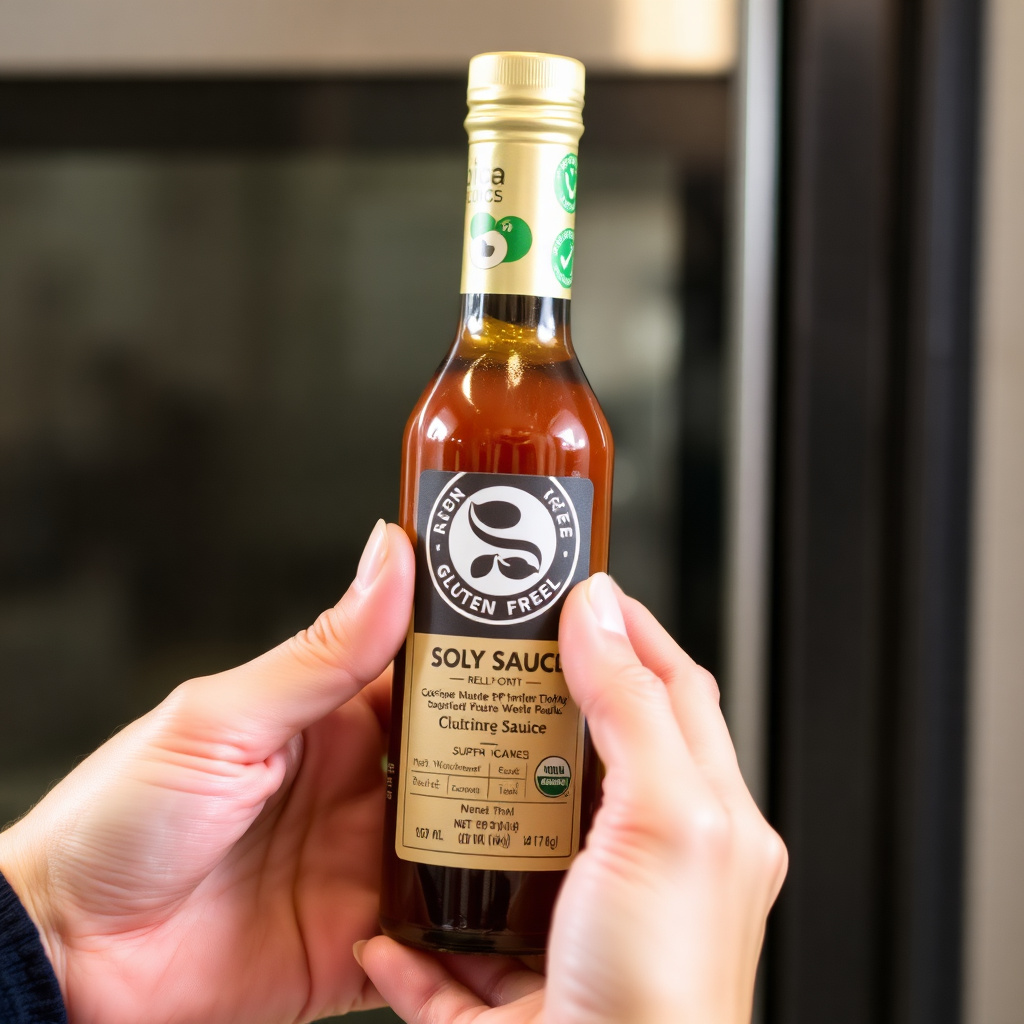
What to Look For on Packaging
To identify gluten-free soy sauce, look for explicit gluten-free claims or third-party certifications such as the Gluten-Free Certification Organization (GFCO) or USDA gluten-free seal. These certifications verify less than 20 ppm gluten presence.
Ingredient lists are important too—avoid soy sauces listing wheat, barley, or malt. Some manufacturers specify if the soy sauce is made without wheat or processed to remove gluten.
- Gluten-free labels or certification logos
- No wheat, barley, or malt in ingredients
- Avoid ambiguous terms like "natural" without certification
For more on this, see our related guide: Is Chinese Food Gluten Free? Understanding Gluten in Chinese Cuisine.
Cross-Contamination Considerations
Even gluten-free soy sauces can be cross-contaminated if produced on shared equipment. Checking for allergen statements or contacting brands directly can clarify manufacturing practices.
Consumers who are highly sensitive should choose soy sauces from manufacturers with dedicated gluten-free facilities to avoid risk.
- Check for allergen advisory warnings
- Contact manufacturer for details if needed
- Choose dedicated gluten-free products for safety
Cooking and Using Gluten-Free Soy Sauce

Flavor Differences to Expect
Gluten-free soy sauces, especially tamari, often have a richer and less sharp flavor compared to regular soy sauce. This can subtly change the taste of dishes but often enhances umami notes without the bitter aftertaste some encounter with wheat-based soy sauce.
When substituting gluten-free soy sauce in recipes, the intensity might differ so adjusting quantity slightly can balance flavors in marinades, dips, or stir-fries.
Best Uses for Gluten-Free Soy Sauce
Gluten-free soy sauces are versatile for seasoning, marinades, salad dressings, and dipping sauces where gluten exposure is a concern. They work well in Asian cuisines and fusion dishes, preserving authentic tastes without wheat contamination.
Many chefs prefer tamari for finishing dishes due to its full-bodied flavor, while rice-based gluten-free soy sauces may be better for subtle seasoning.
Popular Gluten-Free Soy Sauce Brands to Consider

Mainstream Gluten-Free Brands
Brands like Kikkoman offer certified gluten-free tamari soy sauce widely available in supermarkets. These provide a reliable balance of flavor and safety for gluten-sensitive consumers.
Other mainstream brands also produce gluten-free soy sauce variants to meet rising demand for allergy-friendly products.
- Kikkoman Gluten-Free Tamari
- San-J Tamari Gluten Free Soy Sauce
- Eden Foods Tamari Soy Sauce
For more on this, see our related guide: Is Sushi Gluten Free? What You Need to Know Before Ordering.
Specialty and Organic Gluten-Free Options
Organic gluten-free soy sauces are also available, often made with natural fermentation and sourced GMO-free ingredients. Brands focusing on organic and allergen-friendly products cater to consumers prioritizing clean labels in addition to gluten-free status.
Specialty brands sometimes offer unique flavors and artisanal processes that enhance umami while ensuring gluten safety.
- Ohsawa Organic Gluten-Free Tamari
- Shoda Organic Tamari Soy Sauce
- Eden Organic Shoyu Tamari
Health Impacts of Gluten-Free Soy Sauce

Suitability for Gluten Intolerant and Celiac Individuals
For those with gluten intolerance or celiac disease, switching to gluten-free soy sauce prevents symptoms such as digestive distress, fatigue, and inflammation triggered by gluten consumption. It allows enjoying traditional flavors without health risks.
Certified gluten-free sauces comply with safety thresholds, providing peace of mind against accidental gluten exposure.
For more detailed information on soy sauce types and production methods, see the soy sauce article on Wikipedia. soy sauce on Wikipedia.
Nutritional Considerations
Gluten-free soy sauces generally have similar sodium content to regular soy sauce, so consumption should be moderate to control salt intake. Some specialty organic options may offer reduced sodium varieties.
Apart from sodium, these sauces provide negligible calories but contribute beneficial amino acids and umami flavor which may help reduce overall salt use in recipes.
- Watch sodium levels
- Look for reduced sodium options if needed
- Provides umami flavor with minimal calories
Soy Sauce Types Comparison for Gluten-Free Cooking
This table compares common soy sauce categories by gluten content, flavor, and typical uses to help you find the best gluten-free option.
| Soy Sauce Type | Gluten Content | Taste Profile | Best Uses |
|---|---|---|---|
| Traditional Soy Sauce | Contains gluten (wheat-based) | Salty, sharp umami | General cooking, marinades (not gluten free) |
| Tamari (Gluten-Free Certified) | Less than 20 ppm gluten | Rich, smooth umami | Gluten-free cooking, dipping sauces |
| Rice-Based Gluten-Free Soy Sauce | Gluten free | Mild umami, slightly sweet | Light seasoning, dressings |
| Hydrolyzed Soy Protein Sauce | Gluten free | Strong umami, salty | Flavor enhancer, soups |
Frequently Asked Questions
Can I use traditional soy sauce if I am gluten intolerant?
Traditional soy sauce contains wheat and gluten, which can cause adverse reactions for gluten intolerant individuals. It is best to avoid it and use certified gluten-free soy sauce options instead.
Is tamari always gluten free?
Not all tamari is gluten free. While many tamari sauces are made without wheat, some contain small amounts. Always check the label or look for gluten-free certification.
How can I tell if a soy sauce is gluten free at the store?
Look for explicit gluten-free labels or certification symbols on the packaging. Reading the ingredients list for wheat, barley, or malt is also essential to confirm it is gluten free.
Does gluten-free soy sauce taste different from regular soy sauce?
Gluten-free soy sauces, like tamari, often taste richer and less sharp. Rice-based gluten-free sauces may be milder. Adjusting quantities in recipes can help balance flavors.
Are gluten-free soy sauces safe for people with celiac disease?
Yes, certified gluten-free soy sauces with less than 20 ppm gluten are safe for those with celiac disease if consumed as directed and cross-contamination risks are minimized.
Key Takeaways
- Most traditional soy sauces contain gluten due to wheat-based fermentation.
- Gluten-free soy sauces like tamari or rice-based alternatives provide safe options.
- Look for gluten-free certification and no wheat on labels to ensure safety.
- Gluten-free soy sauce can subtly change dish flavor but works well in many recipes.
Conclusion
The decision to choose a gluten-free soy sauce hinges on understanding ingredient origins and trusting reliable labeling. For individuals avoiding gluten, knowing that most traditional soy sauces contain wheat is central to their choice. Testing products like tamari or other certified gluten-free varieties allows safe enjoyment of soy sauce flavors without gluten exposure. Reading packaging carefully and identifying gluten-free certifications ensures dietary compliance while cooking and eating familiar Asian dishes.
If you prefer richer, bolder flavors, tamari is an excellent gluten-free option and widely available in trusted brands such as Kikkoman and San-J. For lighter seasoning or milder tastes, rice-based gluten-free soy sauces work well in delicate dishes or dressings. Specialized organic gluten-free tamaris further appeal to those prioritizing natural ingredients. Adjusting recipe amounts may be necessary to balance the flavor differences between gluten-containing and gluten-free soy sauces based on your palate.
Ultimately, your next step should be to try a few gluten-free soy sauce brands to identify your favorite for everyday use. Incorporate these into your cooking gradually while monitoring taste and performance in standard recipes. With increasing availability and clearer gluten-free labeling, finding safe soy sauce alternatives is very manageable, letting you maintain flavorful meals while respecting your dietary needs.