How to Order at a Chinese Restaurant: A Simple Guide for First-Timers
Ordering at a Chinese restaurant can be straightforward when you know the basics. Start by deciding if you want dim sum, noodle dishes, rice plates, or appetizers. Look for popular dishes like Kung Pao chicken or dumplings to get a good sense of the cuisine. You’ll also want to think about how many people you’re dining with, since Chinese meals are typically shared family-style.
Chinese dining culture often involves ordering a variety of dishes to share, which means you don’t have to choose just one item. This approach makes the experience social and allows you to sample several flavors and textures. Understanding the menu’s structure — such as sections for soups, appetizers, main courses, and sides — will help you make thoughtful choices.
This article will cover the key steps to ordering smoothly, explain common menu categories, share tips for communicating with the staff, and highlight some popular dishes to try. Whether you’re at a casual spot or a more formal setting, these pointers will help you enjoy a great meal and feel confident navigating the menu.
Understanding the Structure of a Chinese Food Menu

Common Menu Categories
Chinese menus usually divide dishes into sections such as appetizers, soups, noodles, rice dishes, meat, seafood, and vegetable options. This categorization helps you plan a balanced meal that includes several different flavors and textures.
Some menus have a separate dim sum section with small steamed or fried items. Other menus may highlight chef's specials or regional specialties that can add variety to your meal.
- Appetizers and starters
- Soups and broths
- Noodle dishes
- Rice-based dishes
- Meat and poultry options
- Seafood plates
- Vegetable dishes and sides
- Dim sum selections
Popular Dish Types to Consider
Staples like fried rice and chow mein are common on most menus and offer a safe way to explore. Dumplings, spring rolls, and hot and sour soup are frequent appetizers that introduce classic flavors.
Main dishes often feature stir-fried vegetables with meats or tofu, sweet and sour choices, or dishes cooked in black bean sauce or garlic sauce. Understanding these will make it easier to order the dishes you want.
- Dumplings and Dim Sum
- Fried rice and noodle dishes
- Sweet and sour dishes
- Stir-fried meats and vegetables
- Soups like hot and sour or wonton
How to Order Family-Style Like a Local

Sharing Dishes Instead of Individual Plates
In traditional Chinese dining, orders are placed to be shared among the table rather than individual servings. This means ordering several dishes of different types to enjoy a variety of tastes and textures together.
Plan to order a mix of appetizer-style dishes, a noodle or rice base, several main plates with meat or seafood, and vegetable dishes. This adds diversity and balance to the meal.
- Order multiple dishes for sharing
- Include rice or noodles as staples
- Balance meat, vegetable, and soup dishes
- Adjust quantities based on group size
Estimating How Much to Order
A good rule of thumb is to plan about two to three dishes per person, plus a shared rice or noodle dish. Smaller groups might need fewer dishes, while larger groups usually benefit from a wider range of options.
Ask the server for advice if you’re unsure — they are usually happy to recommend appropriate quantities and combinations.
- Around 2-3 dishes per person
- Include at least one rice or noodle dish
- Consult staff for quantity advice
- Consider appetites and preferences of diners
Communicating Effectively with Restaurant Staff

Asking for Recommendations
Staff members are generally familiar with the menu and can help direct you to popular or signature dishes. Don’t hesitate to ask about spice levels, ingredients, or cooking methods to suit your tastes.
You can also inquire if certain dishes contain allergens or ingredients you want to avoid, ensuring a safe dining experience.
- Request spice level guidance
- Ask for popular dish suggestions
- Clarify allergens and ingredients
- Be polite and patient
For more on this, see our related guide: How to Make Lo Mein: A Simple Guide to Authentic Chinese Noodles.
Special Requests and Dietary Needs
Many Chinese restaurants are willing to accommodate dietary restrictions such as vegetarian preferences, gluten-free needs, or mild spice. Let the server know your needs clearly before ordering to see what they can offer.
Sometimes dishes can be customized by omitting ingredients or adjusting sauces, but this depends on the restaurant’s flexibility.
- Specify vegetarian or vegan needs
- Request milder or spicier preparation
- Ask about gluten-free options
- Check ability to customize dishes
Navigating Common Chinese Restaurant Ordering Styles

Ordering From À La Carte Menus
À la carte ordering lets you choose individual dishes rather than set meals. This approach provides flexibility to mix different styles, textures, and flavors tailored to the group’s preferences.
It’s best for diners who want to sample multiple items or who have specific dish preferences.
- Choose dishes individually
- Mix and match appetizers and mains
- Best for flexible meal planning
- Allows sampling variety
Choosing Set Menus or Combination Platters
Many Chinese restaurants offer set menus or combination platters, often recommended for newcomers. These usually include appetizers, mains, side dishes, and sometimes dessert, designed to give a balanced taste experience.
Set menus can be cost-effective and reduce decision fatigue while letting you try traditional favorites.
- Fixed courses with multiple dishes
- Good for groups or first-timers
- Includes appetizer, mains, sides
- Often more budget-friendly
Using Chopsticks and Etiquette When Dining
Basic Chopstick Usage Tips
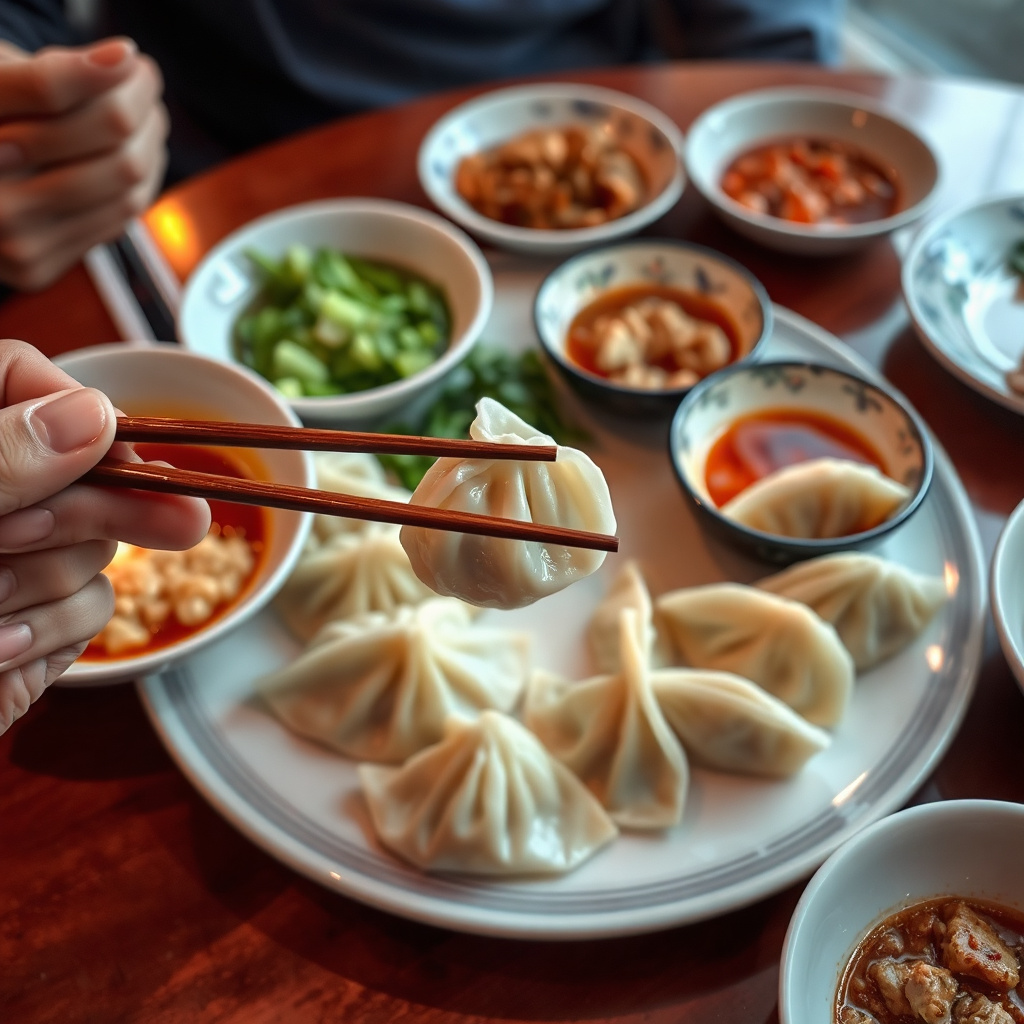
If you’re new to chopsticks, hold them near the top and use your fingers to grasp food gently. Practice with easy-to-pick-up items like dumplings or pieces of vegetables before tackling slippery dishes.
Don’t stab food or leave chopsticks upright in a bowl, as these are considered impolite or unlucky gestures in Chinese culture.
- Hold chopsticks near the top
- Pick food gently without stabbing
- Avoid leaving chopsticks upright
- Practice with firm foods first
For more on this, see our related guide: What is Egg Foo Young? A Complete Guide to This Classic Chinese Omelette.
Dining Manners to Show Respect
Chinese dining etiquette includes polite behaviors like waiting for the eldest at the table to start eating, serving others before yourself, and accepting dishes graciously. These practices foster good relations and show appreciation.
Being mindful of these customs will enhance your dining experience and show respect to your hosts or meal companions.
- Wait for elders to begin eating
- Serve others before yourself
- Accept dishes politely
- Avoid loud chewing or slurping
Popular Chinese Dishes to Try When Ordering

Classic Appetizers and Starters
Dumplings, spring rolls, and hot and sour soup are staple starters that introduce traditional flavors and textures. They’re widely available and usually safe bets if you’re uncertain about your preferences.
These appetizers are excellent for sharing and prepare your palate for the main courses that follow.
- Steamed or fried dumplings
- Spring rolls with vegetables or meat
- Hot and sour soup
- Wonton soup
For a deeper understanding of the variety and history of Chinese food, consider reading this detailed Chinese cuisine overview. Chinese cuisine overview.
Main Courses Everyone Loves
Signature dishes such as General Tso’s chicken or Kung Pao chicken offer familiar sweet, spicy, and savory profiles. Stir-fried beef with broccoli and mapo tofu are hearty options that provide bold flavors.
Including a vegetable stir-fry and fried rice rounds out the meal nicely, offering variety and balance.
- General Tso’s chicken
- Kung Pao chicken
- Beef with broccoli
- Mapo tofu
- Fried rice
Chinese Restaurant Ordering Styles Comparison
This table compares popular ordering methods to help you decide what suits your dining occasion and preferences best.
| Ordering Style | Flexibility | Cost | Ideal For | Ease of Choice |
|---|---|---|---|---|
| À La Carte | High | Medium to High | Diners wanting variety and control | Requires menu knowledge |
| Set Menus | Low | Often Lower | Groups and inexperienced diners | Simple, fewer decisions |
| Dim Sum | Medium | Varies | Small groups and sharing lovers | Needs understanding of small plates |
| Family-Style Sharing | High | Variable | Groups and social meals | Moderate, needs planning |
Frequently Asked Questions
What should I say if I have allergies when ordering?
Inform your server clearly about any food allergies before ordering. They can guide you to safe options or help customize dishes to avoid allergens.
Is it okay to ask for a to-go box to take leftovers home?
Yes, most Chinese restaurants are happy to provide containers for leftovers, which is common given the shareable portions.
How spicy are typical Chinese dishes?
Spice levels vary widely by dish and region. You can usually request mild, medium, or spicy versions to match your preference.
Should I use chopsticks or ask for a fork?
Chopsticks are traditional but staff can provide forks or spoons if you prefer. Using chopsticks can enhance the authentic experience.
What is the best way to try a variety of dishes without ordering too much?
Ordering dishes family-style to share allows you to sample multiple items without excess. Consult the server for quantity guidance.
Key Takeaways
- Chinese meals are often shared family-style, so plan multiple dishes for the table.
- Menus commonly include appetizers, soups, noodle, rice, meat, seafood, and vegetable sections.
- Ask staff for dish recommendations and clarify any dietary needs.
- Try classic dishes like dumplings, Kung Pao chicken, and fried rice for a balanced meal.
Conclusion
Ordering at a Chinese restaurant is simpler when you understand the way menus are structured and the cultural practice of sharing dishes. Taking a flexible approach, considering group size, and selecting a mix of appetizers, mains, and staple rice or noodles creates an enjoyable, balanced experience. Communicating openly with the staff enhances your meal planning and ensures your needs are met with friendly guidance.
For casual diners, an à la carte approach lets you pick exactly what appeals to your palate, whereas set menus or combination platters can ease decision-making for first-timers or larger groups. Family-style ordering is ideal for social meals and fosters sharing, while dim sum provides a fun way to sample many small dishes. Whatever your choice, including classics like dumplings, hot and sour soup, and Kung Pao chicken reliably delights most tastes.
When you’re ready to order, start by scanning the menu for recognizable dishes and don’t hesitate to ask for help with unfamiliar terms or spice levels. Embrace the social element by sharing your food, and try sitting down with chopsticks to make the experience more authentic. This guide helps you approach Chinese restaurant ordering with confidence, so you can enjoy vibrant flavors and a memorable meal every time.



One Comment