How Much Protein in Sashimi: A Detailed Nutritional Guide
Sashimi is known for being a high-protein, low-calorie food, containing roughly 20 to 25 grams of protein per 100 grams depending on the type of fish used. For example, salmon sashimi generally has around 22 grams of protein per 100 grams, while tuna can have slightly more, about 23 to 25 grams. This makes sashimi an excellent choice for those seeking lean protein sources.
Protein is an essential macronutrient for muscle building and repair, and sashimi provides it without the added fats and carbohydrates found in many other protein-rich foods. It's especially popular among people following low-carb or paleo diets. Knowing the exact protein content helps consumers make informed dietary choices, especially if they use sashimi as a main protein source.
In this article, you’ll find information on the protein levels by common sashimi types, insights into nutritional variations, tips on consuming sashimi safely, and comparisons to other protein sources. This will help you understand sashimi’s place in a balanced diet.
Protein Content in Popular Types of Sashimi

Protein in Salmon and Tuna Sashimi
Salmon sashimi typically contains about 20 to 22 grams of protein per 100 grams. It is also rich in omega-3 fatty acids and vitamin D. Tuna sashimi tends to have a slightly higher protein content, roughly 23 to 25 grams per 100 grams, making it one of the best options for pure protein intake.
Differences in protein content can arise from the species and the fish's diet. Wild-caught fish may have marginally different protein levels compared to farmed varieties due to their differing activity levels and nutrition.
- Salmon sashimi: ~22g protein/100g
- Tuna sashimi: ~23-25g protein/100g
- Wild vs. farmed protein variation
Protein in Other Common Sashimi Types
Yellowtail (hamachi) sashimi offers around 20 grams of protein per 100 grams. Octopus and squid sashimi have less protein comparatively, closer to 15 to 16 grams per 100 grams, but they remain lean options with low fat content.
Shellfish varieties are generally lower in protein but make up for it with distinct flavors and texture. Understanding these differences can help you pick sashimi types suited for your protein needs.
- Yellowtail sashimi: ~20g protein/100g
- Octopus/squid sashimi: ~15-16g protein/100g
Factors Affecting Protein Levels in Sashimi

Freshness and Preparation Impact
The freshness of the fish influences not only taste but also nutritional quality. Fresher sashimi retains more of its inherent protein and nutrients. Improper storage or prolonged exposure to heat and air can degrade protein quality.
How sashimi is sliced and served doesn't change protein content but can affect portion sizes, indirectly influencing protein intake per serving.
- Fresher fish means better protein quality
- Storage and handling impact nutritional value
- Slice thickness affects portion size
Wild-Caught vs. Farmed Fish Protein Differences
Wild-caught fish often have leaner muscle composition due to their higher activity levels, sometimes resulting in marginally higher protein density. Farmed fish can have a higher fat content which may slightly lower the protein concentration per 100 grams.
Consumer preferences toward wild or farmed fish affect both taste and nutritional profiles, so selecting sashimi should consider these factors alongside protein content.
- Wild fish: leaner, possibly higher protein density
- Farmed fish: higher fat, possibly lower protein per 100g
How Sashimi Fits into a Balanced Protein Diet

Combining Sashimi with Other Protein Sources
While sashimi is a great lean source of complete protein, it's beneficial to balance it with plant-based proteins, legumes, and whole grains for a varied amino acid profile. This helps ensure all essential amino acids are consumed adequately.
People who consume sashimi regularly often pair it with miso soup, seaweed salad, or edamame, adding fiber and complementary nutrients to their meals.
- Add legumes, grains for amino acid variety
- Incorporate fiber-rich sides
- Balance with plant proteins
For more on this, see our related guide: How Many Calories Are in Sashimi? A Clear Guide to Its Nutritional Content.
Sashimi Protein Compared to Other Seafood
Compared to cooked seafood like grilled fish or shrimp, sashimi generally offers similar or slightly higher protein content per serving because it is uncooked and retains more natural moisture and protein structure.
This makes sashimi a preferred choice for those seeking a fresh, nutrient-dense protein without added cooking fats or carbohydrates.
- Uncooked sashimi retains protein effectively
- Cooked seafood protein varies by preparation
- Sashimi is nutrient-dense and low in calories
Safety and Nutritional Quality Concerns

Risks of Parasites and Foodborne Illness
Eating raw fish like sashimi carries a small risk of parasites and bacterial contamination. Consuming sashimi from reputable sources that freeze fish to kill parasites significantly reduces these risks.
Pregnant individuals, immunocompromised people, and young children should avoid raw fish or consult healthcare providers before consumption.
- Risk minimized by freezing fish before serving
- Always buy sashimi-grade fish from trusted vendors
- Higher risk groups should avoid raw fish
Maintaining Nutritional Integrity
Proper refrigeration and preparation help maintain sashimi's nutritional value. Exposure to oxygen or prolonged storage can reduce vitamin content and degrade protein quality.
Eating sashimi soon after preparation ensures the best taste, texture, and nutrition.
- Refrigerate sashimi properly before serving
- Consume sashimi fresh for optimal nutrients
- Avoid cross-contamination during preparation
How to Estimate Protein Intake from Sashimi Serving Sizes

Calculating Protein from Individual Pieces
A standard sashimi slice usually weighs between 15 and 25 grams. Estimating at about 20 grams per slice, each piece typically contains around 4 to 5 grams of protein depending on the fish type.
By counting pieces consumed, it's easy to gauge total protein intake over a meal, useful for diet tracking.
- Average slice: 20g weight
- Approx. protein per slice: 4-5g
- Track protein by counting slices eaten
For more on this, see our related guide: How Many Calories Are in Seaweed Salad? A Nutritional Breakdown.
Serving Size Recommendations for Protein Needs
For those aiming to meet daily protein targets, around 100 to 150 grams of sashimi can supply 20 to 35 grams of protein, covering a substantial meal portion.
Combining sashimi servings with other nutrient-rich foods provides balanced meals without excess calories.
- 100g sashimi = ~20-25g protein
- 150g sashimi = ~30-37g protein
- Balance sashimi with vegetables and grains
Nutritional Comparison: Sashimi vs. Other Protein Sources
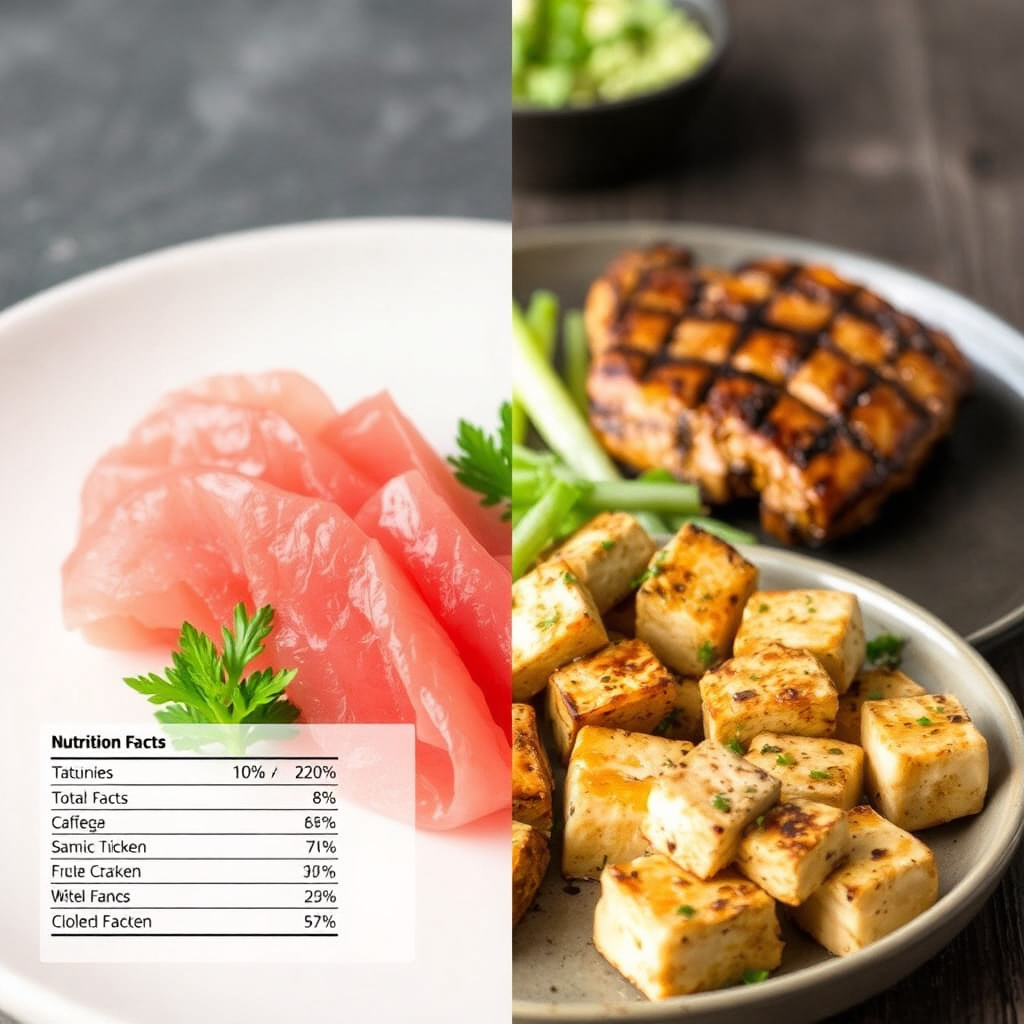
Advantages of Sashimi Over Cooked Meats
Sashimi offers protein without added saturated fats or cooking-induced compounds that can affect health. It is typically lower in calories per gram of protein than many cooked meats, making it popular among calorie-conscious consumers.
The raw nature preserves vitamins and delicate omega-3s often reduced by cooking methods.
- Lower calories than most cooked meats
- Preserves omega-3 fatty acids
- No cooking-induced harmful compounds
For more detailed information about sashimi and its nutritional components, check out this comprehensive resource on Sashimi nutrition facts. Sashimi nutrition facts.
Sashimi Compared to Plant-Based Proteins
While plant proteins such as beans and lentils provide fiber and other nutrients, they often lack certain essential amino acids or require combining foods to achieve a complete profile. Sashimi delivers complete protein efficiently in smaller portions.
Choosing sashimi within a varied diet adds valuable animal-based protein, complementing plant protein sources.
- Sashimi provides complete animal protein
- Plant proteins may need combining for completeness
- Combining both enhances diet quality
Types of Sashimi Protein Content Comparison
Here’s a comparison of common sashimi fish types by protein content, fat levels, and calorie counts per 100 grams.
| Type | Protein (g/100g) | Fat (g/100g) | Calories (kcal/100g) |
|---|---|---|---|
| Salmon | 22 | 13 | 208 |
| Tuna | 24 | 1 | 130 |
| Yellowtail | 20 | 5 | 146 |
| Octopus | 16 | 1 | 82 |
| Squid | 15 | 0.7 | 92 |
Frequently Asked Questions
Does the protein content in sashimi change after freezing?
Freezing sashimi to kill parasites does not significantly affect its protein content, but extended freezer storage can slightly degrade texture and nutritional quality.
Is sashimi a complete protein source?
Yes, sashimi provides all essential amino acids, making it a complete animal protein source suitable for muscle repair and growth.
How much sashimi is recommended for a high-protein meal?
Consuming around 100 to 150 grams of sashimi delivers 20 to 35 grams of protein, which fits well as a high-protein meal portion.
Can sashimi be part of a low-carb diet?
Absolutely. Sashimi is low in carbohydrates and high in protein, making it well suited for low-carb and ketogenic diets.
Are farmed sashimi fish as nutritious as wild-caught?
Farmed fish may have slightly higher fat and marginally different protein levels, but nutritionally they remain a good source of protein and omega-3 fatty acids.
Key Takeaways
- Sashimi generally contains 20–25 grams of protein per 100 grams depending on the fish type.
- Tuna sashimi tends to offer the highest protein content among common options.
- Proper handling and freshness impact nutritional quality more than protein amount.
- Sashimi supplies complete animal protein ideal for diverse diets.
Conclusion
Understanding how much protein is in sashimi helps tailor your diet toward effective nutrition. Evaluating types like salmon and tuna for their protein content alongside preparation and freshness factors improves meal quality. You can make an informed choice by combining sashimi knowledge with your dietary goals, whether for muscle building or weight management.
If you want the highest protein from sashimi, tuna presents the top choice, while salmon offers additional omega-3 benefits. Yellowtail delivers a moderate protein level, and shellfish varieties like octopus provide leaner protein options. Including sashimi within a varied diet or paired with plant-based foods enhances the balance of nutrients.
Move forward by selecting sashimi cuts from reputable sources, considering portion sizes that meet your needs, and combining with complementary foods. This approach ensures you enjoy sashimi safely while adding a rich, high-protein element to your meals.


