How to Reheat Chinese Food for the Best Taste and Texture
The best way to reheat Chinese food is to use methods that preserve its original flavor and texture, avoiding dryness or sogginess. Depending on the dish, reheating in a skillet, oven, or microwave with slight adjustments can bring back the freshness and savor that makes Chinese food enjoyable.
Chinese dishes often combine various ingredients like sauces, vegetables, and proteins, which respond differently to reheating. Some methods can cause rice to harden or sauces to separate, making a careful approach essential for a satisfying meal experience. Knowing which techniques work best helps you enjoy your leftovers without sacrificing quality.
This article covers the most effective reheating methods for common Chinese foods, explains how to handle sauces and rice, and offers tips to prevent common reheating mishaps. Whether you have fried rice, dumplings, stir-fry, or soups, these practical tips will help you retain the deliciousness of your favorite dishes.
Reheating in a Skillet: Maintaining Crisp and Flavor

Skillet Techniques for Fried Rice and Stir-Fries
Using a skillet to reheat fried rice or stir-fry is ideal for maintaining texture and flavor. Start by heating a small amount of oil over medium heat, then add the rice or stir-fry, stirring frequently to warm evenly without drying out. This method keeps rice grains separate and vegetables crisp.
Avoid overheating, as this can make rice hard or vegetables soggy. Covering the skillet for a minute can help steam the rice slightly, reviving moisture without losing the original bite.
- Use medium heat with a splash of oil
- Stir frequently for even reheating
- Cover briefly to steam and maintain moisture
- Avoid overheating to prevent dryness
Reheating Dumplings and Spring Rolls on the Skillet
To restore the crispness of fried dumplings or spring rolls, a skillet is perfect. Heat oil in the pan and add the items, turning occasionally to get an even, crunchy exterior. This works better than microwaving, which tends to make them soggy.
Add a couple of tablespoons of water and cover for 1-2 minutes if they need warming through without drying out, then uncover to crisp the skin again.
- Use moderate oil to crisp without burning
- Turn items to avoid hot spots
- Add water and cover briefly to reheat through
- Uncover at the end to restore crispiness
Using the Microwave for Quick Reheating

Microwave Tips for Rice and Noodle Dishes
Microwaving is fast but can dry food if not done properly. To keep rice or noodles from hardening, sprinkle a few drops of water over the dish and cover it with a microwave-safe lid or wrap to trap steam during heating.
Heat in short intervals of 30-60 seconds, stirring in between to ensure even warmth. Avoid overheating by checking frequently to preserve the dish’s moisture and texture.
- Add a few drops of water before heating
- Cover with a microwave-safe lid or wrap
- Heat in short 30-60 second bursts
- Stir to distribute heat evenly
Microwave Reheating for Sauced Dishes
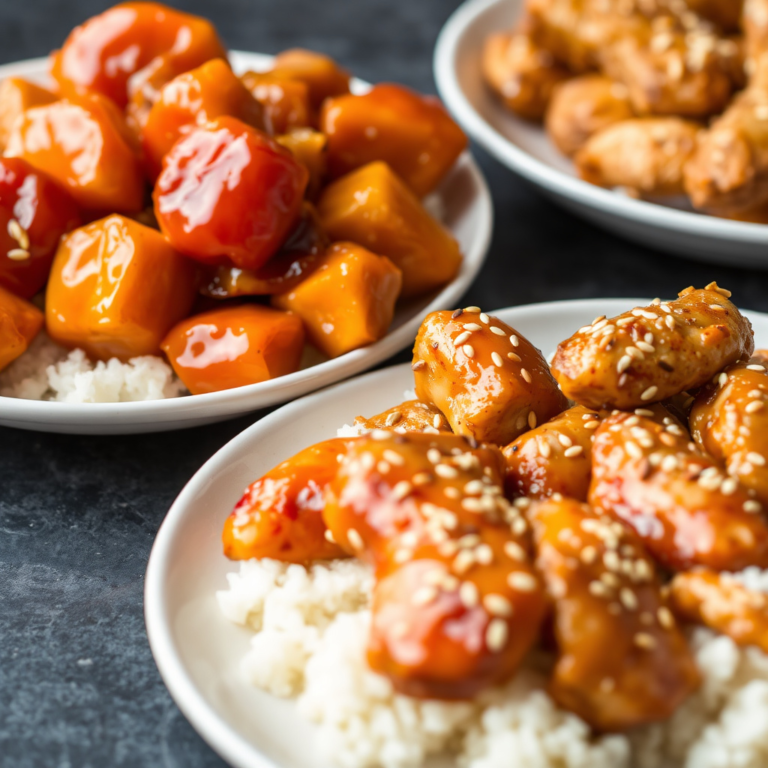
Dishes with thick sauces, like General Tso’s chicken or orange chicken, microwave well if covered properly to keep moisture intact. Stirring midway prevents sauce from separating or curdling.
Use a lower power setting if possible to gently warm the food without altering the sauce’s texture.
- Cover dish to trap steam
- Stir halfway through heating
- Use lower power settings if available
- Avoid overheating for smooth sauces
Oven Reheating: Best for Large Portions and Crispy Texture

Oven Method for Crispy Dishes
Reheating larger portions of crispy items like Peking duck or fried chicken pieces in the oven helps maintain crunch. Preheat the oven to 350°F (175°C), spread the food on a baking sheet, and heat for about 10-15 minutes until warmed through and crisp.
Using foil can prevent drying but avoid covering completely if you want the crispiness to stay intact.
- Preheat to 350°F (175°C)
- Arrange food in a single layer on a baking sheet
- Heat for 10-15 minutes
- Cover with foil loosely if needed
For more on this, see our related guide: How to Make Wonton Soup: A Step-by-Step Guide to Classic Chinese Comfort.
Oven Safety and Efficiency Tips
Avoid overcrowding your baking tray to ensure even heat distribution. Use a wire rack if possible to allow air circulation underneath the food, enhancing crispness.
If you need to reheat sauces or rice alongside crispy items, heat them separately to avoid sogginess.
- Do not overcrowd baking tray
- Use a wire rack for airflow
- Reheat sauces or rice separately
- Check food regularly to prevent burning
Handling Rice and Noodles for Reheating

Preventing Dryness in Fried Rice
Fried rice tends to dry out when reheated because of the rice grains absorbing moisture. Adding a small amount of water or broth before reheating helps restore moisture. Using a skillet or microwave with covering preserves texture without making it mushy.
Breaking up clumps before reheating allows steam to penetrate evenly.
- Add water or broth before reheating
- Separate rice grains to improve heating
- Use covered reheating methods
- Avoid high heat that dries rice
Reheating Lo Mein and Other Noodles
Lo mein noodles can become sticky when reheated. Stir-frying with a bit of oil or microwaving covered helps prevent clumping. Avoid overcooking to save the noodles’ springy texture.
Adding fresh vegetables or a splash of soy sauce during reheating can refresh the flavor.
- Use oil to separate noodles when reheating
- Stir-fry or microwave covered
- Add fresh veggies or sauce for flavor
- Heat gently to keep texture
Reheating Soups and Stews Safely

Stovetop Reheating for Soups
Soups and stews reheat best on the stove over medium-low heat, stirring occasionally to distribute heat. This method heats evenly without breaking down the ingredients or curdling the broth.
Avoid boiling aggressively, which can cause flavors to become muted and ingredients like tofu or greens to overcook.
- Heat over medium-low flame
- Stir regularly for even warming
- Do not boil to preserve flavor
- Add water if broth is too thick
For more on this, see our related guide: How to Make Egg Foo Young: Easy Homemade Chinese Omelette Recipe.
Microwave Methods for Soups
Microwaving soup is quick but can cause uneven heating. Use a microwave-safe bowl, cover loosely to trap steam, and heat in 1-minute intervals, stirring in between.
Check temperature carefully to avoid cold spots and overheated areas.
- Use microwave-safe container
- Cover loosely for steam retention
- Heat in 1-minute bursts
- Stir frequently for even heat
Storing Chinese Food to Maximize Reheat Quality

Proper Cooling and Storage
Cool Chinese food quickly after eating and store in airtight containers in the refrigerator within two hours of cooking to keep it safe and flavorful. Proper storage minimizes bacterial growth and prevents moisture loss that affects reheating quality.
Separate sauces from rice and fried items if possible to maintain textures when reheated.
- Cool food promptly before refrigerating
- Use airtight containers
- Keep sauces separate from rice and fried items
- Consume leftovers within 3-4 days
For more background on the variety and characteristics of Chinese dishes, consult this detailed Wikipedia article on Chinese cuisine. Wikipedia article on Chinese cuisine.
Freezing and Defrosting Leftovers
For longer storage, freeze portions in sealable bags or containers. Defrost in the refrigerator overnight or use the microwave’s defrost setting to preserve texture and safety.
Avoid refreezing thawed food to reduce quality loss and risk of spoilage.
- Freeze in portioned containers
- Defrost slowly in fridge or microwave
- Do not refreeze thawed food
- Label containers with dates
Comparison of Common Reheating Methods for Chinese Food
Here’s a quick comparison of popular reheating methods based on speed, texture retention, and convenience for different Chinese dishes.
| Method | Best For | Texture Retention | Speed | Ease of Use |
|---|---|---|---|---|
| Skillet | Fried rice, stir-fry, dumplings | High – maintains crisp and separate grains | Medium (5-10 mins) | Moderate – requires attention |
| Microwave | Sauced dishes, noodles, soups | Medium – can be soggy or dry | Fast (2-5 mins) | Easy – most convenient |
| Oven | Crispy dishes, large portions | High – keeps items crispy | Slow (10-20 mins) | Moderate – needs preheating |
| Stovetop | Soups, stews | High – preserves flavor | Medium (5-10 mins) | Easy – minimal tools |
| Steaming | Dumplings, buns | High – retains moisture | Medium (10-15 mins) | Moderate – requires steamer |
Frequently Asked Questions
Can I reheat Chinese food multiple times?
It's safest to reheat Chinese food only once to minimize bacterial growth and preserve quality. Repeated reheating can cause texture degradation and increase food safety risks.
How can I prevent fried rice from drying out when reheating?
Add a few drops of water or broth and cover the rice while reheating in a skillet or microwave to retain moisture and prevent drying.
Is it better to use the microwave or skillet for reheating dumplings?
Using a skillet is better to keep dumplings crispy. Microwaving often makes them soggy by trapping steam without crisping the surface.
Can I reheat Chinese soup in the microwave safely?
Yes, but heat in short intervals and stir frequently to distribute heat evenly and avoid cold spots or overheating parts.
Should I separate sauces from rice before storing leftovers?
Separating sauces from rice helps maintain the texture during reheating as sauces and rice reheat differently and mixing can make rice soggy.
Key Takeaways
- Skillet reheating preserves crispiness and flavor for fried dishes
- Microwave is convenient but requires moisture and covering to avoid dryness
- Oven works best for maintaining crispy textures on larger portions
- Proper storage and cooling enhance leftover reheating quality
Conclusion
Reheating Chinese food successfully depends on selecting the appropriate method based on the dish’s composition and desired texture. Whether it’s fried rice that needs fluffiness or a saucy entrée requiring gentle warming, balancing heat, moisture, and timing is key to preserving the meal’s original appeal. Keeping sauces and dry elements separate during storage also plays a significant role.
For quick reheating, the microwave offers ease but benefits from moisture additions and frequent stirring to avoid uneven heating, especially with rice and noodles. Skillet reheating excels for fried or crispy dishes by restoring texture and flavor through direct heat. Oven reheating suits larger portions or items that need to stay crisp, while stovetop methods gently handle soups and stews without breaking down ingredients.
To enjoy your Chinese food leftovers at their best, cool them promptly after serving, store correctly in airtight containers, and reheat using the method that aligns with each dish’s texture needs. Starting with these straightforward steps leads to meals that taste freshly made, turning your leftovers into enjoyable second servings.



2 Comments