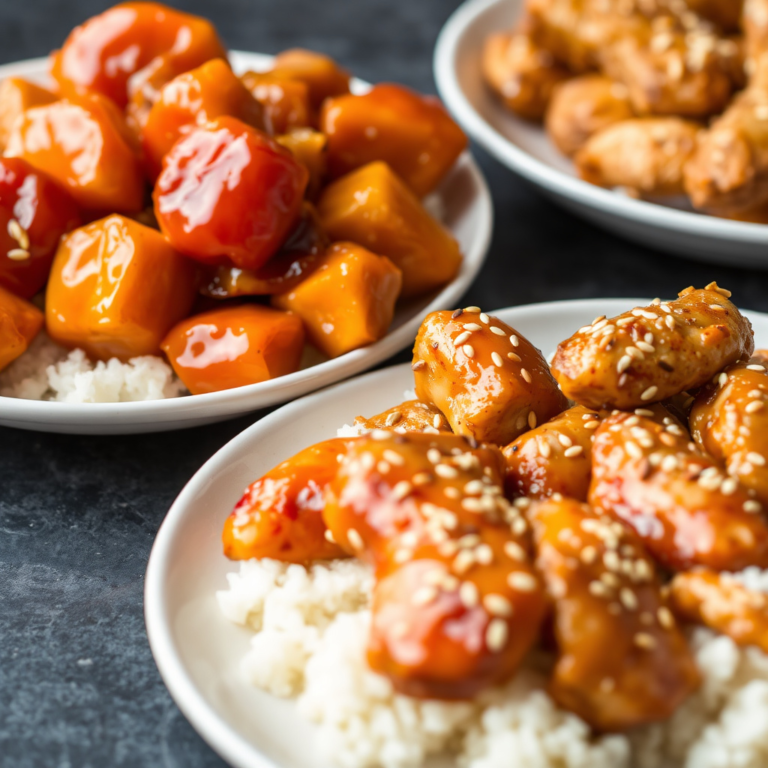
How to Make Sweet and Sour Pork: A Step-by-Step Guide
Sweet and sour pork is a popular Chinese dish featuring crispy fried pork pieces coated in a tangy, flavorful sauce. To make it at home, start by preparing bite-sized pork chunks, coat them with cornstarch and egg, then deep-fry until golden and crispy. Meanwhile, create the sweet and sour sauce using vinegar, sugar, ketchup, and soy sauce, and toss everything together quickly for a perfect balance of flavors.
This dish is beloved for its combination of crunchy texture and a sauce that balances sweetness with bright acidity, making it a favorite for many. Cooking sweet and sour pork at home allows you to adjust flavors and freshness, ensuring a dish that suits your taste better than most takeout options.
In this article, I will cover the essential ingredients, preparation of the pork, making the sauce from scratch, tips for frying techniques, and serving suggestions to help you create restaurant-quality sweet and sour pork in your own kitchen.
Selecting and Preparing the Pork for Sweet and Sour Pork

Choosing the Right Cut of Pork
For sweet and sour pork, use pork shoulder or tenderloin because they offer a good balance of tenderness and flavor without excessive fat. Pork shoulder is slightly fattier and more forgiving during frying, while tenderloin is leaner but still tender when cooked correctly.
Avoid very lean cuts like loin chops as they can dry out quickly during frying. Cubes should be roughly uniform in size, about 1 to 1.5 inches, to ensure even cooking and consistent texture.
- Pork shoulder: tender, flavorful, slightly fatty
- Pork tenderloin: lean, tender, cooks quickly
- Avoid too lean cuts to prevent dryness
Marinating the Pork
Marinating helps tenderize the pork and enhances flavor. A simple mix includes soy sauce, a bit of Shaoxing wine or dry sherry, grated ginger, and a pinch of salt. Marinate for at least 20 minutes but no more than an hour to avoid overpowering the pork’s natural taste.
This brief marination also helps the batter adhere better to the meat, supporting a crisp finish during frying. Avoid heavy marinades with thick sauces as they can interfere with the texture.
- Soy sauce for saltiness
- Grated ginger for aroma
- Shaoxing wine for depth
- Marinate 20 to 60 minutes
Creating the Sweet and Sour Sauce for Your Pork

Key Ingredients for the Sauce
The hallmark of sweet and sour pork lies in its sauce—a blend of vinegar’s acidity, sugar’s sweetness, soy sauce’s umami, and ketchup’s tomato tang. Rice vinegar is preferred for its mildness, but white or apple cider vinegar can also work.
Balancing these ingredients is crucial; the sauce should neither be too sweet nor overly sour. Cornstarch slurry thickens the sauce, helping it cling to the pork crisps beautifully.
- Rice vinegar or white vinegar
- Granulated sugar
- Soy sauce
- Ketchup or tomato paste
- Cornstarch slurry for thickening
Cooking and Adjusting the Sauce
Combine the vinegar, sugar, soy sauce, and ketchup in a saucepan over medium heat. Stir until sugar dissolves and bring to a simmer. Slowly add cornstarch slurry to reach the desired thickness; the sauce should be glossy and coat the back of a spoon.
Taste frequently and tweak sweetness or acidity as necessary. For more depth, add a splash of pineapple juice or grated garlic. Remove from heat once thickness is achieved to avoid overcooking, which can dull the flavors.
Techniques for Frying Sweet and Sour Pork to Crisp Perfection

Battering and Coating the Pork
The pork pieces are typically coated first in marinated soy sauce, then dipped in beaten egg, and finally coated with a thin layer of cornstarch or a mix of cornstarch and flour. This combination yields a delicate, crisp exterior after frying.
Avoid thick batters which absorb too much oil and lose crispness. Light, even coating ensures the pork stays crunchy without becoming heavy or greasy.
- Marinate pork for flavor
- Dip in beaten egg
- Coat evenly with cornstarch or mix
- Avoid thick batters
For more on this, see our related guide: How to Make Singapore Rice Noodles: A Step-by-Step Guide.
Frying Method and Oil Temperature
Deep-fry pork pieces in oil heated to around 350°F (175°C) to achieve a crisp crust without overcooking the interior. Fry in small batches to maintain oil temperature, which promotes even browning and prevents sogginess.
Drain fried pork on a wire rack or paper towels before tossing in sauce to keep crunch. Double frying — frying once at a lower temperature then briefly again at a higher temperature — enhances crispiness and is common in some recipes.
- Oil temperature around 350°F (175°C)
- Fry in small batches
- Drain on wire rack or paper towels
- Optional double frying technique
Serving Suggestions and Accompaniments for Sweet and Sour Pork

Traditional Side Dishes
Sweet and sour pork pairs well with steamed white jasmine rice or fried rice; the rice helps balance the vibrant sauce and crispy texture. Steamed or stir-fried vegetables like broccoli, snow peas, or bell peppers add freshness and crunch without overshadowing the pork.
Accompanying simple side salads with light dressings also brighten the meal and offer palate relief from the rich, sweet sauce.
- Steamed jasmine rice
- Fried rice
- Stir-fried broccoli or snow peas
- Light side salads
Garnishes and Presentation Tips
Chopped green onions, toasted sesame seeds, and fresh cilantro make excellent garnishes that complement the sweet and sour pork’s flavors and enhance visual appeal. Slicing pineapple chunks or bell pepper strips adds color and reinforces the dish’s fruity notes.
Serving in a shallow dish or bowl allows for even coating of each bite with sauce and keeps fried pork crisp longer.
- Green onions
- Sesame seeds
- Cilantro
- Pineapple chunks
- Bell pepper strips
Common Variations and Tips for Sweet and Sour Pork

Adding Pineapple and Vegetables
Many recipes include pineapple chunks for a fruity tang that complements the sauce. Adding bell peppers, onions, or carrots gives more texture contrast and natural sweetness. These ingredients should be stir-fried briefly to keep them crisp and colorful.
Adjust sauce quantities slightly when adding vegetables or pineapple to maintain proper coating and flavor balance.
- Pineapple for fruitiness
- Bell peppers for crunch
- Onions and carrots for sweetness
- Brief stir-frying to keep crisp
For more on this, see our related guide: What Is in Miso Soup? A Complete Guide to Its Ingredients and Variations.
Spicy Sweet and Sour Pork Variants
Some like to introduce heat by adding chili flakes, fresh chili slices, or sriracha to the sauce. Spicy versions balance the sweet and sour profile with a pleasant kick, perfect for those who enjoy more bold flavors.
Start with small amounts of chili and increase gradually to suit taste. Incorporating garlic or ginger into the sauce can also add aromatic heat.
- Chili flakes or sriracha
- Fresh chili slices
- Garlic and ginger for heat
- Adjust spice levels gradually
Storing and Reheating Sweet and Sour Pork

Proper Storage Methods
Store sweet and sour pork in an airtight container in the refrigerator for up to 3 days. It's best to keep sauce and fried pork mixed so the flavors meld, but this may soften the crispy coating over time.
For better texture preservation, store pork and sauce separately and combine just before reheating.
- Use airtight containers
- Refrigerate up to 3 days
- Store pork and sauce separately for crispness
For historical background and variations, refer to the sweet and sour pork on Wikipedia. sweet and sour pork on Wikipedia.
Reheating Without Losing Texture
Reheat pork in an oven or air fryer at around 350°F (175°C) for 5-7 minutes to restore crispiness, rather than microwaving which can cause sogginess. Add sauce after reheating or warm it gently on the stove and toss with pork just before serving.
Avoid prolonged reheating to maintain the best flavor and texture.
- Reheat in oven or air fryer
- Avoid microwaving alone
- Add sauce after crisping pork
Sweet and Sour Pork Category Comparison
Here’s a clear comparison of popular sweet and sour pork recipe styles across key factors like texture, sauce type, and cooking methods.
| Style | Pork Cut Used | Sauce Base | Cooking Technique | Flavor Profile |
|---|---|---|---|---|
| Classic Cantonese | Pork shoulder | Ketchup and rice vinegar | Deep-fried and tossed | Balanced sweet and tangy |
| Sichuan Style | Pork loin | Red vinegar and chili paste | Stir-fried with sauce | Spicy and sour |
| Pineapple Variation | Pork tenderloin | Ketchup, vinegar, pineapple juice | Deep-fried with veggies | Sweet, tangy, fruity |
| Spicy Sweet and Sour | Pork shoulder | Ketchup, vinegar, chili flakes | Double deep-fried | Sweet, sour, spicy |
Frequently Asked Questions
Can I use chicken instead of pork for sweet and sour pork?
Yes, chicken breast or thigh pieces can substitute pork. Adjust frying times as chicken cooks faster and ensure it's cooked through, while still achieving a crispy coating.
How do I prevent the fried pork from becoming soggy in the sauce?
Drain fried pork well on a wire rack to remove excess oil before tossing in sauce. Toss just before serving to maintain crispness and avoid soaking.
Is it necessary to marinate the pork for sweet and sour pork?
While optional, marinating adds flavor and tenderizes the pork slightly, improving taste and texture. A brief 20-30 minute marination works well.
Can I make the sweet and sour sauce ahead of time?
Yes, you can make the sauce in advance and refrigerate it. Reheat gently and stir before adding to the fried pork to keep the flavors fresh.
What is the best oil to fry sweet and sour pork?
Use neutral oils with high smoke points like vegetable, canola, or peanut oil for frying. They allow for proper browning without imparting unwanted flavors.
Key Takeaways
- Use pork shoulder or tenderloin cut into uniform pieces for best texture.
- Make a fresh sauce balancing vinegar, sugar, soy sauce, and ketchup.
- Coat pork lightly with egg and cornstarch for a crispy finish.
- Fry at 350°F in small batches and drain well before adding sauce.
Conclusion
Making sweet and sour pork at home is a rewarding process that lets you craft a dish with crispy meat and a tangy, vibrant sauce tailored to your preferences. Start by selecting a suitable pork cut, such as shoulder or tenderloin, and marinate it briefly to boost flavor and tenderness. Attention to frying technique and batter consistency is key to achieve the prized crunchy crust distinctive of this dish. Balancing the sauce with vinegar, sugar, ketchup, and soy sauce creates the classic sweet and sour profile many enjoy. The main keyword appears here once, underscoring the focus on the sweet and sour pork recipe.
If you prefer a fruity touch, the pineapple variation adds sweet bursts that complement the tangy sauce, while adding vegetables like bell peppers enhances texture and visual appeal. For those who enjoy heat, incorporating chili flakes or fresh chilies transforms the classic sweet and sour pork into a spicy variant. Regardless of the style, freshly prepared sauce and careful frying are essential to preserve crispness and flavor.
To get started, gather basic ingredients and consider which variation suits your taste. Prepare the pork and sauce separately to control textures and flavors before combining. With some practice, you'll have a homemade sweet and sour pork dish that matches or exceeds restaurant quality, providing a delightful meal any time you crave this classic.