Gluten Free Chinese Food Options: Delicious Dishes You Can Enjoy Safely
Finding gluten free Chinese food options can be surprisingly straightforward once you know which dishes and ingredients to focus on. Many traditional recipes naturally exclude gluten-containing ingredients, especially when you avoid soy sauce or select gluten free alternatives. This means you can enjoy flavorful meals without gluten-related worries.
This matters because many popular Chinese dishes rely on soy sauce or wheat-based sauces that contain gluten, but alternatives and native dishes often skip those or use naturally gluten free ingredients. Knowing which dishes are safe and how to ask for modifications is essential for anyone sensitive to gluten or diagnosed with celiac disease.
In this guide, we will explore authentic and safe gluten free Chinese food options, highlight ingredients to avoid, and provide ideas on how to customize your meal. We'll also discuss how to identify gluten free choices at restaurants and how to prepare some dishes at home.
Identifying Gluten Free Chinese Ingredients and Avoiding Hidden Gluten

Common Gluten Containing Ingredients in Chinese Cuisine
Many Chinese sauces, such as traditional soy sauce and oyster sauce, contain wheat, making them a primary source of gluten. Additionally, items like hoisin sauce and certain vinegar types can also have gluten hidden in them. Wheat-based noodles and battered fried foods are common gluten carriers as well.
Being aware of these ingredients can help you avoid accidental gluten exposure. For example, always check if soy sauce has been swapped with tamari or a gluten free variant. Similarly, fried dishes often use wheat flour in the batter, which must be avoided for gluten free diets.
- Traditional soy sauce contains wheat
- Oyster sauce and hoisin sauce often have gluten
- Fried dishes are usually battered with wheat flour
- Certain vinegars and marinades may have hidden gluten
Naturally Gluten Free Ingredients to Look For
Ingredients like fresh vegetables, unseasoned meats, rice, and rice noodles are naturally gluten free. Many Chinese dishes rely heavily on these base ingredients, allowing safe customization. Steamed rice and rice noodle soups are excellent gluten free options.
Scallions, garlic, ginger, and many herbs and spices used in Chinese cooking do not contain gluten. By focusing on dishes where sauces can either be eliminated or replaced with gluten free alternatives, you gain access to a variety of flavorful meals.
- Fresh vegetables and meats
- Steamed rice and rice noodles
- Ginger, garlic, and scallions
- Gluten free sauces like tamari
Popular Gluten Free Chinese Food Options to Order

Rice-Based Dishes and Soups
Steamed white or brown rice is a staple gluten free option and pairs well with many dishes. Congee, a rice porridge often made plain or with simple non-gluten toppings like chicken or eggs, is also a safe choice. Additionally, soups like hot and sour soup without soy sauce, or egg drop soup, can be gluten free if prepared carefully.
Ordering dishes that emphasize rice or rice porridge allows you to enjoy a filling meal without gluten. Always confirm the broth and sauces used to ensure there are no added wheat ingredients or soy sauce substitutes that contain gluten.
- Steamed white or brown rice
- Plain or simple congee
- Egg drop soup
- Hot and sour soup without soy sauce
Protein and Vegetable-Based Dishes
Many Chinese stir-fries can be gluten free when requested without soy sauce or with gluten free tamari. Simple dishes featuring steamed, grilled, or braised meats like chicken, beef, or tofu combined with vegetables such as broccoli, bok choy, or snap peas are usually safe.
Avoiding battered or fried preparations and opting for dishes with clear sauces or just light seasoning gives you the best gluten free experience. Many restaurants cater to these preferences when specified, allowing you to enjoy familiar flavors safely.
- Steamed chicken or beef with vegetables
- Tofu stir-fry with gluten free tamari
- Vegetable medleys without sauce
- Grilled or braised meats without batter
Modifications and Tips for Ordering Gluten Free Chinese Food

Communicating Dietary Needs Clearly
It’s helpful to inform restaurant staff explicitly about the gluten allergy or sensitivity, asking which dishes contain wheat or soy-based sauces. Request substitution of regular soy sauce with tamari or a gluten free version when available.
Don't hesitate to ask if fried foods are battered and request steamed or grilled alternatives. Bringing a gluten free dining card with phrases translated into the local language can make communication easier and reduce confusion.
- Clearly mention gluten allergy or sensitivity
- Ask for gluten free soy sauce substitutions
- Request non-battered cooking methods
- Use a gluten free dining card when traveling
For more on this, see our related guide: Exploring Authentic Vegetarian Chinese Dishes for Every Meal.
Cross-Contamination Considerations
Cross-contact with gluten can happen in busy kitchens through shared utensils, oil, or surfaces. To reduce risk, ask how strictly the restaurant manages cross-contamination and request that your meal is prepared separately if possible.
Smaller or specialized gluten free-friendly Chinese restaurants may provide safer options, while large buffet-style places pose a higher risk. Prioritize venues that demonstrate awareness and care about gluten free practices.
- Ask about kitchen practices on cross-contamination
- Request separate preparation if available
- Prefer restaurants with gluten free certifications
- Avoid buffet or shared-tasting environments
Making Gluten Free Chinese Food at Home

Essential Gluten Free Ingredients to Stock
To cook gluten free Chinese cuisine at home, stock tamari or gluten free soy sauce, rice vinegar, fresh vegetables, meats, and rice or rice noodle varieties. Cornstarch is useful as a thickener instead of wheat flour batter.
Having these staples allows you to recreate many dishes safely. Using fresh garlic, ginger, and scallions alongside gluten free options maintains authenticity without risk.
- Gluten free tamari or soy sauce
- Rice vinegar and sesame oil
- Fresh vegetables and meats
- Rice, rice noodles, and cornstarch
Simple Recipes to Try at Home
Try making gluten free stir fry by using tamari instead of soy sauce with chicken and vegetables, thickening sauces with cornstarch. Congee with chicken or egg offers a comforting, naturally gluten free option as well.
Homemade fried rice with gluten free soy sauce and fresh veggies is a popular crowd-pleaser. By preparing these dishes yourself, you control ingredients and prevent gluten contamination.
- Stir fry with tamari and fresh veggies
- Chicken or egg congee
- Gluten free fried rice
- Steamed rice noodle dishes
Best Gluten Free Chinese Dishes Commonly Available
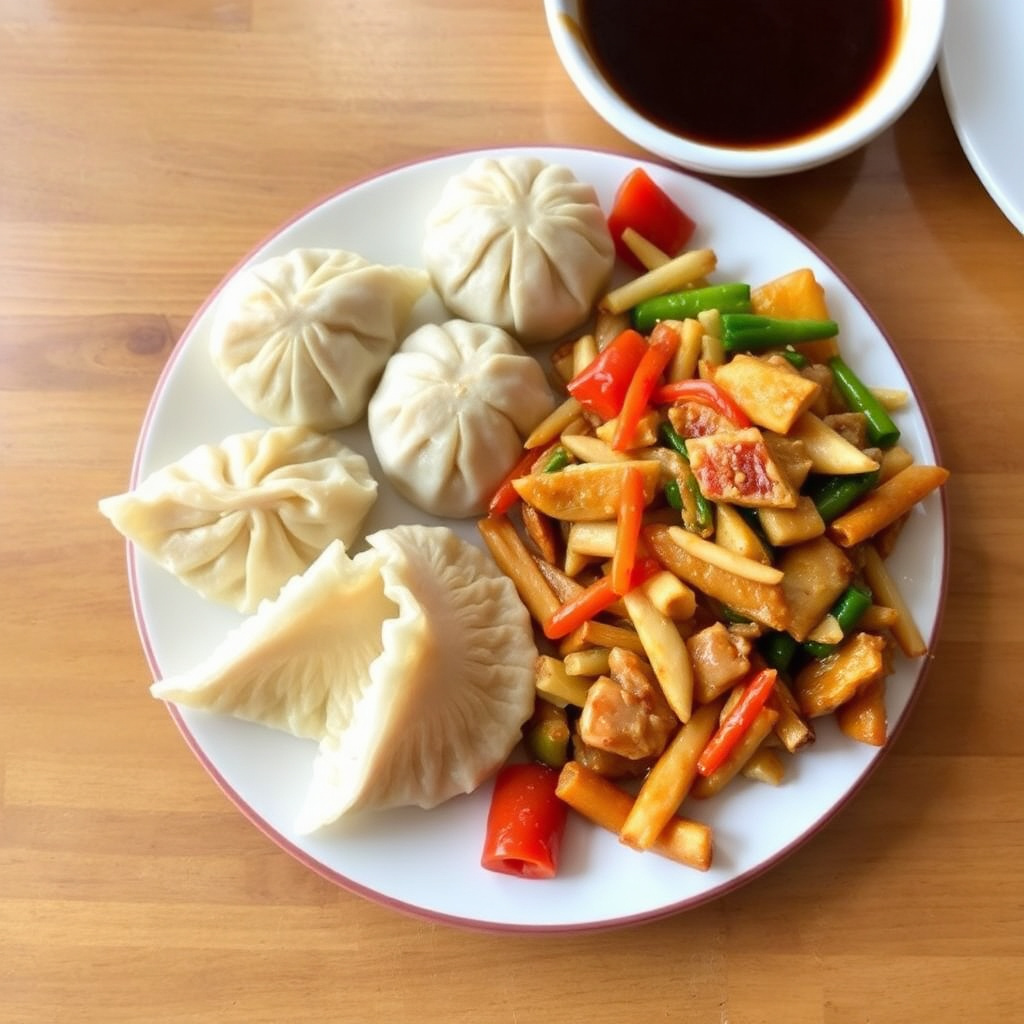
Dumplings and Dim Sum Alternatives
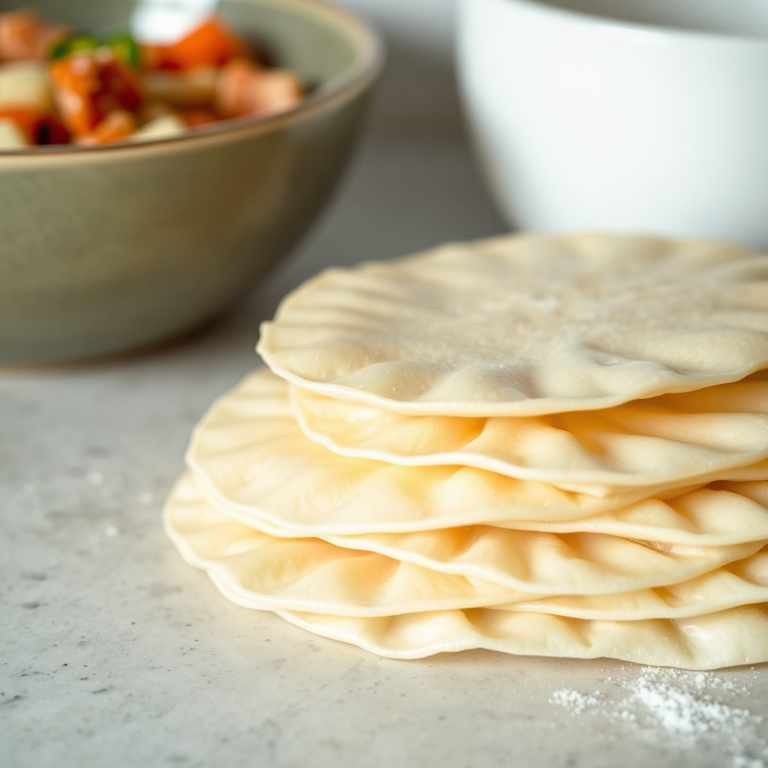
Traditional dumplings often contain wheat wrappers, but some places offer rice flour or tapioca-based wrappers suitable for gluten free diets. Steamed options with simple fillings like pork and cabbage can be safe.
Rice noodle rolls, a dim sum favorite, are naturally gluten free and can be enjoyed with suitable dipping sauces. Always confirm the sauce ingredients to avoid gluten.
- Rice flour or tapioca dumplings
- Steamed pork and vegetable filling
- Rice noodle rolls with gluten free sauce
- Avoid wheat wrapper dumplings
For more on this, see our related guide: Best Chinese Dishes to Order for Every Occasion.
Seafood and Vegetable Options
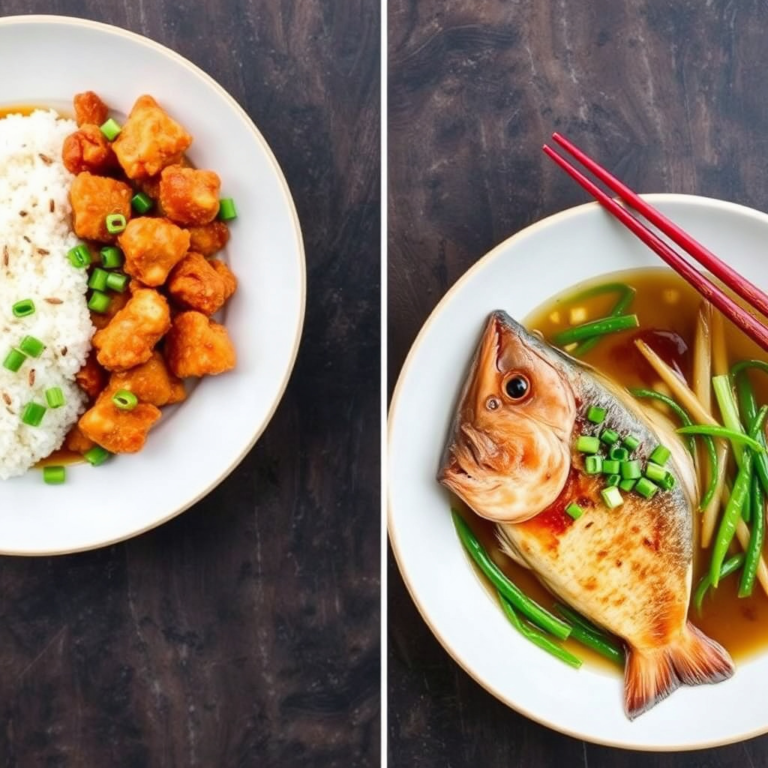
Steamed whole fish with ginger and scallions is inherently gluten free and highly flavorful. Stir-fried shrimp or scallops with vegetables and tamari-based sauces also make excellent choices.
Vegetable dishes like Buddha’s delight or steamed broccoli with garlic are naturally without gluten when ordered without soy sauce or with gluten free tamari. These provide tasty, nutritious meals apt for gluten free diets.
- Steamed fish with ginger & scallions
- Shrimp stir-fry with tamari sauce
- Buddha's delight vegetable medley
- Steamed broccoli with garlic
Gluten Free Chinese Food Around the World

Regional Variations with Gluten Free Options
Some regional Chinese cuisines use rice or other grains instead of wheat, naturally limiting gluten content. For example, Cantonese cuisine includes many steamed dishes and rice staples that can be made gluten free easily.
Sichuan cuisine often employs spicy chili and garlic without heavy wheat sauces, allowing for modifications. Yunnan cuisine also features dishes based on rice and corn, expanding gluten free choices.
- Cantonese steamed and rice dishes
- Sichuan spicy meals with tamari
- Yunnan rice and corn-based foods
- Avoid wheat noodle heavy regions
For more detailed insights into traditional Chinese culinary practices, you can explore Chinese cuisine on Wikipedia. Chinese cuisine on Wikipedia.
Global Adaptations and Gluten Free Awareness
Chinese restaurants worldwide increasingly recognize the need for gluten free options and often offer dedicated menus or ingredient swaps. Western adaptations sometimes use gluten free soy sauce and alternative batters to accommodate gluten free guests.
When traveling, researching restaurants with gluten free reputation or dedicated allergy programs simplifies ordering. Some cities have specialty gluten free Chinese eateries catering to local dietary demands.
- Gluten free menus in global restaurants
- Use of tamari and gluten free batters
- Research allergy-friendly restaurants
- Cities with gluten free Chinese options
Comparison of Common Gluten Free Chinese Food Categories
The table below summarizes key features of major gluten free Chinese dish categories to help you choose based on preference and dietary needs.
| Category | Typical Ingredients | Gluten Risk Level | Common Preparation Method | Flavor Profile |
|---|---|---|---|---|
| Rice Dishes | Steamed rice, vegetables, meats | Low | Steamed or stir-fried | Mild to savory |
| Rice Noodle Dishes | Rice noodles, vegetables, tamari | Low | Boiled or stir-fried | Light, sometimes spicy |
| Steamed Dishes | Meat or fish, ginger, scallions | Very Low | Steamed | Delicate and fresh |
| Fried Dishes | Battered meats/vegetables | High | Fried with wheat batter | Crispy, savory |
| Soups | Broth, egg, vegetables, chicken | Variable | Boiled | Umami and warming |
Frequently Asked Questions
Is soy sauce always unsafe for gluten free diets?
Traditional soy sauce contains wheat, making it unsafe. However, tamari or specially made gluten free soy sauces are safe alternatives and widely available.
Can I eat Chinese fried rice if gluten free?
Fried rice can be gluten free if made without soy sauce or with gluten free tamari and prepared without cross-contamination.
Are rice noodles safe for gluten free diets?
Yes, rice noodles are naturally gluten free, but it's important to check sauce ingredients to avoid hidden gluten.
How do I avoid cross-contamination at Chinese restaurants?
Ask staff about their kitchen practices, request separate preparation, and avoid fried or battered items that may share oil with gluten foods.
What are good gluten free substitutions for soy sauce in recipes?
Tamari, coconut aminos, or commercially labeled gluten free soy sauces are effective substitutes for traditional soy sauce.
Key Takeaways
- Many Chinese dishes can be gluten free with simple ingredient checks.
- Avoid traditional soy sauce and wheat-based batters to prevent gluten.
- Rice, rice noodles, steamed meats, and vegetables are safe bases.
- Communicate clearly with restaurants to reduce gluten exposure risks.
Conclusion
Selecting gluten free Chinese food means understanding the common sources of gluten in Chinese cuisine and identifying dishes that naturally avoid these ingredients. Focus on dishes made with rice, fresh vegetables, steamed proteins, and ask for gluten free soy sauce or tamari when ordering. Being proactive in your dining choices helps you enjoy Chinese food safely and deliciously.
For those seeking specific meals, rice-based dishes and steamed options stand out as dependable choices without gluten risk. If you prefer noodles, rice noodles paired with gluten free-friendly sauces and fresh meats offer satisfying meals. At home, stocking tamari and using cornstarch instead of wheat flour expands your recipe options, allowing authentic tasting meals with safe ingredients.
Whenever you eat out, clear communication with restaurant staff about gluten needs and risks of cross-contamination is essential. Carrying a gluten free dining card or reviewing menus ahead of time lets you plan meals confidently. With some knowledge and preparation, gluten free Chinese food options become plentiful, allowing you to enjoy varied, flavorful dishes without worry.


One Comment