How to Reheat Fried Rice for Best Flavor and Texture
To reheat fried rice effectively, the best approach is to use a stovetop or microwave while adding a small amount of oil or water to restore moisture and prevent it from drying out. This method revives flavors and maintains the rice’s soft yet slightly crispy texture.
Fried rice can lose its original texture and taste if reheated incorrectly, turning dry or mushy. Choosing the right reheating technique matters because fried rice contains various ingredients like eggs, vegetables, and sauces that behave differently when warmed again. Preserving the balance between moistness and crispiness makes your leftovers just as enjoyable as freshly made.
This article explores multiple reheating methods for fried rice, including stove, microwave, and oven techniques. It will cover tips to prevent sogginess, how to refresh dried-out rice, and safety considerations. By the end, you’ll know how to bring your fried rice back to life with simple tools and steps.
Reheating Fried Rice on the Stovetop
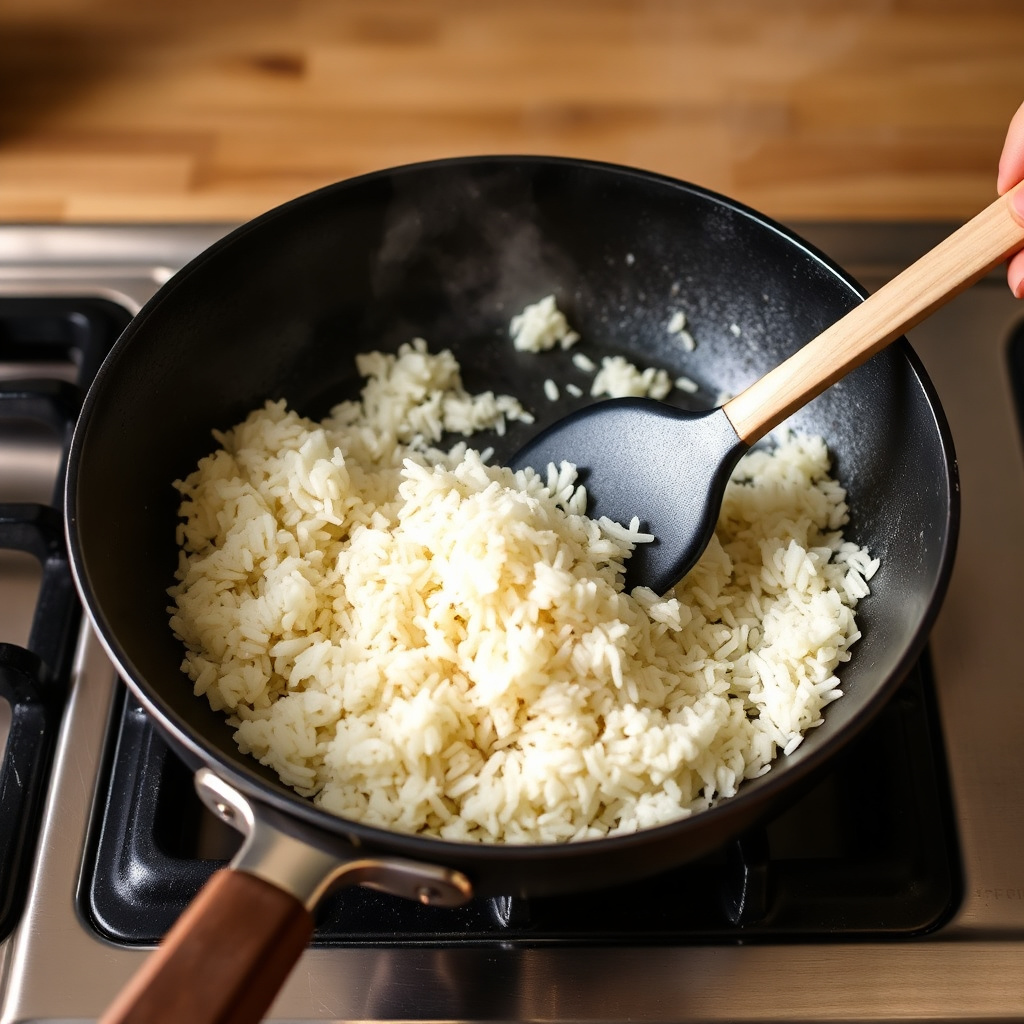
Using a Non-Stick Skillet for Even Heating
A non-stick skillet is ideal for reheating fried rice because it evenly distributes heat and helps retain the rice’s texture. Start by warming a teaspoon of oil over medium heat before adding the rice. Constant stirring prevents sticking and promotes uniform warming, allowing each grain to regain its slight crispiness.
Adding a tablespoon of water or broth while stirring helps create steam, softening the rice without making it soggy. Keep heating and stirring for 5-7 minutes until hot throughout. Avoid overheating, as it can dry out the rice and diminish flavor.
- Heat oil in a non-stick pan over medium heat
- Add fried rice and stir constantly
- Add water or broth to add moisture
- Heat for 5-7 minutes until thoroughly warmed
Using a Wok for High-Heat Quick Reheating
A wok’s shape allows for quick reheating at high heat, mimicking the original frying process. Preheat the wok with a small amount of oil, then toss in rice to stir-fry rapidly. This technique can revive the slightly charred flavor often preferred in fried rice.
Be cautious with heat levels to prevent burning. Stir continuously and add a splash of soy sauce or water if needed to maintain moisture. This method is especially useful for larger portions as it speeds up reheating without sacrificing texture.
- Preheat wok and add oil
- Quickly stir-fry rice over high heat
- Add water or soy sauce for moisture
- Avoid overheating to prevent burning
Microwave Techniques for Reheating Fried Rice
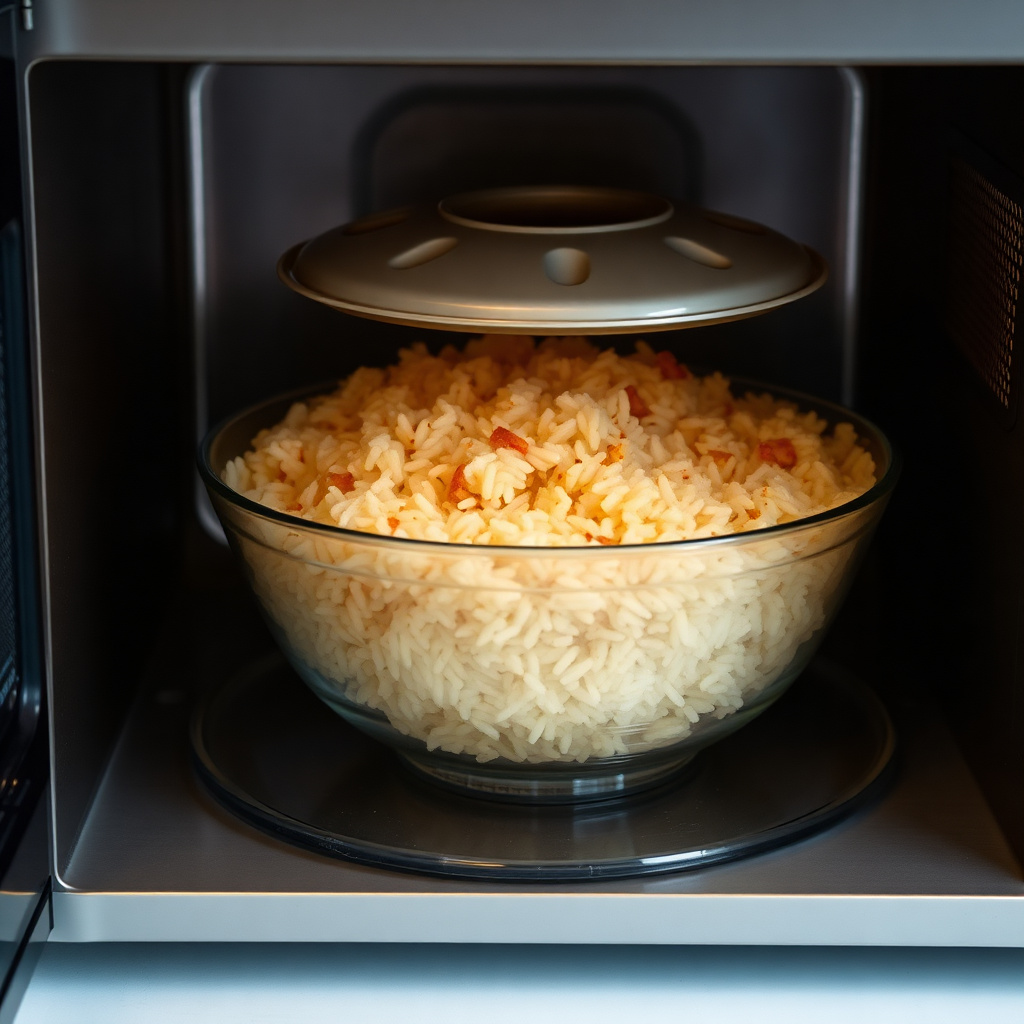
Using a Microwave-Safe Container
Place fried rice in a microwave-safe dish and sprinkle a tablespoon of water or broth over it. Cover the container with a microwave-safe lid or slightly open plastic wrap to trap steam, which prevents the rice from drying out during heating.
Microwave on medium power for 1-2 minutes, then stir to distribute heat evenly. Repeat in 30-second increments if necessary. This method is quick and convenient, perfect for single servings or small portions.
- Use microwave-safe container with vented lid
- Add water or broth for moisture
- Heat on medium power in short intervals
- Stir periodically for even warmth
Avoiding Common Microwave Pitfalls
Microwaving can make fried rice dry or clumpy if overheated or uncovered. Avoid heating without moisture or removing the lid, as rice tends to lose moisture rapidly. Low-power settings help maintain more balanced reheating.
Using a timer and checking rice frequently prevents overheating. If rice seems too dry after microwaving, quickly toss it in a hot pan with a bit of oil to add texture back.
- Don't microwave without moisture or cover
- Use medium or low power settings
- Check and stir frequently
- Reheat in pan if rice is too dry afterward
Oven Reheating Methods for Fried Rice
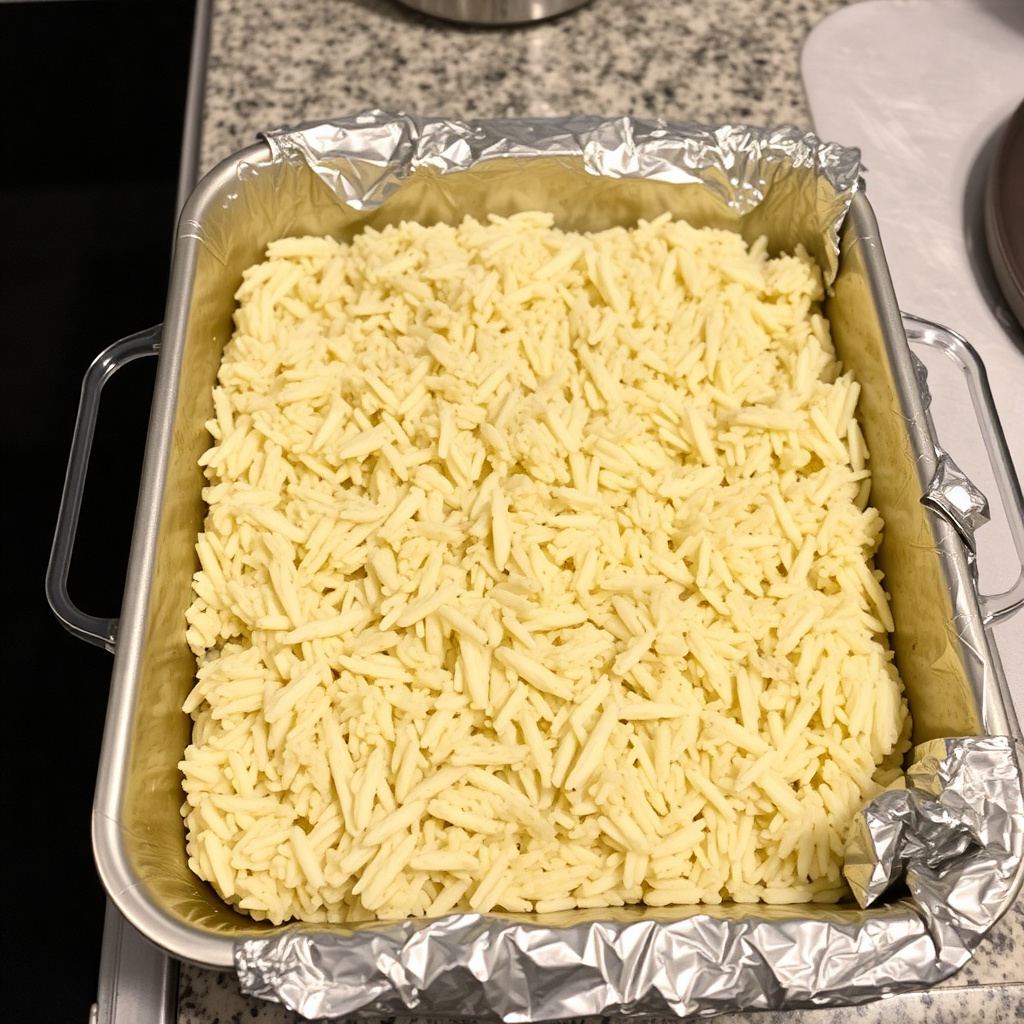
Using an Oven for Even, Gentle Reheating
Preheat your oven to 300°F (150°C). Spread fried rice evenly in a baking dish and cover with aluminum foil to trap moisture. Heat for 15-20 minutes until thoroughly warm.
This method is especially suited for reheating larger quantities of fried rice, as it warms the food evenly without drying it out. You can stir halfway through to promote uniform heating. It takes longer than stovetop or microwave but preserves texture well.
- Preheat oven to 300°F (150°C)
- Spread rice in a covered baking dish
- Heat for 15-20 minutes
- Stir midway for even warming
For more on this, see our related guide: How to Cook Rice for Fried Rice: A Step-by-Step Guide.
Enhancing Flavor During Oven Reheating
Before covering the rice for oven reheating, consider adding a drizzle of sesame oil or a splash of soy sauce to refresh and boost flavor. Alternatively, scatter some fresh vegetables or cooked protein chunks over the rice to create a more complete reheated meal.
This approach allows customization while preventing dryness. The foil cover prevents moisture loss that would otherwise leave rice hard or tough after oven reheating.
- Add sesame oil or soy sauce before reheating
- Top with veggies or protein for freshness
- Cover with foil to retain moisture
- Customize flavor according to preference
Storage Tips to Make Reheating Fried Rice Easier
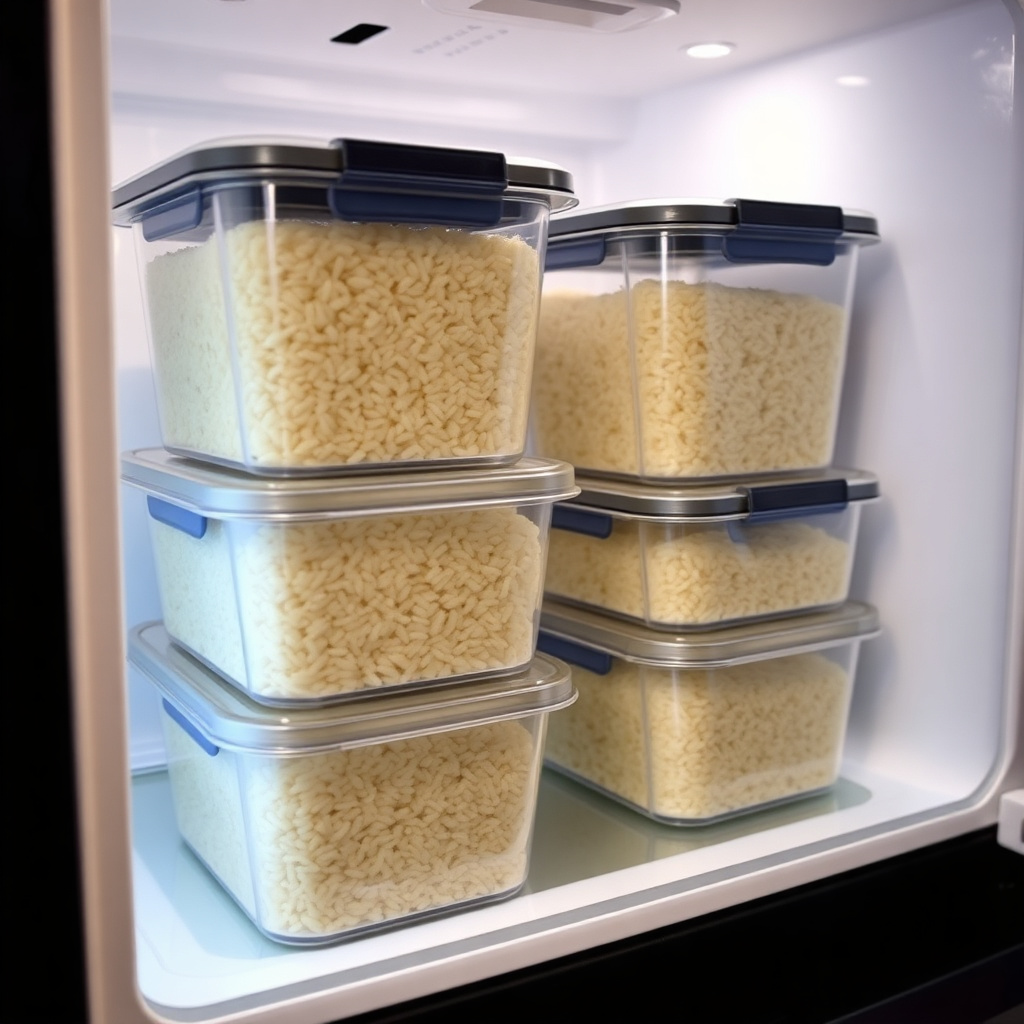
Proper Cooling and Storage Techniques
Cool fried rice quickly after cooking to minimize bacterial growth. Store it in airtight containers in the refrigerator within two hours of cooking. This limits moisture loss and texture degradation, making reheating more successful.
Divide rice into single-serving portions for faster, more even reheating later. Proper storage avoids clumping and spoilage, which can negatively affect taste and safety when reheated.
- Cool quickly after cooking
- Use airtight containers
- Refrigerate within two hours
- Store in individual portions
Freezing Fried Rice for Longer Shelf Life
Fried rice freezes well but may require extra care when reheating. Portion rice into freezer-safe bags and remove air before sealing. Frozen rice keeps for up to three months.
When reheating frozen fried rice, thaw it overnight in the refrigerator first or microwave on defrost. Reheat using stovetop or oven methods with some added moisture for best results.
- Store in freezer-safe, air-tight bags
- Freeze for up to 3 months
- Thaw before reheating for even warming
- Add moisture during reheating
Safety Considerations When Reheating Fried Rice
Understanding the Risk of Bacillus Cereus
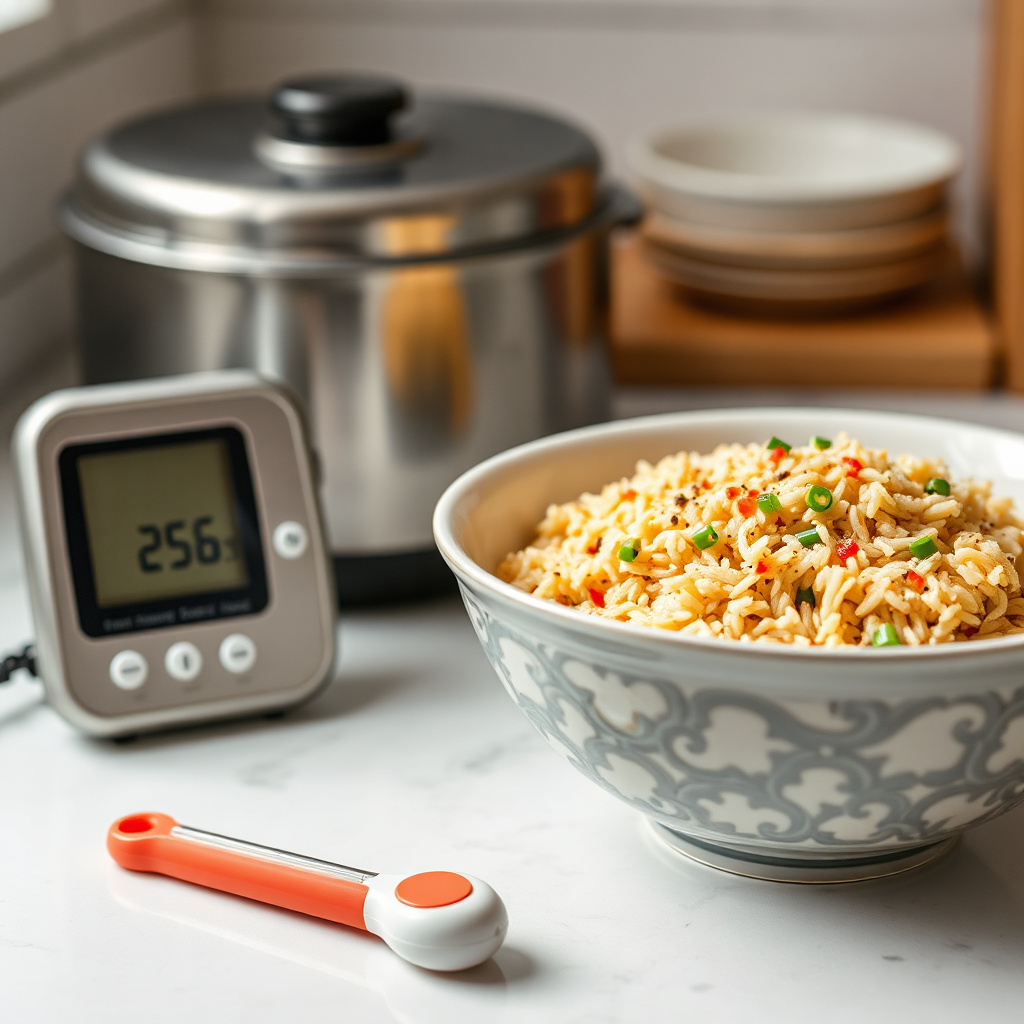
Fried rice is prone to Bacillus cereus bacteria if left at unsafe temperatures too long. This bacteria can cause food poisoning. Proper cooling, storage, and rapid reheating to above 165°F (74°C) kills harmful bacteria.
Never leave fried rice sitting at room temperature for extended periods. Reheat leftovers only once to reduce food safety risks. Following these guidelines keeps reheated fried rice safe to eat.
- Cool and store rice quickly
- Reheat above 165°F (74°C)
- Avoid multiple reheating cycles
- Keep leftovers refrigerated
For more on this, see our related guide: How to Make Fried Rice: A Simple Step-by-Step Guide.
Signs Fried Rice Should Not Be Reheated
Discard fried rice if it smells off, has an unusual texture, or shows visible mold. If rice has been stored longer than 3-4 days in the refrigerator or improperly handled, it’s safer to throw it out.
Avoid risking foodborne illness by checking appearance and aroma before reheating. When in doubt, choose fresh rice instead of reheated leftovers.
- Watch for off smells or mold
- Discard after 3-4 days refrigerated
- Avoid reheating if texture is slimy or clumpy
- Prioritize safety over food waste
Tips for Enhancing Reheated Fried Rice Flavor and Texture
Adding Ingredients When Reheating
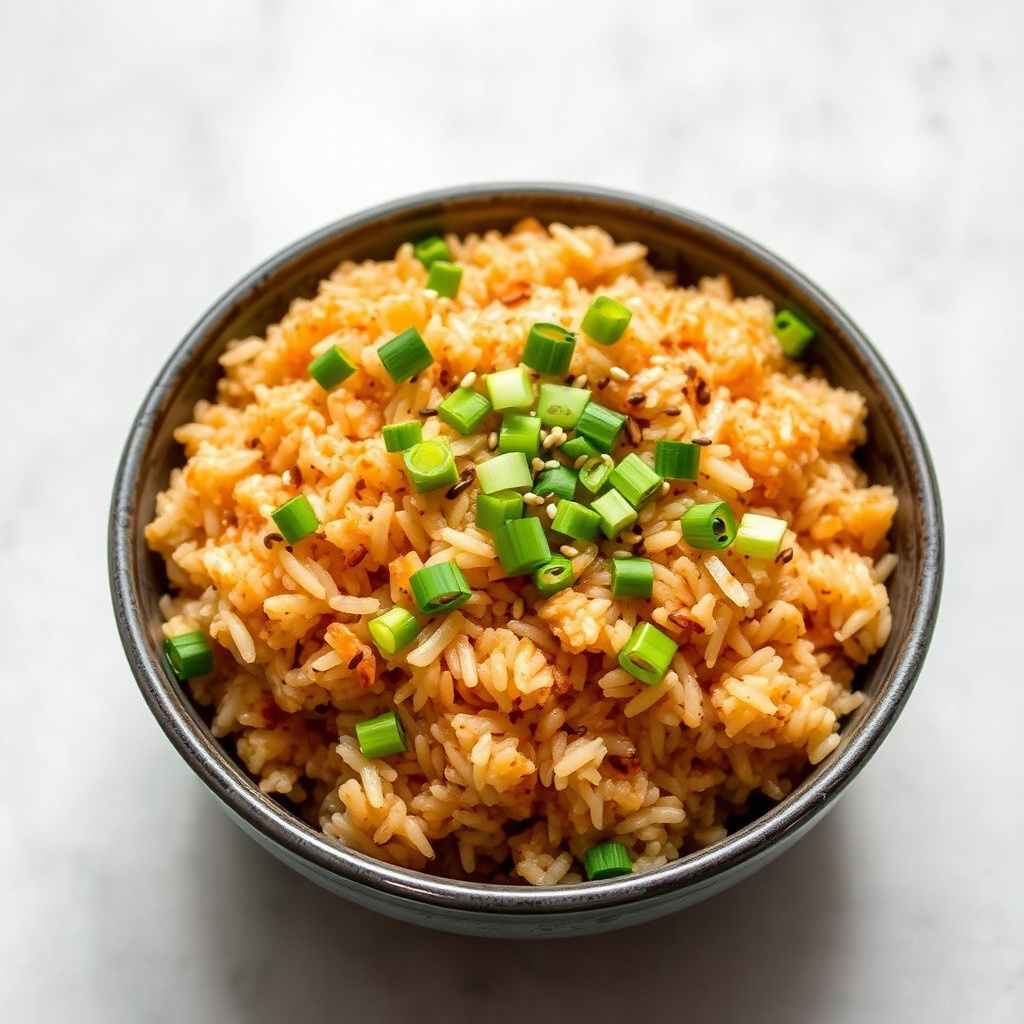
Sprinkle fresh chopped green onions, cilantro, or toasted sesame seeds over reheated rice to boost flavor and freshness. Adding a drizzle of sesame oil or a dash of soy sauce after heating can brighten the dish.
Incorporate leftover cooked meats, scrambled eggs, or sautéed vegetables to make reheated fried rice more satisfying and less dry. These additions restore moisture and improve taste.
- Use fresh herbs for brightness
- Add toasted sesame seeds
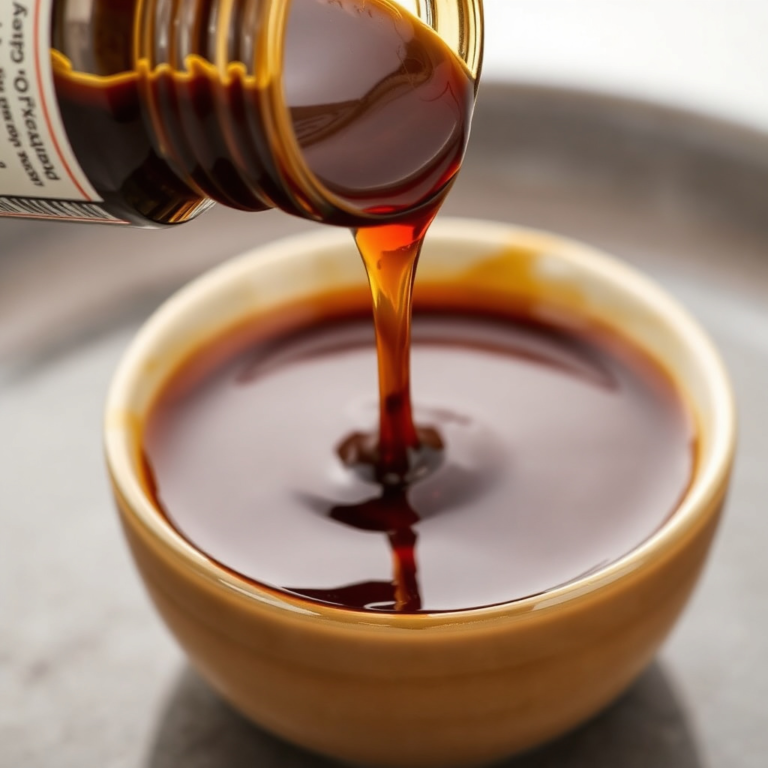
- Drizzle sesame oil or soy sauce
- Mix in leftover proteins or veggies
Refer to official food safety guidelines on rice reheating for detailed instructions on preventing foodborne illness. food safety guidelines on rice reheating.
Achieving the Right Texture After Reheating
If reheated rice feels gummy, try spreading it thin in a hot pan and crisp it lightly to imitate freshly fried texture. Avoid over-steaming to keep grains separate.
Reheating in smaller batches helps manage texture and heats thoroughly without mushiness. Balancing moisture and heat restores the fried rice’s characteristic bite.
- Crisp rice lightly in a hot pan
- Avoid over-steaming or overheating
- Reheat in small portions
- Balance moisture levels carefully
Reheating Fried Rice Method Comparison
Here’s a comparison of common reheating methods, highlighting time, texture outcome, and convenience factors to help you choose based on your needs.
| Method | Time Required | Texture Outcome | Convenience | Best For |
|---|---|---|---|---|
| Stovetop Skillet | 5-7 minutes | Slightly crispy, evenly warmed | High | Small to medium portions, texture-focused |
| Wok Stir-Fry | 4-6 minutes | Crispy, fresh-tasting | Medium | Large portions, flavor revival |
| Microwave | 2-3 minutes | Moist but less crispy | Very High | Quick reheating for single servings |
| Oven | 15-20 minutes | Even, soft texture | Low | Large batches, hands-off reheating |
Frequently Asked Questions
Can I reheat fried rice multiple times?
It's best to reheat fried rice only once. Multiple reheatings can increase the risk of foodborne illness and degrade texture and taste.
How can I prevent fried rice from drying out when reheating?
Add a small amount of water, broth, or oil before reheating and cover the dish or pan to trap steam, which keeps the rice moist.
Is it safe to eat fried rice cold the next day?
Fried rice should be refrigerated promptly and eaten cold only if it has been stored safely no more than 1-2 days. Reheating thoroughly is safer for longer storage.
What is the best method for reheating large quantities of fried rice?
Using an oven with the rice spread in a covered dish evenly reheats large quantities without drying it out.
Can I add fresh ingredients when reheating fried rice?
Yes, adding fresh herbs, vegetables, or cooked proteins at reheating time can enhance flavor and improve moisture balance.
Key Takeaways
- Stovetop reheating with added moisture preserves flavor and texture best
- Microwave offers the quickest reheating but can reduce crispiness
- Proper storage helps maintain fried rice quality for reheating
- Reheat only once and ensure rice is heated thoroughly for safety
Conclusion
When deciding how to reheat fried rice, balancing texture, flavor, and food safety is key. The stovetop method with added oil or water achieves a texture close to freshly made rice, while microwaving offers convenience for quick, single servings. Oven reheating suits larger portions when you want even warmth without drying out the rice. Whatever method you choose, applying moisture during reheating and ensuring the rice reaches safe temperatures will improve your outcome.
For everyday convenience, microwaving fried rice with a sprinkle of water and covering it briefly is efficient for a fast meal. If you have more time or larger quantities, stir-frying in a pan or wok adds crispness and enhances taste, making leftovers more enjoyable. Oven reheating rounds out options for hands-off warming when managing multiple servings. Adjust seasoning or add fresh ingredients when reheating to refresh and customize flavor.
Ultimately, paying attention to how your fried rice was stored and reheated can keep leftovers safe and delicious. Make quick cooling and storage a habit and reheat fried rice just once using the method that suits your schedule and desired texture. Small tweaks like adding moisture or finishing with fresh toppings bring life back into your fried rice, turning last night’s dinner into a satisfying meal once again.



One Comment