How to Use a Wok: Mastering Authentic Stir-Fry Techniques
Using a wok properly involves heating it until scorching hot, adding oil with a high smoke point, and quickly cooking ingredients in small batches with constant stirring. This method allows for even cooking and preserves the vibrant flavors and textures typical of Asian dishes.
The wok’s unique shape and high heat capacity make it ideal for stir-frying, a fast-cooking technique that locks in freshness and color. Understanding wok usage can transform basic ingredients into restaurant-quality dishes with minimal effort and time.
This article will explore everything from choosing the right wok and seasoning it, to mastering heat control and stirring techniques. You'll also discover handy tips to maximize your wok’s potential and common mistakes to avoid, ensuring your cooking achieves authentic results.
Selecting the Right Wok for Your Kitchen
Materials and Their Heat Response
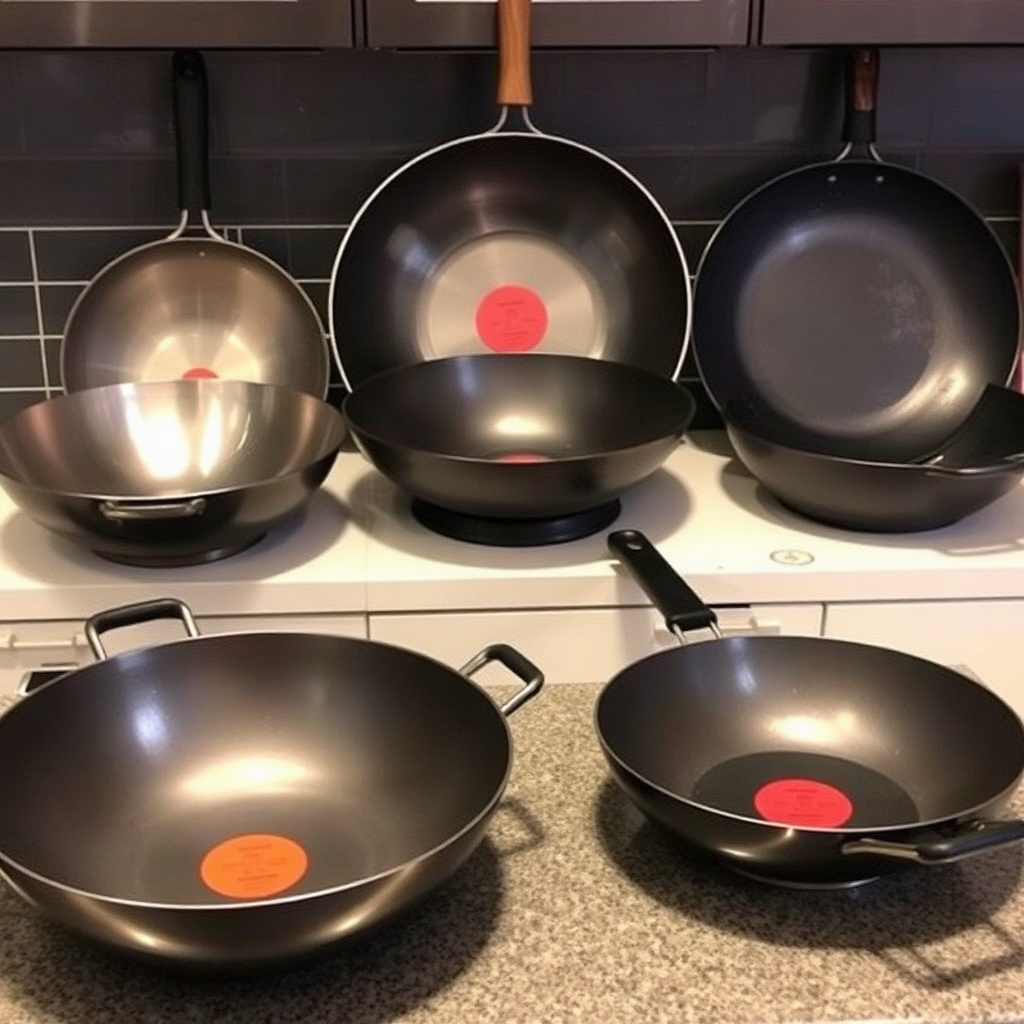
Carbon steel woks heat quickly and evenly, which is essential for stir-frying at very high temperatures. Cast iron woks retain heat longer but can be heavier and slower to warm up. Non-stick woks offer easier cleaning but usually cannot withstand extremely high heat.
Choosing the right material depends on your cooking style and maintenance preferences. Carbon steel is preferred by many chefs because it combines durability with excellent heat conduction, but it requires seasoning to maintain a natural non-stick surface.
- Carbon steel: lightweight, heats fast
- Cast iron: retains heat longer, heavier
- Non-stick: easy cleanup, limited high-heat use
Choosing Between Round and Flat Bottoms
Traditional round-bottom woks are designed for use with a wok ring on gas stoves, allowing for maximum heat exposure and easy stirring. Flat-bottom woks are compatible with electric and induction cooktops but have slightly less effective heat distribution.
Selecting between these depends on your stove type and cooking preferences. Flat-bottom woks provide stability on flat stovetops, while round-bottom woks offer superior tossing capability for stir-frying.
- Round bottom: ideal for gas stoves, better tossing
- Flat bottom: compatible with electric stoves, stable
Preparing and Seasoning Your Wok

Initial Cleaning and Removing Factory Coating
New carbon steel woks typically have a protective coating that must be scrubbed off before use. Use hot water, a stiff brush, and a small amount of mild detergent to remove this layer, then dry thoroughly to prevent rusting.
This step is crucial to allow the seasoning process to adhere properly to the metal surface, enhancing the wok’s non-stick qualities for future cooking sessions.
Seasoning Steps for a Non-Stick Surface
Seasoning involves heating the wok with oil to polymerize the fat onto the surface, creating a natural non-stick coating. Apply a thin layer of high smoke point oil, then heat the wok over medium-high heat until it smokes and changes color.
Repeat this process two to three times, allowing the layer to build up and deepen in color. Proper seasoning reduces sticking and improves both flavor development and ease of cleaning.
- Use oil like grapeseed or peanut
- Heat gradually until smoking
- Allow layers to build by repeating
Mastering Heat Control and Cooking Techniques in Your Wok
Achieving the Right Temperature for Stir-Frying
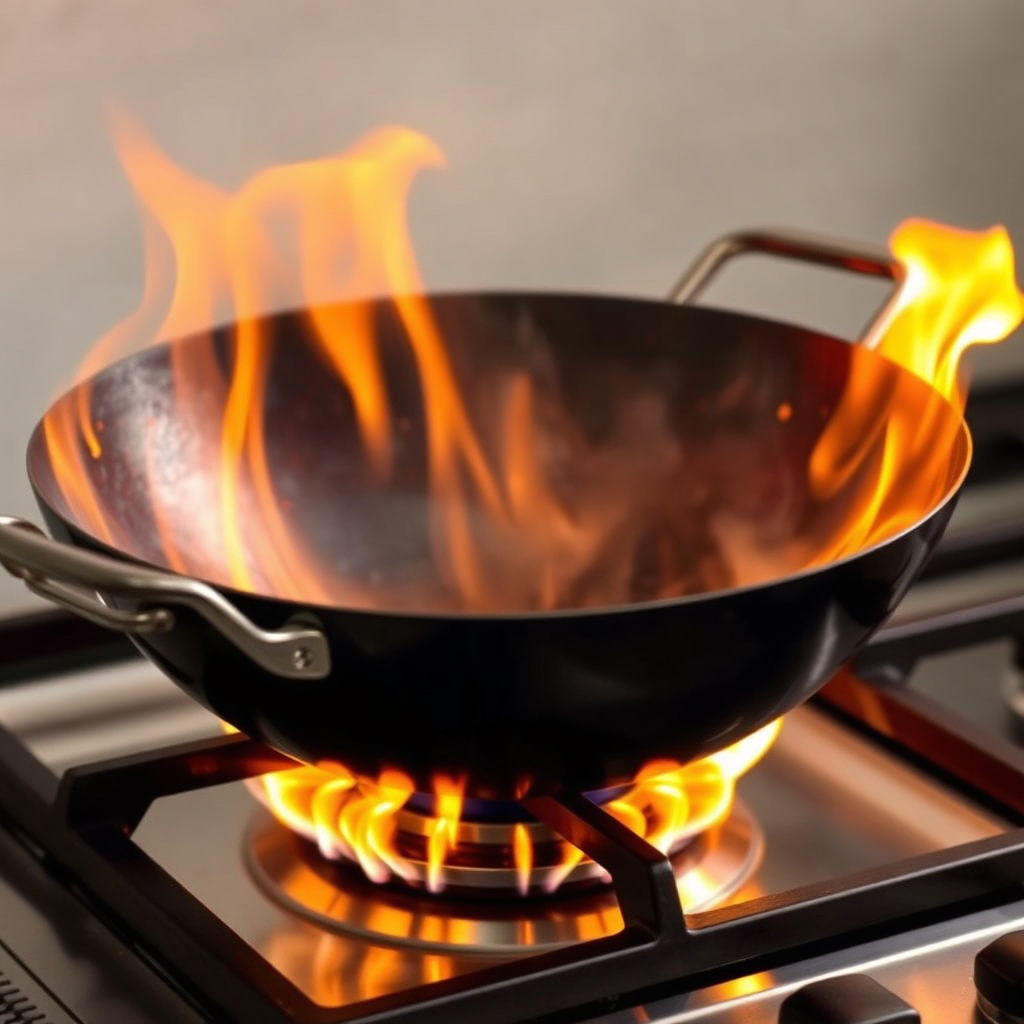
Wok cooking relies on extremely high heat to quickly sear ingredients, preserving texture and flavor. Heat the wok until it just begins to smoke before adding oil, then add ingredients in small batches to maintain temperature.
Avoid overcrowding, which causes steaming instead of stir-frying. Managing the heat by adjusting the burner and working quickly keeps your food crisp and vibrant.
- Heat wok until slight smoking
- Add oil with high smoke point
- Cook in small, quick batches
For more on this, see our related guide: How to Season a Wok for Non-Stick Cooking and Longevity.
Effective Stirring and Tossing Techniques
Constant stirring and tossing move food quickly through the hottest part of the wok, preventing burning and creating even cooking. Use a spatula and wrist motion to flip ingredients gently but briskly.
Practice helps develop timing so vegetables stay crisp and proteins develop a light sear. Proper technique also reduces sticking by keeping oil distributed on the wok surface.
Choosing the Best Wok for Stir-Fry and Cooking Efficiency
Comparing Carbon Steel and Non-Stick Woks
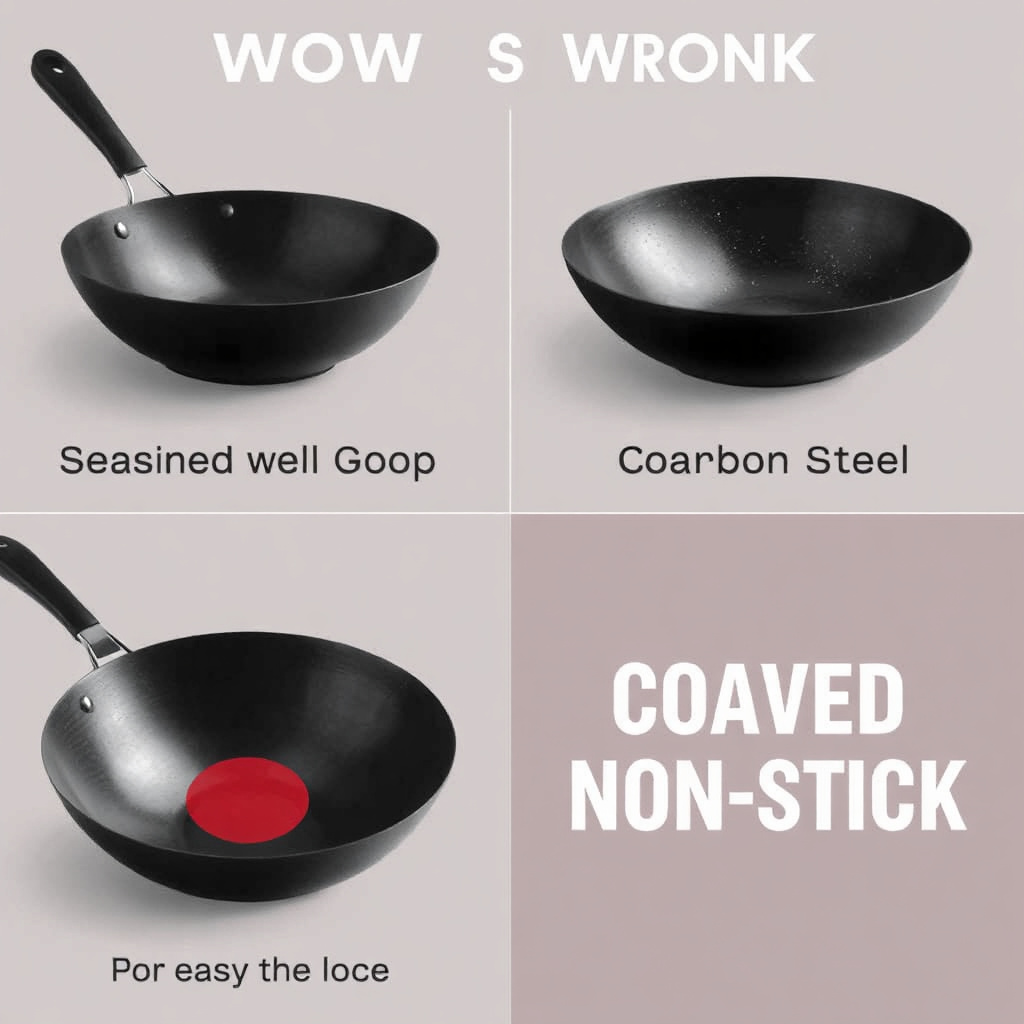
Carbon steel woks react quickly to temperature changes and develop a durable patina over time, making them ideal for authentic stir-fry. Non-stick woks offer convenience with less maintenance but can’t tolerate high heat and may degrade faster.
If cooking mainly stir-fry dishes that require high heat and toss-flipping, carbon steel is usually the best wok for stir-fry. For low-heat or delicate dishes, a non-stick option can be practical.
- Carbon steel: durable, develops seasoning
- Non-stick: easier cleanup, less heat tolerance
Assessing Wok Size and Weight for Home Use
A wok between 12 and 14 inches in diameter offers enough surface for efficient cooking without being too heavy or cumbersome. Larger woks provide more capacity but may be harder to maneuver for beginners.
Weight affects handling during tossing; lighter woks made from thin carbon steel are easier for quick flipping. Consider your comfort and stove size when selecting the wok.
- 12-14 inches balances capacity and control
- Lightweight woks improve tossing speed
Maintaining and Cleaning Your Wok for Longevity

Daily Cleaning Techniques
After cooking, clean your wok with hot water and a soft brush or sponge immediately while it’s still warm. Avoid harsh detergents which can strip seasoning. Dry thoroughly to prevent rust.
Proper cleaning preserves the seasoning layer and keeps your wok ready for the next use, avoiding buildup that can affect flavor or cause sticking.
- Avoid soap or detergents regularly
- Dry immediately to prevent rust
For more on this, see our related guide: How to Velvet Beef for Tender, Juicy Stir-Fries.
Re-Seasoning and Rust Removal Tips
If food starts sticking or rust appears, scrub the affected area with steel wool, rinse and dry the wok thoroughly, then re-season it as when new. This refreshes the protective layer.
Consistent care maintains a natural non-stick surface that improves with use, ensuring your wok delivers restaurant-quality stir-fry for years.
Integrating Your Wok into Everyday Cooking
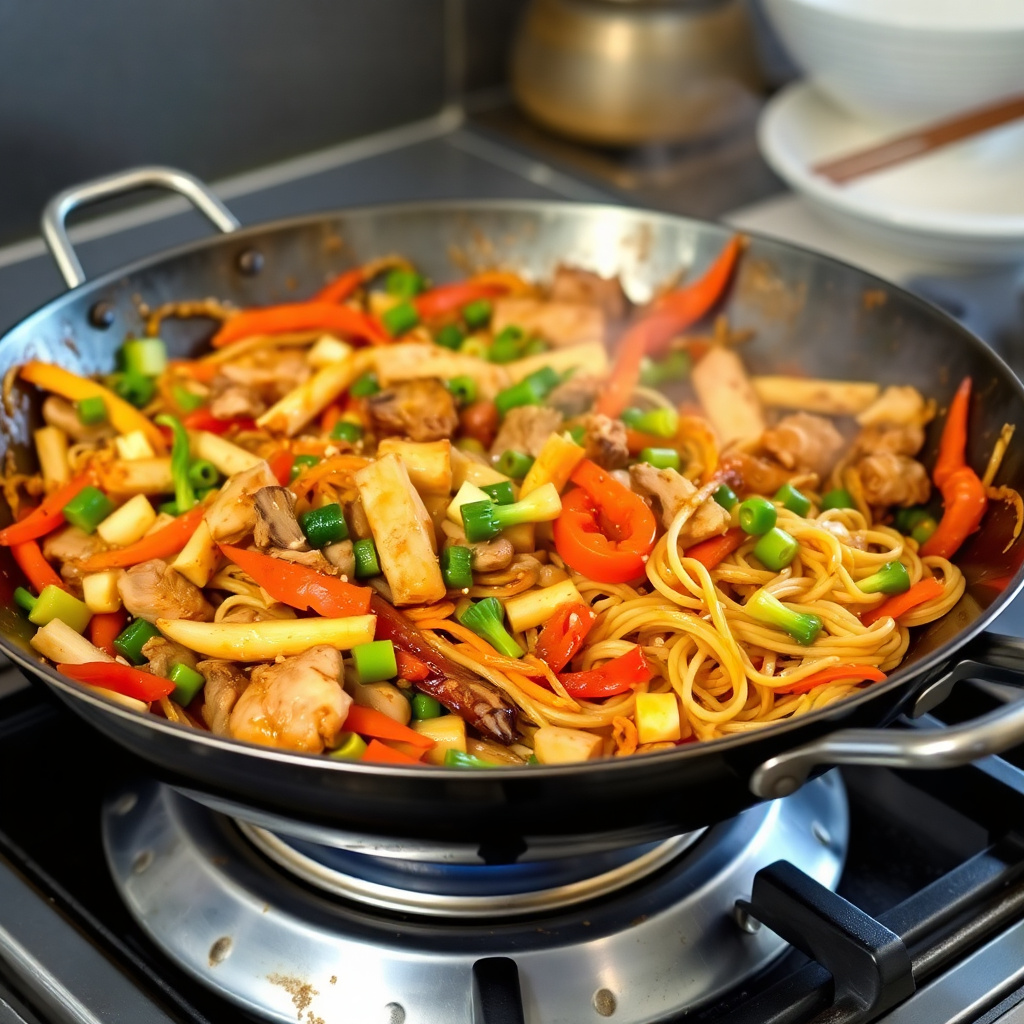
Beyond Stir-Frying: Versatile Cooking Methods
While perfect for stir-fry, woks can also be used for steaming, deep-frying, and even making soups. Their high, sloped sides make them excellent for retaining heat and accommodating liquids.
Experimenting with different cooking styles increases your wok’s utility, making it a versatile tool that goes beyond the basic stir-fry.
- Steaming with rack insert
- Shallow deep-frying
- One-pot soups and stews
For additional detailed information on wok history and cooking methods, see the comprehensive overview available on Wikipedia. Wok cooking techniques on Wikipedia.
Adapting Recipes for Wok Cooking
Traditional stir-fry recipes often involve small, uniform pieces, quick cooking, and high heat. Adapting ingredients and cutting sizes helps them cook evenly and enhances flavor retention.
Adjust cooking order to add ingredients by their required time, starting with aromatics and proteins, and finishing with quick-cooking vegetables and sauces.
Wok Type Comparison for Stir-Fry
Here’s a comparison of popular wok types focusing on material, heat performance, maintenance, and suitability for stir-fry.
| Wok Type | Material | Heat Conductivity | Maintenance | Ideal For |
|---|---|---|---|---|
| Carbon Steel | Carbon Steel | Very High | Requires seasoning, hand wash | High-heat stir-fry, versatile cooking |
| Cast Iron | Cast Iron | High, retains heat | High maintenance, heavy | Slow cooking, frying, searing |
| Non-Stick | Aluminum with Coating | Moderate | Easy, avoid high heat | Low-heat cooking, delicate foods |
| Stainless Steel | Stainless Steel | Low to Moderate | Easy wash, no seasoning | General cooking, not ideal for stir-fry |
| Enameled Cast Iron | Cast Iron with Coating | Moderate | Easy clean but heavy | Braising, stewing, less stir-fry focus |
Frequently Asked Questions
Can I use a wok on an electric stove?
Yes, but choose a flat-bottom wok designed for electric or induction cooktops to ensure even heat contact and stable cooking.
How often should I season my carbon steel wok?
Initial seasoning is followed by light re-seasoning as needed, usually after multiple uses when the surface appears dull or sticky.
What oil is best for stir-frying in a wok?
Use oils with high smoke points like peanut, grapeseed, or canola oil to withstand the wok's intense heat without burning.
Can I put my wok in the dishwasher?
No, dishwashers strip away the seasoning layer and can cause rust. Always hand wash your wok and dry it thoroughly.
Why does my food stick to the wok?
Food sticks typically because the wok isn’t hot enough, is overcrowded, or the seasoning is insufficient. Make sure to preheat properly and avoid adding too much food at once.
Key Takeaways
- Preheat your wok until it lightly smokes before cooking to achieve proper stir-fry results.
- Carbon steel woks are preferred for authentic stir-frying due to their heat responsiveness and seasoning capability.
- Avoid overcrowding the wok; cook ingredients in small batches for even searing and texture.
- Regular cleaning without soap preserves seasoning and helps prevent rust and sticking.
Conclusion
Mastering how to use a wok begins with understanding the balance between heat, timing, and ingredient preparation. Selecting the right wok material and shape, seasoning it thoroughly, and practicing proper stir-frying techniques can transform your home cooking with vibrant, flavorful dishes. The goal is to maintain high, consistent heat and quick movement of ingredients, preserving texture and taste that characterize authentic Asian cuisine.
For those primarily making stir-fry dishes, a 14-inch carbon steel wok combines the best conductivity with a weight manageable for tossing. If your kitchen uses an electric stove, opt for a flat-bottom carbon steel wok for maximal heat transfer and stability. Non-stick woks suit cooks who prioritize ease of cleaning or cook delicate foods but avoid very high heat to prolong their coating life. Beyond stir-frying, a wok’s versatility allows steaming, shallow frying, and even one-pot meals with some creative adjustments.
Start by seasoning your wok well and practicing heat control—don’t overload the pan, add ingredients in order of cooking time, and keep stirring briskly. Investing the time to hone these skills brings rewarding culinary results that can enrich your daily meals. With practice, your wok will become an indispensable tool in your kitchen, ready to deliver quick, tasty dishes anytime.