How Many Calories Are in Seaweed Salad? A Nutritional Breakdown
Seaweed salad typically contains around 70 to 100 calories per serving, depending on portion size and added ingredients like dressing or sesame seeds. This low-calorie profile makes it a popular side dish in many Japanese and Asian-inspired meals.
Understanding the calorie content in seaweed salad matters because it helps you fit it into your daily nutritional goals, especially if you're managing caloric intake for weight control or dietary balance. Seaweed is naturally rich in fiber, vitamins, and minerals, making it a healthy, low-calorie option.
This article will explore the calorie counts of various types of seaweed salads, the impact of common additions, and considerations for making or selecting seaweed salad with nutrition in mind. You’ll also find comparisons and frequently asked questions that clarify the role of seaweed salad in a balanced diet.
Calorie Content in Different Types of Seaweed Salad

Popular Varieties of Seaweed Used
Seaweed salads often include varieties like wakame, kombu, and hijiki. Wakame is the most common, offering a mild flavor and low calories. Kombu and hijiki have denser textures and slightly different nutrient profiles but similar low-calorie ranges.
The calorie difference among these seaweed types comes mainly from water content and fiber levels; wakame has higher water content, which dilutes calories, while hijiki tends to have more fiber but remains low calorie.
Calorie Ranges of Seaweed Salad by Serving Size
A small 50-gram serving of seaweed salad typically contains around 30 to 40 calories due to its high water and fiber content. A standard restaurant serving (100 grams) often reaches about 70 to 100 calories after dressing and toppings have been added.
Seaweed salad calories can fluctuate significantly based on additions such as sesame oil, soy sauce, sugar, and seeds, which add both flavor and calories. Homemade versions may be leaner if you control ingredients.
- 50 g serving: 30-40 calories
- 100 g serving: 70-100 calories
- Additions like sesame oil increase calorie count
Common Ingredients That Affect Seaweed Salad Calories
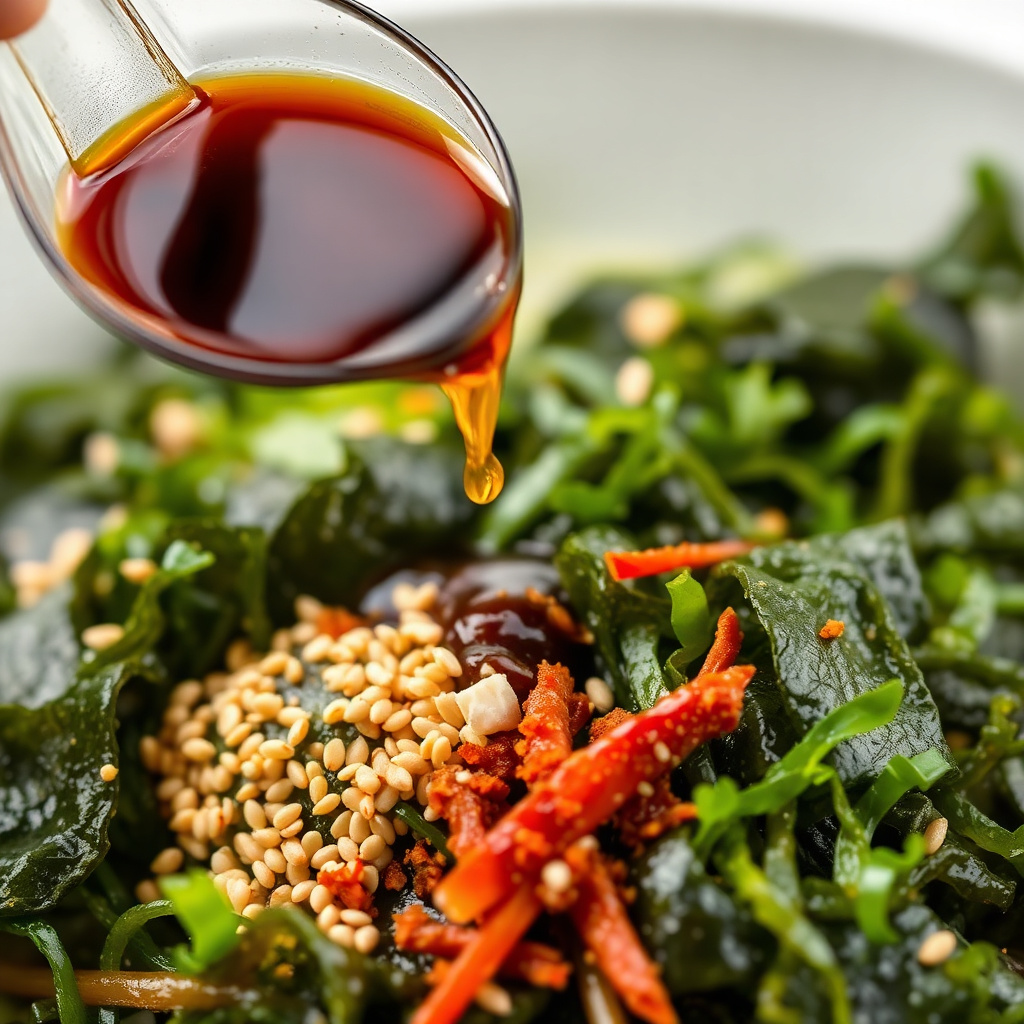
Dressings and Oils
Seaweed salad dressings often include soy sauce, rice vinegar, sesame oil, and sometimes sugar or mirin. Sesame oil is calorie-dense, with about 120 calories per tablespoon, significantly increasing the salad's calorie content.
Reducing or substituting dressings with lighter options like lemon juice or low-sodium soy sauce can lower calories, making the salad more diet-friendly without sacrificing too much flavor.
- Sesame oil: ~120 calories per tablespoon
- Soy sauce: low calorie but high sodium
- Sugar adds additional calories
Toppings and Add-ins
Common toppings include sesame seeds, avocado, crab meat, or tofu. Sesame seeds add healthy fats and around 50 calories per teaspoon. Avocado adds creaminess but increases calories significantly due to fat content.
Adding protein options like crab or tofu ups the calorie count but also boosts nutritional value. These factors make it important to consider all components when adding calorie estimates.
- Sesame seeds: ~50 calories per teaspoon
- Avocado adds fat and calories
- Protein additions affect total calorie count
Nutritional Benefits Beyond Calories in Seaweed Salad

Rich Vitamin and Mineral Profile
Seaweed is packed with iodine, calcium, magnesium, vitamin K, and folate, making it a nutrient-dense salad choice despite its low calorie count. Iodine supports thyroid function, which is essential for regulating metabolism.
Many nutrients found in seaweed promote heart health, bone strength, and antioxidant benefits. This makes seaweed salad a nutrient-rich complementary dish in meals.
For more on this, see our related guide: How Many Calories Are in Nigiri? A Detailed Nutritional Guide.
High in Dietary Fiber
The high fiber content of seaweed aids digestion and can help with satiety, making it a useful part of weight management strategies. Fiber also supports gut health by promoting beneficial bacteria.
Its low calorie density combined with fiber helps balance hunger and energy intake, which supports healthier eating patterns overall.
How to Estimate Calories When Making Seaweed Salad at Home

Calculating Calories Based on Ingredient Labels
Use nutritional information on packages for each ingredient, including seaweed, oils, and toppings. Weigh portions accurately for precise calorie estimation, especially for calorie-dense dressings like oils and seeds.
Adding calories from soy sauce or other liquid condiments requires checking serving size and calories per tablespoon. Combine all components' calories to get a reliable total.
- Weigh seaweed and toppings
- Check nutrition labels for oils and sauces
- Add calories carefully for each ingredient
Adjusting for Serving Size Variations
Since restaurant portions can vary widely, measuring your own servings provides better control over calorie intake. Smaller servings reduce calories in proportion, helping customization for diet plans.
Experimenting with lighter dressings and fewer high-calorie toppings can make seaweed salad healthier without sacrificing texture or flavor.
Seaweed Salad Calories Compared to Other Popular Salads
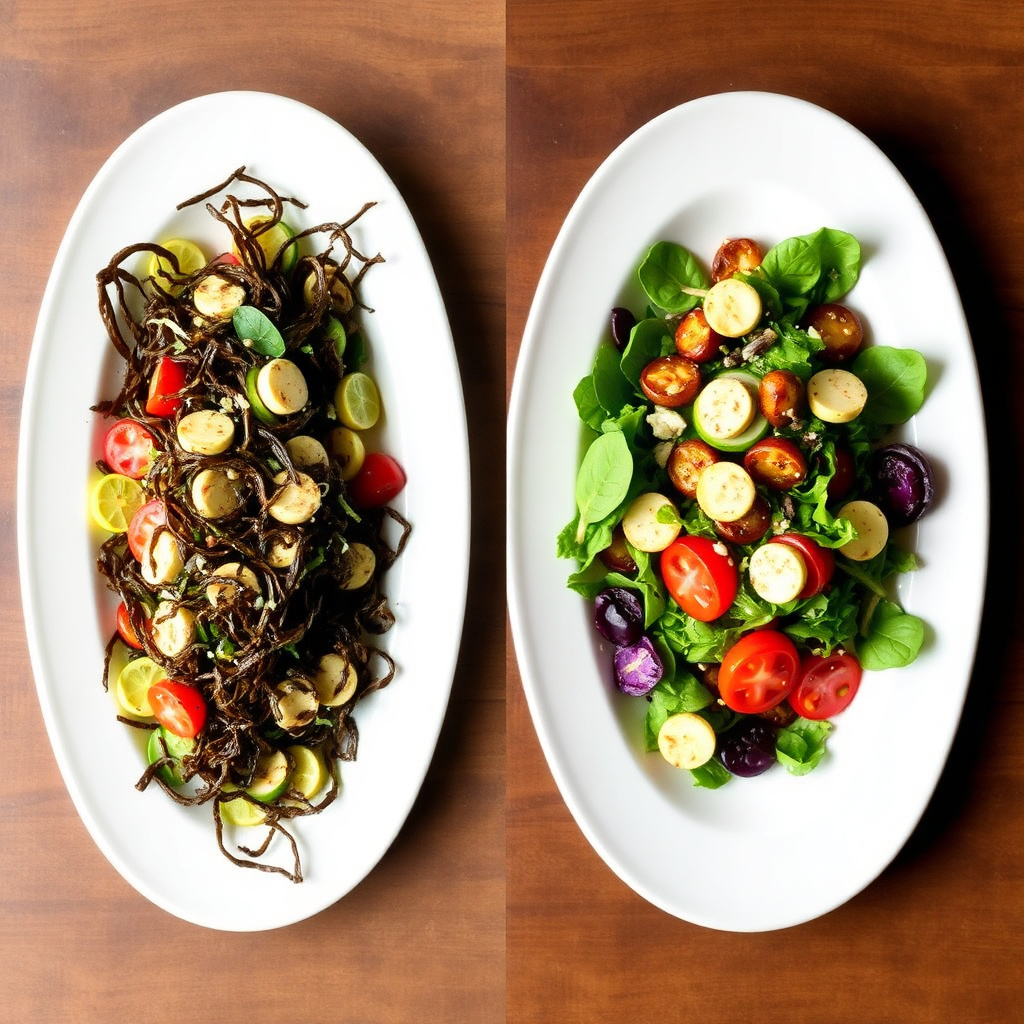
Seaweed Salad Versus Green Leaf Salads
Seaweed salad generally contains fewer calories than salads with creamy dressings but more than plain green leafy salads with light vinaigrettes. Its unique texture and iodine content differentiate it nutritionally.
Green salads offer more volume and often fiber from raw vegetables but may include higher-calorie toppings or dressings that can equalize calorie content with seaweed salad.
For more on this, see our related guide: How Many Calories Are in Sashimi? A Clear Guide to Its Nutritional Content.
Seaweed Salad Compared to Protein-Rich Salads
Protein-rich salads containing chicken, eggs, or cheese tend to have higher calories and fats than seaweed salad, which is naturally lower in fat and calories. These make seaweed salad a lighter alternative.
However, protein salads provide more sustained energy and fullness, important for meal replacement, whereas seaweed salad often complements more substantial protein sources.
Tips to Enjoy Seaweed Salad Without Adding Excess Calories

Opt for Light Dressings or Use Less Oil
Using less sesame oil or substituting it with lemon juice and vinegar reduces added calories. Light dressings preserve the seaweed’s natural taste while cutting fat content.
Experimenting with low-calorie Asian sauces helps maintain flavor without excess calories, making seaweed salad a guilt-free choice.
For detailed nutritional data and history, visit the Seaweed Salad Nutritional Information Wikipedia page. Seaweed Salad Nutritional Information Wikipedia.
Add Calorie-Conscious Toppings
Choose toppings like thinly sliced cucumbers, radishes, or edamame instead of avocado or nuts to keep calorie levels low. Fresh vegetables add crunch and nutrients without raising calories substantially.
Balancing texture and nutrition with minimal calorie additions preserves seaweed salad’s role as a light but satisfying dish.
Seaweed Salad Calorie Comparison by Type and Serving
This table highlights calorie differences across common seaweed salad varieties and typical serving sizes to help you understand variations.
| Seaweed Salad Type | Serving Size (g) | Calories | Key Ingredients |
|---|---|---|---|
| Wakame Seaweed Salad | 100 | 70-90 | Wakame, sesame oil, soy sauce |
| Hijiki Seaweed Salad | 100 | 80-100 | Hijiki, sesame seeds, rice vinegar |
| Kombu Seaweed Salad | 100 | 65-85 | Kombu, light dressing |
| Homemade Light Seaweed Salad | 100 | 40-60 | Wakame, lemon juice, minimal oil |
| Restaurant Style Seaweed Salad | 120 | 90-110 | Mixed seaweed, sesame oil, sugar, toppings |
Frequently Asked Questions
Is seaweed salad low in calories?
Yes, seaweed salad is generally low in calories, ranging from 70 to 100 per serving, depending on ingredients like dressing and toppings.
Does seaweed salad contain a lot of sugar?
Traditional seaweed salads have small amounts of sugar in the dressing but overall contain low sugar unless extra sweeteners are added.
Can seaweed salad help with weight loss?
Due to its low-calorie and high-fiber content, seaweed salad can support weight loss by promoting fullness and adding nutrients without many calories.
Are there high-calorie versions of seaweed salad?
Yes, versions with generous amounts of sesame oil, nuts, avocado, or sugar-rich dressings have higher calories and can approach those of richer salads.
How does seaweed salad compare calorie-wise to other salads?
Seaweed salad generally has fewer calories than creamy, protein-heavy salads but more than plain green salads without dressing.
Key Takeaways
- Seaweed salad contains approximately 70-100 calories per 100-gram serving.
- Calories vary based on dressing, oil, and toppings added.
- It offers rich nutrients like iodine and dietary fiber.
- Homemade versions let you control calorie-dense ingredients.
Conclusion
Determining how many calories are in seaweed salad involves looking closely at the type of seaweed used, the portion size, and the ingredients added to the dish. While seaweed itself is naturally low in calories and high in nutrients like fiber and iodine, dressings and toppings such as sesame oil, seeds, and sugar-based sauces can significantly increase the calorie count. Taking an ingredient-focused approach helps maintain a healthy balance between enjoying the salad’s benefits and managing caloric intake effectively. This balance is key when incorporating seaweed salad into various diets.
When choosing or preparing seaweed salad, consider your nutritional goals. For light, low-calorie options, homemade salads using fresh wakame, a minimal amount of sesame oil, and light vinegar-based dressings are excellent. If you prefer richer flavors or more calories, restaurant style with toppings like avocado or crab meat can complement meals nicely but should be eaten mindful of added calories. Comparisons with other salads show seaweed salad is a versatile, nutrient-rich option that can fit many diet plans depending on preparation and ingredients used.
If you want to track seaweed salad calories precisely, measuring portion sizes and ingredients is the best next step. Experiment with lighter dressings and calorie-conscious toppings to keep the dish satisfying without significantly increasing your calorie load. This approach also supports maintaining variety and enjoyment in your meals as part of a balanced, healthful diet.