Is MSG in Chinese Food? Understanding Its Use and Safety
Yes, monosodium glutamate (MSG) is commonly used in Chinese food as a flavor enhancer that intensifies the umami taste. Many traditional and restaurant-prepared Chinese dishes contain MSG, either added directly or present naturally in ingredients like soy sauce and broths. However, not all Chinese food has MSG, as many restaurants now offer MSG-free options due to consumer preferences.
MSG became controversial due to reports of adverse reactions, but scientific studies since then have found it safe for general consumption in normal amounts. Its use in Chinese cuisine helps bring out the savory flavors that define many classic dishes. Understanding its presence can help you make informed choices when ordering or cooking Chinese food.
This article will explore what MSG is, how it’s used in Chinese cooking, address common concerns about its safety, suggest how to identify and avoid it if desired, and compare it with natural flavor enhancers. You'll also find tips on selecting MSG-free Chinese food and alternatives to boost umami in homemade recipes.
What is MSG and Why Is It Used in Chinese Food?

Understanding Monosodium Glutamate
Monosodium glutamate is the sodium salt of glutamic acid, a naturally occurring amino acid found in many foods like tomatoes, cheese, and mushrooms. It acts as a flavor enhancer by stimulating umami receptors on the tongue, which intensifies savory tastes and balances flavors in dishes.
In cooking, MSG is used to heighten the richness and depth of flavor without adding extra saltiness. Its crystalline form dissolves easily, making it a practical addition to broths, sauces, and stir-fries common in Chinese cuisine.
Role of MSG in Chinese Cuisine
Chinese kitchens have traditionally used MSG to enhance the natural flavors of the ingredients. It helps to unify diverse components in a dish and elevates the overall taste experience, especially in recipes with broth or sauces.
Many commercially prepared Chinese spice blends and seasoning powders contain MSG, and it is sometimes added directly during cooking or sprinkled over dishes before serving. However, not every dish or restaurant uses MSG consistently.
Health and Safety of MSG in Chinese Food

Scientific Findings on MSG Safety
MSG has been extensively studied by health authorities like the FDA, WHO, and EFSA, who have classified it as generally recognized as safe (GRAS). Research has not confirmed any consistent or serious health risks at normal dietary levels.
While some people report mild symptoms like headaches or flushing after consuming large amounts, controlled studies suggest these reactions are rare and mostly anecdotal. MSG in Chinese food is safe for most consumers when used within typical culinary amounts.
For more on this, see our related guide: Is MSG Bad for You? Separating Myths from Facts About Monosodium Glutamate.
Addressing Common Myths About MSG
The infamous “Chinese Restaurant Syndrome,” describing symptoms after eating MSG-laden food, was widely circulated but lacks strong scientific backing. Early claims were based on small studies that have since been contradicted by larger clinical trials.
Health experts emphasize that naturally occurring glutamates in many foods are chemically similar to MSG, and sensitivity to MSG is uncommon. Thus, most people can enjoy Chinese food with MSG without issues.
How to Identify MSG in Chinese Food
Reading Food Labels and Menus
Pre-packaged Chinese sauces and meal kits often list MSG or its alternative names like monosodium glutamate, hydrolyzed vegetable protein, autolyzed yeast extract, or sodium caseinate. Checking labels is the most reliable way to detect MSG presence.
When dining out, some restaurants include MSG disclosures on menus or offer MSG-free dishes upon request. Asking the staff directly can clarify if MSG is added in the cooking process, especially in broths and seasonings.
Recognizing Natural Sources of MSG
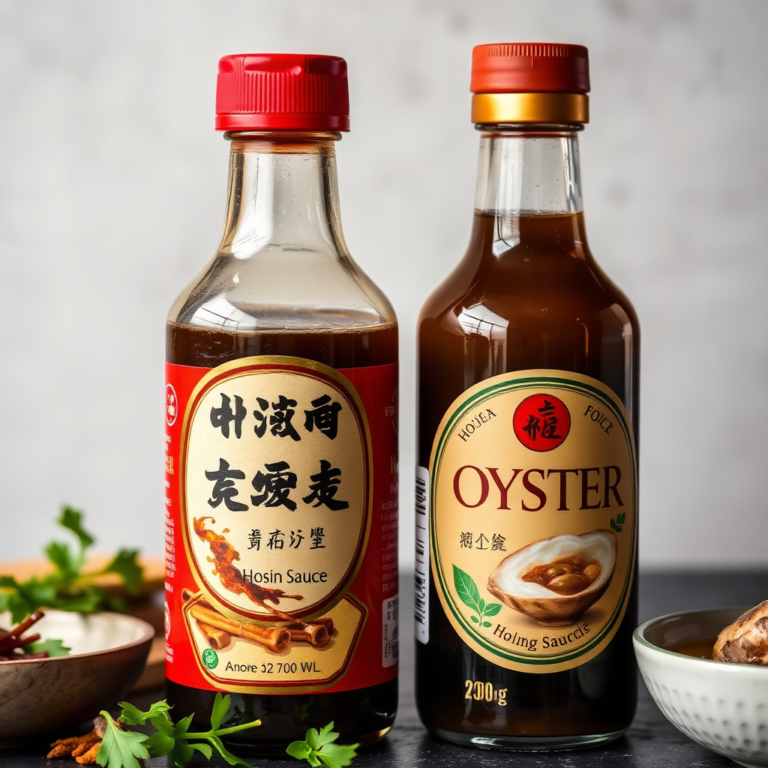
Many traditional Chinese ingredients naturally contain glutamates, such as soy sauce, fermented bean pastes, and dried mushrooms. These contribute to umami flavor without added MSG but produce a similar taste profile.
Understanding that glutamate occurs naturally helps differentiate between added MSG and naturally rich umami flavor sources that don't increase MSG content directly.
MSG Alternatives in Chinese Cooking

Natural Umami Enhancers
Mushrooms, especially shiitake and dried varieties, are rich in natural glutamates and commonly used to boost flavor in Chinese recipes. Seaweed such as kombu and fermented products like soy sauce also provide intense umami notes.
These natural ingredients can enhance taste in homemade cooking without adding MSG powder. They balance dishes with complex, savory flavors and appeal to consumers who prefer natural seasonings.
For more on this, see our related guide: Is Chinese Food Bad for You? Separating Myths from Facts.
Using MSG-Free Seasoning Blends
Some spice blends and seasoning powders are crafted to avoid MSG, relying on herbs, spices, and natural extracts instead. These blends often include garlic powder, onion powder, white pepper, and ginger for flavor complexity.
Choosing these alternatives can accommodate dietary sensitivities or preferences and still offer savory Chinese dishes without the characteristic MSG additive.
Tips to Enjoy MSG-Free Chinese Food

Ordering at Restaurants
Many Chinese restaurants today provide MSG-free options due to customer demand. Asking servers about MSG usage or specifying no MSG can help you avoid it.
Choosing simple, steamed dishes, fresh vegetable stir-fries, or plain rice often reduces MSG exposure compared to heavily sauced or fried items which commonly include MSG.
For more detailed information on MSG, its chemistry, and safety, refer to the MSG Wikipedia article. MSG Wikipedia article.
Cooking at Home Without MSG
Preparing Chinese meals with fresh ingredients and natural seasonings allows full control over MSG content. Using soy sauce with no added MSG, fresh mushrooms, and homemade broth can replicate the umami richness.
Experimenting with garlic, ginger, scallions, and a touch of vinegar enables flavorful, MSG-free dishes that satisfy cravings for authentic Chinese tastes safely.
Comparison of MSG Sources and Alternatives in Chinese Food
This table compares common MSG sources and alternatives used in Chinese cooking, highlighting their flavor impact, natural occurrence, and dietary considerations.
| Type | Flavor Profile | Source | Added MSG Content | Suitable for MSG-Free Diet |
|---|---|---|---|---|
| Pure MSG Powder | Strong umami | Synthetic additive | Yes | No |
| Soy Sauce | Umami and salty | Fermented soybeans | Low natural glutamates | Usually yes |
| Dried Shiitake Mushrooms | Rich umami | Natural | No | Yes |
| Fermented Bean Pastes | Savory and complex | Natural fermentation | Low natural glutamates | Usually yes |
| MSG-Free Seasoning Blends | Variable | Herbs and spices | No | Yes |
Frequently Asked Questions
Is MSG naturally found in Chinese food ingredients?
Yes, some ingredients like soy sauce, mushrooms, and fermented products naturally contain glutamates similar to MSG, contributing to umami flavor without added MSG powder.
Can MSG cause allergic reactions or headaches?
Reports of MSG causing headaches and other symptoms are mostly anecdotal and uncommon. Scientific studies show MSG is safe for most people in typical food amounts.
How can I ask for MSG-free options at a Chinese restaurant?
Simply request dishes prepared without added MSG or inquire if their kitchen uses MSG. Many restaurants now accommodate MSG-free requests due to growing awareness.
Are MSG-free Chinese seasonings less flavorful?
MSG-free seasonings often use natural umami ingredients and spices to maintain rich flavors, though the savory intensity may differ slightly from MSG-enhanced dishes.
Is MSG in Chinese food safe for children and pregnant women?
According to food safety authorities, MSG is safe for children and pregnant women when consumed in normal culinary amounts present in Chinese food.
Key Takeaways
- MSG is commonly used to enhance umami in Chinese food but is safe for most people.
- Natural ingredients like soy sauce and mushrooms also provide glutamates similar to MSG.
- Reading labels and asking restaurant staff helps identify MSG presence in dishes.
- MSG-free cooking and seasoning blends offer flavorful alternatives for sensitive individuals.
Conclusion
Deciding whether to consume MSG in Chinese food often depends on personal preference and sensitivity. Current scientific consensus supports MSG as safe for the general population, with only a small minority experiencing mild reactions. Knowing that MSG enhances flavor but is not essential allows diners to make choices based on taste and health considerations instead of fear.
For those wishing to avoid MSG, ordering from restaurants that offer MSG-free options and preparing Chinese dishes at home with natural umami ingredients like mushrooms and soy sauce can satisfy cravings while avoiding added MSG powder. Options such as dried shiitake mushrooms and fermented bean pastes deliver authentic savory complexity without MSG concerns.
Ultimately, understanding the role MSG plays and recognizing natural sources can guide you to enjoy Chinese food confidently. Start by asking about ingredients when dining out and experimenting with homemade recipes using fresh, MSG-free flavor boosters to create delicious, safer meals tailored to your preferences.