How Many Calories Are in Egg Drop Soup? A Detailed Nutritional Guide
Egg drop soup typically contains between 70 to 100 calories per serving, making it a light and low-calorie option in many Asian cuisines. The calorie count can vary depending on portion size and specific recipe ingredients such as broth type and added seasonings.
Understanding the calorie content of egg drop soup is valuable for anyone tracking their daily caloric intake or trying to maintain a balanced diet. This soup is often favored for its simple ingredients and relatively low-calorie nature compared to other soups that may contain heavier bases or thicker textures.
This article will explore the various factors that influence the calorie count in egg drop soup, including common ingredients, preparation methods, and how additions like cornstarch or vegetables can impact its nutritional profile. We’ll also compare different types of egg drop soups and provide practical advice for those wanting to keep their meals healthy.
Calories and Nutritional Breakdown of Egg Drop Soup

Calorie Content Per Typical Serving
A standard 1-cup serving of egg drop soup usually contains between 70 and 90 calories. This low calorie count is primarily due to the soup’s main ingredients: egg, broth, and minimal seasoning. The eggs contribute protein without excessive calories, while the broth base is generally low in fat.
The simplicity of ingredients helps keep the calorie level modest, but portion size impacts total consumption. Larger bowls or versions served as appetizers alongside other dishes will total more calories.
- Calories range: 70–90 per cup
- Protein from eggs
- Minimal fat in broth
- Variations depend on ingredient amounts
Macronutrient Profile of Egg Drop Soup
Egg drop soup delivers a moderate amount of protein from eggs, generally around 4 to 6 grams per serving. Carbohydrates come from any added cornstarch or vegetables, typically keeping the carbohydrate count low as well.
Fat levels can vary slightly depending on whether the broth is made from chicken or vegetables and if any oils are added. Sodium levels are often elevated because of soy sauce or seasoning components used in cooking.
- Protein: 4–6 grams
- Carbohydrates: 3–7 grams
- Fat: 1–3 grams
- Sodium: variable, often moderate to high
Recipe Ingredients and Their Impact on Calories

Broth Choices and Calorie Differences
The type of broth used in egg drop soup—whether chicken, vegetable, or store-bought—affects calorie content. Homemade chicken broth typically contains fewer additives and calories compared to commercial broths, which may include sugars or flavor enhancers.
Vegetable broth often has the lowest calorie count, making it a good choice for those watching calorie intake. However, its lighter flavor might require additional seasoning that can increase sodium.
- Homemade broth: lower calories, fewer additives
- Store-bought broth: watch for added sugars and sodium
- Vegetable broth: lowest calories
- Chicken broth: moderate calories, richer flavor
For more on this, see our related guide: How Many Calories Are in Wonton Soup? A Detailed Nutritional Guide.
Additional Ingredients Affecting Calorie Counts
Cornstarch is often added to thicken the soup and slightly increases carbohydrate content and calories. The amount used is typically minimal, but larger quantities raise calories accordingly.
Other additions like peas, corn, or mushrooms contribute small calorie increases but add fiber and vitamins, improving nutritional value overall.
- Cornstarch: adds carbs and calories
- Vegetables: minor calorie increase, add nutrients
- Oils or fats: raise calorie count more significantly
Variations of Egg Drop Soup and Their Calorie Impact
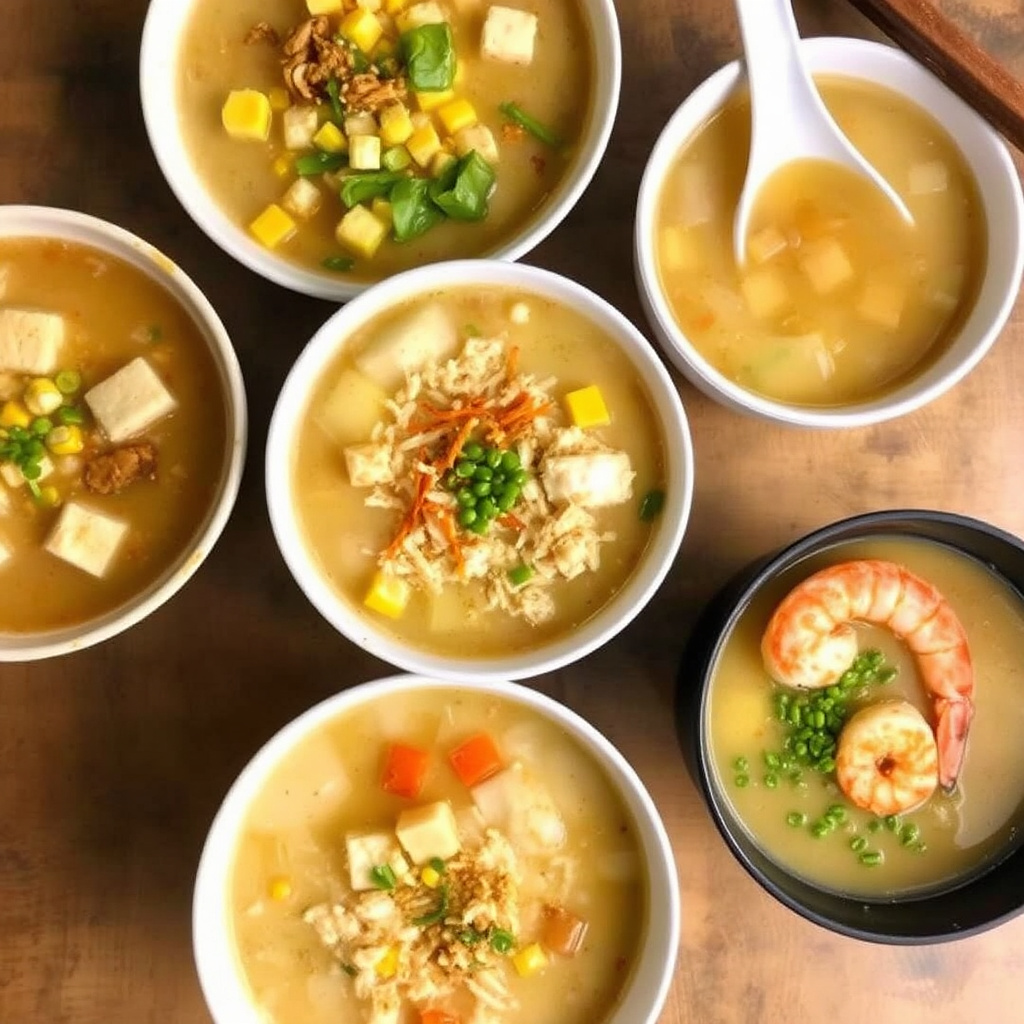
Classic Egg Drop Soup vs. Enhanced Versions
Traditional egg drop soup features just eggs and broth for a very low-calorie dish. Enhanced versions might add ingredients like tofu, shrimp, or vegetables, increasing protein and calories mildly.
Creamy or thickened variations using more cornstarch or cream-based components will boost calories and should be consumed mindfully by those controlling intake.
- Classic version: ~70–90 calories
- Tofu or shrimp additions: +20–40 calories
- Creamy/thickened: higher calories due to starch or cream
Restaurant vs. Homemade Egg Drop Soup Calories
Restaurant preparations often include more sodium and sometimes oil to enhance flavor, increasing calorie counts compared to homemade options. They may also serve larger portions, indirectly raising calorie intake.
Homemade eggs drop soup allows full control over ingredients used, portion size, and seasoning, helping with precise calorie control and healthier choices.
- Restaurant soups tend to be higher in sodium and calories
- Homemade versions offer calorie control
- Portion size varies more at restaurants
How to Reduce Calories in Egg Drop Soup

Ingredient Swaps for Fewer Calories
Choosing low-sodium vegetable broth instead of chicken broth can lower calories and sodium. Using egg whites alone reduces fat and calories compared to whole eggs.
Replacing cornstarch with smaller amounts or alternatives like arrowroot powder can thicken the soup with fewer calories.
- Use vegetable broth
- Use egg whites instead of whole eggs
- Substitute cornstarch with low-calorie thickening agents
For more on this, see our related guide: Is Egg Drop Soup Healthy? Nutritional Benefits and Health Considerations.
Portion Control and Serving Suggestions
Serving smaller portions helps reduce total calorie intake without changing the recipe substantially. Pairing egg drop soup with low-calorie sides like steamed vegetables ensures a balanced meal.
Avoid adding fried toppings or excessive oils during serving to maintain the soup’s low-calorie profile.
- Limit serving size to one cup
- Pair with low-calorie sides
- Skip oily toppings
Egg Drop Soup in a Balanced Diet

Egg Drop Soup’s Role in Weight Management
Because egg drop soup is low in calories, it makes a suitable option for those aiming to lose or maintain weight. The high protein from eggs helps promote fullness, potentially reducing overall food intake.
Its light broth and simple ingredients mean it can easily fit into diverse dietary plans without adding excess calories or fat.
For additional information on egg drop soup’s history and nutritional profile, refer to the detailed overview available on Wikipedia. Egg drop soup nutritional details on Wikipedia.
Complementing Egg Drop Soup with Other Foods
Combining soup with fiber-rich salads or steamed vegetables balances the meal, providing additional nutrients without too many extra calories. Whole grains or lean proteins serve as good companions for those with higher energy needs.
Avoiding high-calorie fried rice or heavy dishes alongside egg drop soup helps maximize its low-calorie advantage.
Egg Drop Soup Variations Calorie Comparison
Below is a comparison table showing the approximate calorie counts for various common egg drop soup variations.
| Variation | Calories per Cup | Protein (g) | Carbohydrates (g) | Fat (g) |
|---|---|---|---|---|
| Classic Egg Drop Soup | 80 | 5 | 4 | 2 |
| Egg Drop Soup with Tofu | 110 | 9 | 6 | 3 |
| Shrimp Egg Drop Soup | 120 | 12 | 5 | 3 |
| Creamy Egg Drop Soup | 150 | 6 | 7 | 7 |
| Vegetable Broth Egg Drop Soup | 70 | 5 | 3 | 1 |
Frequently Asked Questions
Does egg drop soup contain a lot of calories?
Egg drop soup is generally low in calories, usually containing around 70 to 90 calories per serving, depending on ingredients and portion size.
Can egg drop soup help with weight loss?
Yes, its low calorie and high protein content from eggs can help increase satiety, making it a good choice for weight management.
How does adding cornstarch affect the soup’s calories?
Cornstarch increases carbohydrate content slightly and adds calories, but because it is typically used in small amounts, the impact is moderate.
Is restaurant egg drop soup higher in calories than homemade?
Often, restaurant versions contain more sodium and oil, increasing calorie content compared to homemade soups where ingredient control is possible.
What ingredients can be swapped for lower calorie egg drop soup?
Using vegetable broth instead of chicken broth and egg whites instead of whole eggs lowers calories, along with limiting cornstarch or using alternatives.
Key Takeaways
- Egg drop soup typically contains 70–90 calories per serving.
- Broth type and added ingredients influence calorie content.
- Homemade soup offers better control over calories than restaurant versions.
- Egg drop soup fits well into balanced, calorie-conscious diets.
Conclusion
Determining how many calories are in egg drop soup involves examining its basic components—primarily eggs and broth—and understanding how variations influence caloric totals. Given the soup’s typically low calorie count and high protein content, it stands out as a light yet nourishing meal option. Watching ingredient choices like broth type and the use of thickening agents can help diners tailor intake to their dietary needs. By combining simple ingredients thoughtfully, egg drop soup can contribute to a satisfying diet without excessive calories.
For those looking to maintain or reduce calories, classic egg drop soup with vegetable broth and minimal cornstarch is a smart option. Additional ingredients such as tofu or shrimp boost protein and calories marginally, suitable for those needing extra nutrition. Avoiding creamy versions or excessive oil at restaurants helps keep calories lower. Homemade egg drop soup enables better control over both portion size and ingredient quality, making it the preferred choice for health-conscious eaters.
If you're interested in incorporating egg drop soup into your meal planning safely and deliciously, start by trying a homemade recipe that emphasizes broth quality and ingredient simplicity. Pair your soup with fresh vegetables and lean proteins to round out your meal nutritiously. Tracking calories and adjusting ingredients allows you to enjoy this flavorful dish while sticking to your health goals.