Is Hot and Sour Soup Spicy? Understanding Its Flavor Profile
Hot and sour soup typically has a noticeable spicy kick, but the heat level can vary depending on the recipe and ingredients used. The spiciness usually comes from chili peppers, white pepper, or chili oil incorporated into the broth alongside tangy vinegar, which combines to create the soup’s signature balanced flavor.
This combination of heat and tang makes hot and sour soup a popular choice for those who enjoy a flavorful, warming dish. However, chefs and home cooks alike adjust the spice to match different tastes, so the soup can range from mildly piquant to fairly fiery depending on preparation.
In this article, we will explore what causes the spicy sensation in hot and sour soup, examine common ingredients influencing its heat, describe regional variations, and provide tips for adjusting the spice level to suit your palate.
What Makes Hot and Sour Soup Spicy?

Chili Components in Hot and Sour Soup
Chili peppers and chili oil are primary sources of spiciness in hot and sour soup. Red chili flakes or fresh chopped chili peppers add heat and visual appeal. Some recipes incorporate chili paste to increase the intensity.
White pepper is another common spice that adds a sharp, pungent heat without overwhelming the other flavors. Its heat is different from chili peppers, offering a subtle warmth that enhances the soup's complexity.
- Red chili flakes
- Chili oil
- Chili paste
- White pepper
Balancing Heat with Sourness
The sour element, usually provided by vinegar such as black vinegar or rice vinegar, helps counterbalance the spiciness. This creates the classic flavor profile where heat and acidity complement each other rather than compete.
Proper balance means the soup is spicy but not overpowering, with tanginess smoothing the palate. Variations in vinegar type and quantity affect how the heat is perceived and can tone down or amplify the spice.
Common Hot and Sour Soup Ingredients

Traditional Ingredients
Classic hot and sour soup recipes often include mushrooms, tofu, bamboo shoots, pork or chicken, and wood ear fungus. These ingredients offer a variety of textures that complement the spicy, sour broth.
Broth base typically involves chicken stock or vegetable stock, which acts as a canvas for the bold flavors from chili, vinegar, and soy sauce.
- Mushrooms
- Tofu
- Bamboo shoots
- Wood ear fungus
- Chicken or pork
For more on this, see our related guide: Is General Tso Chicken Spicy? Understanding Its Flavor Profile.
Ingredient Variations Affecting Spice Level
Some regional versions introduce additional hot spices or fresh chilies, increasing the heat noticeably. Others may decrease pepper or chili oil to make the soup friendlier for sensitive palates.
The choice and amount of vinegar, soy sauce, and broth richness all influence how prominent the spicy notes appear, creating different experiences from one recipe to another.
Regional Differences in Hot and Sour Soup Spiciness

Sichuan Style
The Sichuan version is well known for its bold, fiery heat, often incorporating Sichuan peppercorns alongside chili oil. This creates a numbing spiciness called 'mala' that complements the soup’s sour notes.
This style tends to be much spicier than the Cantonese or Western adaptations and is favored by those who enjoy intense heat combined with complex flavors.
Cantonese and Western Styles
Cantonese hot and sour soup usually has a milder spice level, emphasizing sourness with a hint of heat. It often uses less chili and more vinegar to temper the flavor.
Western adaptations frequently tone down the spice further to accommodate broader tastes, sometimes omitting chili completely and focusing on the tangy and savory aspects.
How to Adjust the Spice Level at Home
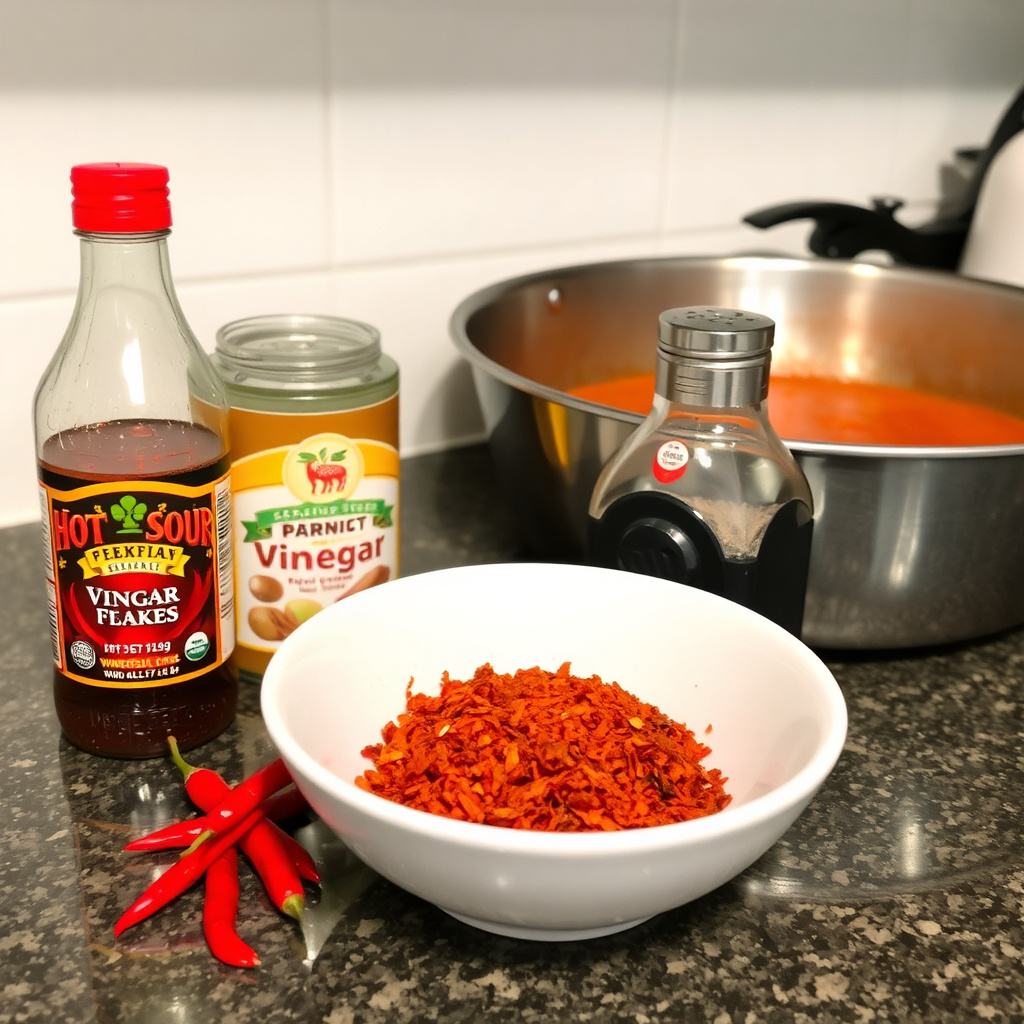
Increasing the Heat
To make the soup spicier, add more chili oil, fresh chili peppers, or white pepper as you cook. Introducing Sichuan peppercorns also adds a unique numb-spice sensation.
Keep in mind that heat intensifies as the soup simmers, so add spices gradually and taste frequently to avoid overshooting your desired spiciness.
- Add chili oil a teaspoon at a time
- Use freshly chopped hot peppers
- Incorporate ground white pepper
- Try Sichuan peppercorns
For more on this, see our related guide: How to Cook Tofu: Essential Methods for Perfect Texture and Flavor.
Reducing the Heat
If you find the soup too spicy, dilute with additional broth or water. Increasing vinegar or adding a touch of sugar can also balance out strong heat elements.
Removing visible chili flakes or using milder chili powder helps control spice, making the soup suitable for sensitive eaters or children.
- Dilute with more broth
- Add more vinegar or sugar
- Remove chili flakes
- Use milder chili powder
Health Benefits and Considerations of Spicy Hot and Sour Soup

Benefits of Chili Spices
Chili components add capsaicin, which may boost metabolism and improve circulation. These spices can also help clear nasal passages and add antioxidant support.
The combination of spicy and sour flavors can stimulate digestion and appetite, making this soup a popular choice when feeling under the weather.
For more detailed information on the history and variations of hot and sour soup, see the Hot and sour soup overview on Wikipedia. Hot and sour soup overview on Wikipedia.
Potential Drawbacks
Excessive spice can irritate sensitive stomachs or exacerbate acid reflux. People with gastrointestinal conditions might need to limit or avoid hot and sour soup with high spice levels.
Adjusting spice intensity can make this dish enjoyable for most, but moderation is advised if you are prone to digestive discomfort.
Hot and Sour Soup Spiciness Variation Comparison
Here is a comparison of different hot and sour soup styles and how their spiciness varies along with other key characteristics.
| Style | Typical Spice Level | Key Spicy Ingredients | Acidity Level | Common Region |
|---|---|---|---|---|
| Sichuan | High | Sichuan peppercorn, chili oil, white pepper | Medium | Sichuan Province |
| Cantonese | Mild | White pepper, minimal chili | High | Guangdong Province |
| Western Adaptations | Low to Moderate | Chili powder or none | Medium | North America, Europe |
| Homemade Traditional | Varies | Red chili flakes, white pepper | Medium to High | Varies widely |
| Restaurant Standard | Moderate | Chili oil, white pepper | Medium | Global |
Frequently Asked Questions
Is hot and sour soup always spicy?
Not always. While traditional hot and sour soup often has a spicy kick, the heat level varies by recipe and region. Some versions are mild and focus more on sourness without much spice.
What ingredient makes hot and sour soup spicy?
The spiciness mainly comes from chili peppers, chili oil, and white pepper. Some recipes also use Sichuan peppercorns for a unique numbing heat.
Can I make hot and sour soup less spicy?
Yes, you can reduce spice by adding more broth to dilute, removing visible chili flakes, or increasing vinegar or sugar to balance and soften the heat.
Is white pepper the same as black pepper in hot and sour soup?
No, white pepper has a sharper, more pungent heat than black pepper and is commonly used in hot and sour soup to add a distinct spicy warmth without overpowering flavor.
Are there health benefits to the spiciness in hot and sour soup?
Yes, capsaicin in chili peppers can boost metabolism, support circulation, and clear sinuses. However, too much spice can irritate sensitive stomachs.
Key Takeaways
- Hot and sour soup generally includes spicy elements like chili and white pepper that vary in intensity.
- The soup’s distinct flavor balances heat with sourness, primarily from vinegar.
- Regional styles such as Sichuan tend to be much spicier than Cantonese or Western versions.
- Adjusting chili and pepper content lets you control the soup’s spiciness to suit your preference.
Conclusion
Determining if hot and sour soup is spicy involves understanding that its heat level is flexible and depends on the ingredients used, especially chili oil, chili flakes, and white pepper. These spices impart the characteristic warmth, but different cooks and regions make the dish with varying levels of heat and acidity. By considering how these components interact, you can better judge or customize hot and sour soup to your taste.
For those who enjoy intense heat, the Sichuan style with its bold chili and numbing peppercorns offers a fiery experience that showcases the spicy side of hot and sour soup. On the other hand, Cantonese and many Western versions lean towards milder spice balanced with strong sour elements, making them approachable for a wider audience. Homemade recipes provide versatile options where spice levels can be precisely controlled as you prepare the dish.
If you want to try making hot and sour soup yourself or order it with your preferred spice level, start by identifying how much heat works for you. Gradually increase or reduce chili and pepper quantities and balance with vinegar until you find your ideal mix. This approach guarantees a satisfying soup experience that highlights the complex flavors this classic dish offers.


