Kung Pao Chicken vs Szechuan Chicken: Understanding the Key Differences
Kung Pao Chicken and Szechuan Chicken are both iconic spicy chicken dishes originating from China, often confused but distinct in flavor, preparation, and regional influence. Kung Pao Chicken is characterized by its sweet, sour, and mildly spicy taste with peanuts, while Szechuan Chicken is known for its bold, numbing heat and complex spice profile derived from Szechuan peppercorns.
The distinction matters for culinary enthusiasts and those who enjoy authentic Asian cuisine, as each dish reflects different cooking traditions and flavor profiles from the Szechuan region. Understanding these differences enhances your appreciation for both dishes and helps you make an informed choice depending on your taste preference for heat and flavor balance.
This article examines the origins, ingredients, spice levels, cooking techniques, and presentation styles of Kung Pao Chicken versus Szechuan Chicken. We’ll compare their flavor profiles, regional history, key components, and serving suggestions to help you decide which dish suits your palate or how to prepare them authentically at home.
Origins and Regional Background of Kung Pao Chicken and Szechuan Chicken
Historical Roots of Kung Pao Chicken
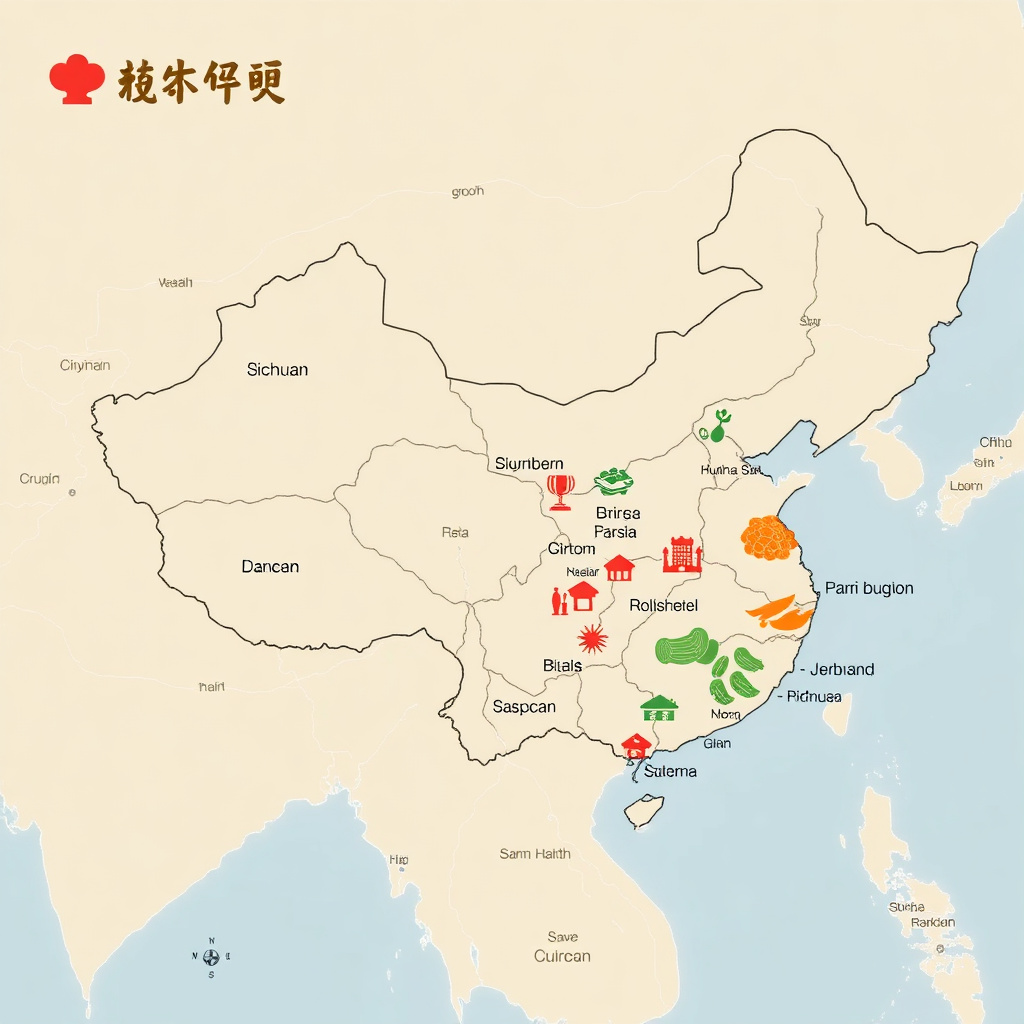
Kung Pao Chicken originates from the Sichuan province but has been adapted in various regions and internationally. The dish is named after Ding Baozhen, a Qing dynasty official whose title was 'Kung Pao.' It traditionally includes diced chicken, peanuts, and chili peppers, combining savory, sweet, and spicy notes.
The dish reflects Western Chinese culinary influences, balancing flavors with a moderate heat level and a slightly sweet undertone, making it approachable to broader audiences outside of China.
Szechuan Chicken’s Place in Sichuan Cuisine
Szechuan Chicken represents the classic flavor profile of Sichuan cuisine, famous for its pungent heat and numbing spice from Szechuan peppercorns. It uses fresh chili peppers and a complex array of seasonings, emphasizing boldness and balance.
Unlike Kung Pao Chicken, Szechuan Chicken is typically hotter and emphasizes a dry stir-fried style or a braised version, showcasing the region’s signature 'mala' (numbing spicy) flavor that enthusiasts crave.
Key Ingredients and Flavor Profiles of Kung Pao Chicken vs Szechuan Chicken

Essential Ingredients in Kung Pao Chicken
Kung Pao Chicken uses diced chicken breast or thigh, roasted peanuts, dried red chili peppers, garlic, and ginger. Soy sauce, sugar, and Chinese black vinegar contribute to a balanced sweet and tangy sauce coating the chicken pieces.
The flavor profile combines spicy, sweet, and savory elements with a crunchy peanut texture that softens the heat, creating an approachable spicy Chinese chicken dish.
- Diced chicken breast or thigh
- Roasted peanuts
- Dried red chilies
- Soy sauce and Chinese black vinegar
- Sugar for sweetness
Defining Flavors and Ingredients in Szechuan Chicken
Szechuan Chicken prominently features Szechuan peppercorns, fresh or dried chili peppers, garlic, ginger, scallions, and doubanjiang (fermented chili bean paste), which contribute to its trademark numbing heat. Chicken is often cut into strips or bite-sized pieces for rapid stir-frying.
This dish tends to be drier and intensely spicy, with a bold, savory umami flavor coupled with the tongue-tingling sensation from Szechuan peppercorns, differentiating it significantly from Kung Pao Chicken.
- Szechuan peppercorns
- Doubanjiang (fermented chili bean paste)
- Fresh chili peppers
- Garlic, ginger, scallions
Preparation Methods and Cooking Techniques
How to Prepare Authentic Kung Pao Chicken
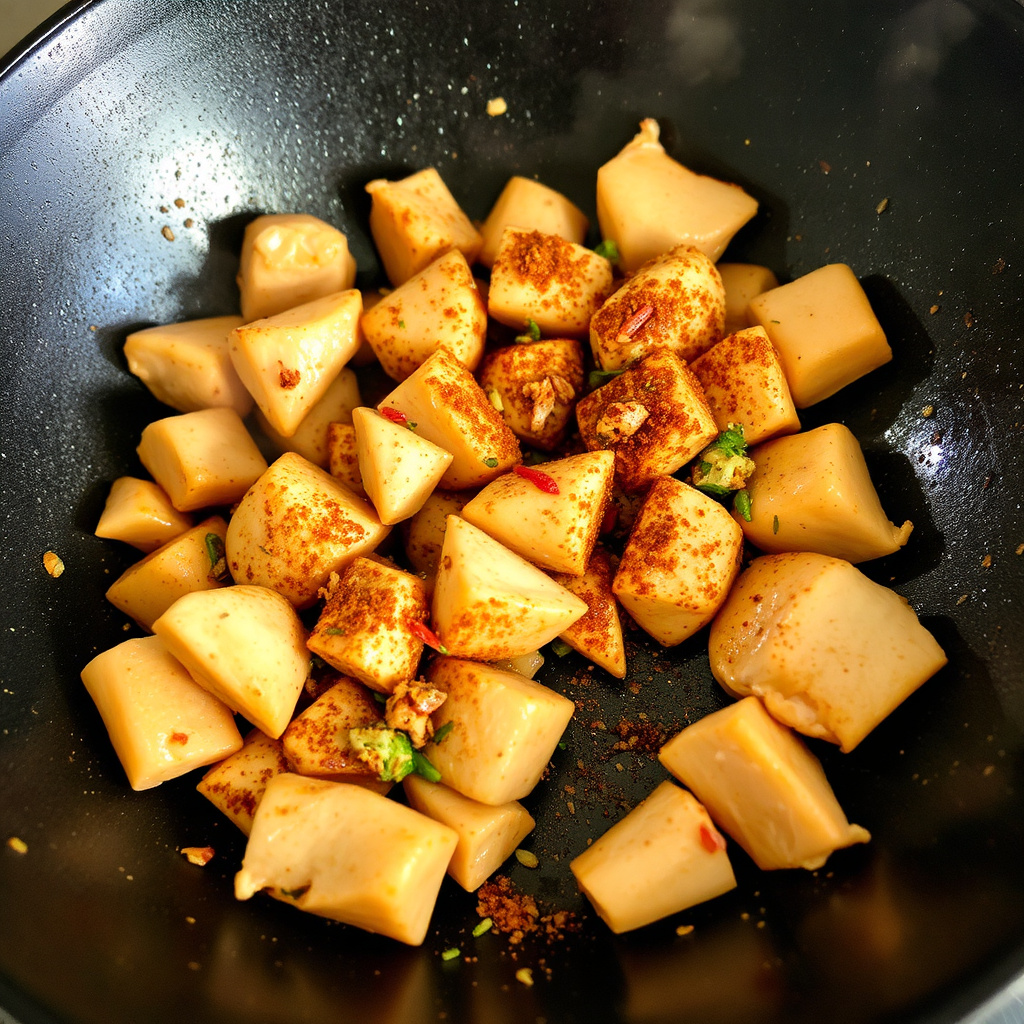
Kung Pao Chicken involves marinating chicken pieces with soy sauce and cornstarch, then stir-frying them quickly over high heat. The peanuts are roasted separately for crunch. The sauce is made with a blend of soy sauce, vinegar, sugar, and a small amount of chili for moderate spice.
The dish is assembled by combining the cooked chicken with the sauce and roasted peanuts, resulting in a glossy, flavorful coating that balances heat with sweetness and acidity.
- Marinate chicken with soy sauce and cornstarch
- Quick high-heat stir-fry
- Roast peanuts separately
- Use a balanced sweet-spicy sauce
For more on this, see our related guide: How to Make Hot and Sour Soup: A Step-by-Step Guide.
Stir-Frying Szechuan Chicken for Maximum Flavor
Szechuan Chicken requires preparing a spice mixture incorporating Szechuan peppercorns and chili bean paste. The chicken is stir-fried quickly over very high heat to develop a smoky aroma, often called 'wok hei.'
Sauce reduction is key to achieving the dry, spicy coating synonymous with this dish. Fresh chilies and peppercorns are added near the end to preserve their distinct flavors and the signature numbing sensation.
- Use high heat for wok hei
- Incorporate freshly ground Szechuan peppercorns
- Utilize fermented chili bean paste
- Add fresh chilies at the end
Spice Levels and Heat Profiles in Kung Pao Chicken and Szechuan Chicken

Moderate Heat in Kung Pao Chicken
Kung Pao Chicken typically offers a moderate level of spiciness, suitable for people who enjoy heat without overwhelming their palate. The dried red chilies provide warmth, but the sweetness and acidity balance and soften the heat effect.
Peanuts also play a role in mellowing out the chili intensity, providing textural and flavor contrast that makes this spicy Chinese chicken dish appealing to a broad audience.
Intense and Numbing Heat in Szechuan Chicken
Szechuan Chicken is known for its intense 'mala' heat, which combines fiery spiciness with the characteristic numbing effect of Szechuan peppercorns. This sensation can be surprising for those unfamiliar with this type of chili experience.
The spice level can be adjusted but traditionally leans toward high heat, satisfying enthusiasts who seek bold, tongue-tingling flavors that are signature to many spicy Chinese chicken dishes.
Serving Styles and Pairings for Each Dish

Typical Presentation of Kung Pao Chicken
Kung Pao Chicken is commonly served hot, garnished with roasted peanuts and chopped scallions. Its vibrant red color complements plain steamed rice, which helps balance the dish’s spice and sweetness.
Because of its moderate heat, Kung Pao goes well with lighter sides like stir-fried vegetables or simple soups, making it a versatile choice for diverse meals.
For more on this, see our related guide: What is General Tso Sauce Made Of? A Complete Ingredient Breakdown.
Szechuan Chicken Serving Suggestions
Szechuan Chicken typically appears glistening with dry spice flakes, served alongside steamed or fried rice to manage its potent heat. It pairs well with cooling cucumber salads or mild vegetable dishes to contrast the numbing spice.
This dish is often part of larger family-style meals where its boldness is balanced by other flavors and textures, highlighting its role as a centerpiece for spice lovers.
Health Considerations and Dietary Variations

Nutritional Aspects of Kung Pao Chicken
Kung Pao Chicken provides protein from chicken and healthy fats from peanuts but can be higher in sodium and sugar due to soy sauce and added sugars. Opting for lower-sodium soy and reduced sugar versions can make it healthier.
Vegetable additions like bell peppers or zucchini can increase fiber and nutrient content, balancing the dish for a well-rounded meal.
To learn more about the rich and diverse flavors of Szechuan cuisine, including the origins of these dishes, visit this detailed overview. Sichuan cuisine.
Diet-Friendly Adjustments for Szechuan Chicken
While Szechuan Chicken is rich in flavorful spices, it is typically low in sugar. However, the intense spice level may not suit all diets. Using less oil, controlling portion size, and substituting chicken breast for fattier cuts can reduce calories and fat.
For those sensitive to spice, moderating chili and peppercorn content offers a way to enjoy the dish without overwhelming heat, maintaining enjoyment of these spicy Chinese chicken dishes.
Comparison of Kung Pao Chicken and Szechuan Chicken
This table summarizes the key differences and similarities between Kung Pao Chicken and Szechuan Chicken across essential categories.
| Category | Kung Pao Chicken | Szechuan Chicken |
|---|---|---|
| Primary Flavor | Sweet, mildly spicy, savory | Bold, numbing, intensely spicy |
| Main Spices | Dried red chilies, peanuts | Szechuan peppercorns, chili bean paste |
| Cooking Style | Marinated stir-fry with sauce | Dry stir-fry or braised with spice paste |
| Typical Heat Level | Moderate | High (mala spicy) |
| Texture Emphasis | Crunchy peanuts & tender chicken | Tender chicken with aromatic spices |
| Regional Origin | Sichuan province, adapted globally | Authentic Sichuan region specialty |
Frequently Asked Questions
Is Kung Pao Chicken the same as Szechuan Chicken?
No, although both originate from Sichuan cuisine and are spicy chicken dishes, Kung Pao Chicken is sweeter and uses peanuts, while Szechuan Chicken is hotter with a numbing effect from peppercorns.
Which dish is spicier, Kung Pao or Szechuan Chicken?
Szechuan Chicken is generally spicier due to the use of Szechuan peppercorns and chili bean paste, offering a more intense and numbing heat compared to the milder Kung Pao Chicken.
Can I prepare Kung Pao Chicken and Szechuan Chicken at home easily?
Yes, both dishes can be prepared at home with common Chinese ingredients, but Szechuan Chicken requires specific spices like Szechuan peppercorns and fermented chili bean paste for authentic flavor.
What dishes go well with Kung Pao Chicken and Szechuan Chicken?
Both pair well with steamed rice and simple vegetable sides. Mild sides like cucumber salad help balance Szechuan Chicken's heat, while stir-fried vegetables complement Kung Pao's sweeter profile.
Are these dishes suitable for people who don’t like spicy food?
Kung Pao Chicken offers moderate spiciness and may be suitable for some who tolerate mild heat. Szechuan Chicken’s intense spice and numbing heat make it less suitable for those sensitive to spicy flavors.
Key Takeaways
- Kung Pao Chicken is mildly spicy with a sweet-savory balance and crunchy peanuts.
- Szechuan Chicken features a bold, numbing heat from Szechuan peppercorns and chili bean paste.
- Preparation methods differ, with Kung Pao focusing on saucy stir-fry and Szechuan emphasizing dry, spicy coatings.
- Both dishes pair well with steamed rice but suit different spice preferences.
Conclusion
Choosing between Kung Pao Chicken vs Szechuan Chicken largely depends on your tolerance for spice and preference for flavor complexity. Kung Pao offers a friendlier introduction to spicy Chinese chicken dishes with its balanced sweet and mild heat, while Szechuan Chicken appeals to those craving bold, numbing, and fiery sensations distinctive to genuine Sichuan cooking. Understanding the ingredients and regional context deepens your appreciation for the culinary traditions that shaped these dishes.
For diners seeking moderate heat and a familiar flavor profile, Kung Pao Chicken is an excellent option, especially with its combination of crunchy peanuts and a tangy sauce. In contrast, adventurous eaters who enjoy intense heat and the characteristic mouth-tingle of Szechuan peppercorns should explore the more authentic Szechuan Chicken, often prepared with doubanjiang and fresh chilies to capture the true mala experience. Home cooks can recreate both dishes by sourcing specialized ingredients such as fermented chili bean paste for Szechuan Chicken and adjusting the chili quantity to suit heat preferences.
If you're new to spicy Chinese chicken dishes, trying Kung Pao Chicken first helps build a palate for heat before moving to more intense dishes like Szechuan Chicken. For an authentic taste, visiting a reputable Sichuan restaurant or using a trusted recipe with correct spices can elevate your experience. By identifying your flavor preferences and heat tolerance, you can savor these classic dishes fully and enjoy the rich culinary heritage they represent.



One Comment