What Is in Egg Rolls? Understanding Their Classic and Varied Fillings
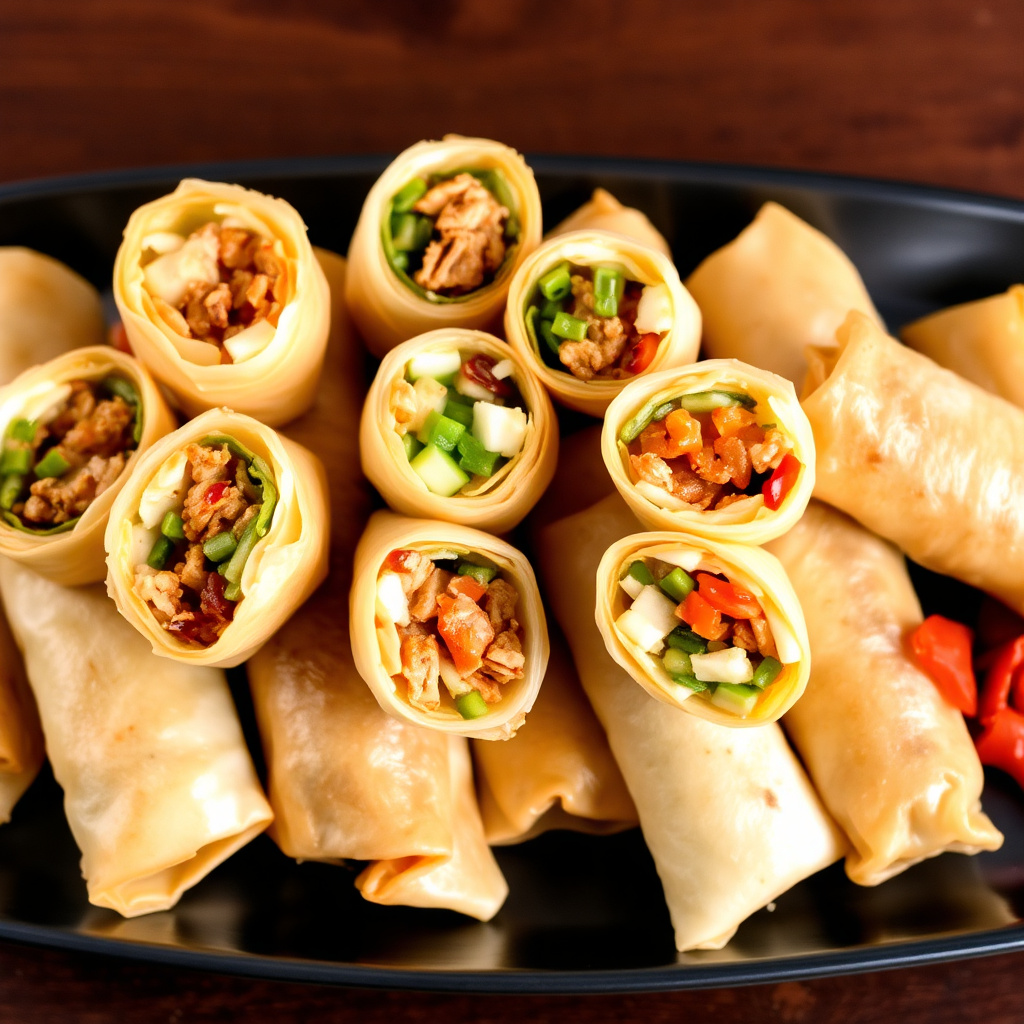
Egg rolls typically contain a savory mixture of shredded cabbage, chopped meat such as pork or chicken, and various seasonings wrapped in a thin wheat flour skin. They are then fried until crisp and golden. This combination of ingredients is what defines the classic egg roll filling.
Knowing what is in egg rolls helps you identify the flavors and textures you enjoy, especially since they are a popular appetizer in many Asian cuisines and American Chinese restaurants. The filling’s balance of crunchy vegetables and tender meat wrapped in a crisp exterior is what makes egg rolls unique and appealing.
This article will explain the common ingredients found in egg rolls, variations based on different regions or dietary preferences, and tips for making homemade egg rolls with your preferred fillings.
Common Ingredients in Traditional Egg Rolls

Vegetables Used in Egg Roll Fillings
Shredded cabbage is the most common vegetable in egg rolls, adding crunch and sweetness. Additionally, grated carrots and chopped green onions frequently appear to complement the flavor and texture. Sometimes bean sprouts and mushrooms are used for extra moisture and umami depth.
These vegetables are typically stir-fried briefly to retain some crispness and to meld the flavors before being wrapped. The combination of cabbage and carrots provides a classic balance that supports the savory meat filling.
- Shredded green or Napa cabbage
- Grated carrots
- Chopped green onions
- Bean sprouts
- Mushrooms
Typical Proteins in Egg Roll Fillings
Pork is the most traditional protein, often ground or finely chopped, providing richness and umami. Ground chicken and shrimp are popular alternatives that offer lighter or seafood flavors. Tofu may be used in vegetarian versions to add protein.
The meat is seasoned with garlic, ginger, soy sauce, and sometimes five-spice powder to create a deeply savory filling. Cooking the protein with soy sauce and aromatics ensures the filling is flavorful and moist.
- Ground pork
- Ground chicken
- Shrimp
- Firm tofu (vegetarian option)
Flavor Enhancers and Seasonings Commonly Found in Egg Rolls

Sauces and Aromatics
Soy sauce is a principal seasoning, imparting saltiness and depth to the filling. Garlic and fresh ginger add fragrant sharpness, while oyster sauce or hoisin sauce may be included to enhance sweetness and complexity.
Some recipes call for sesame oil to introduce a nutty aroma and richness. A pinch of white pepper or five-spice powder adds subtle warmth and aroma, rounding out the savory profile.
- Soy sauce
- Garlic
- Fresh ginger
- Oyster sauce
- Hoisin sauce
- Sesame oil
- White pepper
- Chinese five-spice
For more on this, see our related guide: What Is Imitation Crab? Understanding This Popular Seafood Substitute.
Textural and Taste Balances
Cornstarch or flour is sometimes used to bind the filling and keep it juicy inside the wrapper. Some cooks add sugar to balance the savory ingredients, enhancing overall flavor harmony.
Chili flakes or chopped fresh chili peppers can be included for heat, adjusted according to taste preferences. The combination of sweet, salty, savory, and spicy elements creates the signature taste experience inside an egg roll.
Variations in Egg Roll Fillings Across Cuisines
American Chinese Egg Rolls
In American Chinese cuisine, egg rolls often feature a pork and cabbage base with added carrots and sometimes bean sprouts. This version tends to be larger, heavily fried, and served with sweet and sour or duck sauce.
The filling is usually dense and balanced to achieve a crispy texture on the outside with a savory, juicy inside. Some restaurants incorporate celery or water chestnuts for extra crunch.
Asian Regional Variants
Vietnamese egg rolls (chả giò) may use ground pork mixed with crab or shrimp and rice paper wrappers instead of wheat flour. They include glass noodles and fermented fish sauce for a different flavor profile.
Some Chinese regional styles add pickled vegetables, dried mushrooms, or chestnuts to vary texture and taste, reflecting local ingredient availability and preferences.
Vegetarian and Vegan Egg Roll Fillings

Common Vegetarian Alternatives
Vegetarian egg roll fillings replace meat with tofu, tempeh, or extra vegetables like shredded mushrooms, cabbage, carrots, and bamboo shoots. Tofu should be firm and pressed to avoid sogginess.
Adding glass noodles or water chestnuts can boost texture variety while keeping the filling light and fresh. Nutritional yeast or soy sauce adds an umami note without meat.
- Firm tofu
- Bamboo shoots
- Shredded mushrooms
- Glass noodles
- Water chestnuts
For more on this, see our related guide: What Is Tobiko? A Guide to the Vibrant Japanese Fish Roe.
Vegan Seasonings and Binding Ingredients
Vegan fillings omit eggs and dairy, so cornstarch or arrowroot powder are used as binding agents. Miso paste or mushroom seasoning powder enhance savory depth.
Sesame oil, soy sauce, garlic, and fresh ginger remain key flavor bases. This ensures vegan egg rolls are flavorful, savory, and texturally satisfying.
Making Egg Rolls at Home: Ingredient Tips and Preparation

Choosing and Preparing Fillings
Using fresh, finely shredded vegetables ensures even cooking and a cohesive filling texture. Pre-cook meats and vegetables to release excess moisture, so the filling stays firm inside the wrapper.
Season fillings with soy sauce, garlic, and ginger early and taste before wrapping to fine-tune seasoning. Keeping fillings relatively dry prevents soggy wrappers during frying.
For a detailed history and variations of egg rolls, refer to the Egg roll Wikipedia article. Egg roll Wikipedia article.
Wrapper Selection and Frying Techniques
Traditional egg roll wrappers are thicker and wheat-based, suitable for deep frying to achieve a crispy shell. Spring roll wrappers are thinner and best served fresh or lightly fried.
Deep fry egg rolls in hot oil (350-375°F) to crisp the exterior quickly without overcooking the filling. Drain well on paper towels and serve hot for the best texture.
- Wheat-based egg roll wrappers
- Deep frying at 350-375°F
- Draining on paper towels
Egg Roll Filling Types Comparison
This table compares common egg roll filling categories based on typical ingredients, flavor profiles, and dietary suitability.
| Filling Type | Main Ingredients | Flavor Profile | Dietary Suitability |
|---|---|---|---|
| Pork and Cabbage | Ground pork, shredded cabbage, carrots | Savory, umami, slightly sweet | Non-vegetarian |
| Chicken and Vegetables | Ground chicken, green onions, carrots | Light, mildly savory | Non-vegetarian |
| Shrimp and Glass Noodles | Shrimp, glass noodles, mushrooms | Seafood flavor, tender | Non-vegetarian |
| Vegetarian | Tofu, shredded cabbage, mushrooms | Umami, fresh, mild | Vegetarian/Vegan |
| Vietnamese Style | Ground pork, crab or shrimp, rice paper, fish sauce | Complex, slightly tangy | Non-vegetarian |
Frequently Asked Questions
Are egg rolls always fried?
Egg rolls are traditionally deep-fried to achieve a crispy texture, but some versions can be baked or air-fried for a healthier option, though the texture will differ.
What is the difference between egg rolls and spring rolls?
Egg rolls usually have thicker wheat wrappers and are fried, filled with meat and vegetables, whereas spring rolls often use thin rice paper and are served fresh or lightly fried.
Can egg rolls be made vegetarian?
Yes, vegetarian egg rolls commonly include tofu, mushrooms, bamboo shoots, and shredded vegetables, seasoned to create flavorful, meat-free fillings.
What sauces are best to serve with egg rolls?
Sweet and sour sauce, duck sauce, soy sauce, or hot mustard are popular accompaniments that complement the savory flavors of egg rolls.
How can I prevent egg rolls from becoming soggy?
Ensure the filling is well-drained and not too moist, use fresh, dry wrappers, and fry them at the correct oil temperature to maintain crispiness.
Key Takeaways
- Classic egg roll fillings combine pork, cabbage, and aromatic seasonings.
- Vegetarian and vegan fillings use tofu and vegetables with umami flavor enhancers.
- Seasonings like soy sauce, garlic, and ginger define the savory taste.
- Proper preparation and frying techniques are essential for crispy egg rolls.
Conclusion
Deciding what is in egg rolls comes down to identifying the harmonious blend of shredded vegetables, seasoned proteins, and complementary sauces wrapped inside a crisp, fried shell. The traditional filling features pork and cabbage balanced by garlic, ginger, soy sauce, and sometimes additions like carrots or mushrooms. This core informs most classic and homemade egg roll recipes.
For those inclined toward dietary preferences, variations such as chicken-based, shrimp-filled, or vegetarian options adapt the main flavors accordingly. Vegetarian egg rolls frequently substitute tofu and add mushrooms, bamboo shoots, and glass noodles to maintain texture and savor. Each type reflects different flavor profiles while maintaining the egg roll’s defining crispy exterior and juicy filling.
If making egg rolls at home, focus on fresh, dry ingredients and seasoning every component. Use wheat-based wrappers if you want the traditional crisp, and fry at the right temperature to avoid sogginess. Whether you choose pork and cabbage or a vegan filling, understanding what is in egg rolls will help you create or select options tailored to your taste.