Is Egg Drop Soup Healthy? Nutritional Benefits and Health Considerations
Egg drop soup can be a healthy addition to your diet, especially when made with minimal salt and wholesome ingredients. It primarily consists of broth, beaten eggs, and simple seasonings, which provide protein and essential nutrients without excessive calories or fat. Eating a bowl of egg drop soup offers hydration and a light source of nutrition, making it a popular choice for those seeking a lighter meal or a comforting dish during illness.
This soup’s healthiness largely depends on its preparation and the ingredients used. While traditional versions are low in calories and fat, commercially prepared or restaurant variants may contain higher sodium levels or additives that affect their nutritional profile. Understanding these factors helps to integrate egg drop soup into a balanced diet effectively without compromising dietary goals.
This article explores the nutritional components of egg drop soup, its potential health benefits, risks of consuming certain versions, and tips for making it healthier at home. We’ll also compare it with other soups and discuss when it can be particularly beneficial as part of your meals.
Nutritional Breakdown of Egg Drop Soup
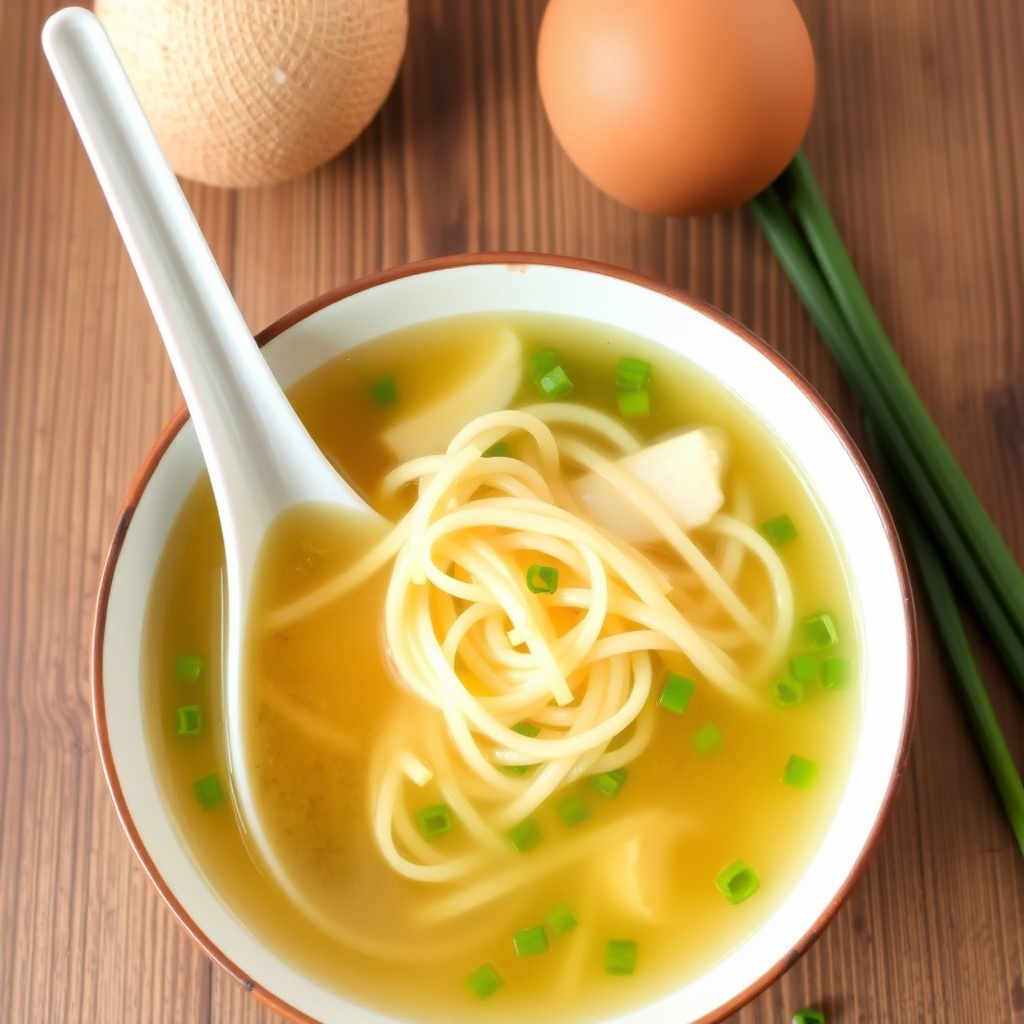
Macronutrients in Egg Drop Soup
Egg drop soup mainly provides protein from eggs and a small amount of carbohydrates and fat, depending on the broth used. A typical serving contains approximately 70 calories, 5 grams of protein, and 2 grams of fat. This makes it relatively low in calories while offering a decent protein boost, which supports muscle repair and satiety.
The simple carbohydrate content is low, making egg drop soup suitable for those monitoring their carb intake. Because it’s broth-based, it’s also hydrating and light on the digestive system, providing a nutrient-dense option without heaviness.
Micronutrients and Vitamins
Eggs contribute several essential micronutrients such as vitamin A, B vitamins (including B12 and riboflavin), selenium, and phosphorus. The soup also contains small amounts of iron and calcium depending on the broth base, especially if made from bone broth or enriched stock.
Additional ingredients like green onions, ginger, or mushrooms often used in recipes add antioxidants and trace vitamins that support immune function and overall well-being.
Health Benefits of Egg Drop Soup

Supports Immune Health and Hydration
Egg drop soup's warm broth helps maintain hydration, particularly beneficial when recovering from illness. The protein from eggs supports tissue repair and immune system functioning, making it a comforting choice during colds or flu.
Ingredients like ginger and green onions can contribute mild anti-inflammatory and antimicrobial properties, adding to the soup’s supportive role in managing symptoms or boosting health.
Low-Calorie and Easy to Digest
Because egg drop soup is low in fat and calories but contains protein, it serves as a light yet nourishing option for those aiming to lose weight or maintain a controlled diet. Its simplicity also makes it easy on the stomach, aiding digestion for people dealing with gastrointestinal discomfort or low appetite.
This combination supports energy levels without overloading the digestive system, making egg drop soup a practical meal choice in many dietary plans.
Potential Health Concerns with Egg Drop Soup

Sodium Content and Blood Pressure
One common issue with egg drop soup, particularly store-bought or restaurant-prepared versions, is high sodium content. Excess sodium can raise blood pressure and increase heart disease risk if consumed frequently in large amounts.
People monitoring their salt intake should opt for low-sodium broth or prepare the soup at home with limited added salt to mitigate this concern.
- Check nutrition labels when buying pre-made soup
- Use reduced-sodium broth alternatives
- Limit added soy sauce or salty condiments
For more on this, see our related guide: Is Wonton Soup Healthy? A Nutritional Breakdown and Buying Guide.
Allergies and Food Sensitivities
Egg drop soup contains eggs, which are a common allergen. Individuals with egg allergies should avoid this soup or use substitutes. Additionally, some commercial versions include additives or MSG that may cause adverse reactions in sensitive individuals.
With home preparation, you can control ingredients to minimize these risks and tailor the soup to specific dietary needs.
Making Egg Drop Soup Healthier at Home

Choosing the Right Broth
Starting with a low-sodium or homemade bone broth can significantly improve the nutritional quality of egg drop soup. Bone broth enhances mineral content and may provide collagen, which benefits joint and skin health.
Vegetable broth is another low-calorie, nutrient-rich option that complements the eggs well while keeping the soup light.
- Use homemade broth for full control
- Opt for low-sodium commercial broths
- Avoid broths with added preservatives
Enhancing Flavor without Extra Calories
Add fresh herbs like cilantro or chives, grated ginger, and a dash of white pepper to intensify flavor without relying on salt. Incorporating small amounts of vegetables such as spinach or mushrooms adds fiber and extra nutrients, improving satiety and micronutrient diversity.
Limiting soy sauce or replacing it with a splash of lemon juice can reduce sodium while adding complexity.
- Add fresh herbs and spices
- Include nutrient-rich vegetables
- Limit soy sauce and salty condiments
Egg Drop Soup Compared to Other Soups

Egg Drop Soup vs Chicken Noodle Soup
Egg drop soup is generally lower in calories and carbohydrates than chicken noodle soup, which typically contains noodles contributing to higher carb content. Both offer protein, but the broth type differs; chicken noodle often has more sodium and fat depending on preparation.
Egg drop soup is lighter and digests more quickly, making it a better choice for sensitive stomachs or light meals.
For more on this, see our related guide: How to Make Egg Drop Soup: A Simple and Delicious Recipe.
Egg Drop Soup vs Miso Soup
Compared to miso soup, egg drop soup provides more protein due to the eggs, while miso offers probiotics and certain vitamins from fermented soybeans. However, miso soup can also have high sodium levels similar to egg drop soup from commercial sources.
Both soups can play complementary roles in a healthy diet depending on nutritional focus and flavor preferences.
Who Should Eat Egg Drop Soup?

Suitable for Weight Management and Recovery
Egg drop soup fits well into weight management plans due to its low-calorie, high-protein properties that promote fullness with minimal calories. It also suits people recovering from illness or surgery, needing nourishment without heavy foods.
Its easy digestibility supports nutrient absorption during times when appetite might be low.
For more detailed information about the origins and variations of egg drop soup, you can visit the Egg drop soup Wikipedia page. Egg drop soup on Wikipedia.
Considerations for People with Dietary Restrictions
Those with egg allergies should avoid egg drop soup or substitute with alternative proteins. Additionally, individuals on low-sodium diets must prepare the soup carefully or select low-sodium products to prevent exceeding daily salt limits.
Pregnant or breastfeeding women can enjoy egg drop soup if ingredients are fresh and eggs are properly cooked to avoid foodborne risks.
Egg Drop Soup Category Comparison
Here’s a comparison of egg drop soup variations based on broth type, calorie count, protein content, and sodium level.
| Category | Broth Type | Calories (per serving) | Protein (g) | Sodium (mg) |
|---|---|---|---|---|
| Traditional Egg Drop Soup | Chicken broth | 70 | 5 | 800 |
| Low-Sodium Egg Drop Soup | Low-sodium chicken broth | 65 | 5 | 300 |
| Vegetable-Based Egg Drop Soup | Vegetable broth | 60 | 5 | 400 |
| Commercial Instant Egg Drop Soup | Powdered broth | 90 | 4 | 1200 |
| Homemade Bone Broth Egg Drop Soup | Bone broth | 80 | 6 | 350 |
Frequently Asked Questions
Is egg drop soup good for weight loss?
Yes, egg drop soup is low in calories and high in protein, making it a filling and nutritious option that supports weight loss when consumed as part of a balanced diet.
Can people with high blood pressure eat egg drop soup?
People with high blood pressure should choose low-sodium versions or prepare egg drop soup at home to control salt content and avoid sodium-related health risks.
Is egg drop soup suitable for people with egg allergies?
No, egg drop soup contains eggs and should be avoided by individuals allergic to eggs to prevent allergic reactions.
Can egg drop soup be made vegetarian?
Yes, by using vegetable broth and omitting any animal-based ingredients, egg drop soup can be made vegetarian-friendly while retaining its key characteristics.
Does egg drop soup provide enough nutrients for a meal?
Egg drop soup offers protein and some vitamins but is usually light. It’s best used as a starter or part of a meal to complement other nutrient sources.
Key Takeaways
- Egg drop soup is a low-calorie, protein-rich option beneficial for hydration and digestion.
- Sodium content can be high in some versions; choosing low-sodium broth is advisable.
- Homemade preparation allows control over flavor and nutritional quality.
- Egg drop soup offers a comforting, light meal suited for weight management and recovery.
Conclusion
Determining whether egg drop soup is healthy depends on how it’s prepared and the context of your diet. Its main strengths lie in its low calorie count, moderate protein content, and hydration benefits thanks to the broth base. Careful consideration of sodium content is essential, especially with commercial or restaurant versions, to keep the soup within a heart-healthy and balanced diet. For egg drop soup, like any food, quality of ingredients and portion control directly influence its health benefits.
Those seeking a light, nutritious meal can opt for homemade or low-sodium variants of egg drop soup. For example, using bone broth with fresh herbs increases micronutrient content while keeping calories minimal. If you want a comforting soup during illness or a simple protein source during weight loss efforts, egg drop soup fits these scenarios well. However, people with egg allergies or strict low-sodium requirements should always read labels or customize recipes to avoid adverse effects.
As a practical next step, consider making your own egg drop soup to tailor ingredients to your taste and dietary needs. Using fresh eggs, low-sodium broth, and adding vegetables or herbs will maximize nutritional benefits. Incorporate egg drop soup into your meal rotation thoughtfully to enjoy its light yet nourishing qualities without compromising health goals.