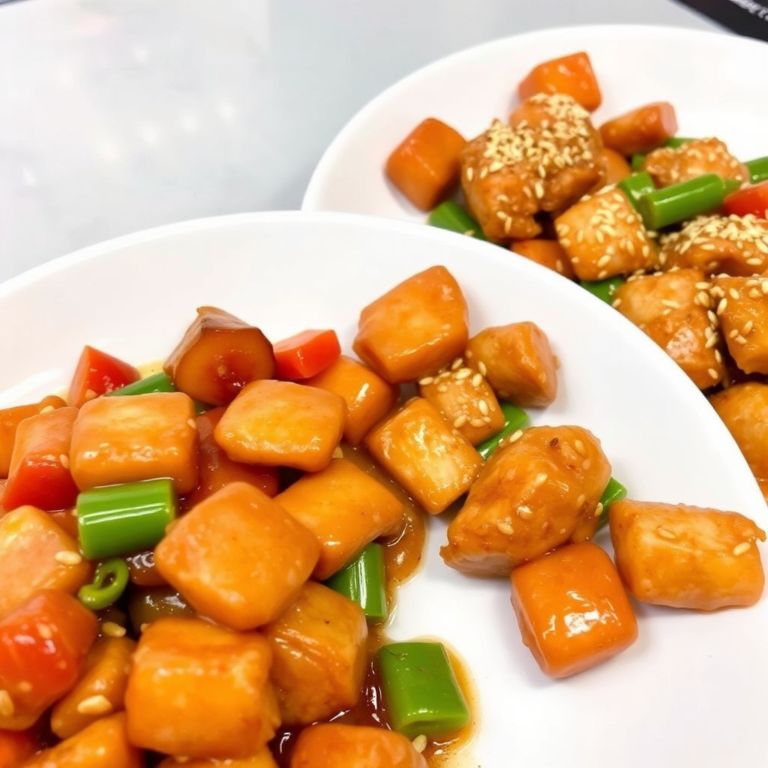
Lowest Calorie Chinese Food: Smart Choices for Healthy Eating
If you're trying to eat Chinese food without consuming too many calories, focus on dishes that are steamed, stir-fried with minimal oil, or broth-based. Clear soups, steamed vegetables, and lean proteins like chicken or tofu usually have fewer calories than deep-fried or heavy-sauced items. Avoid the typical high-calorie dishes like General Tso's chicken, egg rolls, or fried rice, which tend to be loaded with fat and carbohydrates.
Choosing the lowest calorie Chinese food matters because many traditional dishes are prepared with large amounts of oil, sauces high in sugar and sodium, or deep-fried components. By picking dishes with lean proteins, fresh vegetables, and lighter cooking methods, you can enjoy the flavor and variety of Chinese cuisine while keeping calories in check. This approach supports your nutrition goals and can fit well into balanced meal plans.
This article breaks down various types of Chinese dishes by calorie content, explains healthier cooking styles, lists specific low-calorie options, and provides tips for ordering at restaurants. You’ll also find a helpful comparison of popular meal categories to make informed decisions next time you crave Chinese food.
Understanding Cooking Methods and Their Calorie Impact

Steamed and Boiled Dishes
Steaming and boiling are two of the lowest calorie cooking methods often used in Chinese cuisine. These methods avoid extra fat by cooking with minimal or no oil, preserving the natural flavors and nutrients of the ingredients. Dishes like steamed dumplings, vegetable medleys, and steamed fish fall into this category.
Because steaming does not add calories from oil or batter, these dishes tend to be lighter and less dense in calories. They’re an excellent choice for those monitoring intake or wanting a nutritious meal without sacrificing taste.
- Steamed dumplings with lean protein
- Steamed fish with ginger and scallions
- Boiled vegetable soups
Stir-Frying with Minimal Oil
Stir-frying can be relatively low in calories if done correctly. This method quickly cooks ingredients over high heat using a small amount of oil, which helps retain the texture and flavor of vegetables and proteins. Opting for dishes prepared with minimal oil and light sauces reduces calorie load significantly.
Choosing chicken, shrimp, tofu, or lean cuts of beef and avoiding heavy sauces like sweet and sour or creamy sauces keeps the calorie count controlled. Stir-fried vegetable dishes also provide fiber and vitamins without extra calories.
- Stir-fried chicken with broccoli
- Shrimp and vegetable stir-fry
- Tofu and mixed vegetable stir-fry
Low-Calorie Chinese Food Proteins

Chicken and Seafood Options
Chicken breast and seafood like shrimp or white fish are often lower in calories compared to red meats and are also high in protein, which supports satiety. Choosing dishes such as steamed chicken with vegetables or shrimp in garlic sauce can provide nutritious meals without excessive calories.
Avoid dishes where proteins are battered and deep-fried, as this usually doubles the calorie content. Grilled or steamed preparations go a long way toward keeping the calorie count down while retaining flavor.
- Steamed chicken with vegetables
- Shrimp in garlic sauce
- Grilled fish with ginger
Tofu and Plant-Based Proteins
Tofu is a staple in healthy Chinese cooking because of its low calorie density and versatility. It absorbs flavors well and can be steamed, stir-fried, or added to soups. Dishes like tofu with mixed vegetables or hot and sour soup with tofu offer satisfying, low-calorie options that fit into varied diets.
Plant-based proteins also tend to be rich in fiber and beneficial nutrients, so incorporating tofu or other soy products can improve overall nutritional quality without adding many calories.
- Steamed tofu with mushrooms
- Tofu and vegetable stir-fry
- Hot and sour soup with tofu
Vegetable-Forward Low-Calorie Chinese Food

Steamed Vegetables and Side Dishes
Steamed Chinese vegetables such as bok choy, snow peas, and Chinese broccoli offer naturally low-calorie sides full of fiber and antioxidants. When served plain or with light soy sauce, they add volume and nutrients without adding much fat or calories.
Such vegetable sides complement meals by balancing richer proteins or rice dishes, keeping overall calorie intake manageable and boosting fullness.
- Steamed bok choy
- Steamed Chinese broccoli with garlic
- Steamed mixed vegetables
For more on this, see our related guide: How Many Calories Are in Lo Mein? A Nutritional Breakdown.
Vegetable-Based Soups and Broths
Broth-based soups with vegetables like hot and sour soup or clear vegetable soup are among the lowest calorie options. They are hydrating and help fill you up early, potentially reducing the amount eaten during the main course.
Most vegetable soups use low-fat broth, rely on fresh ingredients, and exclude heavy cream or excessive oil, which keeps calories low while providing warming, flavorful experiences.
- Hot and sour soup with vegetables
- Clear vegetable broth soup
- Tofu and vegetable soup
Ingredients and Sauces to Avoid for Lower Calories

High-Calorie Sauces and Add-Ons
Many popular Chinese sauces like sweet and sour, General Tso’s sauce, and creamy peanut or sesame sauces contain added sugars and fats, increasing calories substantially. Opting for lighter sauces such as soy sauce or chili sauce reduces calorie and sugar intake.
Limit the use of sauces dripping with sugar, starch, or oil that disguise themselves in rich flavors but add unnecessary calorie load to otherwise healthy dishes.
- Sweet and sour sauce
- General Tso’s sauce
- Thick peanut or sesame sauces
Deep-Fried Ingredients and Their Calorie Impact
Deep-fried items such as egg rolls, crab rangoon, fried wontons, and battered meats can double or triple the calorie count compared to their steamed or stir-fried counterparts. These dishes absorb large amounts of cooking oil and often contain added fillers.
Avoiding deep-fried appetizers and mains is key to choosing the lowest calorie Chinese food. Instead, pick dishes with fresh, minimally processed ingredients cooked with less oil.
- Egg rolls
- Fried wontons
- Crab rangoon
- Battered fried chicken
Making the Best Low-Calorie Chinese Food Choices When Ordering

Tips for Ordering in a Restaurant
Ask for dishes to be steamed or stir-fried with minimal oil. Request sauces on the side to control how much you consume. Substitute white rice with brown rice or extra vegetables wherever possible to increase fiber and reduce empty calories.
Avoid combo platters that typically contain fried items and large portions. Focus on vegetable and lean protein-based dishes to stay within calorie limits while still enjoying flavorful foods.
- Request no added sugar or oil
- Choose steamed or lightly stir-fried dishes
- Ask for sauces on the side
- Swap white rice for steamed vegetables or brown rice
Preparing Low-Calorie Chinese Food at Home
Cooking Chinese food at home gives full control over ingredients and portions. Using fresh vegetables, cutting back on oil, and selecting lighter sauces allows for nutritious meals with fewer calories. Stir-frying with a nonstick pan and using steaming baskets helps keep calories low.
You can recreate favorites like steamed dumplings or tofu stir-fry while avoiding the heavy oils and sugars typical in restaurant versions, making homemade meals healthier and customizable.
- Use minimal oil and light soy sauce
- Steam or bake instead of frying
- Incorporate lots of fresh vegetables
- Choose lean proteins like chicken or tofu
Lowest Calorie Chinese Food Around Popular Categories

Soups and Appetizers
Hot and sour soup, egg drop soup, and clear vegetable broth soups are among the lowest calorie starters. Skip deep-fried appetizers like egg rolls and choose steamed dumplings or fresh spring rolls if available.
Soups help with fullness and hydration without loading up on calories, making them excellent choices to start your meal.
- Hot and sour soup
- Egg drop soup
- Steamed dumplings
- Fresh spring rolls
For a comprehensive look at ingredients and cooking practices in Chinese cuisine that affect calorie content, see this Chinese cuisine nutrition overview. Chinese cuisine nutrition overview.
Main Dishes and Rice Alternatives
Opt for steamed fish, chicken with broccoli, or tofu stir-fry as main meals. Replace fried rice with steamed rice or a side of mixed vegetables. These swaps lower calorie intake while sustaining balanced nutrition.
Avoid heavy sauces and fried sides that add significant calories to your meal. Lighter mains with fresh ingredients promote satiety without excess energy.
- Steamed fish with ginger
- Chicken and broccoli stir-fry
- Tofu vegetable stir-fry
- Steamed white or brown rice
Comparison of Low-Calorie Chinese Food Categories
Here’s a quick comparison of popular Chinese food categories based on calorie content and typical healthfulness to guide your choices.
| Category | Typical Calories per Serving | Cooking Method | Common Ingredients |
|---|---|---|---|
| Steamed dishes | 150-250 | Steaming | Lean proteins, vegetables, minimal oil |
| Stir-fried dishes | 250-400 | Quick frying with small oil amounts | Proteins, vegetables, light sauces |
| Soups | 50-150 | Boiling/Simmering | Broth, vegetables, tofu, lean meats |
| Deep-fried items | 400-700+ | Deep-frying in oil | Battered meats, vegetables, sugary sauces |
| Fried rice/noodles | 350-600 | Pan-fried with oil and sauce | Rice/noodles, eggs, meat, oil |
Frequently Asked Questions
What are the lowest calorie dishes at a Chinese restaurant?
Dishes steamed or boiled with lean proteins like chicken or fish and lots of vegetables, such as steamed chicken with broccoli or hot and sour soup, typically have the lowest calories.
Is all Chinese food unhealthy or high in calories?
Not all Chinese food is high calorie. Many dishes use fresh ingredients and cooking methods like steaming and stir-frying that keep calories low.
How can I reduce calories when ordering takeout Chinese food?
Request steamed dishes, ask for sauces on the side, avoid fried items, and swap white rice for steamed vegetables to reduce calories.
Are vegetable-based soups a good low-calorie option?
Yes, broth-based vegetable soups like hot and sour soup or clear vegetable soup are very low in calories and filling.
Can tofu dishes be part of a low-calorie Chinese meal?
Absolutely. Tofu is low in calories but rich in protein, making tofu stir-fry or steamed tofu excellent choices for low-calorie meals.
Key Takeaways
- Choose steamed or boiled dishes to minimize calorie intake.
- Avoid deep-fried foods and heavy, sugary sauces.
- Select lean proteins like chicken, seafood, or tofu for low-calorie options.
- Broth-based soups and steamed vegetables are filling, low-calorie choices.
Conclusion
Deciding on the lowest calorie Chinese food involves focusing on cooking methods, ingredient choices, and portion size. Opting for steamed, boiled, or lightly stir-fried dishes helps reduce excess fat and sugars commonly added in deep frying and thick sauces. Lean proteins and abundant vegetables contribute to balanced meals that satisfy hunger without overshooting calorie goals. Understanding these factors equips you to pick smarter meals whether dining out or preparing food at home.
For those seeking specific recommendations, dishes like steamed chicken with broccoli, tofu stir-fry with mixed vegetables, and hot and sour soup offer flavorful, low-calorie options that align well with healthy eating habits. Replacing fried rice with steamed vegetables or brown rice further lowers calorie load while maintaining volume. Staying mindful of sauces and asking for modifications when ordering can transform indulgent favorites into nutritious meals that support weight management.
Next time you crave Chinese food, look for simple preparations emphasizing fresh ingredients and minimal added fats. Practicing these selection strategies makes it easier to enjoy this beloved cuisine while meeting nutritional goals. Experiment with homemade versions for even greater control over calories and ingredients, ensuring your meals are both nourishing and delicious.