Can Pregnant Women Eat Sushi? What Expecting Moms Should Know
Pregnant women can eat sushi, but with important restrictions to keep both their health and their baby's well-being safe. Raw fish and seafood carry risks of harmful bacteria and parasites, so experts generally recommend avoiding raw sushi during pregnancy. Instead, pregnant women should opt for fully cooked sushi options or vegetarian alternatives to enjoy sushi safely.
This matters because pregnancy affects the immune system, making infections more dangerous for both mother and fetus. Listeria, parasites, and mercury exposure through raw or certain fish can cause serious complications such as miscarriage or developmental issues. Considering these risks, choosing sushi carefully helps minimize potential harm while still allowing pregnant women to enjoy this popular cuisine.
In this article, we’ll examine which sushi types are safe during pregnancy, explore the risks associated with eating sushi while pregnant, and provide practical tips for choosing safer sushi options. You’ll learn how to enjoy sushi responsibly during pregnancy and when to avoid it altogether.
Understanding Risks of Sushi During Pregnancy
Foodborne Illnesses Linked to Raw Sushi
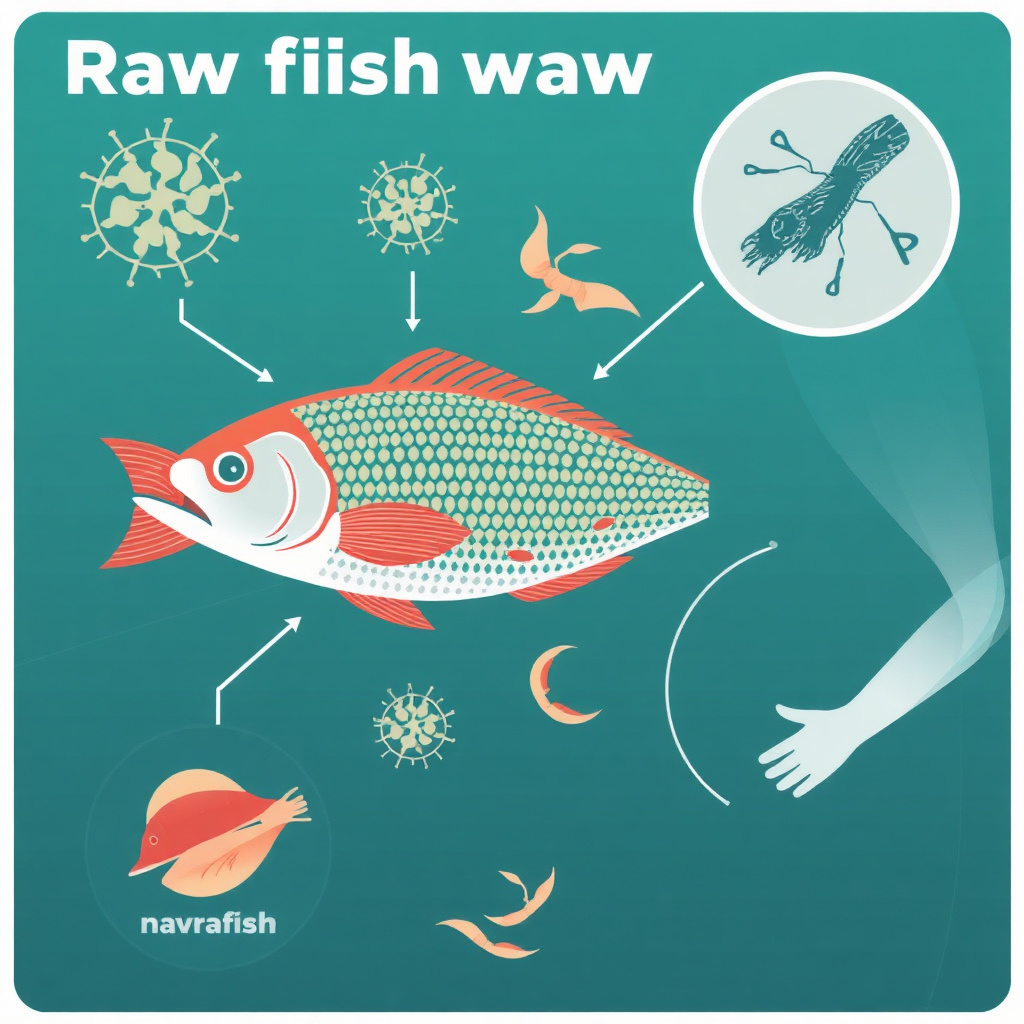
Raw fish used in sushi can harbor bacteria like Listeria monocytogenes, Salmonella, and parasites such as Anisakis. Pregnant women’s immune systems are suppressed, increasing vulnerability to infections that may cause severe outcomes, including miscarriage or preterm labor.
Listeria is particularly concerning because it can cross the placenta, infecting the fetus and leading to developmental problems. Food safety authorities strongly advise pregnant women to avoid unpasteurized and raw seafood products to reduce this risk.
- Listeria monocytogenes exposure
- Parasites like Anisakis
- Salmonella contamination
Mercury Concerns in Sushi Fish
Certain fish used in sushi, such as tuna, swordfish, and mackerel, may contain elevated mercury levels. Mercury exposure during pregnancy can impair fetal brain development and cause long-term cognitive effects.
Health guidelines suggest limiting intake of high-mercury fish and choosing low-mercury options to minimize risks. This makes it important to know which sushi fish are safer during pregnancy.
- Avoid high-mercury fish like swordfish
- Limit tuna consumption
- Choose low-mercury fish like salmon
Safe Sushi Options for Pregnant Women
Cooked Sushi Varieties to Enjoy
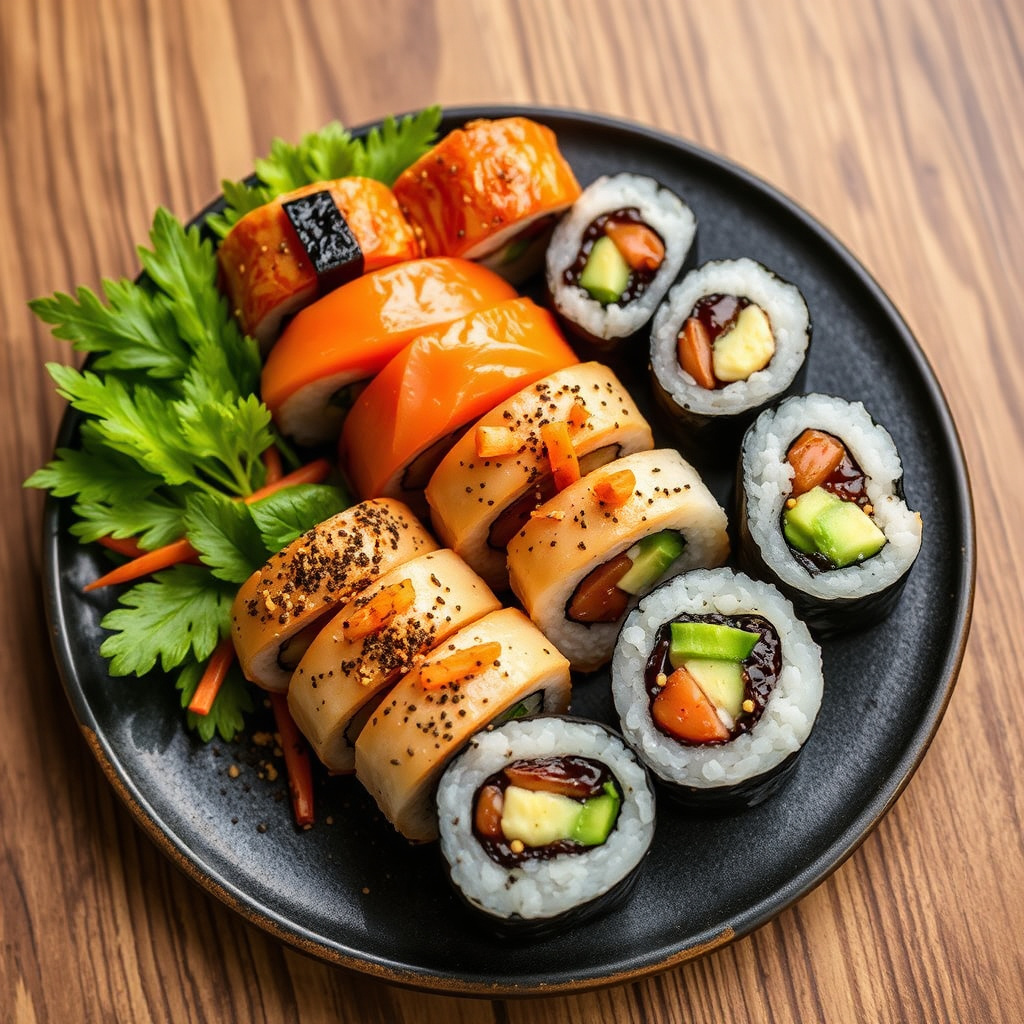
Sushi made with fully cooked seafood, such as shrimp tempura, eel (unagi), crab meat, or cooked octopus, eliminates the risk of raw fish contamination. These options are generally safe and can satisfy sushi cravings during pregnancy.
Always confirm that cooked sushi is prepared properly and served fresh to avoid other food safety issues. When in doubt, opt for vegetarian sushi rolls with ingredients like avocado, cucumber, or cooked vegetables.
- Shrimp tempura rolls
- Eel (unagi) sushi
- Crab or imitation crab rolls
- Vegetarian sushi options
Choosing Low-Mercury Fish for Sushi
If eating sushi with fish, select types with low mercury levels such as salmon, tilapia, or shrimp. These commonly appear in sushi offerings and provide beneficial nutrients like omega-3 fatty acids without the added mercury risk.
Avoid large predatory fish typically higher in mercury. Moderation is key—limit fish intake to recommended servings per week advised by healthcare providers.
- Low-mercury fish: salmon, tilapia, shrimp
- Avoid high-mercury fish: swordfish, mackerel, tilefish
- Follow recommended fish consumption limits
Sushi Safety Tips During Pregnancy

Selecting Reputable Sushi Restaurants
Choose sushi restaurants known for strict hygiene practices and high turnover to ensure fresh ingredients. Cleanliness reduces the chance of cross-contamination with raw fish and limits bacterial growth.
Verify that the restaurant uses pasteurized ingredients when possible and handles seafood according to food safety guidelines. Ask staff about their sushi preparation processes if you’re uncertain.
- Research restaurant reviews and hygiene ratings
- Ask about ingredient sourcing and handling
- Prefer places with FDA compliance and good reputations
For more on this, see our related guide: Is Sushi Safe During Pregnancy? What Expectant Mothers Need to Know.
Storage and Handling Practices at Home
When buying sushi from stores or making it at home, refrigerate promptly and consume within recommended timeframes. Raw and cooked fish should be kept at proper temperatures to inhibit bacterial growth.
Avoid sushi that smells ammonia-like or looks discolored. Always wash hands and utensils thoroughly before handling sushi ingredients to keep food safe during pregnancy.
- Keep sushi refrigerated below 40°F (4°C)
- Consume sushi within 24 hours of purchase
- Check freshness indicators: smell, color, texture
Nutritional Benefits and Considerations of Sushi in Pregnancy

Omega-3 Fatty Acids and Protein Sources
Sushi can be a rich source of omega-3 fatty acids, which support fetal brain and eye development. Cooked fish like salmon offers high-quality protein and essential nutrients such as vitamin D and selenium.
Choosing sushi wisely allows pregnant women to benefit without risking exposure to harmful pathogens in raw fish, balancing pleasure and nutrition.
- Omega-3 fatty acids support fetal development
- High-quality protein from cooked fish
- Vitamins and minerals like vitamin D, selenium
Avoiding Excessive Sodium and Additives
Be mindful of soy sauce and other condiments that can add excess sodium, which may contribute to pregnancy-related hypertension. Opt for low-sodium soy sauce or limit condiment quantities.
Some sushi sauces contain sugars or additives; check ingredient lists when ordering sushi rolls or pre-packaged options to maintain a balanced diet.
- Use low-sodium soy sauce alternatives
- Limit sugary or heavy sauces
- Monitor overall sodium intake
Common Misconceptions About Eating Sushi During Pregnancy

Raw Sushi is Always Dangerous
While raw sushi poses increased risks for pregnant women due to bacteria and parasites, not all sushi is equally unsafe. Cooked sushi varieties and well-prepared options significantly reduce health risks and can be enjoyed with caution.
Understanding differences between raw and cooked ingredients dispels the myth that all sushi must be avoided during pregnancy.
For more on this, see our related guide: Is Sushi Safe to Eat? What You Need to Know About Sushi Safety.
Vegetarian Sushi Lacks Nutrients
Some believe vegetarian sushi is nutritionally insufficient for pregnancy, but many vegetable-based rolls contain fiber, vitamins, and minerals valuable to a balanced diet. Pairing with other protein and omega-3 sources complements vegetarian sushi choices well.
These options provide safe and tasty alternatives for pregnant women wary of seafood risks.
Alternatives to Sushi for Expecting Mothers

Cooked Seafood and Rice Bowls
Opt for Japanese dishes featuring cooked seafood such as grilled salmon or shrimp over steamed rice bowls for sushi flavor without raw fish risk. These options are satisfying and safer during pregnancy.
Rice bowls with cooked ingredients, vegetables, and sauces provide nutrients and variety for pregnant women avoiding raw sushi.
- Grilled salmon donburi
- Shrimp tempura rice bowls
- Vegetable-packed chirashi bowls
For official guidance on food safety during pregnancy, including sushi recommendations, consult these authoritative CDC guidelines. Sushi and Pregnancy Safety Guidelines.
Non-Seafood Japanese Cuisine
To skip seafood altogether, try dishes like vegetable tempura, miso soup with tofu, or udon noodles. These contain wholesome ingredients suitable for pregnancy with familiar Japanese tastes.
Selecting non-seafood dishes removes any risk associated with fish or shellfish contaminants and mercury exposure.
- Vegetable tempura sets
- Miso soup with tofu
- Warm udon noodle bowls
Sushi Types for Pregnant Women Category Comparison
Here’s a comparison of sushi categories detailing safety, mercury level, and nutritional value relevant to pregnancy.
| Sushi Type | Safety Level | Mercury Content | Key Nutritional Benefits | Common Ingredients |
|---|---|---|---|---|
| Raw Fish Sushi | Not Recommended | Varies (often high) | Omega-3s (but risk of pathogens) | Salmon, Tuna, Yellowtail |
| Cooked Seafood Sushi | Generally Safe | Low to Moderate | Protein, Omega-3s | Shrimp tempura, Unagi, Crab |
| Vegetarian Sushi | Safe | None | Fiber, Vitamins, Minerals | Avocado, Cucumber, Pickled vegetables |
| High-Mercury Fish Sushi | Avoid | High | Omega-3s but high mercury risk | Swordfish, Mackerel, Tilefish |
Frequently Asked Questions
Is it safe to eat cooked sushi during pregnancy?
Yes, cooked sushi options like shrimp tempura or eel are generally safe during pregnancy because the cooking process kills harmful bacteria and parasites.
Can mercury in sushi fish harm my baby?
High mercury fish can affect fetal brain development, so limiting intake of species like swordfish and certain tunas helps protect your baby’s health.
Are vegetarian sushi rolls a good alternative when pregnant?
Vegetarian sushi rolls offer a safe and nutritious alternative, providing vitamins and fiber without the risk of raw fish contamination.
What symptoms indicate food poisoning from sushi during pregnancy?
Symptoms include nausea, vomiting, diarrhea, fever, and abdominal pain. Pregnant women with such symptoms should see a healthcare provider promptly.
How can I tell if store-bought sushi is safe while pregnant?
Check the sell-by date, ensure it’s properly refrigerated, and avoid sushi with off smells, discoloration, or slimy textures.
Key Takeaways
- Avoid raw fish sushi during pregnancy to reduce infection risks
- Choose cooked seafood or vegetarian sushi for safer options
- Limit sushi types with high mercury content like swordfish and certain tunas
- Select reputable restaurants and practice good food hygiene
Conclusion
Deciding whether to eat sushi while pregnant hinges on recognizing the risks raw fish can pose due to potential bacterial, parasitic, and mercury exposure. Since pregnancy lowers immunity and increases vulnerability to foodborne illnesses, erring on the side of caution has clear benefits. Assessing sushi options through this lens helps make safer choices that protect both mother and baby.
For those craving sushi, cooked varieties like shrimp tempura, eel, or crab rolls provide satisfying, relatively safe alternatives. Vegetarian sushi rolls offer flavorful and nutritious options without the risks associated with seafood. Keeping mercury less in mind means avoiding high-mercury fish such as swordfish and large tuna species, while favoring low-mercury fish like salmon. Multiple alternatives exist to enjoy sushi flavors and Japanese cuisine without raw fish concerns.
The best approach is to communicate openly with healthcare providers and choose fresh, reputable sources for sushi. If uncertain, it's wise to opt for cooked or plant-based sushi and monitor fish consumption closely. Taking these steps offers an enjoyable and mindful sushi experience during pregnancy.