What Is Kung Pao Chicken? A Complete Guide to the Iconic Dish
Kung Pao chicken is a traditional Sichuan dish that features diced chicken stir-fried with peanuts, chili peppers, and a savory sauce that balances spicy, sweet, and tangy flavors. This dish is known for its bold taste, crunchy texture, and aromatic spices, making it a favorite in Chinese restaurants worldwide.
Originating from China's Sichuan province, Kung Pao chicken's unique flavor profile comes from the use of Sichuan peppercorns, which create a distinctive numbing sensation alongside the heat from dried chilies. This combination sets it apart from other chicken dishes and is a hallmark of Sichuan cuisine that many food lovers seek out.
This guide will explore the history and key ingredients of Kung Pao chicken, how it is traditionally prepared, variations you might encounter, and tips if you want to try making this spicy Chinese chicken recipe at home.
Origins and History of Kung Pao Chicken

Sichuan Roots and Cultural Significance
Kung Pao chicken traces back to Sichuan province in southwestern China, named after a Qing Dynasty official, Ding Baozhen, who was titled “Kung Pao.” The dish became popular in his hometown, reflecting Sichuan’s penchant for bold flavors and use of peppercorns and chilies.
Its cultural importance in Sichuan means the recipe has been preserved and passed down for generations, representing the balance of flavors that define the regional cuisine—spicy, sweet, and numbing all at once.
Evolution and Global Popularity
When Kung Pao chicken arrived on menus outside China, it underwent adaptations such as milder heat levels or different nuts replacing peanuts. The dish gained international fame, especially in Western Chinese restaurants, becoming a spicy Chinese chicken recipe loved by many.
Today, it exists in many forms, sometimes including vegetables or different proteins, but the core identity—a mix of diced chicken with spicy and nutty elements—remains consistent.
Key Ingredients in Kung Pao Chicken

Proteins and Nuts
Diced chicken breast or thigh meat is the classic protein used, providing a tender texture that absorbs the sauce well. Peanuts add a crunchy contrast, enhancing both texture and flavor complexity.
Some versions switch peanuts for cashews, but peanuts remain the traditional choice due to their earthiness and ability to complement the dish’s spicy notes.
- Diced chicken (breast or thigh)
- Roasted peanuts
Spices and Sauces
Key spices include dried red chilies and Sichuan peppercorns, which produce the dish’s signature heat and tingling sensation. The sauce combines soy sauce, rice vinegar, sugar, and sometimes hoisin or Shaoxing wine, balancing savory, sweet, and tangy.
Garlic and ginger provide additional aromatic layers, while cornstarch-based slurry helps to thicken the sauce, coating the ingredients evenly.
- Dried red chilies
- Sichuan peppercorns
- Soy sauce
- Rice vinegar
- Sugar
- Garlic and ginger
How to Make Kung Pao Chicken at Home

Preparation and Marinating
Start by dicing the chicken into uniform pieces to ensure even cooking. Marinate with soy sauce, a pinch of cornstarch, and rice wine to tenderize and infuse flavor before stir-frying.
Gather all sauce ingredients mixed in the right proportions; prepping the sauce ahead streamlines the cooking process and helps achieve the authentic savory-sweet-spicy balance.
For more on this, see our related guide: What Is General Tso Chicken? A Complete Guide to This Popular Chinese-American Dish.
Stir-Frying Techniques
Use a high-heat wok and oil to quickly sear the chicken until just cooked, then remove it to prevent overcooking. Stir-fry garlic, ginger, chilies, and peppercorns to release their flavors before adding chicken back with peanuts and sauce.
Toss everything for a minute until the sauce thickens and coats the chicken evenly, then serve immediately for best texture.
Variations and Regional Differences
Traditional Sichuan Versus Western Styles
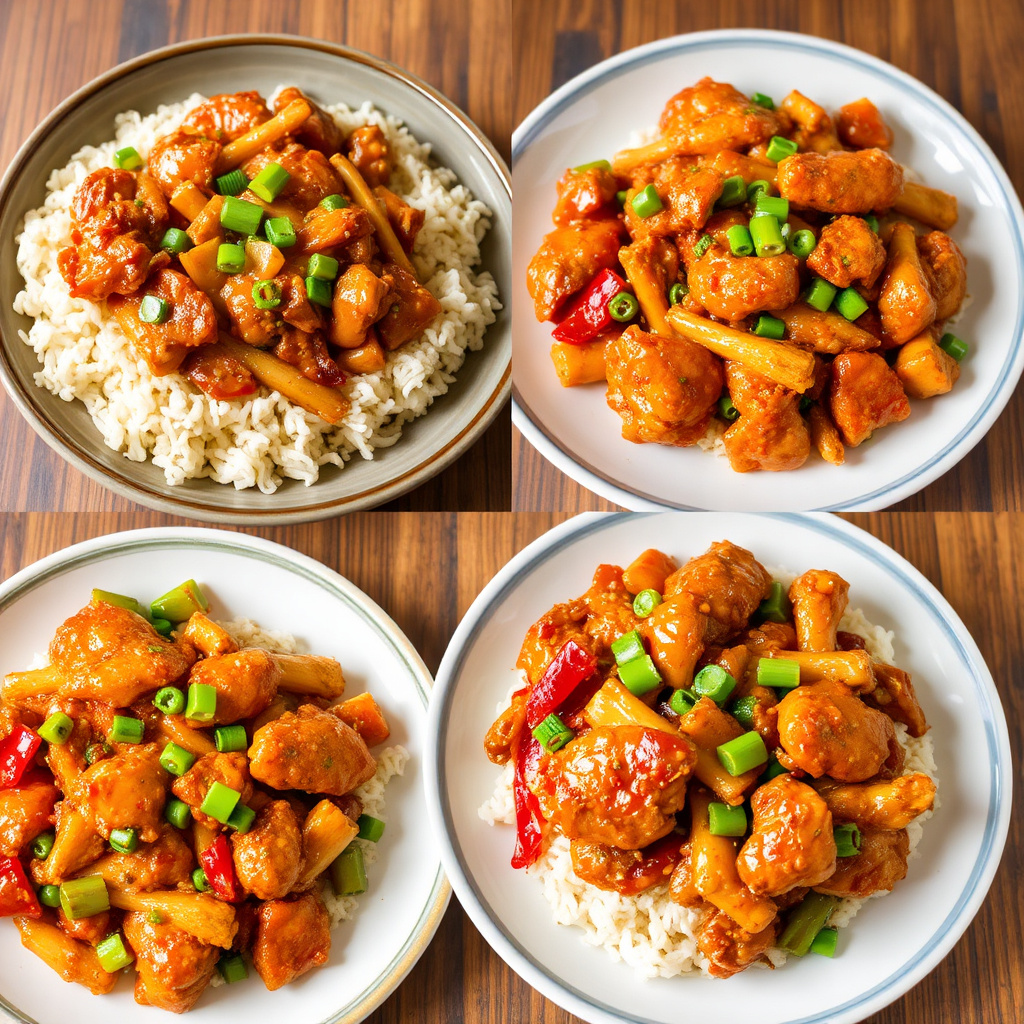
Traditional Sichuan Kung Pao chicken emphasizes fresh Sichuan peppercorns for numbing heat and uses moderate sweetness. Western adaptations often dial down the spice and increase sweetness or add vegetables like bell peppers or zucchini.
These changes can alter the classic flavor but cater to local palates, making it more accessible to wider audiences.
Alternative Ingredients and Proteins
Some recipes replace chicken with tofu, shrimp, or beef to offer vegetarian or seafood options. Nuts like cashews or almonds can sometimes substitute peanuts for different textures and tastes.
Vegetable inclusions such as diced bell peppers, onions, or scallions also appear, adding more variety but shifting from the traditional formula.
Nutritional Aspects of Kung Pao Chicken

Calorie and Macronutrient Information
A typical serving of Kung Pao chicken provides a moderate amount of protein due to the chicken and peanuts, making it a filling entree. However, it can also be relatively high in fats, mainly from peanuts and oil used in stir-frying.
Caloric content depends largely on portion size and how much sugar or oil is included in the sauce.
For more on this, see our related guide: What Is Yang Chow Fried Rice? A Complete Guide to This Classic Dish.
Balancing Flavor and Health
To make a lighter version, reduce oil amounts and use low-sodium soy sauce to lower sodium levels. Including more vegetables can boost fiber and micronutrients.
Keep in mind that while delicious, the dish’s sugar and sodium can be elevated, so enjoy it as part of a balanced diet.
Pairing Kung Pao Chicken with Side Dishes and Drinks

Traditional Side Dishes
Steamed white or jasmine rice serves as the classic side to Kung Pao chicken, absorbing the sauce and balancing the spiciness. Stir-fried greens like bok choy or Chinese broccoli complement the dish with fresh, mild flavors.
Simple egg drop soup or hot and sour soup may precede the meal to add more dimension without overpowering the main dish.
- Steamed white or jasmine rice
- Stir-fried bok choy
- Egg drop soup
For deeper historical and culinary details, you can visit the Kung Pao chicken Wikipedia page. Kung Pao chicken Wikipedia page.
Beverage Pairings
Light beers, crisp white wines, or jasmine tea are ideal to cool the palate and offset the heat of the chili peppers. Green tea also cleanses and refreshes between bites.
Non-alcoholic drinks like cucumber-infused water provide gentle hydration and contrast the bold flavors.
- Light beer
- Jasmine or green tea
- Cucumber-infused water
Kung Pao Chicken Variations Comparison
This table compares different versions of Kung Pao chicken highlighting key ingredients, spice levels, and typical serving styles.
| Version | Main Protein | Nut Type | Spice Level | Common Add-ins |
|---|---|---|---|---|
| Traditional Sichuan | Diced chicken | Peanuts | High (Sichuan peppercorns and dried chili) | Minimal vegetables |
| Western Style | Diced chicken | Peanuts or cashews | Medium (mild chili) | Bell peppers, onions |
| Vegetarian | Tofu | Cashews or peanuts | Medium | Mixed vegetables |
| Seafood Variation | Shrimp | Peanuts | Medium | Scallions, bell peppers |
Frequently Asked Questions
Is Kung Pao chicken very spicy?
Kung Pao chicken is known for its spicy flavor, but the heat level can vary. Traditional recipes are quite spicy due to Sichuan peppercorns and dried chilies, while some Western versions tone down the heat.
Can I make Kung Pao chicken vegetarian?
Yes, substituting chicken with firm tofu or tempeh and using the same sauce and nuts can create a vegetarian-friendly Kung Pao dish without losing too much of the original flavor.
What is the best type of chicken to use for Kung Pao chicken?
Diced boneless chicken thighs are preferred for their tenderness and flavor, but chicken breast can be used for a leaner option, though it may be less juicy.
Are peanuts essential in Kung Pao chicken?
Peanuts provide a crunchy texture and nutty flavor essential to traditional Kung Pao chicken, but cashews or almonds may be substituted if peanuts are not available or for variety.
What is Sichuan peppercorn and why is it used?
Sichuan peppercorn is a spice that creates a tingling, numbing sensation on the tongue, which balances the heat of chilies in Kung Pao chicken and contributes uniquely to the dish’s flavor.
Key Takeaways
- Kung Pao chicken is a spicy, nutty stir-fried dish from Sichuan, China.
- Its signature flavor comes from Sichuan peppercorns, dried chilies, and a savory-sweet sauce.
- Peanuts add essential crunch and contrast in texture.
- The dish has diverse variations adapted globally.
Conclusion
Understanding what Kung Pao chicken is involves appreciating its roots in Sichuan cuisine and the balance of flavors that make it stand out—spicy heat combined with numbing peppercorns, sweet and savory sauce, and crunchy peanuts. These elements together create a layered experience that reflects centuries of culinary tradition.
If you want to try this spicy Chinese chicken recipe, consider starting with the classic Sichuan style to get the authentic taste. For a milder variation, Western-style adaptations offer a gentler spice level and added vegetables. Vegetarians can also enjoy tofu versions that maintain the dish’s core flavor profile. Each variant offers a unique twist on the original without losing its essence.
For your next meal, experimenting with Kung Pao chicken at home can be rewarding. By preparing a simple sauce, marinating chicken properly, and mastering stir-frying, you can recreate this beloved dish. Pair it with steamed jasmine rice and a light tea to balance the flavors. Enjoy exploring the bold flavors of this iconic dish.