What is Mapo Tofu? Understanding this Iconic Sichuan Dish
Mapo tofu is a classic Chinese dish from Sichuan province, known for its bold, spicy flavors and tender soft tofu. It combines silken tofu cubes cooked in a vibrant, chili and bean paste-based sauce with minced pork or beef, giving it a rich, numbing sensation from Sichuan peppercorns.
This dish holds a special place in Chinese cuisine due to its distinctive blend of heat, umami, and the signature tingling mouthfeel caused by the unique Sichuan peppercorns. It's a comfort food for many and a popular introduction to the depth of Sichuan flavor profiles.
In this article, you'll learn about the origins of Mapo tofu, the main ingredients that define it, variations found across different kitchens, and tips for making an authentic version at home along with pairing suggestions.
Origins and Cultural Background of Mapo Tofu
Historical Roots of Mapo Tofu
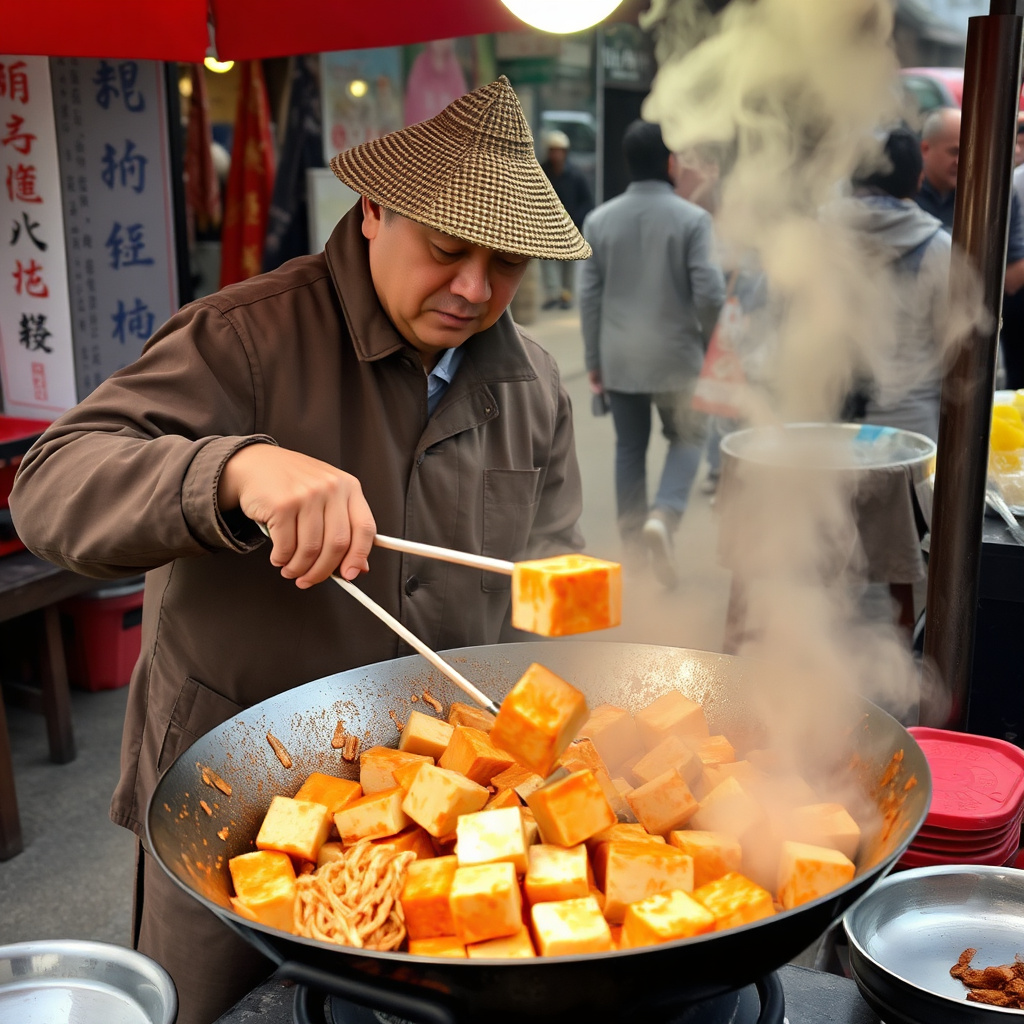
Mapo tofu traces back to the late 19th century in Chengdu, the capital of Sichuan province. Legend says it was created by a woman nicknamed 'Mapo,' meaning 'pockmarked old woman,' who ran a small restaurant famous for this flavorful dish.
Its popularity quickly spread as locals praised the bold flavors and comforting texture, reflecting the region's affinity for spicy, numbing seasoning combinations that are central to Sichuan cuisine.
Sichuan Cuisine Characteristics
Sichuan cuisine is renowned for its bold use of chili peppers, garlic, and unique Sichuan peppercorns that produce a tingling numbing sensation. This flavor profile is essential to authentic Mapo tofu.
The emphasis on balancing spicy, salty, and savory flavors while incorporating varied textures like soft tofu and ground meat characterizes the dish and distinguishes it from other tofu preparations.
Key Ingredients in Mapo Tofu

The Role of Tofu and Meat
Silken or soft tofu is the star of Mapo tofu, providing a smooth and delicate canvas that absorbs the sauce's intense flavors. The tofu's softness contrasts with the savory minced pork or beef that adds a hearty texture and richness.
While pork is traditional, some variations use beef or omit meat entirely for a vegetarian version, but the balance of flavors around the tofu remains central.
- Silken or soft tofu
- Minced pork or beef
- Alternative: vegetarian substitutes
The Signature Spices and Sauces
Doubanjiang, a fermented chili bean paste, provides the fundamental spicy umami base that defines Mapo tofu's characteristic flavor. Sichuan peppercorns add a unique numbing quality that sets it apart.
Additional seasonings include garlic, ginger, soy sauce, and sometimes fermented black beans, each contributing depth and complexity to the sauce.
- Doubanjiang (chili bean paste)
- Sichuan peppercorns
- Garlic, ginger, soy sauce
- Optional fermented black beans
How Mapo Tofu is Prepared
Cooking Technique and Steps
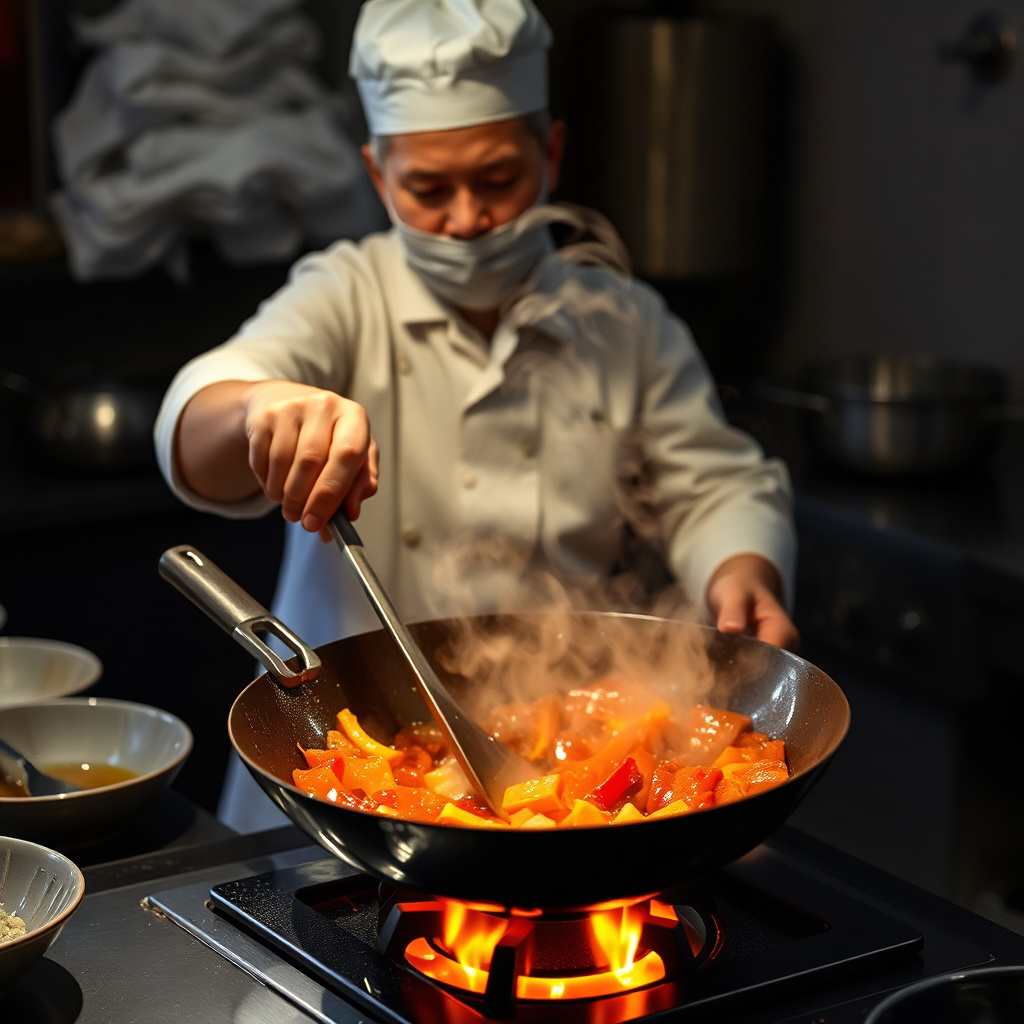
Mapo tofu preparation involves stir-frying minced meat with chili bean paste, garlic, and ginger before gently adding tofu cubes. The tofu simmers in the sauce to soak up flavors without breaking apart.
Thickening agents like cornstarch slurry finalize the sauce’s texture, while a drizzle of hot chili oil and ground Sichuan peppercorns finish the dish, enhancing aroma and taste.
Tips to Maintain Tofu Texture and Flavor
To keep the tofu intact and silky, it’s added after the sauce base is prepared and simmered gently rather than aggressively stirring. Using fresh silken tofu and minimal stirring preserves the characteristic texture.
Balancing the spice level with the numbing Sichuan peppercorns and layered seasonings elevates the dish beyond just heat to a richer, more complex taste experience.
- Add tofu carefully to avoid breaking
- Simmer on low heat
- Adjust chili and peppercorn levels for balance
Variations and Regional Adaptations of Mapo Tofu

Vegetarian and Vegan Variants
In vegetarian adaptations, ground mushrooms, textured vegetable protein, or plant-based crumbles replace meat, retaining the savory aspect while catering to different diets.
The characteristic spiciness and numbing flavor are maintained by preserving the essential chili bean paste and Sichuan peppercorn seasoning, making the dish accessible to more people without losing identity.
Regional Flavors Beyond Sichuan
Outside Sichuan, Mapo tofu can be less spicy and adjust seasoning to local preferences, sometimes omitting numbing peppercorns or using milder chili pastes.
Japanese variations often incorporate miso for umami or use less oil, softening the intense heat while highlighting tofu’s texture in a more subtle way.
Serving Suggestions and Pairings

Traditional Accompaniments
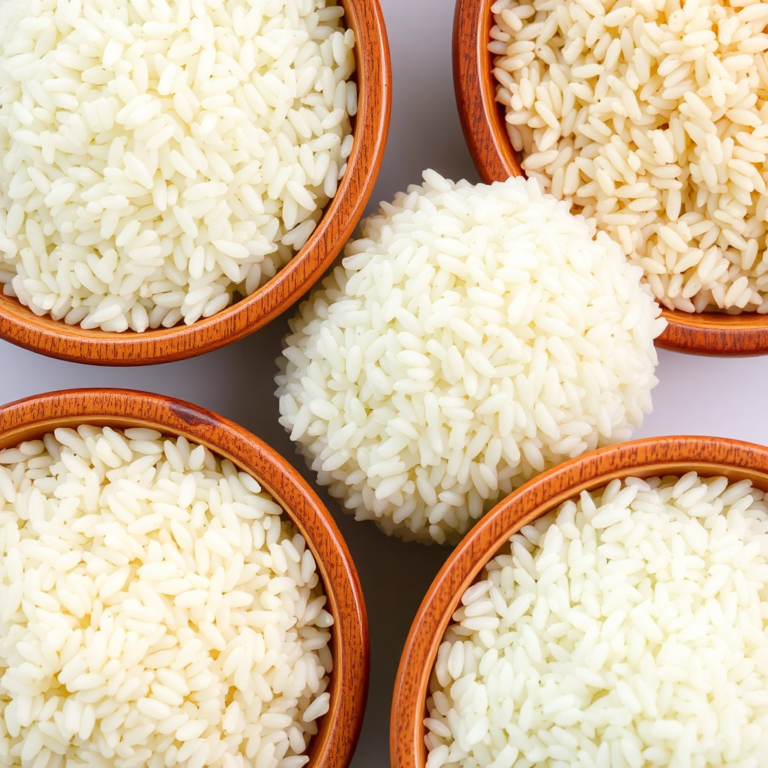
Mapo tofu is commonly served with plain steamed white rice, which balances the spicy, flavorful sauce and soothes the palate between bites.
Other side dishes like stir-fried vegetables or simple soups complement the dish, preventing the meal from becoming overwhelmingly spicy or heavy.
- Steamed white rice
- Stir-fried bok choy
- Light broth soups
Beverages to Complement the Dish
Light, slightly sweet beverages such as jasmine tea or plum wine balance the dish’s heat and numbness effectively.
Cold beers or mild milk tea varieties also help mellow the spice and refresh the palate during a rich Mapo tofu meal.
- Jasmine tea
- Plum wine
- Cold beer
- Milk tea
Health Benefits and Nutritional Profile of Mapo Tofu
Nutritional Highlights
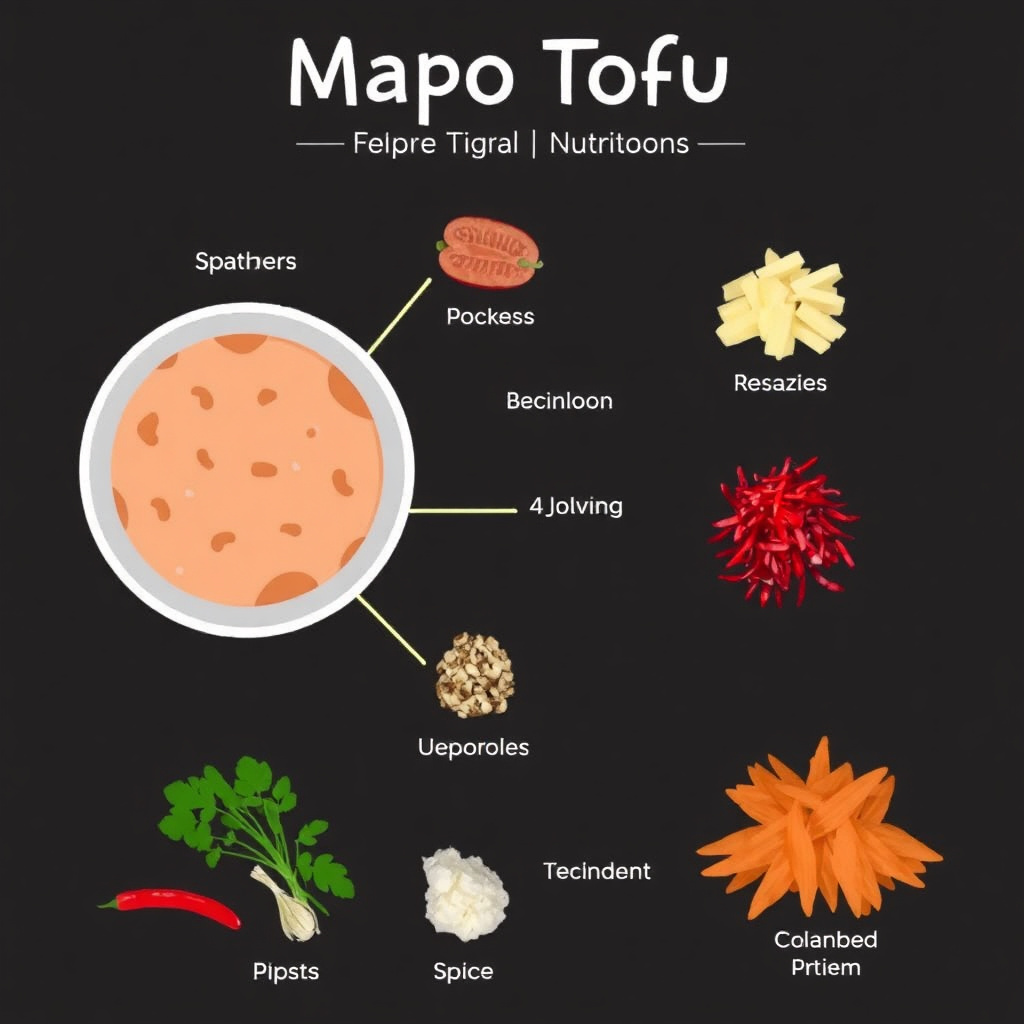
Mapo tofu offers a good source of plant-based protein from tofu and moderate fat and protein from the meat component, making it a balanced dish for energy and nutrition.
The dish's abundance of spices may aid metabolism and digestion, with antioxidants found in chili peppers and garlic contributing to overall health benefits.
For a more detailed history and variations, see the Mapo tofu entry on Wikipedia. Mapo tofu on Wikipedia.
Considerations for Dietary Restrictions
The traditional recipe contains soy, gluten (from sauces), and meat, which may not fit all diets. Vegetarian versions can eliminate meat, and gluten-free tamari can substitute soy sauce.
Users sensitive to spice should adjust the chili and peppercorn amounts, while those allergic to soy may want to avoid this dish or seek alternative proteins.
Mapo Tofu Variations Category Comparison
The table below compares popular Mapo tofu variations by key aspects like spice level, primary protein, and typical region of origin.
| Variation | Spice Level | Protein | Popularity Region |
|---|---|---|---|
| Traditional Sichuan Mapo Tofu | High | Minced pork | Sichuan, China |
| Vegetarian Mapo Tofu | Medium | Mushrooms or plant protein | Global |
| Japanese Mapo Tofu | Mild | Minced pork or tofu only | Japan |
| Modern Fusion Mapo Tofu | Variable | Beef or tofu | Urban international |
| Less Spicy Home-Cooked Version | Low | Ground meat or none | Domestic, various |
Frequently Asked Questions
What authentic spices are used in Mapo tofu?
Authentic Mapo tofu features doubanjiang (fermented chili bean paste) and Sichuan peppercorns, which create its signature spicy and numbing flavors.
Can I make Mapo tofu without meat?
Yes, many vegetarian versions substitute mushrooms or plant-based crumbles for the meat, while keeping the chili bean paste and peppercorns for flavor.
Is Mapo tofu very spicy for beginners?
Traditional Mapo tofu is quite spicy and numbing, but the spice levels can be adjusted by reducing chili paste and peppercorns, making it accessible for newcomers.
What dishes go well with Mapo tofu?
Mapo tofu pairs well with steamed white rice and mild vegetable sides like stir-fried greens to balance the dish’s heat and richness.
How do I maintain tofu texture when cooking Mapo tofu?
Add tofu carefully after the sauce base is ready, simmer gently, and avoid stirring aggressively to prevent the delicate tofu from breaking apart.
Key Takeaways
- Mapo tofu is a spicy, numbing dish from Sichuan featuring silken tofu and chili bean paste.
- The signature flavor comes from doubanjiang and Sichuan peppercorns.
- Variations exist including vegetarian and regional adaptations with milder spice.
- Serving with steamed rice and mild sides balances its fiery flavor.
Conclusion
Deciding what Mapo tofu is involves understanding its core identity as a fiery, savory tofu dish intrinsic to Sichuan cuisine. The combination of soft tofu with spicy chili bean paste and numbing Sichuan peppercorns creates a unique taste experience valued across China and increasingly worldwide. Knowing this helps appreciate its cultural context as well as how to enjoy different variations.
For those seeking authentic flavors, the traditional Sichuan Mapo tofu featuring minced pork and bold spices delivers the true experience. Vegetarians can enjoy mushroom or plant-based versions while still benefiting from the signature spicy, numbing profile. Milder Japanese-style adaptations provide options for those sensitive to heat. Ultimately, the choice depends on one’s palate and dietary preferences.
If you're interested in trying or making Mapo tofu, start with a reliable recipe featuring doubanjiang and fresh silken tofu, adjusting spice levels gradually. Pair it with simple steamed rice and a light vegetable dish. Exploring this dish opens doors to the vibrant world of Sichuan cuisine and its distinctive spicy tofu delights.


One Comment