What Is Sashimi? A Complete Guide to This Japanese Culinary Delight
Sashimi is a Japanese delicacy consisting of very fresh raw fish or seafood, sliced into thin pieces and served without rice. It stands apart from sushi because it focuses purely on the raw ingredients, typically accompanied by soy sauce, wasabi, and pickled ginger. This simple yet refined dish highlights the freshness and quality of the ingredients used.
Sashimi holds a special place in Japanese cuisine because it emphasizes the natural flavor and texture of fresh seafood. The art of preparing sashimi requires skillful knife work and careful selection of fish to ensure safety and taste. It is usually served as an appetizer or as part of a traditional multi-course meal, celebrated for its purity and elegance.
This article will explore what sashimi is in detail, including the types of fish used, how it differs from sushi, preparation techniques, and cultural significance. Whether you're curious about trying sashimi for the first time or want to deepen your knowledge of Japanese food, this guide offers valuable insights into this iconic dish.
Understanding Sashimi: What Sets It Apart

Definition and Basic Concepts
Sashimi refers specifically to raw fish or seafood, sliced into bite-sized pieces and served without rice. Unlike sushi, which combines raw fish with vinegared rice, sashimi emphasizes the pure taste and texture of the raw ingredient itself. It is commonly presented with simple garnishes such as shredded daikon radish and shiso leaves.
The preparation of sashimi requires the fish to be exceptionally fresh and handled with care to prevent contamination. Fish like tuna and salmon are popular choices, but many other types of seafood including octopus, squid, and sea urchin are used. Each type has unique textures and flavors that sashimi enthusiasts appreciate.
How Sashimi Differs from Sushi
While sashimi consists solely of raw fish or seafood, sushi includes rice seasoned with vinegar and often other ingredients. Sushi can be served raw or cooked, with various toppings and styles such as nigiri, maki rolls, and temaki. Sashimi remains strictly raw and minimalistic.
The focus in sashimi is on the ingredient’s natural, unadulterated quality, making it a simpler dish with fewer accompaniments than sushi. This purity allows diners to savor the fresh flavors without distractions.
Popular Types of Sashimi
Common Fish and Seafood Used
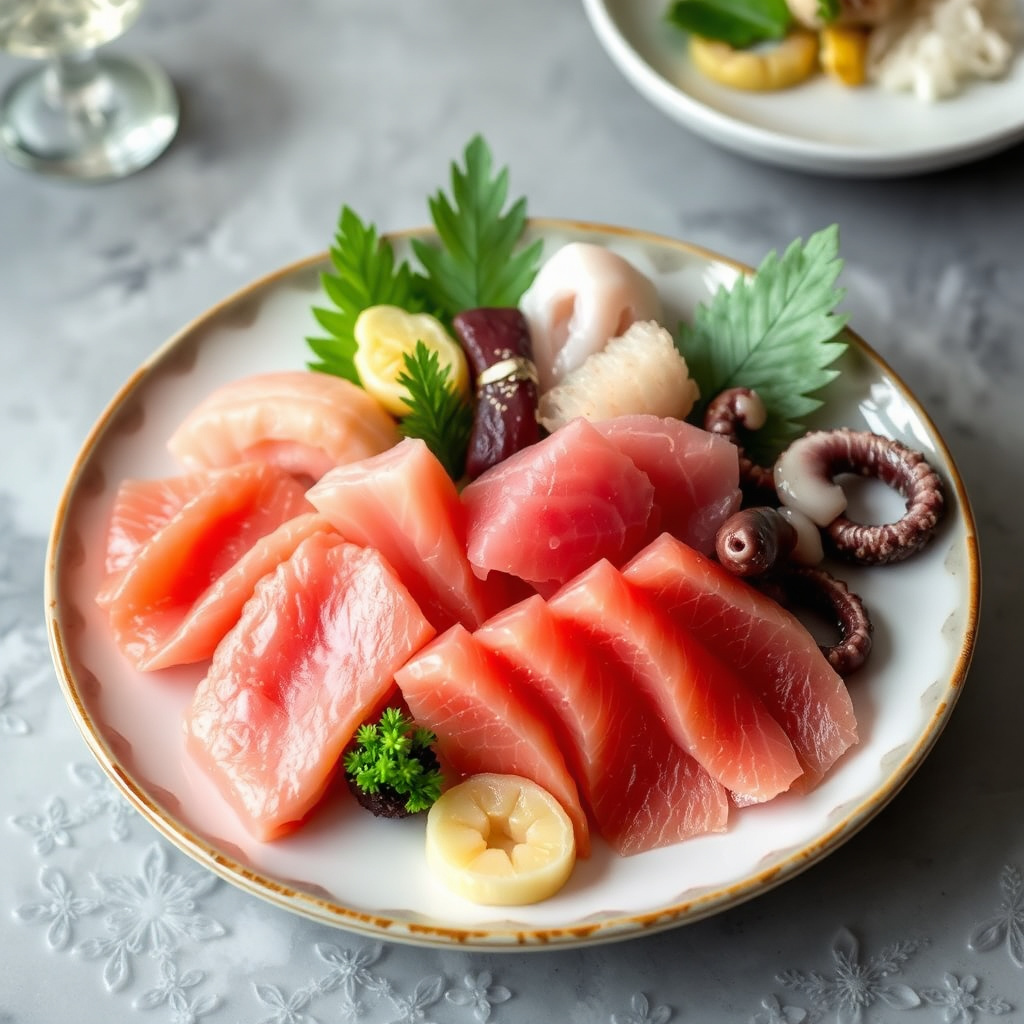
Tuna (maguro) is arguably the most well-known sashimi fish, favored for its rich flavor and firm texture. Salmon (sake) also remains a popular option thanks to its buttery consistency. Other commonly served sashimi include yellowtail (hamachi), mackerel (saba), and sea urchin (uni).
Each type of fish has subtle taste nuances and is chosen based on seasonal availability and freshness. Wild-caught fish often command higher prices due to superior flavor profiles. Shellfish like scallops and squid also appear prominently on sashimi menus.
- Tuna (Maguro)
- Salmon (Sake)
- Yellowtail (Hamachi)
- Octopus (Tako)
- Mackerel (Saba)
- Sea Urchin (Uni)
Seasonal and Regional Variations
Sashimi offerings vary with the seasons since fish quality fluctuates throughout the year. For instance, fall is known for fatty tuna belly (otoro), while spring may emphasize sweet shrimp (amaebi). Regional differences across Japan affect sashimi styles and ingredient choices based on local waters.
Regions such as Hokkaido boast fresh seafood from cold northern seas, whereas areas like Kyushu offer tropical varieties. This regionality enriches the sashimi experience and highlights diverse Japanese culinary traditions.
Preparing Sashimi at Home

Selecting and Handling Fish Safely
Choosing sashimi-grade fish is essential for home preparation and requires purchasing from trusted suppliers who guarantee freshness. Always look for clear eyes, firm flesh, and no fishy odor. It is safest to use fish labeled specifically for raw consumption to avoid health risks.
Proper hygiene during handling and preparation minimizes potential contamination. Clean all utensils and surfaces thoroughly, and keep fish refrigerated until ready to slice.
- Purchase from reputable fishmongers
- Check for fresh fish characteristics
- Keep fish cold and handle with clean hands
Techniques for Perfect Sashimi Slices
A sharp, long knife designed for sashimi (such as a yanagiba) makes slicing easier and cleaner, helping preserve the fish’s texture. Slices are usually cut against the grain in thin, even pieces roughly half a centimeter thick.
Cutting angles may vary by fish type; for instance, salmon benefits from slightly thicker slices while lean tuna is sliced more thinly. Consistency is key for an elegant presentation and optimal mouthfeel.
Serving and Enjoying Sashimi
Traditional Accompaniments and Presentation
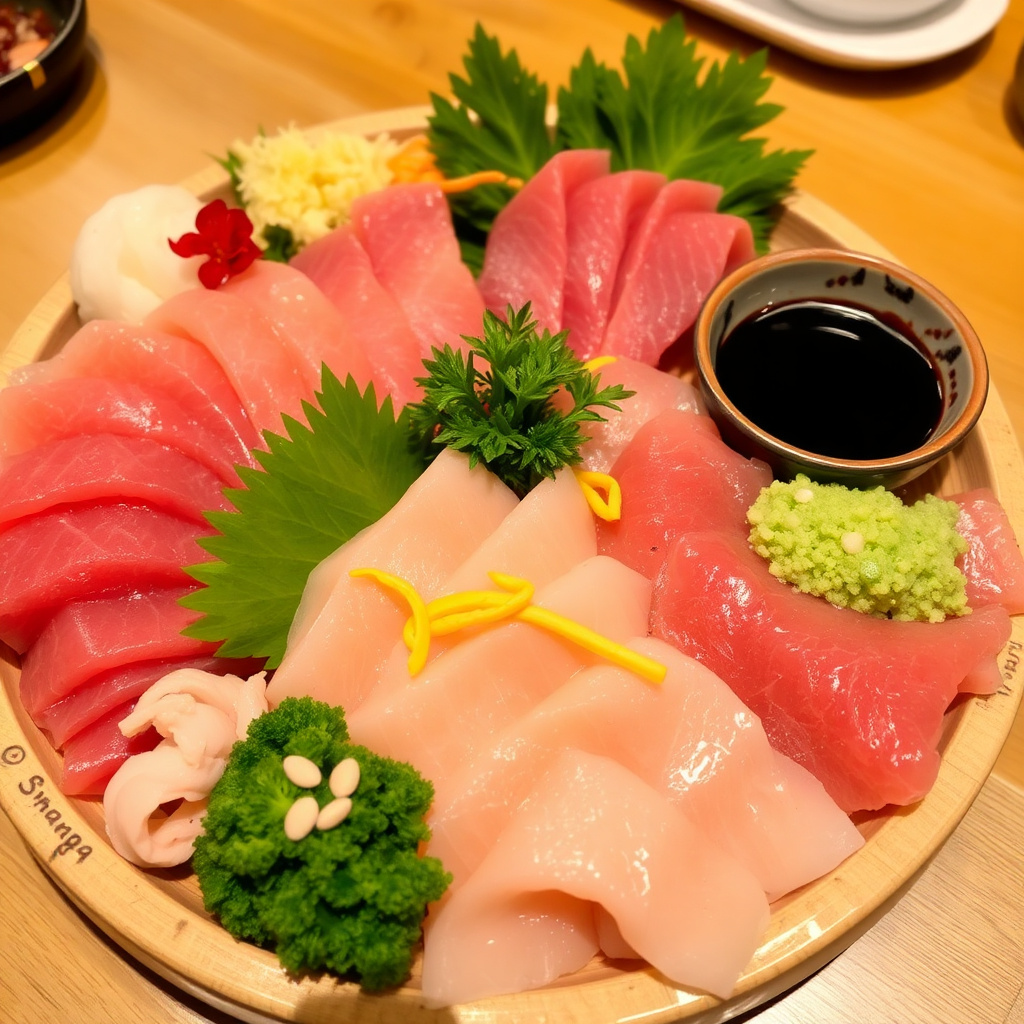
Sashimi is typically served with soy sauce for dipping and a small amount of wasabi to add spice. Garnishes like shredded daikon radish, shiso leaves, and pickled ginger enhance aesthetics and palate cleansing between types of fish.
Presentation is often minimalist and artistic, emphasizing clarity and freshness. Plates made from porcelain or lacquerware complement the dish’s elegance.
- Soy sauce and wasabi
- Shredded daikon radish
- Shiso leaves
- Pickled ginger
Tasting and Etiquette Tips
When eating sashimi, it is customary to dip the fish lightly in soy sauce to avoid overpowering the natural flavor. Wasabi should be used sparingly, either on the fish or mixed minimally into the soy sauce.
Savor each piece slowly to appreciate texture and freshness. Using chopsticks properly and respecting serving order—lighter-flavored fish before stronger varieties—is part of traditional dining etiquette.
Health and Nutritional Aspects of Sashimi
Nutritional Benefits of Raw Fish
Sashimi provides a lean source of high-quality protein, rich in omega-3 fatty acids essential for heart health. It also contains vitamins such as B12 and minerals like selenium, contributing to overall nutrition without added fats or carbohydrates.
Eating sashimi can be a healthy choice as long as it is consumed fresh and prepared safely. Its minimal processing preserves nutrient integrity compared to cooked seafood options.
- High in protein
- Rich in omega-3 fatty acids
- Low calorie and low fat
Risks and How to Minimize Them
Raw fish carries potential risks of parasites and bacteria if not properly handled. Choosing sashimi-grade fish, freezing it to recommended temperatures, and consuming it quickly after preparation reduces these risks significantly.
Individuals with compromised immune systems or certain health conditions should consult healthcare providers before consuming raw seafood.
- Use sashimi-grade fish only
- Freeze fish at appropriate temperatures
- Consume shortly after purchase
Sashimi in Japanese Culture and Dining

Role of Sashimi in Traditional Meals
Sashimi often serves as a highlight in kaiseki, Japan’s formal multi-course dining tradition, where it showcases seasonality and chef skill. It is appreciated as a pure expression of the sea’s bounty and reflects respect for ingredient quality.
This dish is typically enjoyed early in the meal to awaken the palate and set a refined tone. Regional customs influence how sashimi is incorporated and presented.
For more detailed history and cultural context, visit the Sashimi entry on Wikipedia. Sashimi on Wikipedia.
Global Popularity and Adaptations
Sashimi has gained international popularity due to interest in Japanese cuisine and raw fish’s health benefits. Many non-Japanese chefs integrate sashimi styles or fuse it with local ingredients, leading to varied interpretations worldwide.
Despite adaptations, authentic sashimi remains grounded in tradition—freshness, simplicity, and respect for the ingredient continue to define this iconic dish.
Comparing Popular Sashimi Fish Types
This table highlights key differences among commonly served sashimi fish, helping you choose based on flavor, texture, and nutritional value.
| Fish Type | Flavor Profile | Texture | Typical Price Range |
|---|---|---|---|
| Tuna (Maguro) | Rich, meaty | Firm and smooth | $15-$30 per pound |
| Salmon (Sake) | Buttery, mild | Soft and oily | $12-$25 per pound |
| Yellowtail (Hamachi) | Mildly sweet | Tender and slightly chewy | $18-$28 per pound |
| Octopus (Tako) | Mild sea flavor | Chewy and dense | $10-$20 per pound |
| Sea Urchin (Uni) | Briny, creamy | Soft and custard-like | $30-$50 per pound |
Frequently Asked Questions
Is sashimi safe to eat raw?
Sashimi is safe when made from ‘sashimi-grade’ fish that has been properly frozen to eliminate parasites and handled hygienically. Purchasing from reliable sources reduces risks associated with raw consumption.
How is sashimi different from carpaccio?
While both dishes feature raw sliced ingredients, sashimi uses raw fish served plain with minimal seasoning, whereas carpaccio typically involves thin slices of raw beef or fish dressed with oil, lemon, or sauces.
Can I prepare sashimi at home?
Yes, but it requires using sashimi-grade fish, a very sharp knife, and strict hygiene to prevent contamination. Proper slicing techniques and fresh ingredients ensure good results.
What are common garnishes served with sashimi?
Typical sashimi garnishes include shredded daikon radish, shiso leaves, wasabi, pickled ginger, and soy sauce, all of which complement the flavor and cleanse the palate.
Does sashimi have nutritional advantages?
Sashimi is high in lean protein and omega-3 fatty acids, making it a nutritious option that supports heart and brain health when consumed fresh and in moderation.
Key Takeaways
- Sashimi is thinly sliced raw fish or seafood served without rice, highlighting fresh flavor.
- It differs from sushi by focusing solely on the raw ingredient without vinegared rice.
- Common sashimi types include tuna, salmon, yellowtail, and sea urchin.
- Safe preparation involves sourcing sashimi-grade fish and using proper slicing techniques.
Conclusion
Grasping what sashimi is involves recognizing its simplicity and focus on fresh, high-quality raw fish or seafood. The decision to enjoy sashimi revolves around freshness, fish type, and appreciation for natural flavors. Understanding how sashimi differs from other raw dishes aids in making informed choices at restaurants or in home preparation.
If you seek a buttery and mild experience, salmon sashimi suits well, whereas tuna offers a richer, meatier taste. Those looking for textural variety can try octopus or sea urchin. For beginners, starting with common options like tuna and salmon provides a balanced introduction to the authentic Japanese raw fish experience.
For an authentic sashimi encounter, select trusted suppliers for sashimi-grade fish, use sharp knives for clean slicing, and serve with traditional accompaniments like soy sauce and wasabi. Exploring sashimi broadens culinary horizons and deepens appreciation for the artistry behind this celebrated Japanese dish.





2 Comments