Who Invented General Tso Chicken: The Origins of a Beloved Dish
General Tso Chicken was invented by Chef Peng Chang-kuei, a Hunanese chef who created the dish in the mid-20th century. The recipe originated as a way to honor General Tso Tsung-tang, a Qing dynasty military leader, but the version familiar today was modified to suit American tastes. Chef Peng first introduced the dish in Taiwan during the 1950s.
Understanding the origins of General Tso Chicken matters because it illustrates how traditional recipes can evolve when crossing cultures, blending authentic Chinese culinary techniques with the American palate. This transformation turned a regional Hunan dish into a staple of Chinese-American restaurant menus worldwide.
This article will explore the background story behind General Tso Chicken, tracing Chef Peng's journey, how the dish gained popularity in the United States, and how its preparation varies in different regions. We will also address some common myths about the dish’s invention and spread.
The Creator of General Tso Chicken

Chef Peng Chang-kuei’s Background
Chef Peng Chang-kuei was a renowned chef from Hunan province, China, celebrated for his mastery of spicy and flavorful dishes that originate from his hometown. After fleeing Mainland China during the Chinese civil war, he settled in Taiwan where he refined many recipes from Hunan cuisine.
His culinary skills earned him high praise, and he personally crafted a dish in tribute to General Tso Tsung-tang, a revered military leader in Hunan history. This dish became the precursor to what is now known as General Tso Chicken.
Initial Recipe and Inspiration
The initial recipe for General Tso Chicken by Chef Peng was a balance of savory and spicy flavors typical of Hunan cooking, featuring fried chicken pieces coated in a sauce of soy, garlic, and chili. The dish was meant to celebrate Hunan’s culinary identity and honor its historical figures.
Its creation was influenced by traditional Chinese cooking methods but adapted to suit the preferences of wealthy Taiwanese clients, blending sweetness with moderate heat, a hallmark that distinguishes it from other regional preparations.
How General Tso Chicken Became Popular in America

Introduction to American Diners
In the 1970s, Chef Peng introduced General Tso Chicken at his New York City restaurant, where American diners were intrigued by its bold yet accessible flavor. The dish’s crisp texture and sweet-spicy sauce quickly gained favor, especially among those new to Chinese cuisine.
The adaptation for American tastes often involved a sweeter sauce and a batter-coated fried chicken, which became a staple pattern replicated in many Chinese-American kitchens.
Variations and Regional Differences
As the dish spread, different regions and chefs introduced unique twists, such as varying the level of spice or altering the sauce's thickness to cater to local tastes. Some versions incorporate deep-frying with a heavier batter, while others prioritize a tangier glaze.
These adaptations helped General Tso Chicken maintain widespread popularity while reflecting regional preferences across the United States.
Debunking Myths About General Tso Chicken

The Dish and General Tso Tsung-tang
Despite its name, General Tso Tsung-tang never tasted this dish nor was it part of traditional Hunan cuisine during his lifetime. The dish was named symbolically to honor his legacy rather than reflect a historical recipe.
This confusion has led to misconceptions that link the dish directly to historical culinary practices of 19th-century China, which is not the case.
What the Dish Isn’t
General Tso Chicken is often mistaken for an authentic antique Chinese dish, but in reality, it represents a modern invention and cultural fusion. Unlike many traditional Chinese dishes, the Americanized General Tso Chicken emphasizes a sweeter flavor and crispy texture uncommon in authentic Hunan cuisine.
Understanding this clears up confusion and highlights the influence of cultural exchange on culinary innovation.
Key Ingredients and Cooking Techniques

Primary Components of the Dish
The main ingredients of General Tso Chicken are boneless chicken pieces, typically thigh or breast, marinated and coated with cornstarch or flour, and deep-fried until golden. The sauce blends soy sauce, rice vinegar, sugar, garlic, ginger, and dried red chilies.
This combination creates the signature sweet, savory, and slightly spicy flavor profile loved by many diners.
- Boneless chicken pieces
- Soy sauce
- Rice vinegar
- Garlic and ginger
- Dried red chilies
- Sugar
Cooking Methods for Authentic Flavor and Texture
Achieving the right texture is key—chicken is deep-fried to form a crispy outside while staying tender inside. The sauce is cooked separately and quickly tossed with the fried chicken just before serving to preserve crispiness.
Many chefs use techniques such as double-frying to enhance crunch and layering spices in the sauce to give depth beyond surface sweetness.
- Deep-fry chicken pieces
- Prepare sauce separately
- Toss chicken in sauce before serving
- Optional double-frying for crunch
Cultural Impact and Global Reach

General Tso Chicken in Chinese-American Cuisine
General Tso Chicken stands as a flagship dish within Chinese-American cuisine, representing the synthesis of traditional Chinese flavors and American dining preferences. Its popularity helped shape the identity of Chinese restaurants in the U.S.
This cultural impact underscores how immigrant chefs adapted recipes to introduce ethnic dishes more broadly in an unfamiliar market, balancing authenticity and accessibility.
Adoption Beyond the United States
Though rooted in American-Chinese cuisine, General Tso Chicken has gained recognition worldwide, appearing on menus across Europe, Canada, and Asia. Each culture often introduces its own iterations to suit local tastes.
This global reach highlights the dish's versatility and the ongoing cross-cultural exchange that food encourages.
How to Make General Tso Chicken at Home

Selecting Ingredients and Tools
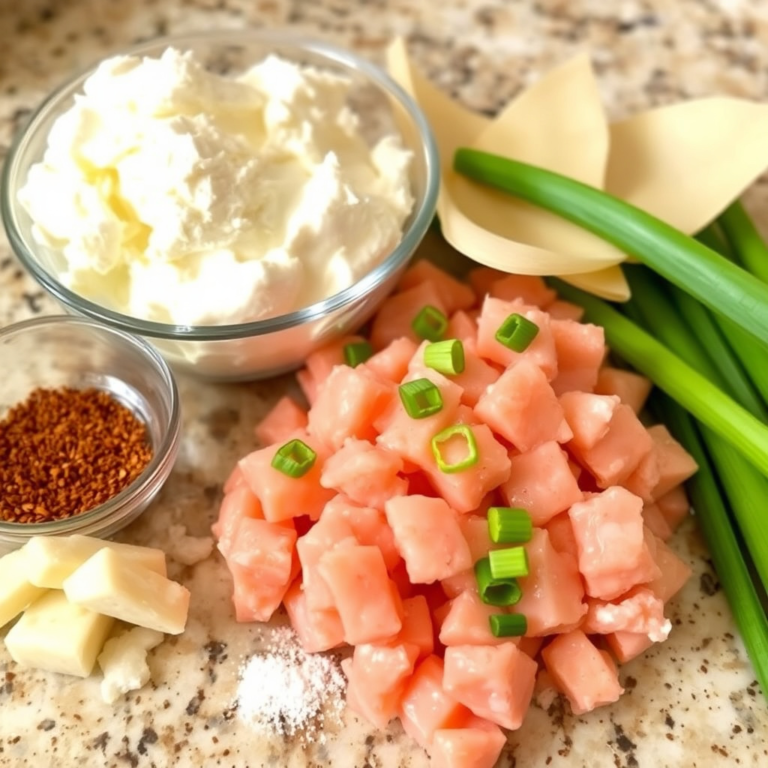
For home cooking, fresh chicken thighs or breasts, quality soy sauce, and common pantry spices create the foundation. Basic kitchen equipment includes a wok or deep skillet and a thermometer for oil temperature control to achieve ideal frying results.
Choosing fresh garlic, ginger, and dried red chilies enhances the homemade sauce, giving it a robust flavor reminiscent of restaurant versions.
- Fresh chicken thighs or breasts
- Soy sauce
- Garlic and ginger
- Dried red chilies
- Wok or deep skillet
- Thermometer for oil
For a detailed background on the dish's origins and cultural significance, refer to the General Tso's chicken Wikipedia article. General Tso's chicken Wikipedia article.
Step-by-Step Cooking Instructions
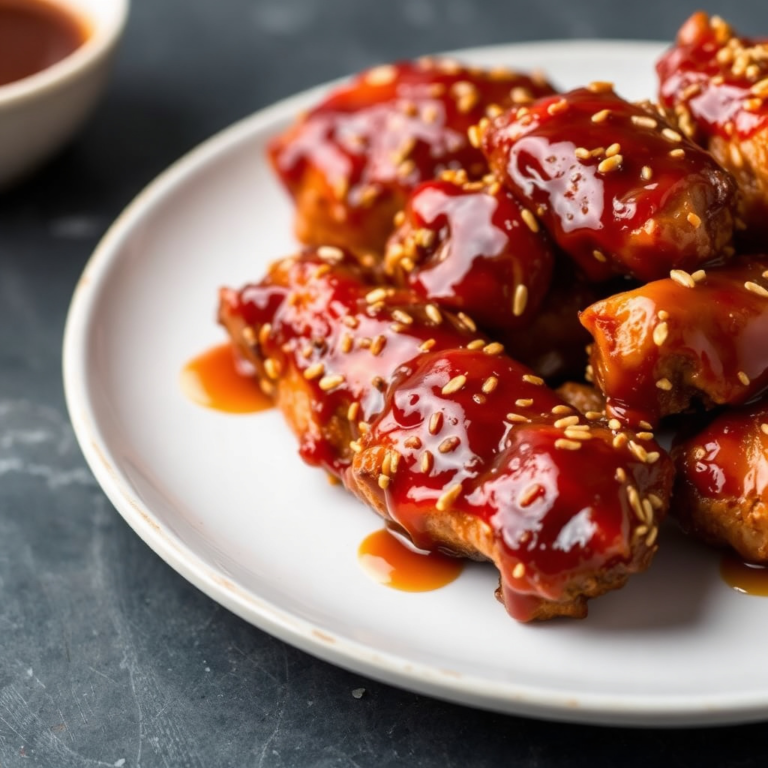
Marinate the chicken in soy sauce, rice wine, and cornstarch. Coat with flour or additional cornstarch. Deep-fry chicken pieces in hot oil until golden and crisp. For the sauce, stir-fry garlic, ginger, chilies, add soy sauce, sugar, vinegar, and thicken with cornstarch slurry. Toss fried chicken quickly in the sauce before serving.
This process yields a dish with tender, crispy chicken coated evenly with a glossy, flavorful sauce.
- Marinate chicken
- Coat chicken pieces
- Deep-fry chicken
- Prepare sauce
- Toss chicken with sauce
Comparison of General Tso Chicken Varieties
Below is a comparison of various General Tso Chicken styles, highlighting cooking methods, flavor profiles, and regional adaptation.
| Variety | Cooking Method | Flavor Profile | Typical Region |
|---|---|---|---|
| Traditional Hunan-style | Stir-fried with moderate spice | Spicy, savory, less sweet | Hunan, China |
| Taiwanese Original by Chef Peng | Lightly fried with balanced sauce | Balanced sweet and spicy | Taiwan |
| Classic American-Chinese | Deep-fried with thick batter | Sweet, tangy, crispy | United States |
| Health-conscious Version | Air-fried or pan-fried | Mild spice, less sugar | Various international cities |
| Fusion Gourmet | Varied methods, use of exotic ingredients | Complex flavors, less sweet | Global metropolitan areas |
Frequently Asked Questions
Is General Tso Chicken a traditional Chinese dish?
No, General Tso Chicken as known today is a modern creation by Chef Peng Chang-kuei, inspired by Hunan cuisine but adapted significantly for global tastes.
Who was General Tso?
General Tso Tsung-tang was a Qing dynasty military leader from Hunan province, known for his leadership but not connected directly to the dish named after him.
Why is General Tso Chicken so sweet in American restaurants?
American versions often add more sugar and sweeteners to appeal to local palates, making the dish sweeter than original Hunan recipes.
Can General Tso Chicken be made healthier?
Yes, by air-frying instead of deep-frying and reducing sugar in the sauce, you can create a healthier homemade version without losing much flavor.
What ingredients are essential for authentic flavor?
Key essentials include soy sauce, garlic, ginger, dried red chilies, rice vinegar, and a balanced sauce combining sweet, savory, and spicy elements.
Key Takeaways
- General Tso Chicken was invented by Chef Peng Chang-kuei in the mid-20th century.
- The dish blends Hunan culinary traditions with adaptations for American tastes.
- It gained popularity in the U.S. through deep-fried chicken with sweet and spicy sauce.
- Many variations exist globally, reflecting changing palates and cooking styles.
Conclusion
Deciding how to appreciate General Tso Chicken requires understanding its unique origin story as a cultural hybrid. Rather than a centuries-old Chinese classic, it is a flavorful invention born from Chef Peng’s efforts to honor his heritage while engaging new audiences. This dish exemplifies how food evolves through migration and adaptation, which helps appreciate its place in culinary history beyond just taste.
For those seeking an authentic experience, exploring the variations from Chef Peng’s Taiwanese original to the deep-fried American-Chinese rendition offers insight into how regional preferences affect cooking techniques and flavors. Whether enjoying a tangier, less sweet Hunan version or a crispy American favorite, knowing these distinctions enriches your meal and appreciation of the dish’s background.
If you wish to try making this dish at home, start with fresh ingredients and follow traditional marinade and frying methods to recreate its signature texture and balanced flavors. Enjoying General Tso Chicken can then become both a culinary delight and a way to connect with its unique history.