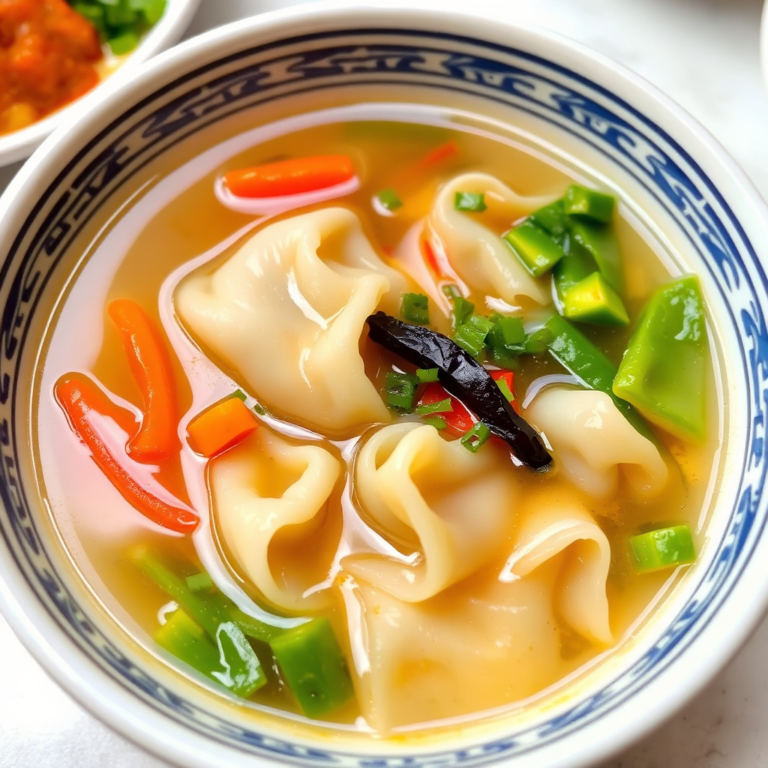
Exploring Authentic Vegetarian Chinese Dishes for Every Meal
Vegetarian Chinese dishes offer a rich and diverse culinary experience that balances savory, sweet, spicy, and umami flavors without relying on meat. Popular options like mapo tofu (with mushrooms instead of pork), vegetable dumplings, and stir-fried greens deliver satisfying textures and tastes rooted in centuries-old traditions. Whether you’re a vegetarian or just want to enjoy lighter meals, these dishes prove that Chinese cuisine is full of plant-based delights.
China’s diverse regions each contribute unique vegetarian specialties, influenced by local ingredients and cultural practices, including Buddhist vegetarian traditions. Enjoying vegetarian Chinese food isn’t just about excluding meat—it means engaging with bold combinations of fresh vegetables, tofu, mushrooms, noodles, and vibrant sauces that create balanced and nutritious meals.
This article introduces a range of vegetarian Chinese dishes categorized by cooking styles and ingredients. From appetizers and mains to noodle dishes and stir-fries, you'll learn what makes these meals flavorful and how to prepare or identify authentic recipes. We'll also compare popular dish types and answer common questions about adapting Chinese dishes for vegetarian diets.
Traditional Vegetarian Chinese Dishes
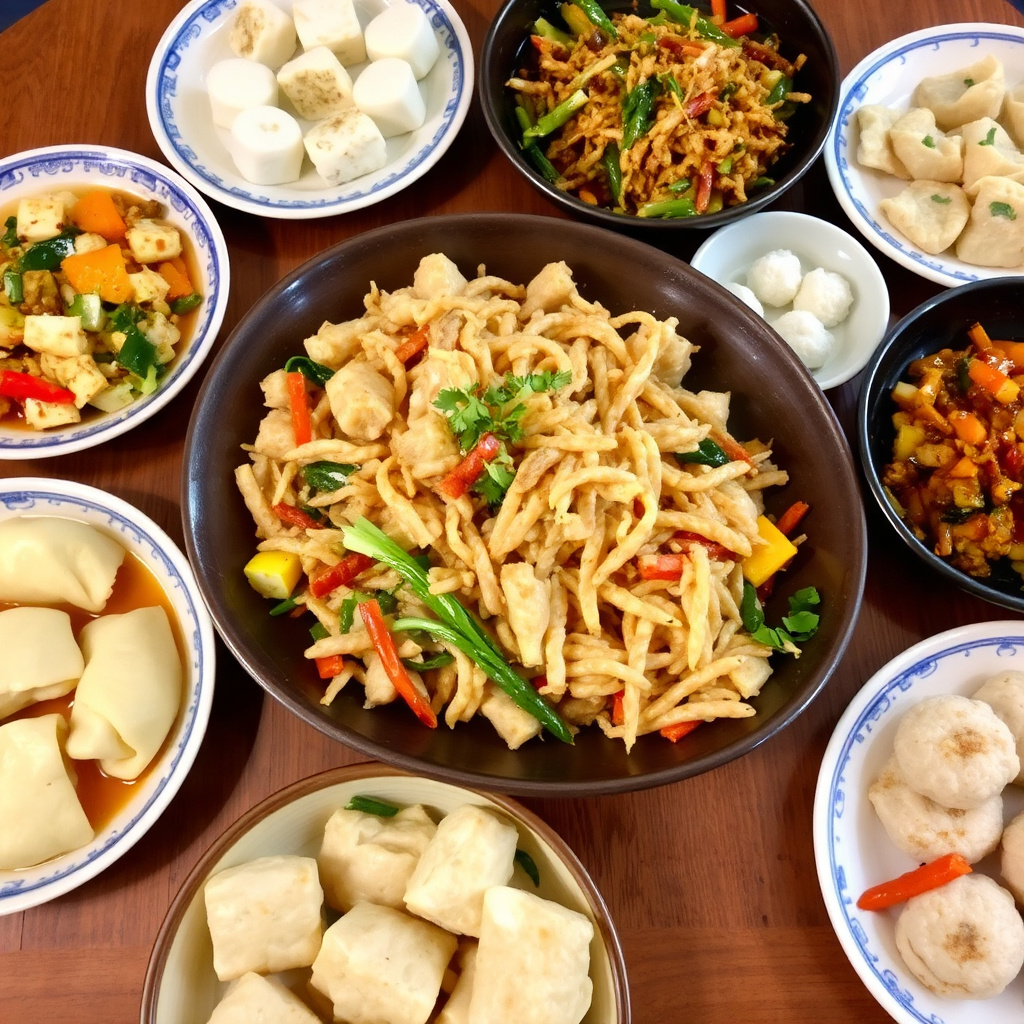
Buddhist-Inspired Vegetarian Feasts
Buddhist vegetarian cuisine in China follows strict principles, avoiding not only meat but also pungent vegetables like garlic and onions. Dishes often feature tofu, wheat gluten, and a broad array of vegetables prepared creatively to mimic the texture and appearance of meat. The focus is on harmony, nutrition, and subtle flavors derived from mushrooms, soy products, and fermented ingredients.
Examples include Buddha’s delight, a medley of vegetables and tofu simmered in a light sauce, and mock meats made from seitan. These dishes are common at temples and in households observing vegetarian days, representing a rich tradition within Chinese culinary culture.
Classic Vegetable Stir-Fries
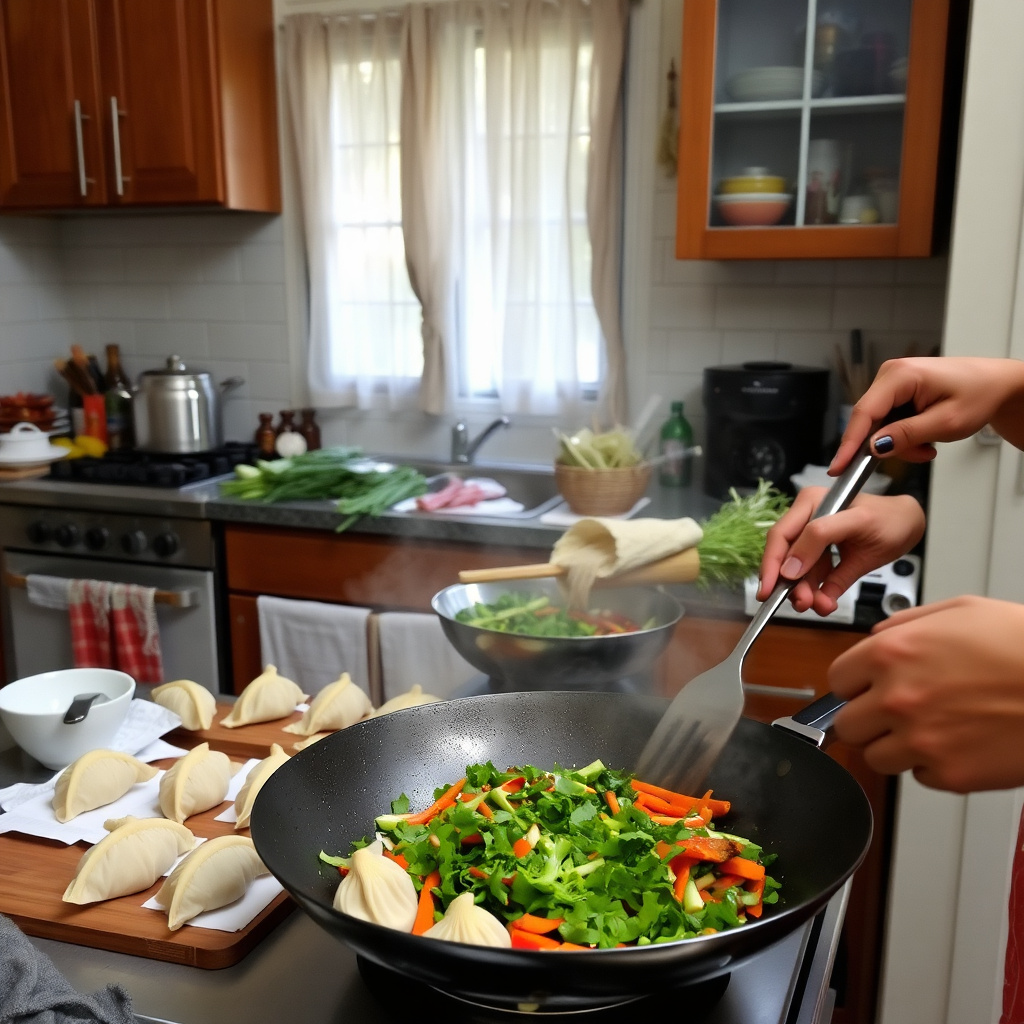
Vegetable stir-fries are a cornerstone of vegetarian Chinese cooking. Quick high-heat cooking preserves the texture and freshness of ingredients such as bok choy, snow peas, mushrooms, and baby corn. Stir-fries rely heavily on aromatics like ginger and fermented sauces like soy sauce or hoisin to build layers of taste.
Dishes like stir-fried string beans with garlic or eggplant in garlic sauce showcase how simple vegetarian ingredients can carry bold flavors. Mastering the correct wok technique helps achieve the characteristic slight char and crunch.
Vegetarian Chinese Noodle and Rice Dishes

Vegetarian Fried Rice Variations
Vegetarian fried rice adapts traditional recipes by substituting meat with diced tofu, edamame, mushrooms, or mixed vegetables. The key to excellent fried rice is the use of day-old jasmine or long-grain rice and the correct balance between soy sauce and sesame oil.
Variations include egg fried rice with plenty of scallions or a spicy Szechuan-style fried rice with chili oil and peppercorns, suitable for those who enjoy a kick without compromising vegetarian preferences.
Stir-Fried and Soup Noodles
Noodles in vegetarian Chinese cuisine come in many forms: wheat, rice, or cellophane. Stir-fried noodles often include vegetables like cabbage, carrots, and mushrooms with delicate soy-based sauces. Soups introduce broths made from mushrooms and vegetables, often served with tofu or leafy greens.
Vegetarian dan dan noodles replace the traditional pork topping with seasoned mushrooms or tofu, maintaining robust textures and flavorful chili-based sauces. These dishes highlight how noodles can be adapted for diverse vegetarian tastes.
Ingredients That Define Vegetarian Chinese Dishes
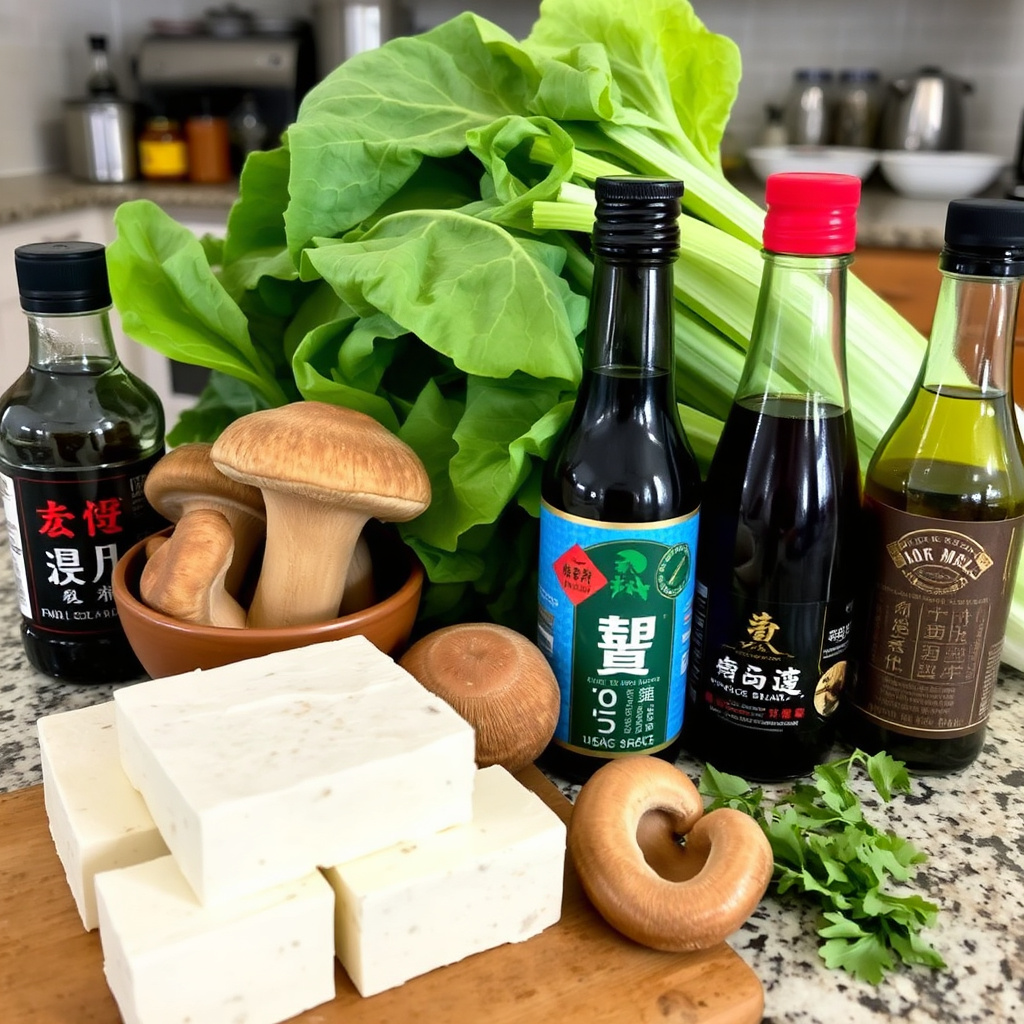
Tofu and Soy Products
Tofu is fundamental to vegetarian Chinese cooking due to its versatility and protein content. Varieties include silken, firm, and dried tofu, each serving different culinary purposes, from soups to stir-fries. Soy products like tempeh and soy milk also appear in many dishes, alongside wheat gluten, often crafted into mock meats.
Tofu absorbs the flavors of sauces and spices, making it both a neutral base and a flavorful ingredient depending on preparation methods. Correct cooking techniques—such as pan-frying, steaming, or braising—bring out its full potential.
For more on this, see our related guide: Best Chinese Dishes to Order for Every Occasion.
Mushrooms and Vegetables
Mushrooms, particularly shiitake and wood ear varieties, enhance the umami depth in vegetarian Chinese recipes. Their meaty textures can mimic meat in certain dishes, providing satisfying mouthfeel. Vegetables like bok choy, snap peas, water chestnuts, and lotus root add crunch, color, and nutrition.
These ingredients, combined with fermented soy-based sauces, garlic (except in Buddhist cuisine), and ginger, create complex flavors that define vegetarian Chinese fare.
Cooking Techniques for Vegetarian Chinese Dishes
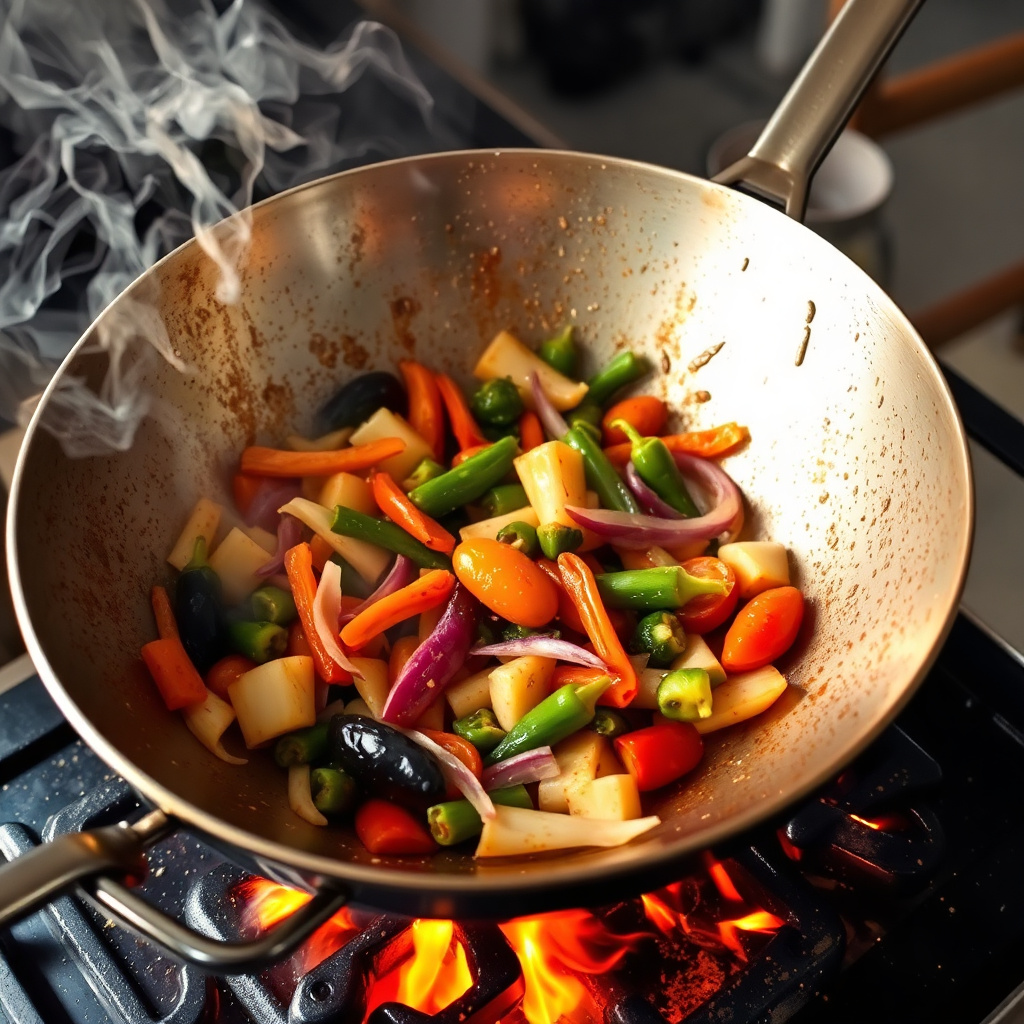
Stir-Frying and Braising
Stir-frying is the preferred method for preserving the texture and freshness of vegetables while combining flavors quickly. High heat and continuous movement ensure even cooking and slight caramelization. Braising, in contrast, gently cooks ingredients in seasoned broth, infusing deep flavor, which works well with tofu and mock meats.
Vegetarian Chinese cooks often balance these techniques depending on desired texture and flavor intensity, creating diverse dish profiles from crisp stir-fries to tender braised plates.
Steaming and Dumpling Preparation
Steaming is favored for light, healthy cooking and is ideal for delicate items like vegetable buns or dumplings filled with finely chopped mushrooms and greens. Dumpling preparation involves careful mixing of fillings to maintain moisture and flavor without meat.
Traditional wrappers made from wheat flour encase vegetarian fillings, which can be pan-fried or boiled after steaming, creating texture contrasts and delightful variations.
Regional Variations in Vegetarian Chinese Cuisine

Sichuan-Style Vegetarian Dishes
Sichuan cuisine is famous for its bold, spicy flavors and liberal use of Sichuan peppercorns. Vegetarian versions of classic dishes like mapo tofu replace minced pork with mushrooms or textured soy protein, maintaining the characteristic numbing heat and complex chili sauces.
Vegetable dishes often incorporate garlic and fermented bean paste to balance spiciness, offering intense flavor profiles absent of animal products but rich in taste.
For more on this, see our related guide: Best Chinese Food for Beginners: A Guide to Essential Dishes.
Cantonese Vegetarian Specialties
Cantonese cooking emphasizes fresh ingredients and lighter seasoning, which allows the natural flavors of vegetables and tofu to shine. Dim sum often includes vegetarian options such as steamed vegetable dumplings or rice noodle rolls filled with mushrooms and greens.
Soups and braised dishes tend to feature clear broths with vegetable chunks and tofu, highlighting subtle tastes important to this regional palate.
Tips for Finding and Making the Best Vegetarian Chinese Dishes
Spotting Authentic Vegetarian Options at Restaurants
When dining out, look for dishes labeled as vegetarian or vegan on menus and inquire about hidden non-vegetarian ingredients like oyster sauce or fish broth. Restaurants specializing in Buddhist cuisine or vegetarian Chinese food are reliable for authentic dishes free of animal products.
Ask if mock meats are used and whether the dishes contain garlic or onions if you follow stricter vegetarian guidelines. Many restaurants now offer modern twists on traditional vegetarian recipes.
For more detailed historical and cultural insights, you can explore vegetarian Chinese cuisine on Wikipedia. Vegetarian Chinese cuisine on Wikipedia.
Home Cooking and Ingredient Sourcing
For home cooks, sourcing quality tofu, fermented sauces like soy or hoisin, and fresh vegetables is essential. Investing in a good wok and practicing stir-frying techniques can greatly enhance the meal.
Experimenting with mushroom varieties and homemade mock meat preparations can bring authenticity to your dishes. Following recipes from reliable sources or cookbooks focused on best vegetarian Chinese recipes can be very helpful.
Comparison of Popular Vegetarian Chinese Dish Categories
Here’s a comparison table highlighting features of different vegetarian Chinese dish types to help you choose the best for your preferences.
| Category | Common Ingredients | Cooking Method | Flavor Profile | Typical Occasion |
|---|---|---|---|---|
| Vegetable Stir-Fries | Bok choy, mushrooms, garlic, soy sauce | Stir-frying | Savory, slightly sweet | Everyday meals |
| Buddhist Vegetarian Feasts | Tofu, wheat gluten, assorted vegetables | Braising, steaming | Mild, umami-rich | Religious observance, festivals |
| Fried Rice | Day-old rice, mixed vegetables, tofu | Stir-frying | Savory, aromatic | Lunch or dinner |
| Noodle Dishes | Wheat or rice noodles, mushrooms, greens | Boiling, stir-frying | Varies – spicy to mild | Casual dining |
| Dim Sum Vegetarian | Dumpling wrappers, mushrooms, tofu | Steaming, pan-frying | Light and fresh | Snacking, brunch |
Frequently Asked Questions
Are all vegetarian Chinese dishes completely vegan?
Not necessarily. Some vegetarian dishes may include eggs, dairy, or animal-based sauces like oyster sauce. Always check or ask if vegan options are needed.
What are common protein sources in vegetarian Chinese cuisine?
Tofu, wheat gluten (seitan), and mushrooms are primary protein sources, providing texture and nutrition often used to replace meat.
How can I make vegetarian Chinese food more flavorful?
Use fermented sauces, fresh aromatics like ginger and garlic, and techniques like stir-frying to develop deep flavors and appealing textures.
Is it difficult to find vegetarian Chinese dishes at restaurants?
It varies by location, but many Chinese restaurants offer vegetarian dishes or can modify meals; specializing vegan or Buddhist restaurants are the most reliable sources.
Can traditional meat-based Chinese dishes be adapted to vegetarian versions?
Yes, many dishes such as mapo tofu or dumplings can be made vegetarian by substituting meats with mushrooms, tofu, or textured soy protein.
Key Takeaways
- Vegetarian Chinese dishes use tofu, mushrooms, and vegetables for rich texture and flavor.
- Regional styles offer diverse flavors from mild Cantonese to spicy Sichuan adaptations.
- Cooking methods like stir-frying and steaming highlight freshness and taste.
- Careful ingredient selection and technique create authentic vegetarian meals.
Conclusion
Choosing the right vegetarian Chinese dishes involves understanding how traditional ingredients and methods create distinct flavors without meat. The best dishes balance texture and taste through well-selected vegetables, tofu, and skilful cooking. This approach fits diverse dietary needs while preserving authenticity and culinary depth found in Chinese cuisine.
If you enjoy spicy flavors, Sichuan-style mapo tofu using mushrooms offers a fulfilling, meat-free experience. For lighter, elegant meals, Cantonese vegetable dim sum or Buddha’s delight are excellent choices. Home cooks benefit from learning stir-frying techniques and sourcing quality soy products to recreate these dishes easily.
Begin by experimenting with simple recipes like vegetable fried rice or steamed vegetable dumplings and progressively try more complex meals. Whether dining out or cooking at home, exploring vegetarian Chinese dishes opens many delicious opportunities that suit plant-based diets and bring variety to any menu.