How to Hold Chopsticks Correctly: A Simple Step-by-Step Guide
Knowing how to hold chopsticks correctly can instantly improve your dining experience, allowing you to pick up food with ease and confidence. The basic method involves positioning one chopstick between the thumb and index finger while resting the other on the ring finger, controlled mainly by the index and middle fingers.
Using chopsticks properly not only helps with efficiency but also shows respect for cultural dining etiquette, especially in East Asian cuisines. Many people struggle at first because it requires a combination of finger precision and hand coordination, but with practice, it becomes second nature.
This article covers the essential steps to hold chopsticks naturally, explores variations in chopstick grip techniques, discusses common mistakes to avoid, and offers tips for beginners. You'll also find advice on choosing the right chopsticks and maintaining good posture while eating.
Basic Steps to Hold Chopsticks
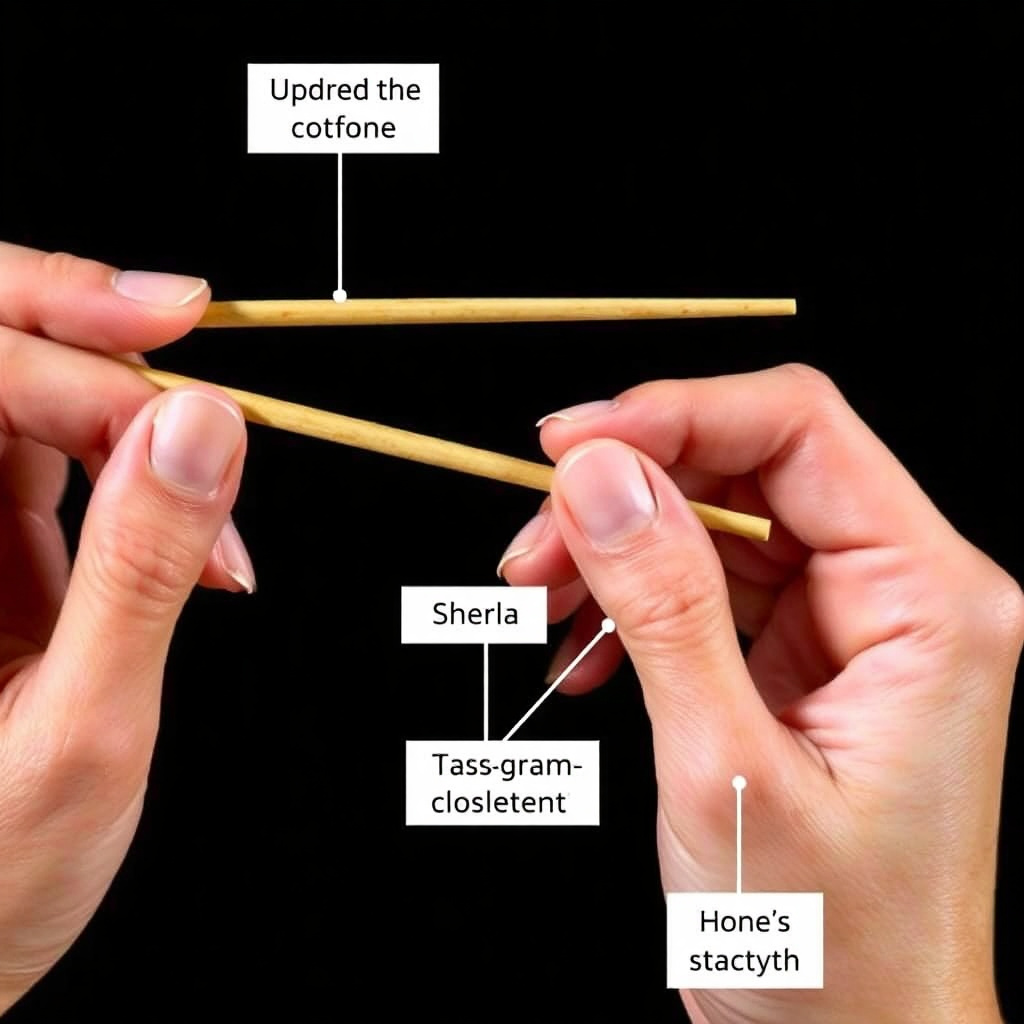
Positioning the Bottom Chopstick
Start by placing one chopstick so it rests comfortably between the tip of your ring finger and the base of your thumb. This chopstick remains mostly stationary, acting as a support for the upper chopstick.
The bottom chopstick should feel stable but not tightly pinched, allowing for slight movement to adjust your grip if needed. Its positioning is crucial to keep the chopsticks balanced during use.
Controlling the Top Chopstick
Hold the second chopstick like a pencil between your thumb, index, and middle fingers. This chopstick does the work of picking up food by moving up and down.
Practice applying gentle pressure with your index and middle fingers while your thumb stabilizes the chopstick's position. Avoid holding it too tightly to maintain smooth movement.
- Keep the tip of the top chopstick aligned with the bottom one to grip food effectively
- Use minimal force to prevent fatigue
Common Chopstick Grip Techniques

Traditional Grip
The traditional grip keeps the bottom chopstick fixed while manipulating the top one, as described in the basic steps. This style is the most common and allows for precise control with practice.
It works well for picking up various food types, from sushi to noodles, and is considered proper etiquette in many cultures.
Modified Grip for Beginners
Some beginners find it easier to hold both chopsticks closer to the middle to gain better control initially. This modified grip reduces finger strain and helps achieve stable movements.
Though slightly less formal, it is useful for those just learning and can be refined over time towards the traditional grip.
Mistakes to Avoid When Using Chopsticks

Crossing Chopsticks
Crossing chopsticks at the tips or holding them in an 'X' shape is a common error that prevents proper gripping of food. It reduces stability and can lead to dropping food.
Focus on keeping the chopsticks parallel and aligned to maintain control.
For more on this, see our related guide: How to Use Chopsticks Properly: A Step-by-Step Guide.
Gripping Too Tightly
Many users clamp down too hard with their fingers, causing hand discomfort and limiting fluid movement. This tension makes it harder to adjust the chopsticks precisely.
Relax your grip slightly to promote smoother motion and lessen fatigue during meals.
Choosing the Right Chopsticks

Material Considerations
Wood and bamboo chopsticks offer natural texture, which helps with grip, especially for beginners. Plastic or metal chopsticks are more durable but can be slippery.
Pick a material that feels comfortable and matches your dining habits; lighter chopsticks are generally easier for extended use.
- Wood: Best grip, disposable options available
- Bamboo: Eco-friendly and textured
- Plastic: Durable but can slip
- Metal: Long-lasting, often used in Korean cuisine
Length and Thickness
Chopsticks typically range from 7 to 10 inches in length. Shorter chopsticks allow precise control, while longer ones offer more reach for family-style meals.
Thickness should feel natural in your hand. Beginners might benefit from thicker chopsticks for better grip.
- 7-8 inches for personal use
- 9-10 inches for serving dishes
- Thicker chopsticks can aid beginners
Tips for Practicing Chopstick Use

Start with Easy Foods
Begin practicing with larger, firmer foods like carrot sticks or chunks of fruit. This helps develop the basic grip without frustration from slipping foods.
As you gain confidence, try handling smaller or slippery foods like grains of rice or noodles.
For more on this, see our related guide: How to Eat Nigiri: A Simple Guide to Enjoying Authentic Sushi.
Consistent Practice
Daily short practice sessions are better than occasional long ones. Consistency helps muscle memory develop for smooth chopstick handling.
Use your chopsticks during meals whenever possible to reinforce proper technique naturally.
Chopstick Etiquette to Keep in Mind
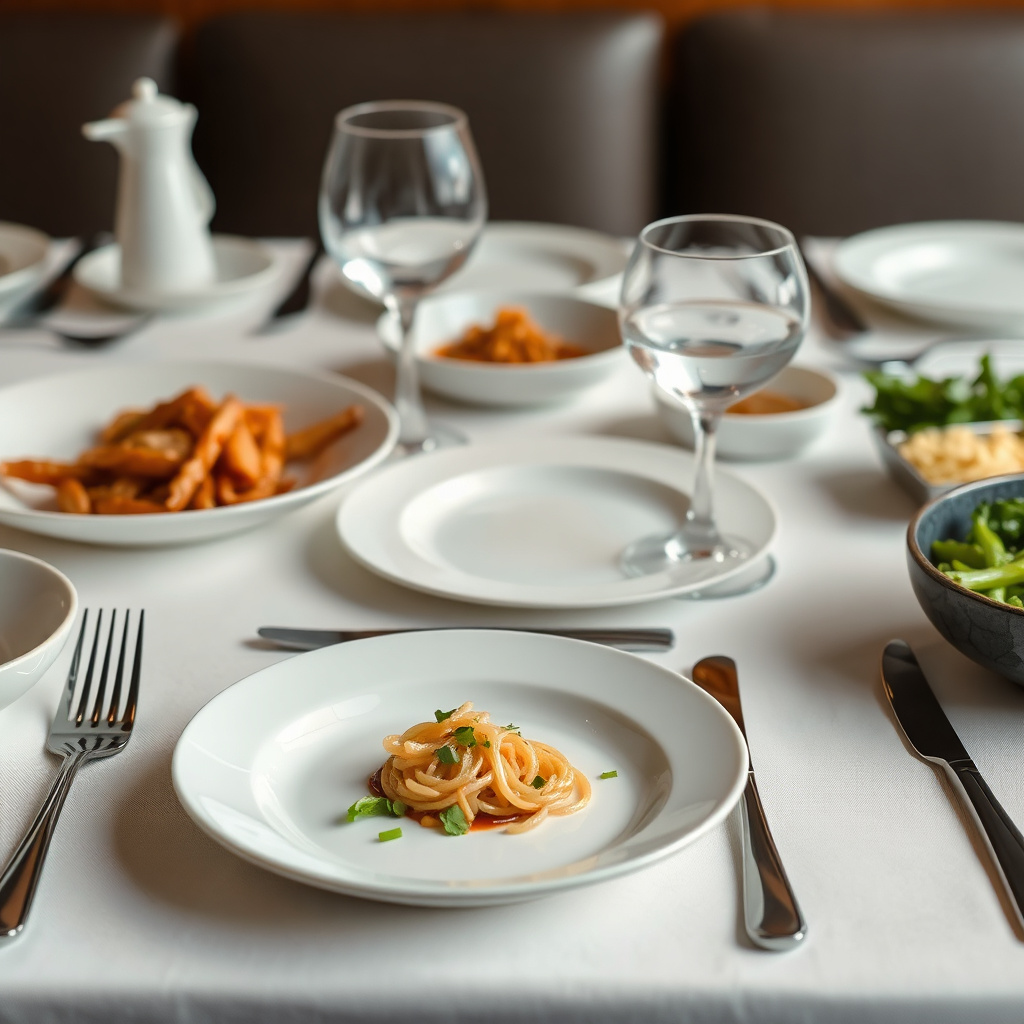
Proper Placement When Not in Use
Rest chopsticks horizontally on a holder or across your bowl rather than sticking them upright in food, which resembles funeral rituals in some cultures and is considered impolite.
Use chopstick rests whenever available to keep them clean and presentable.
For a deeper understanding of chopstick history and cultural variations, visit Chopsticks on Wikipedia. Chopsticks on Wikipedia.
Avoiding Bad Habits
Avoid pointing with chopsticks, spearing food, or passing food directly from chopstick to chopstick as these actions are considered rude in many East Asian cultures.
Respectful chopstick use enhances your dining experience and shows cultural awareness.
Chopstick Materials and Their Usability Comparison
Here is a clear comparison of common chopstick materials, highlighting their grip, durability, and typical use cases.
| Material | Grip | Durability | Typical Use | Ease for Beginners |
|---|---|---|---|---|
| Wood | High – natural texture | Moderate – can wear out | Everyday and casual dining | High |
| Bamboo | High – natural fibers | Moderate – biodegradable | Eco-conscious dining | High |
| Plastic | Medium – smooth surface | High – resistant to damage | Casual and travel use | Medium |
| Metal | Low – slippery | Very High – lasting | Korean cuisine and upscale settings | Low |
| Ceramic | Medium – glazed surface | Fragile | Special occasions or gifts | Low |
Frequently Asked Questions
How do I improve my chopstick grip if my hands are small?
Use slightly shorter and thinner chopsticks or those designed for children to fit your hand size better. Practicing with these helps you develop control and confidence with a comfortable grip.
Can I use chopsticks if I am left-handed?
Yes, simply reverse the positioning and grip chopsticks in your left hand. Most chopsticks are symmetric, so this swap is straightforward.
What should I do if I keep dropping food while using chopsticks?
Focus on keeping the chopsticks aligned and practice applying gentle, balanced pressure. Starting with larger foods can build confident movements before handling smaller or slippery items.
Are there chopsticks specifically designed for beginners?
Yes, some chopsticks feature notches or textured tips for better grip. Training chopsticks with connected ends also help maintain proper spacing as you learn.
Is it okay to use chopsticks for all kinds of foods?
Chopsticks work well for many East Asian dishes like rice, noodles, and small bites, but may be less practical for soups or very large or slippery items where a spoon or fork might be better.
Key Takeaways
- Hold the bottom chopstick steady while moving the top one with your fingers
- Avoid crossing chopsticks or gripping too tightly to prevent dropping food
- Wooden or bamboo chopsticks offer the best grip for beginners
- Consistent practice with easy foods improves chopstick skills quickly
Conclusion
Grasping the technique of how to hold chopsticks effectively involves understanding finger placement and control over the sticks. By anchoring the bottom chopstick and maneuvering the top one, you develop the dexterity required for smooth food handling. Patience and repeated practice are key, as muscle memory builds over time, leading to confidence in using chopsticks at any meal.
For beginners, starting with wooden or bamboo chopsticks sized appropriately for your hand can make learning more comfortable. Modified grip techniques might offer temporary ease, but aiming toward the traditional hold enhances precision and etiquette. Avoid common pitfalls such as crossing the sticks or squeezing them too tightly, and gradually move from firm foods to delicate items like rice and noodles to boost your skills.
The best next step is to integrate chopstick use into regular meals. Choose the right chopsticks based on material and size preferences, and remain mindful of cultural etiquette like proper placement when resting your chopsticks. By incorporating these practical tips and steady practice, you will soon handle chopsticks with natural ease and enjoy diverse cuisines with greater appreciation.