How to Eat Nigiri: A Simple Guide to Enjoying Authentic Sushi
Eating nigiri sushi the right way involves using your hands or chopsticks to gently pick up the sushi, dipping only the fish side into soy sauce, and eating it in one or two bites. This method preserves the flavor and texture, preventing the rice from crumbling or soaking up too much soy sauce.
Understanding how to eat nigiri matters because sushi is an art form where balance and respect for ingredients are key. Eating it incorrectly can mask subtle flavors or disrupt the harmony between the fish and rice that sushi chefs carefully craft.
This article will cover proper nigiri handling techniques, dipping etiquette, using soy sauce and wasabi, and cultural tips that will enhance your enjoyment and appreciation of this traditional Japanese dish.
Handling Nigiri Properly

Using Your Hands Versus Chopsticks
Traditionally, nigiri sushi is eaten with clean hands. This allows for a better grip and prevents the rice from falling apart. However, chopsticks are perfectly acceptable if you prefer them or are dining in more formal settings.
Whether you use hands or chopsticks, it’s important to handle nigiri carefully. Avoid squeezing or pressing too hard to keep the rice intact and the fish atop undisturbed.
Picking Up Nigiri Correctly
Hold nigiri by the sides where the rice and fish meet, supporting the sushi to maintain its shape. Tilt the piece slightly when dipping so the fish, not the rice, touches the soy sauce.
This careful technique keeps the nigiri from absorbing too much soy sauce and losing texture, preserving the balance that the sushi chef intended.
Dipping Nigiri in Soy Sauce

Why Dip the Fish Side Only?
Dipping just the fish side prevents the rice from soaking up excess soy sauce, which can overpower the taste and cause the sushi to disintegrate. This practice keeps flavors clean and balanced.
Light dipping also allows the natural sweetness of the fish to shine, complementing the subtle saltiness of the soy sauce rather than overwhelming it.
Avoiding Soy Sauce Overload
Applying too much soy sauce can mask the delicate flavors of the nigiri. Use just a small amount to enhance, not drown, the natural taste.
If you're unsure, start with a light dip, and adjust based on the fish type and your personal preference; firmer fish might handle soy sauce better than delicate options like sea bass.
Incorporating Wasabi and Other Condiments

Applying Wasabi Correctly
Many sushi chefs already add a small amount of wasabi between the fish and the rice. If you wish to add more, dab a small amount lightly onto the fish rather than mixing it into your soy sauce.
This technique preserves the balance of flavors and avoids overwhelming the fish’s taste.
For more on this, see our related guide: How to Eat Sushi: A Practical Guide for Beginners.
Using Pickled Ginger Appropriately
Pickled ginger is meant as a palate cleanser between different types of sushi. Eat a small slice between bites to refresh your taste buds.
Avoid eating ginger directly on top of the nigiri, as it can confuse the flavors and overpower the sushi experience.
Eating Nigiri Elegantly

How to Bite and Chew
Nigiri is crafted to be eaten in one to two bites to fully appreciate the harmony of fish and rice. Biting into it quickly preserves the intended texture contrast.
Chew gently to savor the combination of flavors and textures before swallowing.
Respectful Sushi Etiquette
When eating nigiri, avoid excessive dipping or removing toppings. These habits show appreciation and respect for the chef’s work.
Also, refrain from rubbing chopsticks together or gesturing with them, as these actions can be seen as impolite in traditional sushi settings.
Common Nigiri Varieties and Their Distinct Eating Tips

Firm Fish Nigiri
Types like tuna and yellowtail have a firm texture that can handle slightly stronger soy sauce dips and a small wasabi boost.
These varieties pair well with more soy sauce but still require a delicate touch to preserve flavor nuances.
For more on this, see our related guide: How to Make Nigiri: Step-by-Step Guide to Perfect Sushi at Home.
Delicate Fish Nigiri
Slimy or soft fish like sea bass and flounder benefit from minimal soy sauce and no added wasabi to maintain their subtle flavors.
For these, just a light brush of soy sauce on the fish side is enough to enhance taste.
Tools and Accessories for Enjoying Nigiri
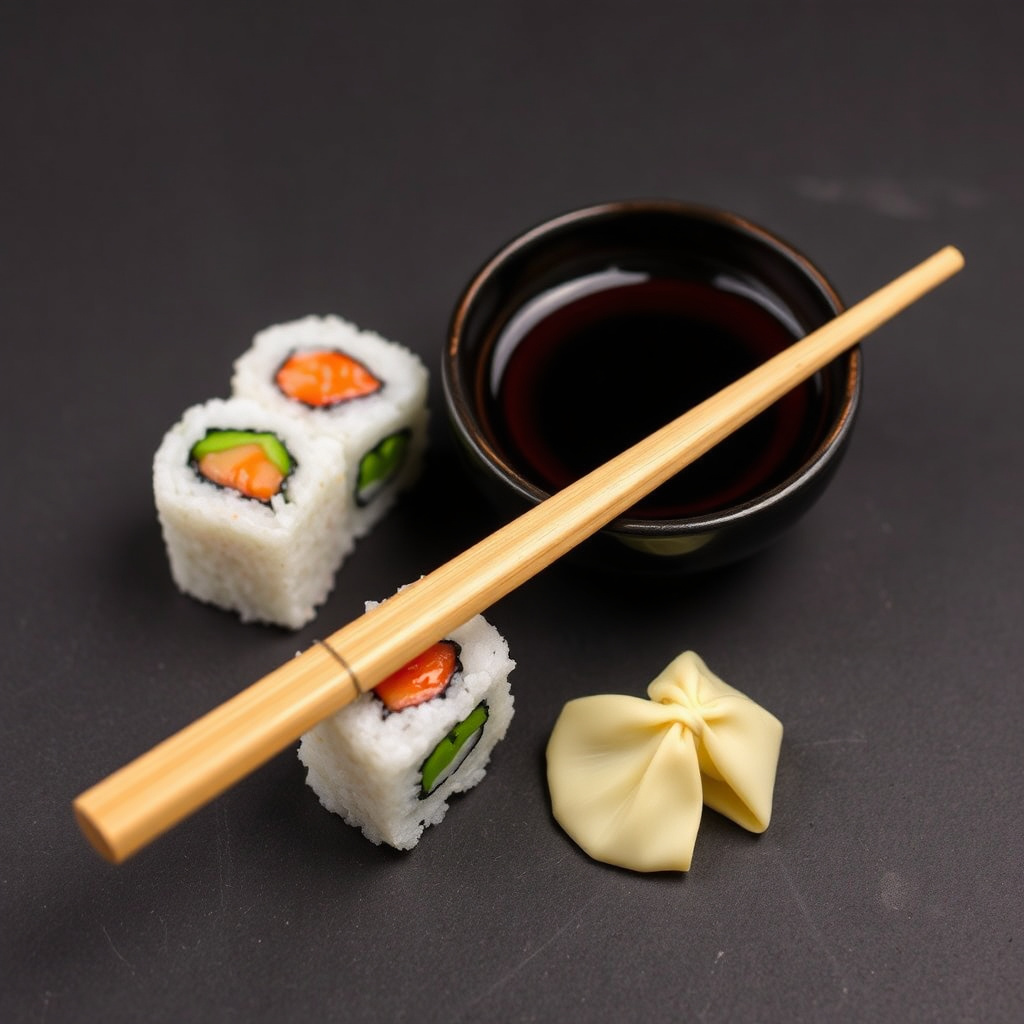
Choosing the Right Chopsticks
Wooden or bamboo chopsticks provide grip and control, ideal for handling delicate nigiri without damage.
Avoid slippery plastic chopsticks which may cause dropping nigiri or crushing the rice.
For more details about nigiri’s origins and variations, visit the Nigiri sushi on Wikipedia. Nigiri sushi on Wikipedia.
Soy Sauce Dishes and Wasabi Placement
Use a shallow soy sauce dish to easily control the amount of soy sauce for dipping.
Place wasabi on a small plate separately to allow you to add it directly to the nigiri if desired, respecting traditional customs.
Nigiri Eating Methods Category Comparison
Comparing common nigiri eating techniques helps highlight their differences and suitability based on context and personal preference.
| Method | Recommended Use | Pros | Cons |
|---|---|---|---|
| Hands | Casual and authentic eating | Better control; traditional method | Requires clean hands; may be awkward for newcomers |
| Chopsticks | Formal settings; preference | Keeps hands clean; precise | Can damage sushi if not steady; less tactile feedback |
| One-Bite | Most nigiri types | Preserves texture; balanced flavor | May be large for some; rapid consumption |
| Two-Bite | Larger nigiri or personal preference | Easier for big pieces; prevents overfilling mouth | May disrupt flavor harmony |
Frequently Asked Questions
Can I mix wasabi into my soy sauce for nigiri?
Mixing wasabi into soy sauce is common but considered less traditional. It's better to apply wasabi directly on the fish for a balanced flavor without overpowering the nigiri.
Is it acceptable to eat nigiri with hands in a restaurant?
Yes, eating nigiri with hands is traditional and widely accepted in sushi restaurants, especially casual ones. Use chopsticks if preferred or if the setting is very formal.
Why should I dip the fish side, not the rice, in soy sauce?
Dipping the fish side prevents the rice from soaking excessive soy sauce, which can cause it to fall apart and mask the delicate flavor balance of the nigiri.
How much soy sauce should I use when eating nigiri?
Use a light dip just enough to coat the fish. Overusing soy sauce can overwhelm the nigiri’s natural flavors and ruin the intended taste experience.
Is it okay to eat nigiri with one bite?
Nigiri sushi is designed to be eaten in one or two bites to preserve texture and flavor. One bite is ideal for most pieces, ensuring you enjoy the full culinary balance.
Key Takeaways
- Use hands or chopsticks gently to hold nigiri without crushing it.
- Dip only the fish side lightly into soy sauce to protect the rice.
- Apply wasabi directly to fish instead of mixing in soy sauce.
- Eat nigiri in one to two bites to appreciate its balanced flavors.
Conclusion
Grasping how to eat nigiri properly enhances not only the taste but also the cultural experience that comes with enjoying traditional sushi. The method involves careful handling, precise dipping, and respectful etiquette that honors the sushi chef's craftsmanship. By prioritizing gentle touches and light soy sauce application, the true flavors and textures designed in nigiri can be fully appreciated.
For casual sushi lovers, eating nigiri with clean hands is comfortable and engaging, while those attending formal sushi dinners may prefer chopsticks to align with the setting’s decorum. When enjoying firmer types like tuna, slightly more soy sauce is acceptable, whereas delicate fish calls for minimal dipping. Keeping wasabi off the soy sauce and using pickled ginger to cleanse your palate between pieces further refine the experience, making each bite distinct and enjoyable.
Ultimately, the best way to eat nigiri aligns with your comfort and respect for culinary tradition. Practicing these methods will deepen your sushi appreciation and provide a deliciously authentic experience every time you indulge. For your next sushi meal, focus on subtlety and mindfulness by picking up nigiri gently, dipping carefully, and savoring each bite fully.




One Comment