What Is Duck Sauce Made Of: Ingredients and Flavor Profile Explained
Duck sauce is typically made from a blend of ingredients including fruits like apricots or plums, sugar, vinegar, and spices. This mixture creates a sweet and tangy flavor that complements various Asian dishes such as egg rolls and fried duck. The specific fruit base and seasoning proportions can vary depending on the recipe or brand.
Understanding what duck sauce is made of helps clarify why it strikes a balance between sweetness and acidity, making it a popular dipping sauce worldwide. Its thick consistency and vibrant orange color come from concentrated fruit purees combined with spices like ginger and chili, which enhance its unique taste.
This article will examine the typical ingredients found in duck sauce, explain variations in recipes including homemade duck sauce recipes, describe the sauce's flavor components, and offer tips on incorporating it into your meals.
Key Ingredients in Duck Sauce

Fruit Bases Commonly Used
The main fruit bases for duck sauce are apricots, plums, or peaches, providing natural sweetness and a rich flavor. These fruits are cooked down into a thick paste or puree, which forms the body of the sauce. Some recipes also use peaches or nectarines as alternatives depending on regional preferences.
Using fruit pulp not only gives duck sauce its classic orange hue but also contributes to its smooth texture. The fruit's acidity balances the sweetness, setting the stage for the combination of sugar and vinegar added later.
- Apricot puree
- Plum paste
- Peach pulp
Sweeteners and Acidic Components
Sugar is added to heighten the sweet profile of the sauce, often balancing the natural tartness of the fruit and vinegar. White granulated sugar is typical, but some recipes use brown sugar for warmth and caramel notes.
Vinegar acts as the acidic counterpoint, imparting brightness and a slight tang that prevents the sauce from being overly sweet. Rice vinegar is favored for its mild flavor, though distilled white vinegar is also common.
- Granulated or brown sugar
- Rice vinegar
- Distilled white vinegar
Spices and Flavor Enhancers in Duck Sauce

Common Spices Added
Ingredients such as ginger, garlic powder, and chili flakes are often incorporated to provide subtle heat and aromatic depth. Ginger lends a warm, slightly peppery brightness, while garlic enhances the savory dimension of the sauce.
Chili flakes or a bit of cayenne pepper can add a gentle spice that cuts through the sweetness, appealing to those who enjoy a balanced heat level. However, many commercial duck sauces keep the spice level mild.
- Ground ginger
- Garlic powder
- Chili flakes
Additional Flavor Enhancers
Salt is added in small amounts to round out flavors, enhancing both sweetness and tanginess. Some recipes fold in soy sauce or pineapple juice to introduce complexity, though these are more common in homemade duck sauce recipes.
Thickeners like cornstarch or modified food starch are sometimes used in commercial versions to maintain a consistent texture, but homemade duck sauce tends to rely on reduced fruit purees.
- Salt
- Soy sauce
- Cornstarch
Homemade Duck Sauce Recipes and Variations

Basic Homemade Duck Sauce Recipe
A simple homemade duck sauce involves simmering apricot preserves, sugar, vinegar, and a pinch of ginger until thickened. This allows control over sweetness and tang, and no artificial thickeners are needed.
Such recipes enable adjusting spice levels by adding chili flakes or fresh minced ginger, catering to personal taste. The homemade versions can be stored refrigerated for up to two weeks.
- Apricot preserves
- White vinegar
- Ginger
- Sugar
For more on this, see our related guide: What is Hoisin Sauce? A Complete Guide to This Flavorful Asian Condiment.
Regional and Flavor Variations
Regional differences may swap apricots for plums or peaches, or add pineapple juice for tropical notes. Some Chinese-American recipes infuse hoisin sauce or soy sauce to deepen the umami flavor.
Other variations include adding garlic or scallion for a savory twist or increasing vinegar for a tarter sauce. This adaptability makes duck sauce popular worldwide in various culinary contexts.
Pairing and Uses of Duck Sauce

Traditional and Popular Pairings
Duck sauce is a classic accompaniment to dishes like spring rolls, egg rolls, fried wontons, and roast duck. Its sweet and tangy profile complements the savory, crispy textures, providing contrast in flavor.
It’s also used as a glaze for meats, in marinades, or occasionally as a salad dressing ingredient to add a fruity balance to greens.
Creative Culinary Applications
Beyond traditional uses, duck sauce works well as a dip for grilled chicken, meatballs, or roasted vegetables. It can be incorporated into sauces for noodle dishes or drizzled over rice bowls for added flavor.
Its versatility allows chefs and home cooks to experiment with sweet-tart sauces that brighten and elevate dishes with an Asian influence.
Storing and Shelf Life of Duck Sauce
Commercial Duck Sauce Storage
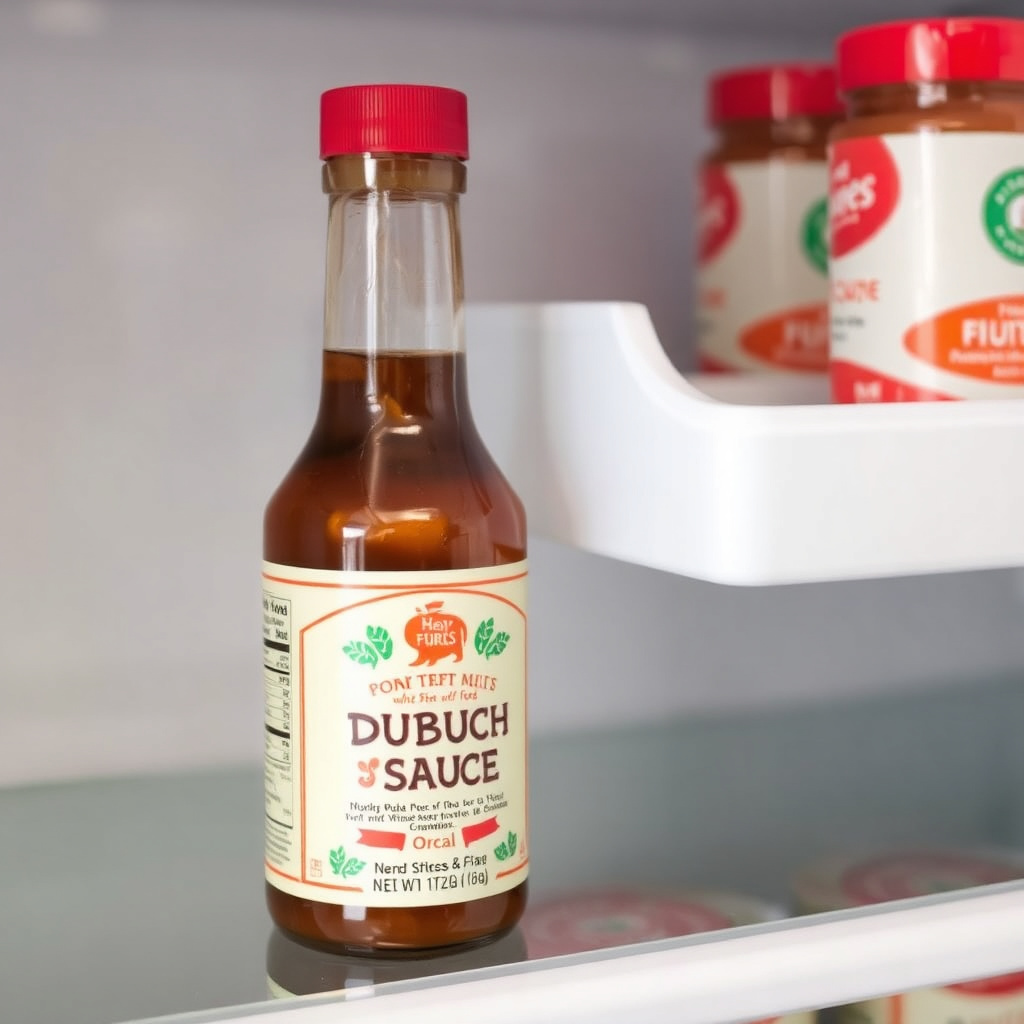
Commercial bottled duck sauce has preservatives giving it a shelf life of six months or more unopened. Once opened, it should be refrigerated and used within one to two months to maintain optimal freshness.
Properly sealing the jar after each use prevents contamination and helps keep the flavor stable.
For more on this, see our related guide: What Is in Egg Rolls? Understanding Their Classic and Varied Fillings.
Homemade Duck Sauce Preservation
Homemade duck sauce lacks preservatives, so it must be refrigerated promptly and used within 10 to 14 days for best quality. Freezing is possible for longer storage but can alter texture slightly.
Use sterile containers and airtight lids to extend freshness and reduce spoilage risks.
Nutritional Profile and Dietary Considerations
Nutritional Content Overview
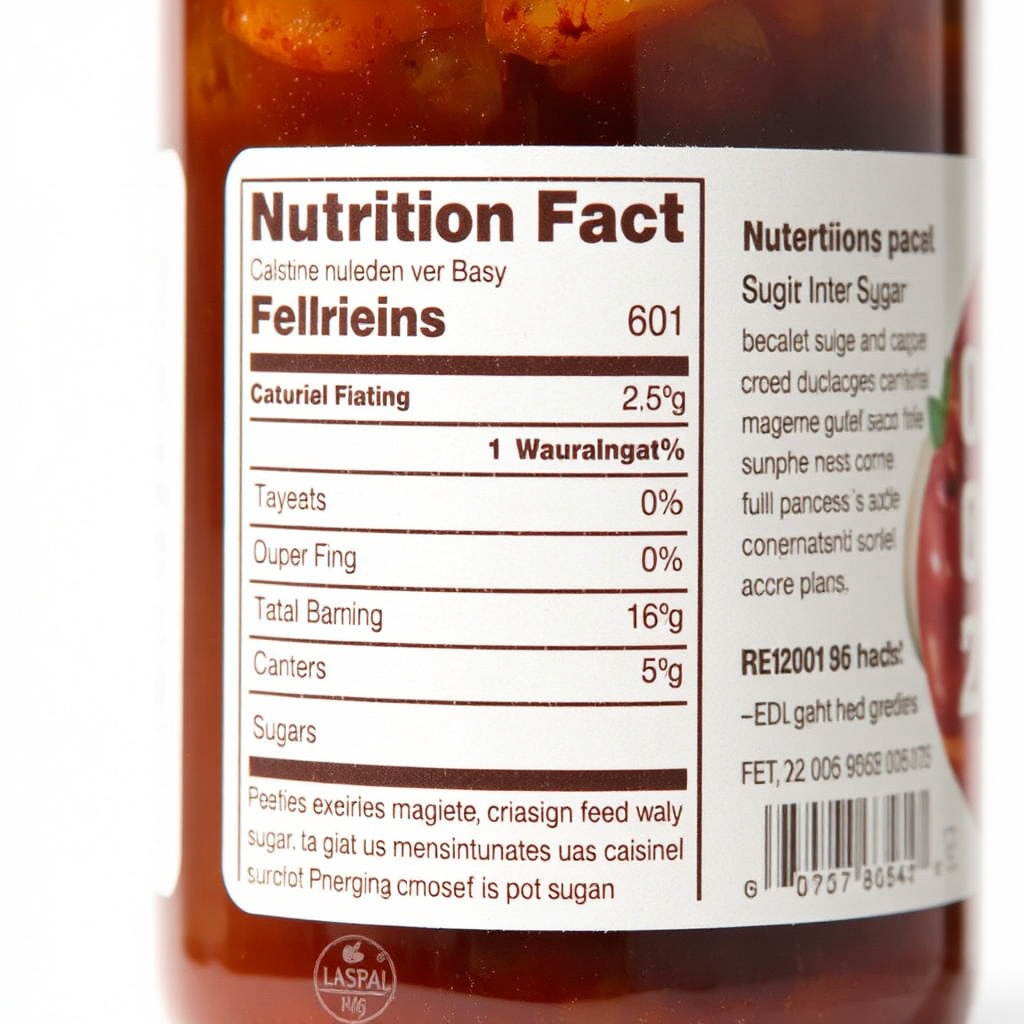
Duck sauce is generally low in calories but high in sugar due to the fruit base and added sweeteners. Typical servings provide quick energy but little protein or fiber.
Sodium content is usually moderate, depending on added salts or soy sauce, which makes it suitable as a flavor enhancer within a balanced diet.
For more historical and cultural details about duck sauce, you can visit the Duck sauce Wikipedia article. Duck sauce Wikipedia article.
Suitability for Special Diets
Most duck sauces are gluten-free and vegetarian; however, some brands may contain additives or preservatives unsuitable for certain diets. Always check labels for allergens or unexpected ingredients.
For diabetics or low-sugar diets, homemade versions with reduced sugar or sugar substitutes are preferable.
Duck Sauce Types and Flavor Profiles Comparison
Below is a comparison of common duck sauce types, highlighting their main fruit bases, sweetness levels, and typical uses.
| Type | Main Fruit Base | Sweetness Level | Typical Use |
|---|---|---|---|
| Apricot Duck Sauce | Apricots | Medium-High | Egg rolls, roast duck |
| Plum Duck Sauce | Plums | Medium | Dim sum, dipping sauce |
| Peach Duck Sauce | Peaches | Medium | Glazes, marinades |
| Pineapple-Infused | Apricot + Pineapple | High | Exotic appetizers |
| Spicy Variation | Apricot or Plum | Medium | Spicy dipping |
Frequently Asked Questions
Is duck sauce actually made from duck?
No, duck sauce contains no duck. It’s a fruit-based sweet and tangy condiment originally paired with roast duck but contains ingredients like apricots, plums, sugar, and vinegar.
Can I make duck sauce at home?
Yes, homemade duck sauce typically involves simmering fruit preserves (like apricot), vinegar, sugar, and spices until thickened, allowing customization of sweetness and spice levels.
What dishes pair well with duck sauce?
Duck sauce complements fried appetizers like egg rolls, spring rolls, and fried wontons, and can also be used as a glaze for meats or a flavor boost for rice and noodle dishes.
How should I store duck sauce after opening?
Once opened, duck sauce should be refrigerated and consumed within one to two months for commercial bottles, and within two weeks if homemade, to maintain freshness and flavor.
Is duck sauce gluten-free?
Most duck sauce is gluten-free, but it’s important to check commercial product labels since some may contain additives or soy sauce with gluten.
Key Takeaways
- Duck sauce is primarily made from fruit purees like apricot or plum, sweeteners, vinegar, and spices.
- Sweetness and tanginess balance comes from sugar and vinegar, with spices adding subtle heat or flavor depth.
- Homemade duck sauce recipes allow customization of sweetness, spice levels, and fruit base.
- It pairs well with Asian appetizers and meats and must be refrigerated after opening.
Conclusion
Choosing the right duck sauce starts with understanding its key components: a fruit base such as apricots or plums combined with sugar, vinegar, and spices. The harmonious blend of sweetness and acidity defines its distinctive flavor that enhances many dishes. When evaluating options, consider the fruit base and level of spice to find a sauce that complements your palate and dishes best. This knowledge can guide both selection of commercial sauces and crafting your own homemade versions.
If you enjoy classic, mildly sweet flavors, apricot-based duck sauce is a reliable choice that pairs beautifully with fried foods and roasted meats. Those wanting something fruitier or with tropical notes might explore peach or pineapple-infused variants. For a bit of warmth, consider sauces with added ginger or chili. Homemade duck sauce recipes, which also fit the secondary keyword 'homemade duck sauce recipe,' offer flexibility to adjust for personal taste preferences and dietary needs by adjusting sugar or spice levels.
For your next meal, try experimenting with a homemade duck sauce recipe tailored to your flavor preferences or explore different commercial types to discover your favorite. Storing the sauce properly ensures it remains fresh and flavorful. Whether used as a dip, glaze, or marinade, duck sauce adds a burst of bright, sweet-tart flavor that can elevate your culinary creations.