How Much Protein Is in Tofu? A Detailed Nutritional Guide
Tofu contains a substantial amount of protein, making it a popular choice for those seeking plant-based protein sources. On average, firm tofu offers about 10 to 20 grams of protein per 3.5-ounce (100-gram) serving, depending on its preparation and firmness.
Many people choose tofu as a versatile ingredient for its protein and nutrient density, especially in vegetarian and vegan diets. Understanding how much protein is in tofu can help tailor meal plans to meet daily protein requirements without relying on animal products.
This article will examine the protein amounts across different types of tofu, explore their nutritional profiles, and discuss how tofu compares with other protein sources. It also covers cooking methods that affect protein availability and answers common questions about including tofu in your diet.
Protein Levels in Different Tofu Varieties

Silken and Soft Tofu Protein Content
Silken and soft tofu contain less protein per serving compared to firmer varieties due to their higher water content. Typically, a 100-gram serving of silken tofu provides about 5 to 8 grams of protein, making it less dense but still a valuable source.
These tofu types work well in smoothies, desserts, and soups where a creamy texture is desired, though they deliver a lighter protein punch.
Firm and Extra Firm Tofu Protein Content
Firm and extra firm tofu have up to twice the protein content of silken varieties. A typical 100-gram portion of firm tofu usually contains around 10 to 15 grams of protein, while extra firm can reach 15 to 20 grams.
The denser texture means these tofu types are better suited for stir-fries, grilling, and baking, where they hold shape and provide satisfying bite along with enhanced protein.
Factors Influencing Protein Content in Tofu
Soybean Quality and Processing
Protein concentration in tofu depends on the soybeans used as well as the manufacturing process. Higher-quality soybeans with a rich protein profile produce tofu with greater protein content.
The coagulation method and the amount of water pressed out during production also influence tofu's protein density. Less water results in firmer blocks with more protein per serving.
Cooking and Preparation Effects
Cooking temperature and methods can impact protein availability. For example, boiling tofu may cause slight protein losses in cooking water, while baking or grilling preserves protein content more effectively.
Marinating tofu does not affect its protein content but can add flavor without compromising nutritional value.
Tofu Compared to Other Plant-Based Protein Sources
Tofu vs. Legumes
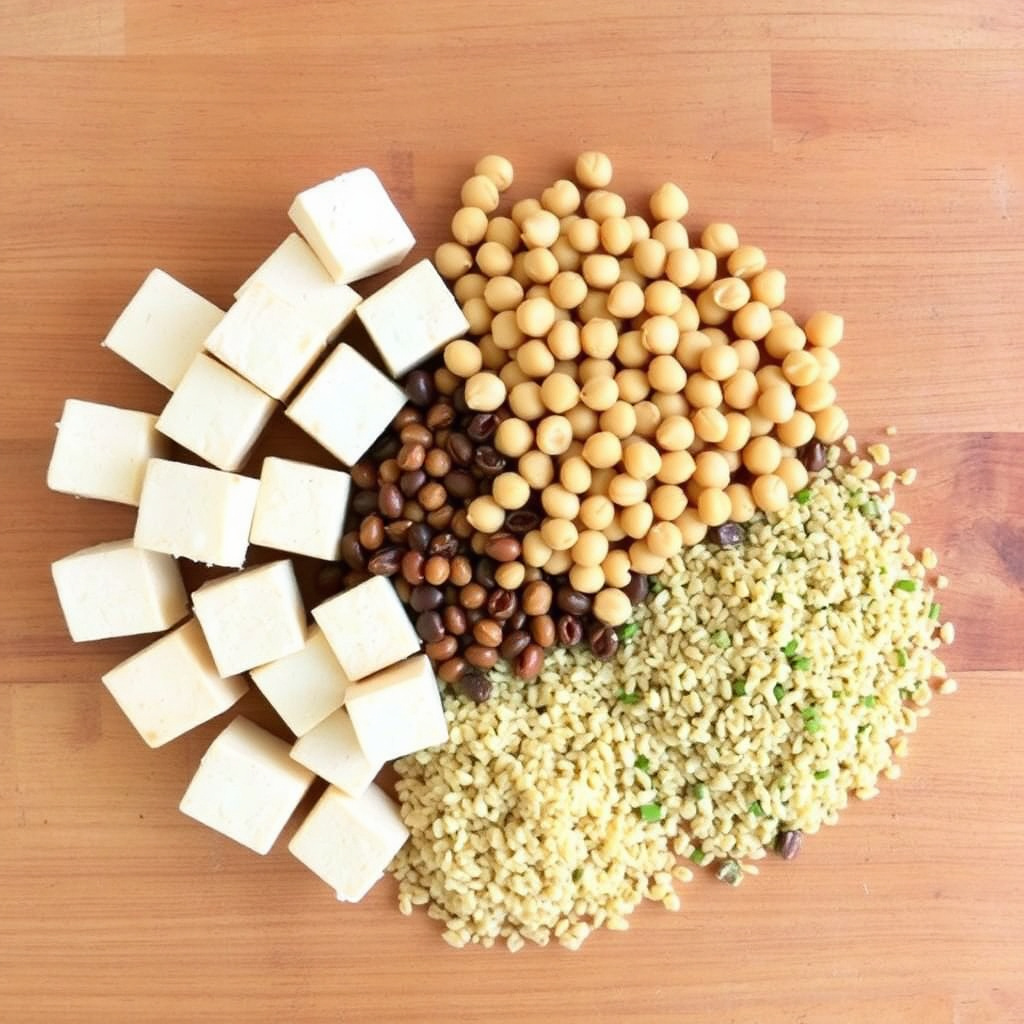
Legumes like lentils and chickpeas are well-known plant proteins but generally contain less protein by weight compared to firm tofu. For instance, cooked lentils provide about 9 grams of protein per 100 grams.
Tofu offers a more concentrated protein source along with a complete amino acid profile, making it a superior option for plant-based protein needs.
For more on this, see our related guide: How Many Calories in Mapo Tofu: A Nutritional Guide.
Tofu vs. Grains and Nuts
Grains and nuts usually have lower protein content per serving relative to tofu. Quinoa provides about 4 grams per 100 grams cooked, and almonds roughly 21 grams per 100 grams raw, though nuts come with higher fat content.
Tofu's balance of high protein and low fat distinguishes it as a staple in vegetarian protein diets.
Incorporating Tofu Protein into Your Diet

Meal Planning with Tofu
Incorporating firm or extra firm tofu into meals provides an easy way to boost daily protein intake. Combining tofu with grains and vegetables creates balanced dishes that cover all essential nutrients.
Because tofu absorbs flavors well, it can be used in a variety of culinary styles from Asian-inspired stir-fries to salads and sandwiches.
Recommended Serving Sizes
A typical serving of tofu ranges from 3 to 6 ounces (85–170 grams), providing approximately 8 to 20 grams of protein depending on firmness. Adjust serving sizes based on your individual protein goals and dietary needs.
For athletes or those with higher protein requirements, increasing tofu portions or combining with other protein sources can help meet targets.
Health Benefits Linked to Tofu Protein

Bone Health and Muscle Maintenance
The protein and isoflavones in tofu support muscle repair and may help improve bone density. Regular tofu consumption has been associated with positive effects on bone health in some studies.
This makes tofu a smart protein choice for older adults and anyone seeking to maintain muscle mass.
For more on this, see our related guide: Is Tofu Good for Weight Loss? Exploring Its Benefits and Impact.
Cholesterol and Heart Health
Replacing animal proteins with tofu can reduce saturated fat intake and help lower LDL cholesterol levels. The protein in tofu contributes to heart health by supporting improved lipid profiles.
Including tofu as part of a balanced diet may thus aid in cardiovascular disease prevention.
Storage and Shelf Life of Tofu Protein Value

Proper Storage Methods
Tofu should be kept refrigerated and stored in water if opened, changing the water daily to maintain freshness and texture. Proper storage helps preserve its protein and nutritional qualities.
Freezing tofu changes its texture, making it spongier but does not reduce protein, making it viable for longer-term storage.
For comprehensive details on tofu, including its nutritional profile and history, refer to the tofu nutritional information on Wikipedia. tofu nutritional information.
Shelf Life Considerations
Unopened tofu typically lasts several weeks in the refrigerator based on its sell-by date. Once opened, consuming it within 3 to 5 days is recommended to enjoy optimal quality and nutrition.
Silken tofu has a shorter shelf life than firmer varieties, so attention to storage times is important.
Comparison of Tofu Protein Content by Type
This table provides a clear comparison of protein content and typical uses across popular tofu types for easy reference.
| Tofu Type | Protein (g per 100g) | Texture | Common Use |
|---|---|---|---|
| Silken | 5-8 | Very Soft, Custard-like | Smoothies, Desserts, Soups |
| Soft | 7-10 | Soft but Holds Shape | Soups, Sauces, Scrambles |
| Firm | 10-15 | Dense, Holds Shape | Stir-fries, Grilling, Baking |
| Extra Firm | 15-20 | Very Dense, Chewy | Grilling, Frying, Skewers |
Frequently Asked Questions
Is tofu a complete protein?
Yes, tofu is a complete protein that contains all nine essential amino acids required by the human body, making it an excellent plant-based protein choice.
How much protein do I get from a standard serving of firm tofu?
A standard 100-gram serving of firm tofu provides approximately 10 to 15 grams of protein, depending on the brand and preparation.
Does cooking tofu reduce its protein content?
Cooking tofu generally does not significantly reduce its protein content, though some water-based cooking methods might lead to minor losses.
Can tofu meet daily protein requirements for vegetarians?
Yes, tofu can play a key role in vegetarian diets by supplying sufficient protein when combined with a diverse, balanced food intake.
Is tofu suitable for people with soy allergies?
No, tofu is made from soybeans and should be avoided by individuals allergic to soy to prevent allergic reactions.
Key Takeaways
- Firm and extra firm tofu contain the highest protein levels among tofu types.
- Tofu is a complete plant-based protein with all essential amino acids.
- Protein content may vary based on tofu processing and cooking methods.
- Including tofu contributes to muscle, bone, and heart health benefits.
Conclusion
Understanding how much protein is in tofu is vital for anyone who relies on plant-based sources to maintain dietary protein requirements. The varying protein content across tofu types reflects differences in water content and firmness, with firm and extra firm tofu providing more concentrated protein. Factoring in these differences helps tailor meals for specific nutritional goals, whether for muscle maintenance, weight management, or general health.
Those seeking to maximize protein intake should focus on incorporating firm and extra firm tofu varieties, which offer around 10 to 20 grams of protein per 100-gram serving. These types hold up well in cooking methods such as stir-frying, grilling, or baking, making them versatile and nutrient-dense ingredients. For lighter meals or recipes requiring smooth textures, silken tofu is preferable, albeit with lower protein content. Additionally, combining tofu with other plant proteins can ensure all nutritional bases are covered.
To make the most of tofu's protein benefits, plan servings considering your individual protein needs and preferences. Experiment with different tofu textures and cooking styles to maintain variety and enjoyment. Whether you're a vegetarian, vegan, or simply trying to introduce more plant-based proteins into your diet, tofu is an accessible, adaptable option that can fulfill your protein goals efficiently and deliciously.