How to Eat with Chopsticks: A Beginner’s Guide to Mastering the Technique
If you've ever wondered how to eat with chopsticks properly, the secret lies in your grip and finger movements. Start by holding one chopstick like a pencil, stabilized between your thumb and fingers, while the other rests steadily against your ring finger and base of your thumb. Use your index and middle fingers to move the top chopstick to grip food securely.
Eating with chopsticks is more than just a skill; it opens the door to exploring many Asian cuisines authentically. Using them correctly not only improves your dining experience but also shows respect for the culture and traditions behind these utensils. Mastering the technique can seem tricky at first, but with practice, it becomes second nature.
This article will guide you through the essential steps on how to eat with chopsticks, including positioning, grasping, and handling food. Additionally, you'll find tips on chopstick etiquette to avoid common mistakes and a comparison of types of chopsticks that might suit your needs.
Understanding the Basic Chopstick Hold

Proper Finger Placement
Hold the bottom chopstick steady by positioning it between the base of your thumb and the ring finger. This chopstick remains mostly stationary throughout the meal. The top chopstick is held like a pencil between the tips of your thumb, index, and middle fingers, allowing it to move freely.
This grip gives you the control needed to open and close the chopsticks effectively. It may feel awkward at first, but focusing on keeping the bottom chopstick stable while moving only the top one will help build muscle memory.
Adjusting for Comfort
Adjust the spacing between the chopsticks according to your hand size and the type of food to be eaten. Ensure the tips align evenly for a precise grip. Holding the chopsticks too tightly can cause fatigue, while a loose grip might make picking up food difficult.
Comfort is essential as eating with chopsticks involves subtle finger movements. Practice by picking up larger items first before working your way to smaller pieces, improving your dexterity gradually.
Techniques for Picking Up Food with Chopsticks

Grasping Solid Foods
For larger pieces like chunks of meat or vegetables, open the chopsticks by spreading your fingers, position the tips around the item, and gently close them to secure the food. Lift confidently without squeezing too tightly to avoid crushing the piece.
Practice with firm foods first to build skill. Once the grip feels natural, try lifting sushi, meatballs, or tofu blocks. Holding food steadily will reduce frustration and create a smooth eating experience.
For more on this, see our related guide: How to Hold Chopsticks Correctly: A Simple Step-by-Step Guide.
Handling Small or Slippery Foods
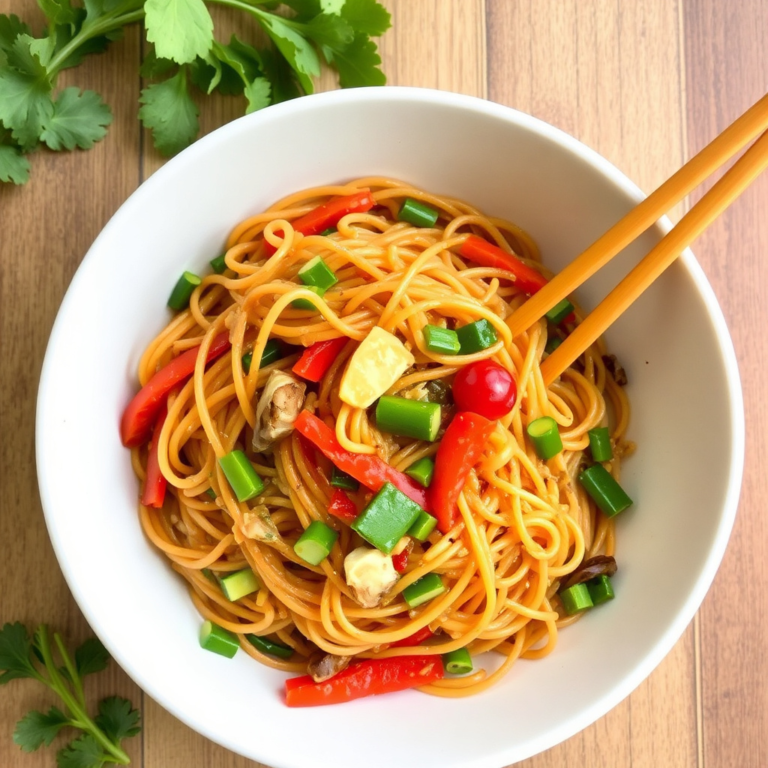
Small or slippery foods like rice or noodles require a delicate grip. Use the chopsticks' tips carefully to pinch or scoop food. For noodles, use a gentle twisting motion to wind them around the chopsticks or lift them straight up.
Mastering this technique takes patience but significantly improves your chopstick skills. Using chopstick etiquette tips, like not stabbing food or transferring it directly to another person's chopsticks, is important during social meals.
Common Chopstick Etiquette Tips
Do’s and Don’ts While Eating
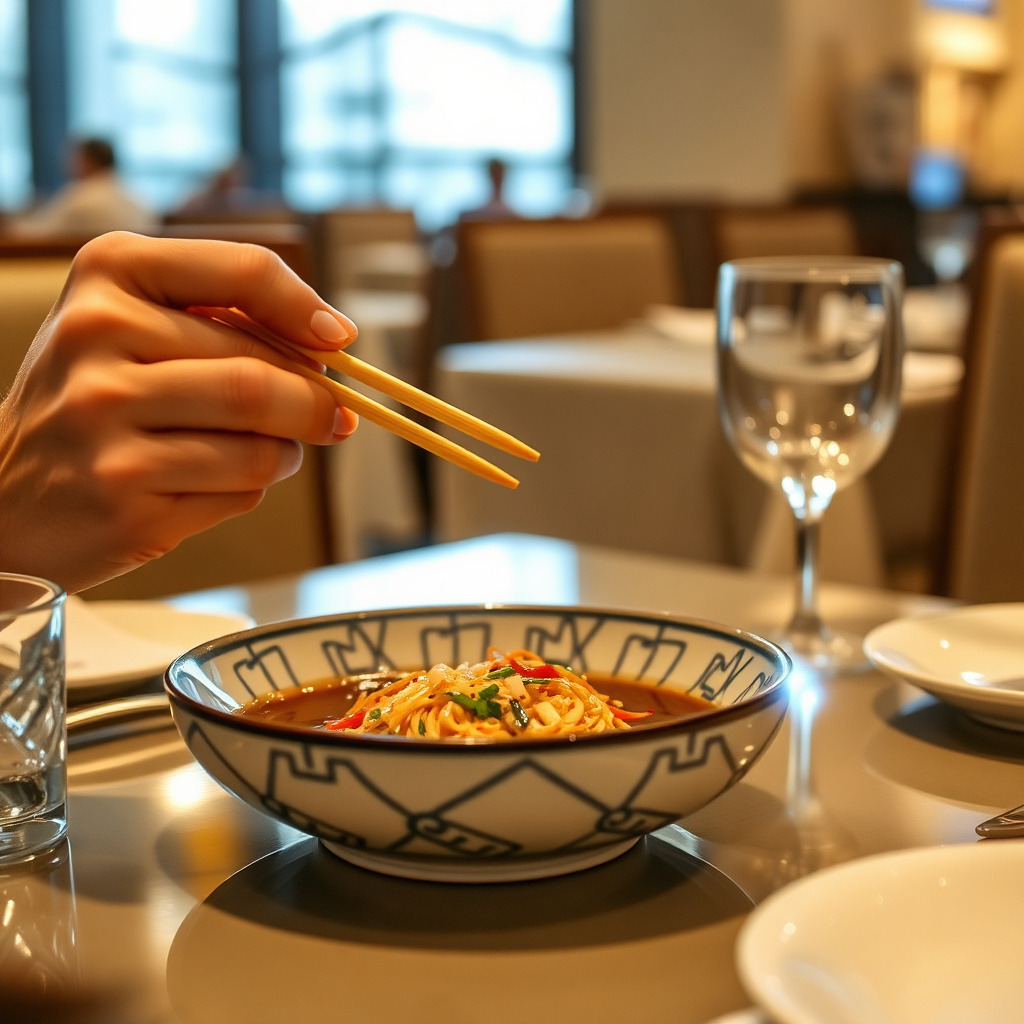
Avoid sticking chopsticks upright in rice, as this resembles funeral rites in some cultures and is considered disrespectful. Always place chopsticks on a rest or parallel across your bowl when not in use.
Never point with chopsticks or use them to gesture at others. Eating quietly and neatly while handling chopsticks showcases good manners and respect for the dining experience.
- Do place chopsticks on rests when paused
- Don't spear food with chopsticks
- Avoid licking chopsticks
- Never cross chopsticks on the table
Cultural Variations in Chopstick Use
Different Asian cultures have unique customs surrounding chopstick use. For example, in Japan, it’s common to lift small bowls close to the mouth while eating, whereas in China, resting chopsticks on the bowl’s edge is appropriate.
Knowing these etiquette tips can enhance respect and enjoyment when dining in varied cultural settings, making your chopstick skills more versatile.
Choosing the Right Chopsticks for Practice

Material Considerations
Chopsticks are commonly made from wood, bamboo, metal, or plastic. Wooden and bamboo chopsticks provide better grip due to their natural texture, making them excellent choices for beginners learning how to eat with chopsticks.
Metal and plastic chopsticks tend to be slicker, which can be challenging. However, metal varieties are more durable and hygienic, preferred in some cultures for their sleek appearance.
For more on this, see our related guide: How to Use Chopsticks Properly: A Step-by-Step Guide.
Length and Thickness Preferences
Standard chopstick lengths range from 8 to 10 inches. Shorter chopsticks give more control but may feel cramped, while longer ones can reach deeper into shared dishes. Thickness affects ease of handling; thicker chopsticks are often easier to grip for novices.
Try multiple types to find what feels most comfortable, especially as learning proper technique depends partly on using utensils suited to your hand size and dexterity.
Practicing and Improving Your Chopstick Skills
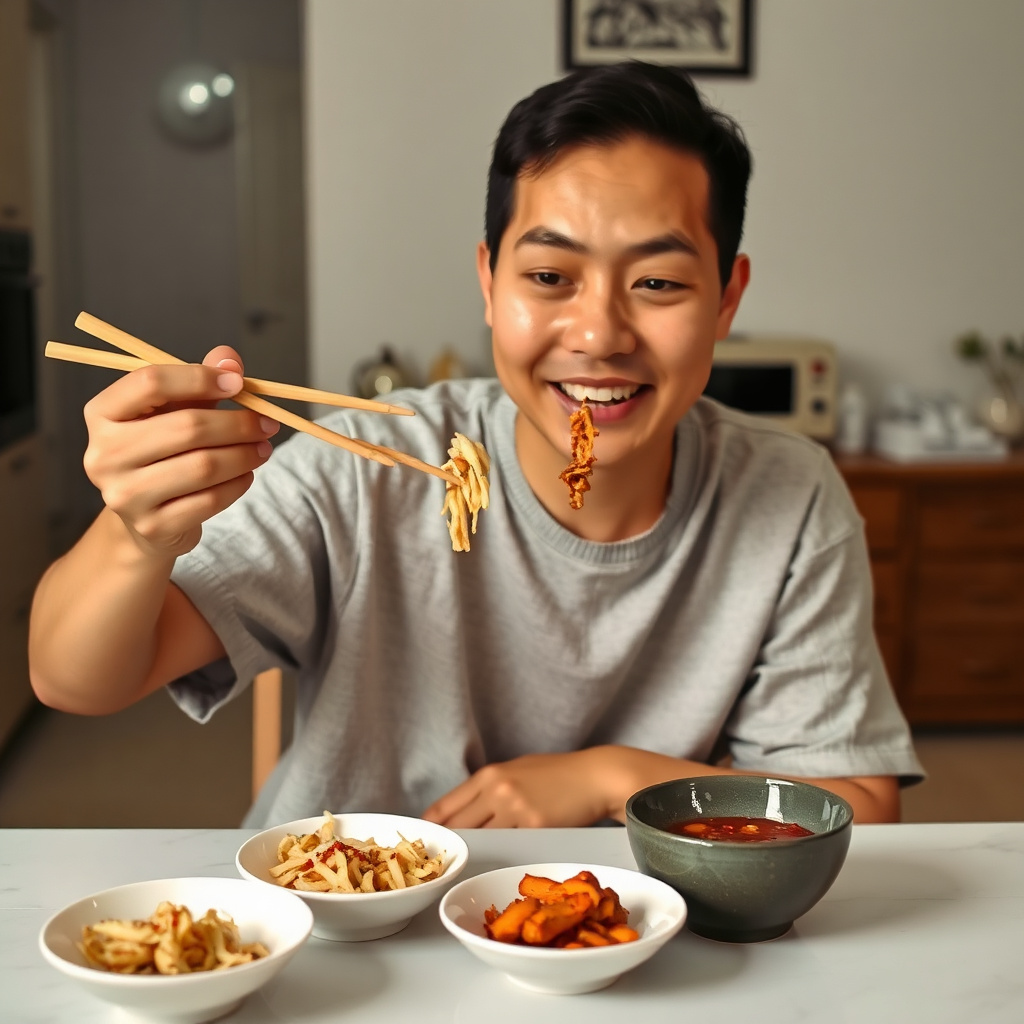
Step-by-Step Practice Exercises
Begin with larger, easy-to-grip foods like carrot sticks or cubes of tofu, practicing picking them up and transferring them to your mouth. Gradually shift to smaller items such as peas or grains of rice, enhancing precision.
If available, use practice kits or games designed to improve chopstick coordination. Consistent practice builds muscle memory and reduces awkwardness.
- Pick up large vegetables
- Move to smaller items like beans
- Practice scooping rice
- Try picking up noodles
For further reading about the history and variations of chopsticks across cultures, refer to the chopsticks article on Wikipedia. chopsticks article on Wikipedia.
Tips for Dining Out with Chopsticks
If dining with friends or in a formal setting, try to relax and avoid focusing too hard on technique, which can cause tension. Observing others can provide helpful cues on local customs and technique variations.
Using chopstick etiquette tips will enhance enjoyment and show your appreciation. Remember, the goal is to appreciate the food and company, not just to master the tool.
Chopstick Material Category Comparison
A comparison of common chopstick materials highlights their advantages, grip, and ideal users for learning how to eat with chopsticks.
| Material | Grip | Durability | Ease for Beginners | Cost |
|---|---|---|---|---|
| Wood | Good | Moderate | High | Low |
| Bamboo | Very Good | Moderate | High | Low |
| Plastic | Moderate | High | Medium | Low |
| Metal | Low | Very High | Low | Medium |
Frequently Asked Questions
What is the easiest way to hold chopsticks?
Hold the bottom chopstick steady against the ring finger and base of the thumb, and move only the top chopstick with your thumb, index, and middle fingers like a pencil.
Can I use chopsticks if I’m left-handed?
Yes, you can use chopsticks with either hand. Just mirror the grip and motion described for right-handed use, and it will feel natural with practice.
Is it rude to use chopsticks incorrectly?
While it’s best to learn proper technique, most people appreciate the effort. Avoid disrespectful actions like sticking chopsticks upright in a bowl or pointing them at others.
Should I use different chopsticks for different foods?
Not necessarily. Most chopsticks work well for various foods, but for slippery items, using chopsticks with textured tips or proper technique helps a lot.
How do I clean reusable chopsticks properly?
Wash wooden and bamboo chopsticks by hand with warm soapy water, then dry thoroughly to prevent warping. Metal and plastic chopsticks can usually be cleaned in the dishwasher.
Key Takeaways
- Hold one chopstick steady and move the other like a pencil for control.
- Use chopstick etiquette tips to show respect in social settings.
- Wooden or bamboo chopsticks are best for beginners due to better grip.
- Practice with larger foods before progressing to smaller, slippery items.
Conclusion
Learning how to eat with chopsticks involves mastering finger positioning and movement to handle food efficiently. Starting with the basic grip—stabilizing the bottom chopstick and maneuvering the top one—sets the foundation for accurate control. Combining this with consistent practice builds skill and confidence, while understanding chopstick etiquette ensures respectful dining behavior in varied cultural contexts.
When selecting chopsticks for practice, wooden or bamboo varieties are advisable since their natural texture aids grip, especially for beginners. As your precision improves, you can experiment with different materials like metal or plastic that suit your style or occasion. Mindful attention to grip comfort and length will also influence your success. Using chopstick etiquette tips while dining out will highlight your growing proficiency and appreciation of dining traditions.
The best next step is to practice regularly at home with simple foods, gradually advancing to more challenging dishes such as noodles or slippery items. By thoughtfully combining technique mastery, etiquette, and the right utensil choices, you’ll enjoy a genuine and enjoyable chopstick experience that complements diverse Asian cuisines.