Is Brown Rice Better Than White Rice? A Nutritional Comparison
Brown rice is often considered better than white rice due to its higher fiber content, more vitamins, and richer minerals. It retains the bran and germ layers removed in white rice processing, which provides these nutritional advantages. Brown rice has a nuttier flavor and chewier texture, appealing to those seeking healthier grains.
Choosing between brown and white rice matters because dietary choices affect overall health, digestion, and energy levels. Brown rice’s fiber improves digestion and may help with blood sugar control, while white rice is often preferred for its faster cooking time and milder taste. Understanding these differences can help you decide which rice suits your dietary goals.
This article will cover the key nutritional differences between brown and white rice, their health impacts, cooking methods, and who might benefit most from each variety. We’ll also compare different types of rice and address common questions to help clarify which rice might be better for you.
Nutritional Differences Between Brown and White Rice
Macronutrients and Fiber Content
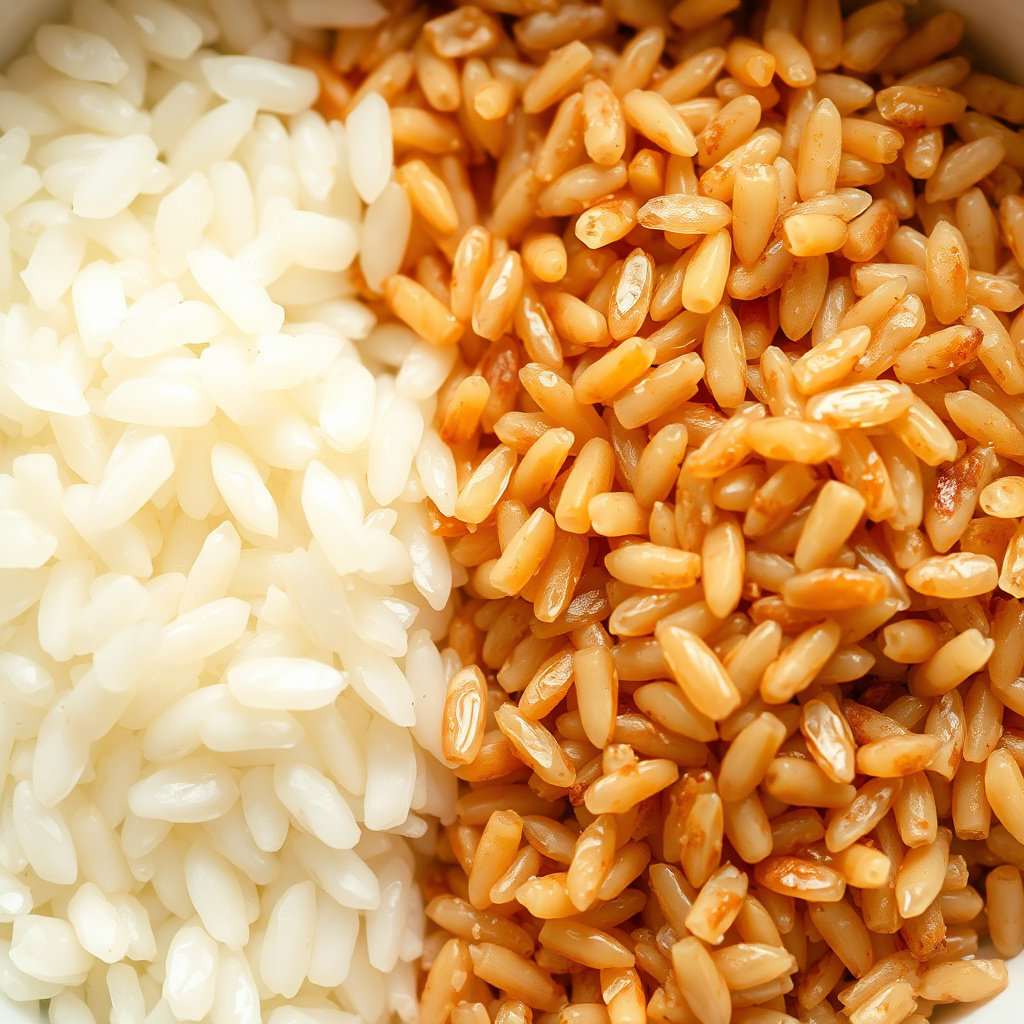
Brown rice retains its bran and germ, giving it roughly 2-3 grams more fiber per cooked cup than white rice. This higher fiber aids digestion and promotes satiety. Both white and brown rice have similar calorie and carbohydrate levels, but the additional fiber in brown rice slows glucose absorption, preventing sharp blood sugar spikes.
Protein content in both rice types is comparable, around 4-5 grams per cup, but brown rice contains more antioxidants and trace minerals that support metabolism and overall health.
- Brown rice: 3.5 grams fiber per cup
- White rice: 0.6 grams fiber per cup
- Both have ~200 calories per cooked cup
Vitamins and Mineral Variations
Brown rice is richer in B vitamins, especially B1 (thiamine), B3 (niacin), and B6, which aid energy metabolism. It also contains magnesium, phosphorus, and selenium, nutrients essential for muscle function and antioxidant protection.
White rice, having its bran removed, is often enriched with iron and some B vitamins to compensate, but it generally lacks the full spectrum of nutrients naturally found in brown rice.
- Magnesium: 80 mg in brown rice vs 20 mg in white rice
- Enriched iron added to white rice
- Brown rice naturally packs more antioxidants
Health Impacts of Brown Rice Compared to White Rice

Blood Sugar and Diabetes Considerations
Brown rice’s slower digestibility due to fiber helps maintain stable blood sugar, making it a better option for those managing diabetes or insulin resistance. White rice causes quicker glucose spikes, which can be problematic for blood sugar control if consumed frequently in large quantities.
However, portion control and meal composition can moderate these effects, and both types can be part of a balanced diet depending on individual health needs.
Digestive Health Benefits
The fiber in brown rice aids regular bowel movements and supports gut microbiota diversity, which is key for immune function. White rice contains very little fiber, which might not benefit digestion as much, but is easier to digest for those with sensitive stomachs or digestive conditions.
Choosing rice should factor in personal digestive tolerance and health goals.
Cooking and Culinary Differences

Cooking Time and Techniques
White rice cooks faster, typically in 15-20 minutes, as it lacks bran and germ that slow water absorption. Brown rice requires longer cooking time, around 40-50 minutes, or soaking beforehand to soften its outer layers.
Use more water for brown rice (usually 2 to 2.5 cups water per cup rice) compared to white rice (1.5 to 2 cups water per cup rice) to achieve tender grains.
- Soaking brown rice reduces cooking time
- Use a rice cooker for consistent results
- Rinse both types to remove excess starch
For more on this, see our related guide: Is White Rice Healthy? Evaluating Nutritional Benefits and Drawbacks.
Flavor and Texture Differences
Brown rice has a nuttier, earthier flavor and a chewier, firmer texture that some people prefer for salads and hearty dishes. White rice is milder and softer when cooked, making it versatile for dishes like sushi, risotto, or simple side dishes.
Flavor preferences may influence which rice fits your cooking style and meal plans best.
Environmental and Economic Considerations

Sustainability and Farming Practices
Brown rice usually requires less processing, which means it uses less energy and produces less waste compared to white rice. However, both types come from similar agricultural settings; sustainable farming depends more on cultivation methods than rice color.
Organic brown rice is often touted for environmental benefits but tends to be pricier.
Cost Differences and Accessibility
White rice is generally cheaper and more widely available worldwide, partly due to its longer shelf life. Brown rice has a shorter shelf life because the oils in the bran can go rancid, requiring fresher purchases.
Budget and storage capacity might guide your choice between the two.
- Brown rice costs 10-30% more on average
- White rice shelf life: 4-5 years; brown rice: 6 months to 1 year
Special Dietary Needs and Brown Rice

Gluten-Free Diet Benefits
Both brown and white rice are naturally gluten-free, making them safe carbohydrate sources for people with celiac disease or gluten sensitivity. Brown rice additionally offers more nutrients for those on restrictive diets.
Always check packaging for cross-contamination warnings if gluten is a serious concern.
For more on this, see our related guide: Is Fried Rice Healthy? Understanding Its Nutritional Impact.
Considerations for Weight Management
Brown rice’s fiber promotes fullness, which can help with appetite control during weight loss or maintenance. White rice is easier to overeat due to its softer texture and lack of fiber, which might lead to quicker hunger return.
Incorporating brown rice in calorie-conscious meals can support satiety.
Storage and Shelf Life of Brown vs White Rice

Proper Storage Methods for Brown Rice
Because of the oils in its bran layer, brown rice can spoil faster if not stored properly. It should be kept in an airtight container in a cool, dark place or refrigerated to extend freshness up to a year.
Keeping brown rice dry and sealed reduces risk of rancidity and insect contamination.
- Store in airtight containers
- Refrigerate or freeze for longer shelf life
For deeper insights into brown rice, its processing, and nutritional profile, the Brown rice information on Wikipedia offers a thorough overview. Brown rice information on Wikipedia.
White Rice Storage Tips
White rice has a longer shelf life due to the removal of oil-containing layers. It can be stored at room temperature in sealed containers for several years without losing quality.
Dry, cool, and dark environments help maintain white rice freshness and prevent pests.
Brown Rice vs White Rice Category Comparison
The following table summarizes key differences between brown rice and white rice across nutritional and practical categories:
| Category | Brown Rice | White Rice | Notes |
|---|---|---|---|
| Fiber Content | 3.5 g per cup | 0.6 g per cup | Brown rice contains significantly more fiber |
| Cooking Time | 40-50 minutes | 15-20 minutes | Brown rice takes longer due to bran layer |
| Shelf Life | 6 months to 1 year refrigerated | 4-5 years at room temperature | Oil in bran affects brown rice storage |
| Flavor | Nutty, earthy | Mild, neutral | Preference varies by dish and taste |
| Price | 10-30% higher | More affordable | White rice is often less expensive and more accessible |
| Blood Sugar Impact | Lower glycemic response | Higher glycemic response | Fiber affects glucose absorption |
Frequently Asked Questions
Does brown rice contain gluten?
No, brown rice is naturally gluten-free, making it safe for individuals with celiac disease or gluten intolerance.
Is brown rice harder to digest than white rice?
Yes, brown rice has more fiber, which can make it harder to digest for some people, especially those with sensitive stomachs.
Can I substitute brown rice for white rice in recipes?
You can substitute brown rice, but cooking times and water ratios differ, so adjustments are necessary to achieve the right texture.
Is brown rice healthier for weight loss?
Brown rice's higher fiber content promotes fullness, which can help with appetite control during weight management.
Why does brown rice spoil faster than white rice?
The natural oils in brown rice's bran layer can go rancid faster, so it has a shorter shelf life compared to white rice.
Key Takeaways
- Brown rice contains more fiber and nutrients than white rice.
- White rice cooks faster and has a longer shelf life.
- Brown rice supports better blood sugar control and digestion.
- Cost, flavor, and dietary needs influence the best choice.
Conclusion
Determining whether brown rice is better than white rice depends heavily on your dietary goals, taste preferences, and lifestyle needs. Brown rice offers clear nutritional advantages with higher fiber, vitamins, and minerals, which benefit digestion, blood sugar stability, and overall health. However, white rice’s quick cooking time and longer shelf life make it a practical staple for many households, especially where convenience or budget is a priority. Balancing these factors will guide you toward the rice that fits your daily routine and nutritional plan most effectively.
If improving nutrient intake or managing blood sugar is your priority, integrating brown rice into your diet can provide tangible benefits, especially for people with diabetes or digestive issues. On the other hand, white rice remains valuable for those requiring softer texture or faster meal prep, like in recipes requiring sticky, tender grains. For those who value both, using a mix of brown and white rice depending on the meal or occasion can offer both convenience and nutrition. Considering options such as organic or enriched white rice may also address some health concerns.
Ultimately, the best next step is to experiment with both types to find what works best for your palate and health goals. Purchase a small quantity of high-quality brown rice and try different cooking techniques to make it more appealing while sustaining your familiarity with white rice dishes. Focus on balanced meals that combine rice with vegetables, proteins, and healthy fats to maximize benefits regardless of rice choice.