How to Make Chirashi: A Simple Guide to Preparing Authentic Chirashi Sushi
Making chirashi is straightforward and delicious: it is a type of sushi consisting of a bowl of sushi rice topped with a variety of fresh sashimi and garnishes. To make chirashi, start with sushi rice seasoned with rice vinegar, sugar, and salt, then arrange slices of fresh fish, seafood, and colorful toppings over the rice. This dish highlights fresh ingredients and vibrant presentation, perfect for casual or celebratory meals.
Chirashi is significant because it allows home cooks to enjoy sushi without the meticulous rolling techniques required for maki or nigiri. Its open-faced style encourages creativity in topping choices and textures. Plus, chirashi’s bowl format is fast to assemble and can be customized with local ingredients or personal preferences, making it accessible for all skill levels.
This article will walk you through the ingredients needed to make authentic chirashi, how to prepare sushi rice correctly, selecting and arranging toppings, tips for seasonal variations, and common mistakes to avoid. By the end, you'll have a clear understanding of how to craft this colorful and flavorful chirashi sushi bowl at home.
Key Ingredients for Chirashi Sushi
Choosing the Right Sushi Rice
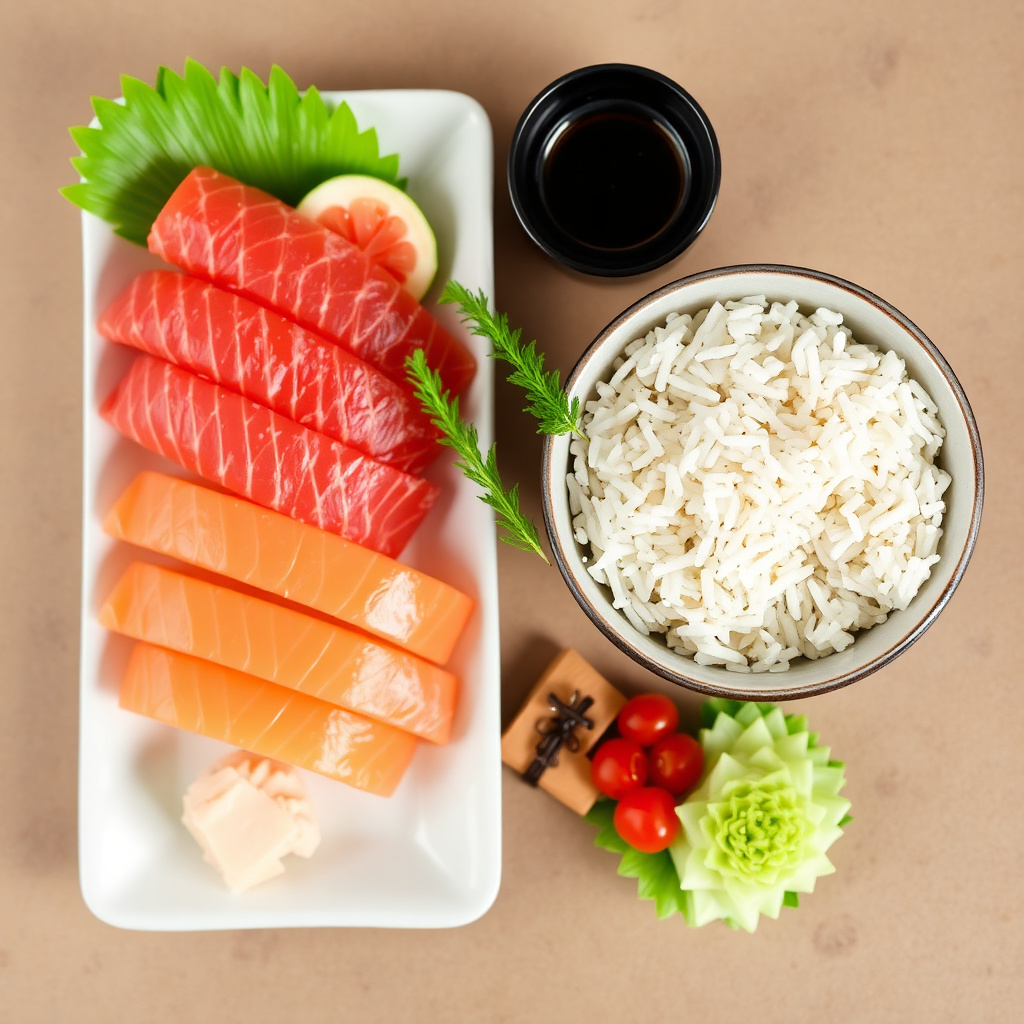
Sushi rice, or shari, is the base of any good chirashi recipe. Use short-grain Japanese rice for its sticky texture that holds flavor well. After cooking, season the rice with a mixture of rice vinegar, sugar, and salt to create the subtle tang and sweetness that balances the toppings.
Cooking sushi rice to the proper texture is essential—too soft or too firm can affect the dish’s quality. After cooking, gently fold the vinegar seasoning into the rice while fanning it to cool, which adds a desirable glossy finish and enhances aroma.
- Japanese short-grain rice
- Rice vinegar
- Sugar
- Salt
Selecting Fresh Fish and Seafood
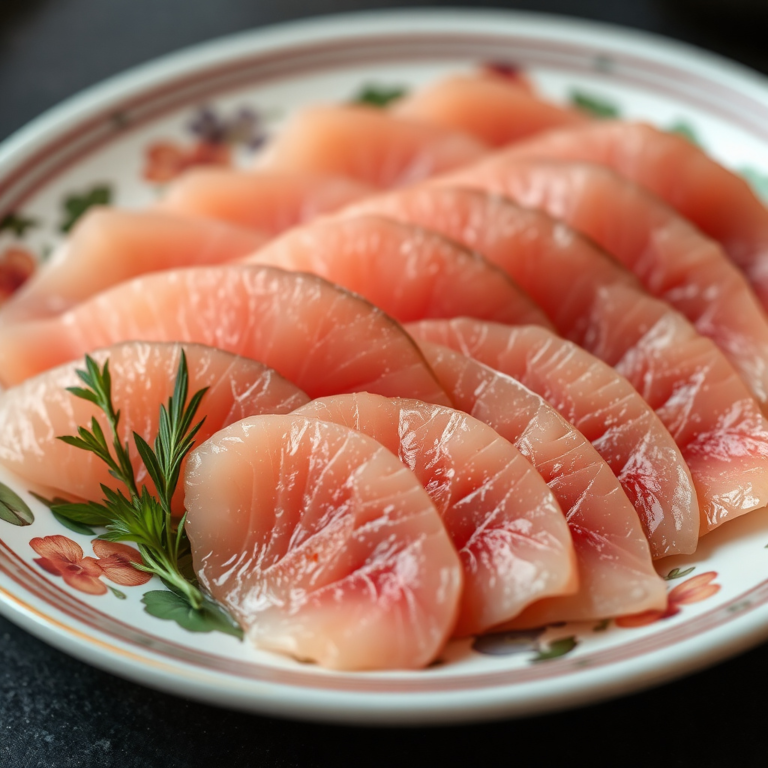
Freshness is critical when choosing sashimi toppings for chirashi. Common choices include tuna, salmon, yellowtail, shrimp, and sea urchin, but you can also use cooked options like tamago (Japanese omelette) and pickled vegetables for variety.
Visit a trusted fish market or grocery store with a good sushi-grade selection. Slice the fish thinly and evenly to maintain a delicate texture and appearance, making the bowl visually inviting and satisfying in every bite.
- Sashimi-grade tuna and salmon
- Cooked shrimp or crab
- Tamago (sweet omelette)
- Pickled ginger and radish
Preparing Sushi Rice and Seasoning

Cooking Perfect Sushi Rice
Rinse sushi rice several times under cold water to remove excess starch, then soak it for about 30 minutes before cooking. Use a rice cooker or stovetop pot with a tight-fitting lid to cook the rice evenly.
Let the rice rest once cooked for at least 10 minutes to absorb steam fully, enhancing texture and stickiness that’s essential for chirashi sushi.
- Rinse rice until water is clear
- Soak rice before cooking
- Cook rice with correct water ratio
Making the Sushi Vinegar Mixture
Combine rice vinegar with sugar and salt in a small saucepan, warming gently until dissolved. This balance of sweet and sour seasoning complements the neutral rice and rich toppings.
Keep the vinegar mixture at room temperature before mixing into the rice for even seasoning without cooling the rice too quickly.
- Rice vinegar
- Sugar
- Salt
- Warm gently to dissolve
Arranging and Garnishing Chirashi Bowls

Techniques for Topping Arrangement
Presentation is key to chirashi sushi. Start by spreading an even layer of sushi rice in the bowl. Arrange sashimi slices artistically, alternating colors and shapes to create visual harmony.
Add garnishes like shredded nori, sesame seeds, or thinly sliced cucumber to introduce texture and extra flavor. The goal is to balance colors and make every scoop appealing.
- Even sushi rice base
- Alternate fish colors
- Use garnishes for texture
Popular Garnishes and Add-ons
Besides fish, garnishes like pickled ginger, wasabi, sliced scallions, and tobiko (fish roe) add complexity and a burst of flavor to the bowl. Edible flowers and shiso leaves can also enhance the look and taste.
Using fresh and seasonal vegetables such as thin carrot ribbons, daikon radish, or snap peas adds crunch and a fresh counterpoint to the rich seafood.
- Tobiko or ikura (fish roe)
- Pickled ginger
- Wasabi
- Fresh vegetables and herbs
Seasonal and Regional Variations of Chirashi

Spring and Summer Chirashi Style
In warmer months, chirashi often incorporates bright and fresh seasonal produce like asparagus, snap peas, and edible flowers. Lighter fish such as sea bream and flounder are preferred for their delicate flavor.
Citrus zest or yuzu juice may be added to refresh the palate, making this seasonal preparation vibrant and enjoyable under a hot sun.
- Asparagus and snap peas
- Light white fish
- Yuzu or citrus accents
Winter Variations and Ingredients
During winter, chirashi may include richer fish like salmon belly and cooked ingredients such as braised shiitake mushrooms and daikon radish simmered in soy sauce. These choices add warmth and depth.
The dish may lean towards heartier garnishes and occasionally include crab or sea urchin, which peak during this season.
- Salmon belly and crab
- Simmered shiitake mushrooms
- Braised daikon radish
Common Mistakes to Avoid When Making Chirashi

Overloading the Bowl
One frequent error is piling too many toppings, which can overwhelm the sushi rice and imbalance flavors. A good chirashi bowl emphasizes harmony between rice and toppings without overcrowding.
Keep layering thoughtful—prioritize quality and color contrast rather than quantity to maintain bite-sized ease.
Using Poor Quality or Incorrect Ingredients
Selecting fish that isn’t sushi-grade can risk safety and taste. Similarly, neglecting to season the sushi rice properly might result in blandness.
Always source fresh, reputable seafood and prepare the rice with the right vinegar ratio for authentic flavor.
Serving and Storing Chirashi Sushi

Presentation and Eating Tips
Serve chirashi sushi cold or at room temperature to enjoy the full flavor spectrum. Provide soy sauce, wasabi, and pickled ginger on the side to tailor each bite.
Use chopsticks or a spoon to scoop both rice and toppings together so that the flavor balance remains perfect with every mouthful.
For a broader understanding of chirashi and its place in Japanese cuisine, consider visiting the Chirashi Sushi Wikipedia article. Chirashi Sushi Wikipedia article.
Storage Guidelines for Leftovers
Chirashi sushi is best eaten fresh due to raw fish. If storing leftovers, separate rice and sashimi and refrigerate separately. Consume sashimi within 24 hours to avoid spoilage.
Avoid reheating as it compromises texture and freshness. For best taste, prepare smaller portions.
Chirashi Sushi Category Comparison
Here is a comparison of common chirashi styles, highlighting their ingredients, preparation time, and ideal occasions.
| Category | Common Ingredients | Preparation Time | Best For |
|---|---|---|---|
| Traditional Chirashi | Tuna, salmon, tamago, shrimp | 30-45 minutes | Everyday meals, celebrations |
| Vegetarian Chirashi | Pickled vegetables, avocado, egg | 25-35 minutes | Vegetarian diets, light lunches |
| Seasonal Chirashi | Seasonal fish and veggies | 30-50 minutes | Seasonal ingredient showcases |
| Luxury Chirashi | Uni, toro, ikura | 45-60 minutes | Special occasions, fine dining |
| Quick Chirashi | Pre-cooked seafood, cucumber | 15-25 minutes | Fast homemade lunches |
Frequently Asked Questions
What rice is best for chirashi sushi?
Short-grain Japanese rice is preferred for its sticky texture, which helps hold the sushi bowl together. It must be properly seasoned with sushi vinegar for the best taste.
Can I use cooked seafood for chirashi?
Yes, cooked seafood like shrimp or crab is commonly used and offers a milder flavor suitable for those who prefer less raw fish.
How long can chirashi sushi be stored?
Due to raw fish, it’s best to consume chirashi sushi within a day. Store sashimi and rice separately in the refrigerator to maintain freshness.
Is chirashi sushi healthy?
Chirashi sushi is generally healthy, offering omega-3 rich fish, fresh vegetables, and moderate carbs. It supports a balanced diet when eaten in reasonable portions.
How is chirashi sushi different from regular sushi rolls?
Chirashi is served as a bowl with rice topped by sashimi and garnishes, while sushi rolls involve wrapping rice and fillings in seaweed, requiring more preparation skills.
Key Takeaways
- Use properly seasoned short-grain rice as a base for chirashi.
- Select sushi-grade fresh fish for the best flavor and safety.
- Arrange toppings thoughtfully to balance taste and presentation.
- Chirashi is versatile with many variations for different occasions.
Conclusion
Deciding how to make chirashi boils down to mastering sushi rice seasoning and selecting fresh, high-quality ingredients. Focusing on balanced presentation and layering flavors allows you to enjoy the dish’s rich cultural background while tailoring it to personal tastes. Thoughtful ingredient choices and proper technique enable even beginners to create an impressive chirashi bowl.
For everyday homemade sushi, traditional chirashi with tuna, salmon, and tamago offers a delicious, approachable option. For those seeking lighter or vegetarian meals, vegetable-forward chirashi is both nutritious and visually appealing. Luxury chirashi featuring uni or toro works well for special occasions where indulgence is desired. Preparation times vary, but each category shares the same basic making principles.
Your next steps could be gathering quality ingredients from a trusted source and practicing sushi rice preparation. Start simple, focus on balance, and build from there with seasonal or luxury elements once comfortable. Chirashi’s flexibility and beauty invite experimentation, so enjoy the process and make this vibrant dish part of your culinary repertoire.