How to Tell If Sushi Has Gone Bad: Simple Signs to Watch For
To tell if sushi has gone bad, check for changes in smell, texture, and appearance. Fresh sushi should smell like the sea—clean and mild with no sour or ammonia-like odors. If the rice is hardened or overly mushy, or if the fish looks dull, slimy, or discolored, these are clear signals the sushi is no longer fresh.
Knowing if sushi has spoiled is essential because consuming bad sushi risks food poisoning, especially from raw fish. Sushi made with raw fish is delicate, and improper storage or delays can cause bacteria growth, altering taste and safety. Even cooked sushi may develop spoilage if left unrefrigerated too long.
This article explains different ways to recognize spoiled sushi by assessing sensory signs and storage factors. We'll cover smell, look, texture, expiration timing, and safety tips to help you enjoy sushi confidently and avoid the health risks linked with eating spoiled seafood.
Identifying Spoiled Sushi by Smell

Common Odors Indicating Bad Sushi
A sour or ammonia-like smell is a primary indication that sushi has gone bad. Fresh fish should have a clean, oceanic scent. Any fishy, rancid, or pungent odors suggest bacterial growth.
Rice fermentation can produce vinegar or sour smells when spoiled. If the sushi smells off—like mold or cheese—it is a warning not to consume it.
- Ammonia or sharp fishy odor
- Sour or vinegar-like smell
- Rancid or musty scent
When Smell Alone Isn’t Enough
Sometimes mild spoilage starts before strong odors develop. This is more common with cooked sushi varieties or sushi with cooked toppings.
In these cases, combine smell testing with visual and texture checks to confirm freshness.
Visual Signs to Detect Bad Sushi
Color Changes in Fish and Rice
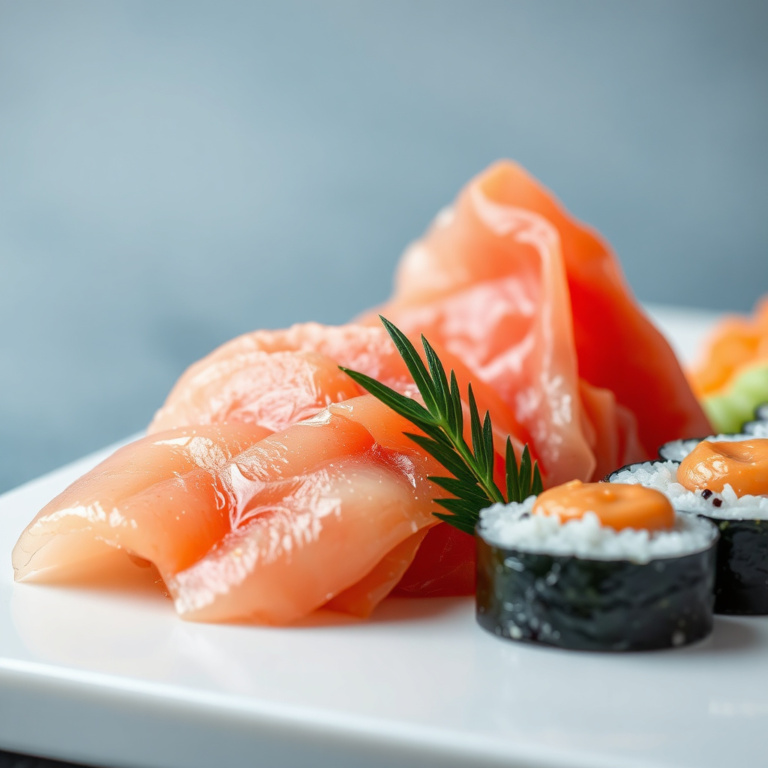
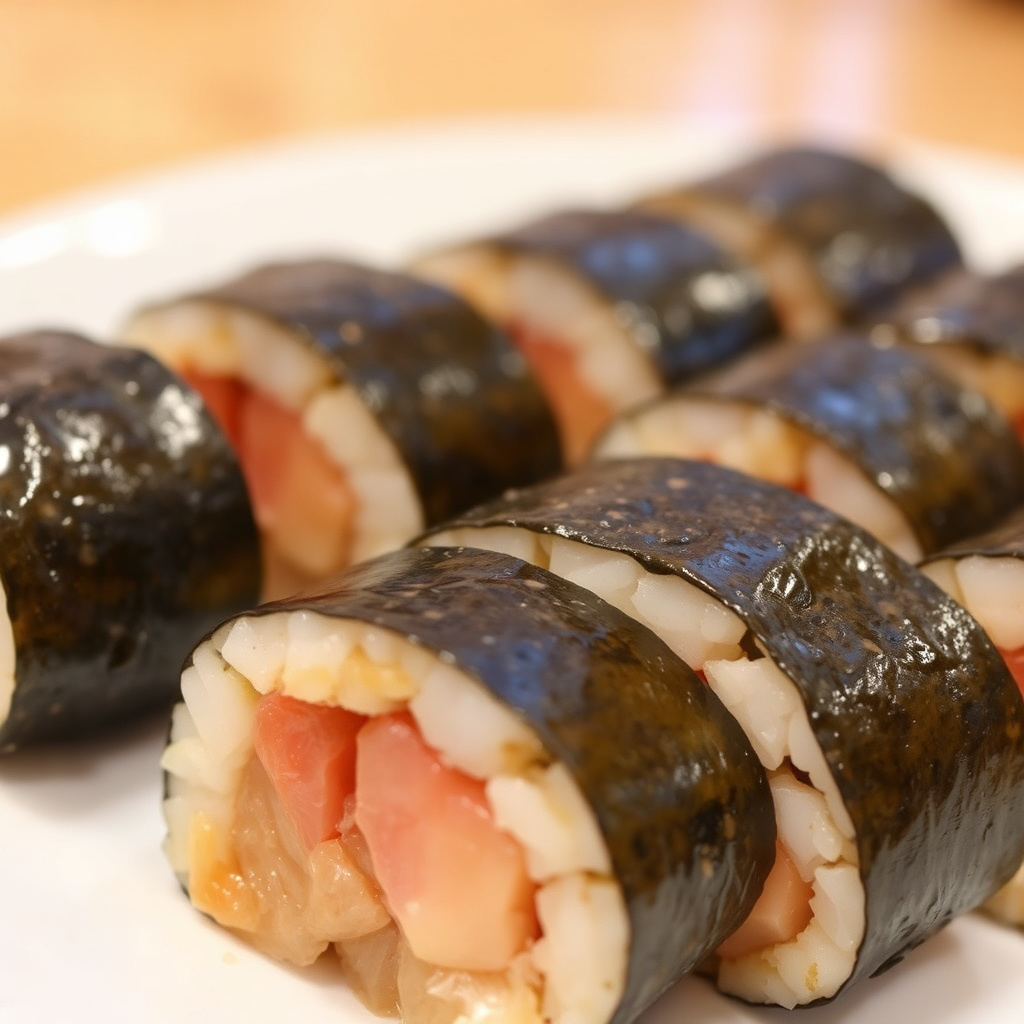
Fresh raw fish usually appears bright and translucent. Dull colors, darkening, or yellowish hues can mean spoilage has begun.
Sushi rice that turns gray or develops spots isn't safe to eat. Also, fuzzy mold or slimy coatings on either the fish or rice clearly show the sushi has gone bad.
- Dull or discolored fish
- Gray or spotted rice
- Visible mold or slime
Texture Alterations to Watch For
Sushi texture can reveal its state. Fish should feel firm yet tender, not mushy or overly sticky.
Rice should be soft and sticky, not hardened or dried out. Slimy textures indicate bacterial growth:
Sliminess alone is a solid sign that the sushi is unsafe.
- Mushy or overly sticky fish
- Hardened or dry rice
- Slimy surface on fish or rice
Storage and Timing Factors Affecting Sushi Freshness

How Long Sushi Remains Safe to Eat
Fresh sushi is best consumed within 24 hours of purchase or preparation. Beyond this, spoilage risk increases rapidly, especially if not chilled properly.
Cooked sushi toppings may last a bit longer but still require refrigeration. Sushi stored above 40°F (4.4°C) can quickly develop harmful bacteria.
- Consume raw sushi within 24 hours
- Keep sushi refrigerated below 40°F
- Cooked sushi may last slightly longer
For more on this, see our related guide: How Long Can Sushi Sit Out Safely? Expert Food Safety Tips.
Proper Storage Practices
Store sushi in airtight containers to limit exposure to air and prevent drying out.
If sushi has been left out at room temperature for more than two hours, especially in warm environments, discard it immediately.
Avoid freezing sushi as it damages texture, though some sushi-grade fish may be frozen prior to preparation.
- Use airtight containers
- Discard sushi left out >2 hours
- Freezing affects texture
Health Risks of Consuming Spoiled Sushi
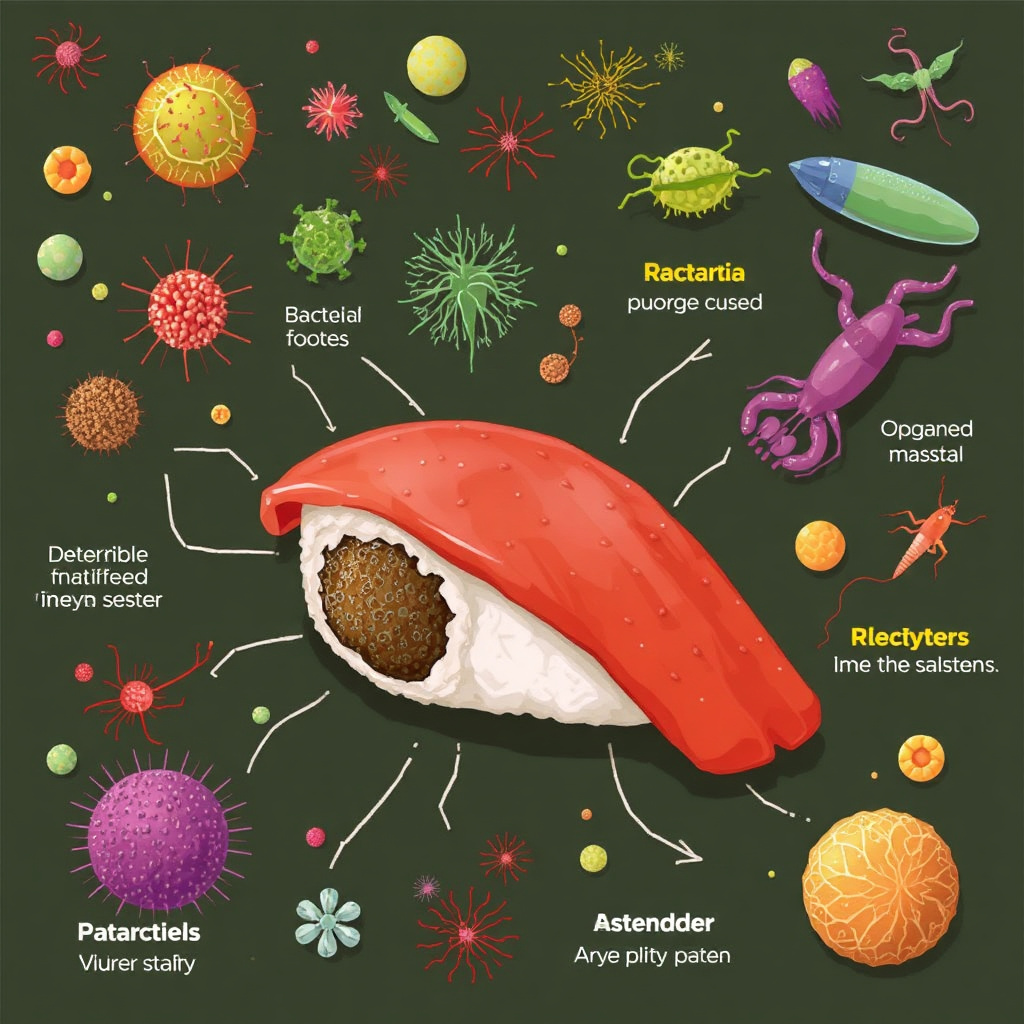
Common Bacterial Contaminants
Spoiled sushi may contain bacteria like Salmonella, Listeria, and Vibrio, which can cause food poisoning symptoms such as nausea, vomiting, and diarrhea.
Raw fish is especially vulnerable to contamination if improperly handled or stored, amplifying health risks.
- Salmonella
- Listeria monocytogenes
- Vibrio species
Parasites and Other Hazards
Raw sushi can also carry parasites such as Anisakis larvae, which may cause allergic reactions or digestive issues if ingested live.
Only reputable sushi suppliers use certified freezing methods to kill parasites safely before serving raw fish.
- Anisakis parasites
- Allergic reactions from parasites
- Importance of certified freezing
Sushi Freshness Indicators and Taste Tests

How Texture Influences Sushi Taste
Fresh sushi fish has a delicate but firm texture with a slight resistance when bitten into, contributing to its clean taste.
Spoiled fish tastes sour, rancid, or off, often paired with overly sticky or hard rice that ruins the mouthfeel.
For more on this, see our related guide: How Long Does Sushi Last in the Fridge? A Safe Storage Guide.
Simple Taste Tests to Spot Spoilage
Only attempt a small taste test if smell and appearance seem borderline fresh. If the sushi tastes off, bitter, or slimy, immediately discard.
Never eat spoiled sushi to test safety as this can lead to foodborne illness.
Best Practices for Enjoying Fresh Sushi

Selecting Quality Sushi from Vendors
Choose sushi from reputable establishments with high turnover to reduce the time fish spends unrefrigerated.
Check packaging dates and ask about sushi preparation and storage if buying from grocery stores.
- Check freshness and sell-by dates
- Choose high-turnover sushi bars
- Ask about storage methods
For authoritative advice on safely handling and consuming sushi, consult official sushi safety guidelines. Sushi safety guidelines.
Handling Sushi at Home Safely
Consume sushi immediately after purchase or keep refrigerated and eat within 24 hours for best safety.
Avoid leaving sushi at room temperature during meals and discard leftovers quickly to prevent bacterial growth.
- Eat sushi promptly or refrigerate
- Do not leave sushi out >2 hours
- Discard leftovers within 24 hours
Comparison of Sushi Spoilage Signs by Type
The table below compares spoilage characteristics across different sushi types to help identify when each has gone bad.
| Sushi Type | Key Spoilage Sign | Smell Indicator | Texture Indicator |
|---|---|---|---|
| Raw Fish Nigiri | Dull color, sliminess | Ammonia/fishy odors | Mushy flesh, slimy surface |
| Cooked Sushi Rolls | Sour rice, discoloration | Mild sour or off smells | Hard or overly sticky rice |
| Vegetarian Sushi | Rice dryness, discoloration | Musty or moldy scent | Dry or crumbly texture |
| Sashimi | Loss of firmness, discoloration | Strong fishy or ammonia odor | Soft and limp texture |
| Tempura Rolls | Greasy, off smell | Rancid grease smell | Soggy or greasy texture |
Frequently Asked Questions
Can sushi smell fishy if it's fresh?
Fresh sushi may have a mild fishy scent that is clean and not overpowering. A strong ammonia or sour smell indicates spoilage rather than freshness.
How long can homemade sushi last in the fridge?
Homemade sushi should be eaten within 24 hours if stored properly in an airtight container and refrigerated below 40°F (4.4°C) to minimize spoilage risk.
Is it safe to eat sushi that tastes slightly sour?
No, a sour taste in sushi usually means the rice or fish has started to ferment or spoil, so it should not be eaten to avoid foodborne illness.
What should I do if I accidentally ate spoiled sushi?
If you experience symptoms like nausea, vomiting, diarrhea, or stomach cramps after eating sushi, seek medical attention promptly, as these may indicate food poisoning.
Does freezing sushi kill harmful parasites?
Freezing sushi-grade fish at appropriate temperatures kills parasites like Anisakis. However, improper freezing methods may not eliminate all risks.
Key Takeaways
- Spoiled sushi often smells sour or ammonia-like and appears dull or slimy.
- Eat sushi within 24 hours and keep it refrigerated below 40°F to maintain freshness.
- Inspect both fish and rice texture for firmness and signs of slime or dryness.
- Consuming bad sushi risks bacterial or parasitic foodborne illnesses.
Conclusion
Judging whether sushi has gone bad involves a combination of sensory checks including smell, sight, and touch. Paying attention to unmistakable off odors like ammonia or sourness, visual changes such as discoloration or slime, and texture shifts from firm to mushy helps you avoid eating spoiled sushi. Understanding the short shelf life of sushi, especially varieties with raw fish, emphasizes acting quickly and storing it correctly for safety.
When deciding whether the sushi is safe to eat, consider how it was stored and how long it has been since preparation. Raw fish nigiri and sashimi require the strictest timing within 24 hours. Cooked rolls and vegetarian options last slightly longer but still must be refrigerated continuously. Using sushi freshness indicators like smell and appearance alongside knowledge of safe refrigeration practices empowers you to choose safely between fresh and spoiled sushi.
To enjoy sushi without worry, buy from trusted vendors known for fast turnover and proper refrigeration. When bringing sushi home, keep it cold and consume promptly, never leaving it exposed at room temperature. If any doubt arises from appearance, odor, or taste tests, discard the sushi to avoid the chance of foodborne illness. Taking these precautions lets you enjoy sushi’s delicate flavors with confidence and health.