How to Make Spring Rolls: A Simple Step-by-Step Guide
Making spring rolls at home is straightforward and rewarding. Start by preparing fresh vegetables, proteins like shrimp or pork, and soaking rice paper wrappers briefly to soften them. Fill, roll carefully, and either serve fresh or fry for a crunchy exterior.
Spring rolls are a versatile dish enjoyed worldwide, famous for their fresh, crisp texture and vibrant flavors. They work well as appetizers or light meals, reflecting local tastes through varied fillings and dipping sauces.
This article breaks down the essential steps to make spring rolls, covering ingredient selection, preparation, rolling techniques, cooking methods, and troubleshooting common issues. Whether fresh or fried, you’ll learn how to craft perfect spring rolls every time.
Selecting Ingredients for Fresh Spring Rolls

Choosing Vegetables and Herbs
Crisp vegetables such as lettuce, cucumber, carrots, and bean sprouts provide freshness and crunch. Fresh herbs like mint, cilantro, and Thai basil add aromatic depth and elevate the flavor profile of your spring rolls.
Ensure vegetables are washed thoroughly and julienned into thin, uniform strips to make rolling easier and promote even texture in every bite.
- Lettuce – crisp and mild
- Cucumber – thinly sliced
- Carrots – julienned
- Bean sprouts – fresh
- Mint, cilantro, Thai basil – aromatic herbs
Selecting Fillings and Protein Options
Shrimp is a popular protein for spring rolls due to its slight sweetness and quick cooking time. Cooked pork, shredded chicken, or tofu also make excellent alternatives. For vegetarians, combinations of mushrooms and tofu offer a satisfying texture.
Make sure proteins are cooked and cooled before assembling. Balanced amounts prevent overfilling and help maintain the roll's shape.
- Cooked shrimp, cut in half
- Grilled or boiled pork slices
- Shredded chicken
- Firm tofu, sliced or shredded
- Mushrooms, sautéed
Preparing Rice Paper Wrappers and Rolling Techniques

Soaking Rice Paper Wrappers Properly
Rice paper wrappers must be soaked just long enough to become pliable but not too soft as they tear easily. A shallow dish of warm water works best for dipping each wrapper for about 10-15 seconds.
Gently remove the wrapper and place it on a clean, damp towel or surface to begin assembling. Practice timing to perfect wrapper softness for easier handling.
- Use warm water (not hot)
- Soak each wrapper briefly (10-15 seconds)
- Place on damp surface to prevent sticking
For more on this, see our related guide: How to Make Egg Rolls: A Step-by-Step Homemade Recipe Guide.
Rolling Spring Rolls without Tearing
Lay your filling neatly in a horizontal line near the bottom edge of the wrapper. Fold the bottom edge over the filling, then fold the sides inward, and finally roll tightly upwards to enclose everything securely.
Avoid overfilling and roll gently to prevent tears. Proper rolling secures ingredients and creates a visually appealing, compact roll.
- Place filling evenly
- Fold bottom edge first
- Fold sides inward
- Roll tightly upwards
Cooking Methods for Spring Rolls

Serving Fresh Spring Rolls
Fresh spring rolls are not cooked further after rolling. They are best served immediately to maintain crisp texture and vibrant freshness. Pair with a tangy peanut or hoisin dipping sauce.
Keep fresh rolls covered with a damp cloth if preparing in advance to prevent wrappers from drying out. Serve chilled or at room temperature for the best experience.
- Serve immediately or cover with damp cloth
- Pair with peanut or hoisin sauce
- Keep at room temperature or chilled
Frying for Crispy Spring Rolls
Deep-frying transforms spring rolls into golden-brown, crispy delicacies. Use oil heated to about 350°F (175°C) and fry until they reach an even golden color, usually 2-4 minutes, turning if necessary.
Drain fried rolls on paper towels to remove excess oil. Fried spring rolls are best served hot with sweet chili or soy-based dipping sauces.
- Heat oil to 350°F (175°C)
- Fry rolls 2-4 minutes until golden
- Drain on paper towels
- Serve hot with dipping sauce
Common Troubleshooting Tips
Preventing Wrapper Tears and Sticking
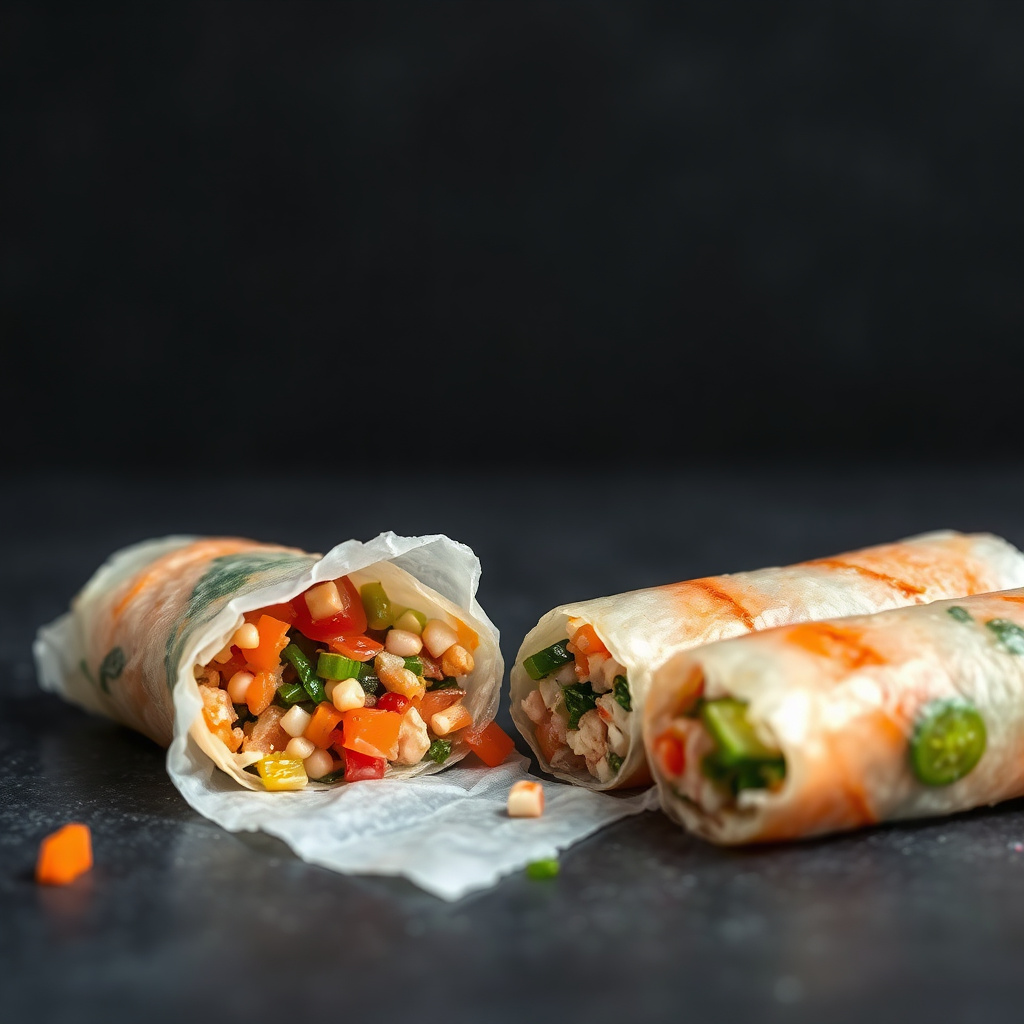
Over-soaking rice paper wrappers makes them fragile and prone to tearing during rolling. Soak briefly and handle with care on a clean, damp surface to reduce stickiness.
If wrappers stick together, separate them gently without pulling to avoid damage. Keeping your hands and workspace damp also helps with smooth handling.
- Soak wrappers briefly
- Use damp cloth for work surface
- Handle wrappers gently
- Keep hands moist
For more on this, see our related guide: How to Make Egg Drop Soup: A Simple and Delicious Recipe.
Avoiding Soggy Spring Rolls
Excess moisture in fillings may cause sogginess. Pat dry watery vegetables and avoid watery sauces inside. Assemble and serve fresh to prevent the wrapper from becoming soft.
In fried rolls, frying immediately after rolling maintains crispness. For fresh rolls stored ahead, wrap individually in plastic wrap and refrigerate.
- Dry watery vegetables before assembling
- Avoid wet sauces inside wrappers
- Serve fresh or refrigerate wrapped
- Fry immediately if making fried rolls
Dipping Sauces and Serving Suggestions
Classic Dipping Sauce Recipes
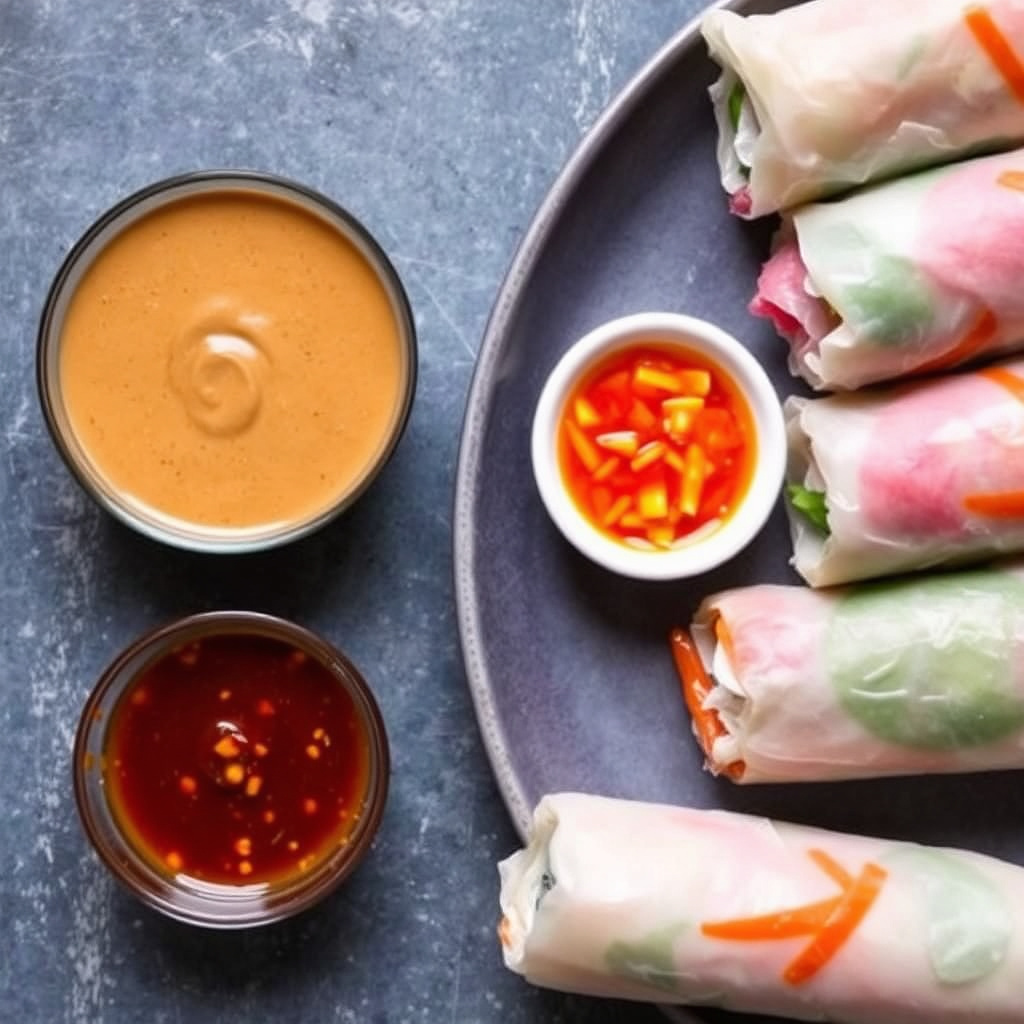
Classic peanut sauce blends creamy peanut butter, hoisin sauce, soy sauce, garlic, and lime juice for a sweet-savory dip that complements fresh spring rolls.
Alternatively, a simple blend of hoisin, chili paste, garlic, and a splash of vinegar creates a tangy sauce that pairs well with fried versions.
- Peanut butter, hoisin, soy, garlic, lime
- Hoisin, chili paste, garlic, vinegar
For more detailed information on the origins and varieties of spring rolls, check out spring roll preparation on Wikipedia. spring roll preparation on Wikipedia.
Plating and Serving Tips
Serve spring rolls on a clean plate lined with fresh herbs or lettuce leaves for a vibrant presentation. Garnish with crushed peanuts or sesame seeds for texture.
Offer complementary side dishes like pickled vegetables or light salads to balance the meal.
- Line plate with herbs or lettuce
- Garnish with peanuts or sesame seeds
- Serve alongside pickled veggies or salads
Fresh vs Fried Spring Rolls: A Quick Comparison
Here's how fresh and fried spring rolls differ in preparation, texture, and serving to help you decide which style suits your taste.
| Type | Texture | Preparation Time | Serving Temperature | Popular Dipping Sauces |
|---|---|---|---|---|
| Fresh Spring Rolls | Soft, crisp from fresh veggies | 15-20 minutes | Room temperature or chilled | Peanut sauce, hoisin sauce |
| Fried Spring Rolls | Crunchy, golden exterior | 20-30 minutes (including frying) | Hot | Sweet chili sauce, soy sauce |
| Vegetarian Fresh Rolls | Light and fresh | 15-20 minutes | Chilled | Peanut sauce |
| Pork Fried Rolls | Hearty and crispy | 25-30 minutes | Hot | Soy sauce, sweet chili |
Frequently Asked Questions
What are the best spring roll wrappers to use?
Rice paper wrappers are traditional and versatile. Use fresh, high-quality wrappers from Asian markets for best results. Soak briefly before rolling to avoid tearing.
Can I prepare spring rolls in advance?
Yes, fresh spring rolls can be made ahead and stored wrapped in plastic wrap in the fridge for a few hours but are best eaten soon after preparation to keep the wrapper from drying out.
How do I keep fried spring rolls crispy?
Fry at the correct oil temperature and serve immediately. Place on paper towels to remove excess oil. Avoid covering fried rolls as steam softens the crust.
Are spring rolls healthy?
Fresh spring rolls are generally healthy, packed with vegetables and lean proteins. Fried versions are higher in calories and fat due to the frying process.
What dipping sauces go best with spring rolls?
Classic options include peanut sauce, hoisin sauce, sweet chili sauce, and soy sauce-based dips. Choose sauces based on whether rolls are fresh or fried for complementary flavors.
Key Takeaways
- Use fresh, crisp vegetables and quality rice paper wrappers for best rolls
- Soak wrappers briefly and roll carefully to avoid tears
- Fresh spring rolls offer light, healthy options; fried rolls add crunch and richness
- Pair with classic dipping sauces like peanut or sweet chili for enhanced flavor
Conclusion
Making spring rolls at home involves selecting high-quality ingredients and mastering a few key techniques. By focusing on fresh vegetables, appropriate proteins, and handling rice paper wrappers with care, you can create spring rolls that look and taste impressive. Whether you prefer fresh rolls for their crisp, light appeal or fried versions for their golden crunch, your skills will develop quickly with practice and attention to detail.
For those seeking a healthy, refreshing appetizer, fresh spring rolls filled with shrimp, herbs, and crunchy vegetables paired with peanut sauce are ideal. Conversely, if you want a warm, crispy bite, pork or vegetable fried spring rolls deliver satisfying flavor and texture. Considering available time and dietary preferences helps determine which category suits your needs best. The discussion about the best spring roll wrappers highlights how small choices elevate the final product.
To start, gather fresh produce, select your protein, and purchase quality rice paper wrappers. Follow soaking and rolling instructions carefully, and experiment with dipping sauces to find your favorite combination. Making spring rolls at home becomes an enjoyable, customizable culinary project that impresses guests and delights family alike.