Is Fried Rice Healthy? Understanding Its Nutritional Impact
Fried rice can be either a healthy or unhealthy option depending on how it’s prepared and the ingredients used. Generally, homemade fried rice with vegetables, lean protein, and controlled oil amounts offers a balanced combination of carbs, fats, and proteins. However, restaurant or takeout versions often contain high sodium and unhealthy fats, which can detract from its nutritional benefits.
Understanding the nutritional profile of fried rice is important as it is a common dish worldwide and often associated with comfort food. Knowing what to include or reduce in the recipe helps you maintain a nutritious diet without sacrificing flavor or variety.
This article will explore the different factors affecting fried rice’s healthfulness, such as ingredient choices, cooking oils, portion sizes, and how to modify the dish for better nutritional outcomes. Additionally, we’ll compare fried rice variants and answer common questions about its impact on your diet.
Nutritional Components of Fried Rice
Carbohydrates and Their Role
Rice is the primary source of carbohydrates in fried rice, providing energy for the body. Opting for whole grain rice instead of white rice can significantly increase dietary fiber intake, which helps with digestion and blood sugar control.
The type of rice and portion size greatly influence the glycemic index of the meal, affecting how quickly blood sugar rises after consumption. Using brown rice or less processed grains makes fried rice a more balanced energy source.
Proteins and Fats in Fried Rice
Protein sources like eggs, tofu, chicken, or shrimp in fried rice contribute to muscle repair and satiety. Including lean proteins makes the dish nutritionally richer and keeps you fuller longer.
The type of cooking oil used influences the fat quality in fried rice. Using healthier oils such as olive or avocado oil adds beneficial unsaturated fats, unlike cheaper oils high in saturated fats often found in restaurant preparations.
- Eggs, lean chicken, shrimp, tofu
- Healthy oils: olive, avocado, sesame
- Avoid excessive use of hydrogenated oils
Impact of Ingredients on Health

Vegetables: Adding Nutrient Density
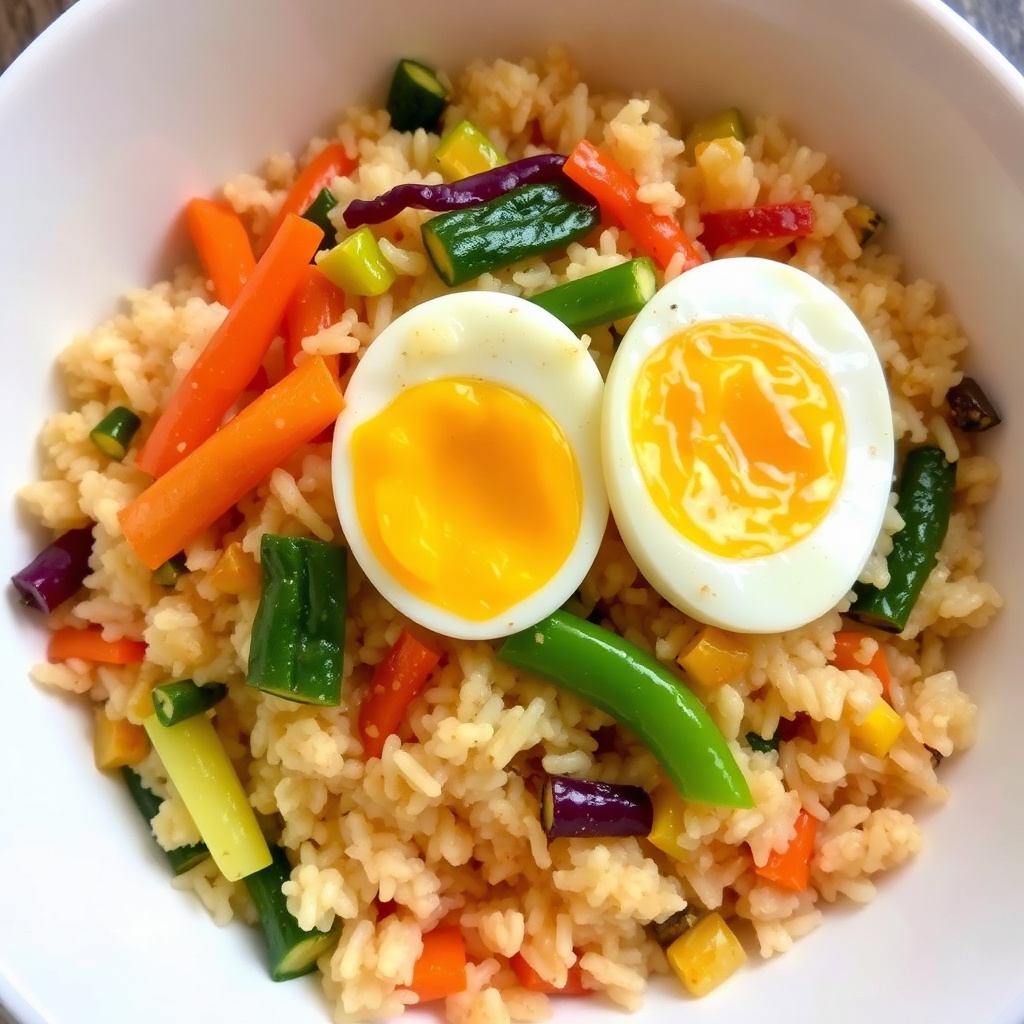
Vegetables such as peas, carrots, bell peppers, and scallions add fiber, vitamins, and antioxidants to fried rice, enhancing its nutritional value and making it more filling.
Fresh or frozen veggies work well, but avoid canned vegetables with added salt or preservatives that can increase sodium content unnecessarily.
- Carrots, peas, bell peppers, scallions
- Fresh or frozen over canned
- Boosts vitamin A, C and antioxidants
Sodium and Sauces
Soy sauce and other condiments typically contribute high sodium levels, which can raise blood pressure when consumed excessively. Light soy sauce or low-sodium versions help reduce this risk.
Limiting soy sauce and adding herbs or spices can balance flavor without overshadowing health considerations.
- Use low-sodium soy sauce
- Add ginger, garlic, or chili for flavor
- Control portion size of sauces
Cooking Techniques and Their Effects

Oil Quantity and Temperature
The amount of oil used in frying directly impacts the calorie content of fried rice. Using moderate amounts of healthy oil at high heat for a short time reduces oil absorption and maintains texture.
Overheating oil beyond smoke point can create harmful compounds, so choosing oils with higher smoke points like avocado or peanut oil is preferable.
- Use 1-2 tablespoons oil for a serving
- Prefer oils with high smoke points
- Avoid reusing oil multiple times
For more on this, see our related guide: Is Chinese Food Healthy? A Balanced Look at Nutritional Value and Choices.
Use of Leftover vs. Fresh Rice
Leftover rice that has been refrigerated tends to fry better with less sticking and clumping. It also has slightly reduced starch digestibility, which can lower glucose spikes.
Freshly cooked rice tends to be moister and may require more oil to prevent sticking, possibly increasing fat content.
- Use chilled leftover rice when possible
- Fluff rice before frying
- Reduce oil requirement with dry rice
Health Benefits and Risks of Fried Rice

Potential Health Benefits
When prepared with balanced ingredients like vegetables, lean proteins, and healthy fats, fried rice provides a complete meal that supports energy, satiety, and nutrient intake.
Its customizable nature allows different diets to be followed, such as vegetarian, gluten-free, or low-fat, if ingredients are chosen wisely.
Possible Health Concerns
Excessively oily fried rice with refined white rice and high sodium sauces can contribute to weight gain, elevated blood pressure, and increased risk of chronic diseases.
Eating large portions frequently or relying on deep-fried commercial versions may offset the benefits with unwanted calories and unhealthy fats.
Comparing Fried Rice Varieties

Asian Regional Variations
Chinese fried rice typically uses soy sauce, scrambled eggs, and vegetables, while Thai fried rice often incorporates jasmine rice and lime for tanginess.
Indonesia’s nasi goreng adds garlic, sweet soy sauce, and sometimes fried shallots for extra flavor complexity, affecting nutritional profiles based on ingredients.
For more on this, see our related guide: Is Tempura Healthy? Exploring the Nutritional Facts and Health Impact.
Restaurant vs. Homemade
Restaurant fried rice often contains more oil, salt, and sometimes monosodium glutamate (MSG) for intense flavor, which may affect health negatively if eaten regularly.
Homemade fried rice allows control over ingredients, oil amounts, and sodium levels, generally resulting in a healthier dish.
- Greater control over sodium and fat at home
- Commercial versions typically higher in calories
Tips to Make Fried Rice Healthier

Ingredient Substitutions
Use brown rice or mixed grains instead of white rice to increase fiber content. Incorporate more vegetables and choose lean protein options like chicken breast or tofu.
Replace regular soy sauce with low-sodium versions, and add herbs or spices for flavor without excess salt.
- Brown or wild rice
- Lean proteins like chicken breast, tofu
- Low-sodium soy sauce
For more detailed nutritional data and history about fried rice, you can refer to this comprehensive resource. Nutritional information about fried rice.
Cooking Method Adjustments
Limit oil quantity and use stir-frying with high heat for a short duration to maintain nutrient integrity. Use non-stick pans or woks to require less oil overall.
Prepare rice ahead of time and chill before frying to minimize oil absorption and improve texture.
- Use 1-2 tablespoons oil max
- Chill rice before frying
- Use non-stick cookware
Fried Rice Types Comparison
Here’s a comparison of different fried rice types based on ingredients, calorie content, and typical sodium levels.
| Type | Main Ingredients | Calories per Serving (1 cup) | Sodium (mg) per Serving |
|---|---|---|---|
| Chinese-style | White rice, eggs, soy sauce, vegetables | 250-300 | 700-900 |
| Thai-style | Jasmine rice, eggs, fish sauce, lime, vegetables | 280-320 | 800-1000 |
| Indonesian Nasi Goreng | White rice, sweet soy sauce, garlic, fried shallots | 350-400 | 900-1100 |
| Vegetarian Homemade | Brown rice, tofu, mixed vegetables, low sodium soy sauce | 220-270 | 400-600 |
| Restaurant Deep-fried | White rice, meats, high oil, soy sauce | 400-500 | 1000-1300 |
Frequently Asked Questions
Is fried rice high in calories?
Fried rice can be high in calories if cooked with excessive oil or fatty ingredients, but homemade versions with moderate oil and lean proteins are lower in calories.
Can fried rice be part of a weight loss diet?
Yes, if made with brown rice, plenty of vegetables, lean proteins, and controlled oil, fried rice can fit into a balanced weight loss plan.
How to reduce the sodium in fried rice?
Use low-sodium soy sauce, limit added salt, and augment flavor with fresh herbs, garlic, and spices instead of salty condiments.
Is it better to use leftover rice for frying?
Yes, leftover or refrigerated rice fries better with less oil and has a lower glycemic response compared to freshly cooked, moist rice.
What oils are best for frying rice?
Healthy oils with high smoke points such as avocado, olive, or peanut oil are preferred for frying rice to maintain nutrient quality and flavor.
Key Takeaways
- Fried rice’s healthiness depends on ingredients and cooking methods.
- Using whole grain rice and adding vegetables boosts nutrition.
- Limiting oil and sodium improves overall dietary impact.
- Homemade fried rice is generally healthier than restaurant versions.
Conclusion
Deciding whether fried rice is healthy requires evaluating the quality of its ingredients and how it is prepared. The main keyword appears here to remind that when you prepare fried rice with mindful choices—opting for whole grains, fresh vegetables, lean proteins, and minimal oil—it can serve as a nutritious meal. Moderation and balance are key, as fried rice can otherwise become high in calories, sodium, and unhealthy fats, especially when sourced from restaurants or fast food.
If you enjoy fried rice regularly, consider homemade recipes where you can control the components and cooking process. Brown rice-based fried rice with tofu or chicken and a variety of colorful vegetables will offer more fiber and vitamins compared to versions heavy in oil and soy sauce. For an occasional treat, trusting trusted restaurant styles like Thai-style or Chinese-style fried rice in reasonable portions can be part of a balanced diet, but be mindful of sodium and calorie content.
To make healthier fried rice part of your routine, begin by using leftover rice, limiting oil, choosing healthier oils like olive or avocado, and seasoning with low-sodium soy sauce and fresh spices. Experiment with ingredient substitutions such as brown rice and plant-based proteins to create a balanced, delicious dish. This practical approach helps maintain a wholesome diet while satisfying fried rice cravings efficiently.