Is White Rice Healthy? Evaluating Nutritional Benefits and Drawbacks
White rice can be part of a healthy diet when eaten in moderation and balanced with other nutrient-rich foods. It is a good source of energy due to its carbohydrate content but lacks fiber and some vitamins compared to whole grains.
The healthfulness of white rice depends on individual dietary needs and how it is prepared and consumed. While more processed than brown rice, white rice is easier to digest and widely available, making it a staple in many cultures.
This article will explore white rice's nutrition profile, health impacts, potential concerns, and how to include it effectively in meals. It also compares white rice with other grains to help you decide if it suits your diet.
Nutritional Profile of White Rice

Macronutrients in White Rice
White rice mainly provides carbohydrates, which are the body's primary energy source. A typical serving contains around 45 grams of carbs, along with minimal fat and about 4 grams of protein. However, its fiber content is quite low due to the milling process removing the bran and germ.
This removal improves shelf life and texture but sacrifices some nutritional elements compared to whole grains. People relying on white rice should be mindful of supplementing fiber from other sources.
Vitamins and Minerals in White Rice
White rice is commonly enriched with iron, folic acid, and some B vitamins after processing, helping to restore nutrients lost during milling. Still, it contains lower levels of magnesium, zinc, and vitamin E compared to brown rice.
These nutrients are essential for energy metabolism, immune function, and red blood cell production. Thus, white rice may require pairing with diverse foods to meet daily micronutrient needs.
Health Impacts of Eating White Rice

Effect on Blood Sugar Levels
White rice has a relatively high glycemic index, which means it can cause a quick rise in blood sugar levels after consumption. This effect may be a concern for individuals with insulin resistance or diabetes.
However, combining white rice with fiber-rich vegetables, protein, or healthy fats can slow glucose absorption, reducing blood sugar spikes and enhancing overall glycemic control.
White Rice and Weight Management
Because white rice provides energy mainly from carbohydrates but lacks fiber, which promotes satiety, overconsumption can lead to excessive calorie intake. This may contribute to weight gain if not balanced within an overall healthy diet.
Moderate portions combined with physical activity and nutrient-dense foods support weight control while still allowing enjoyment of white rice.
Comparing White Rice with Other Grains
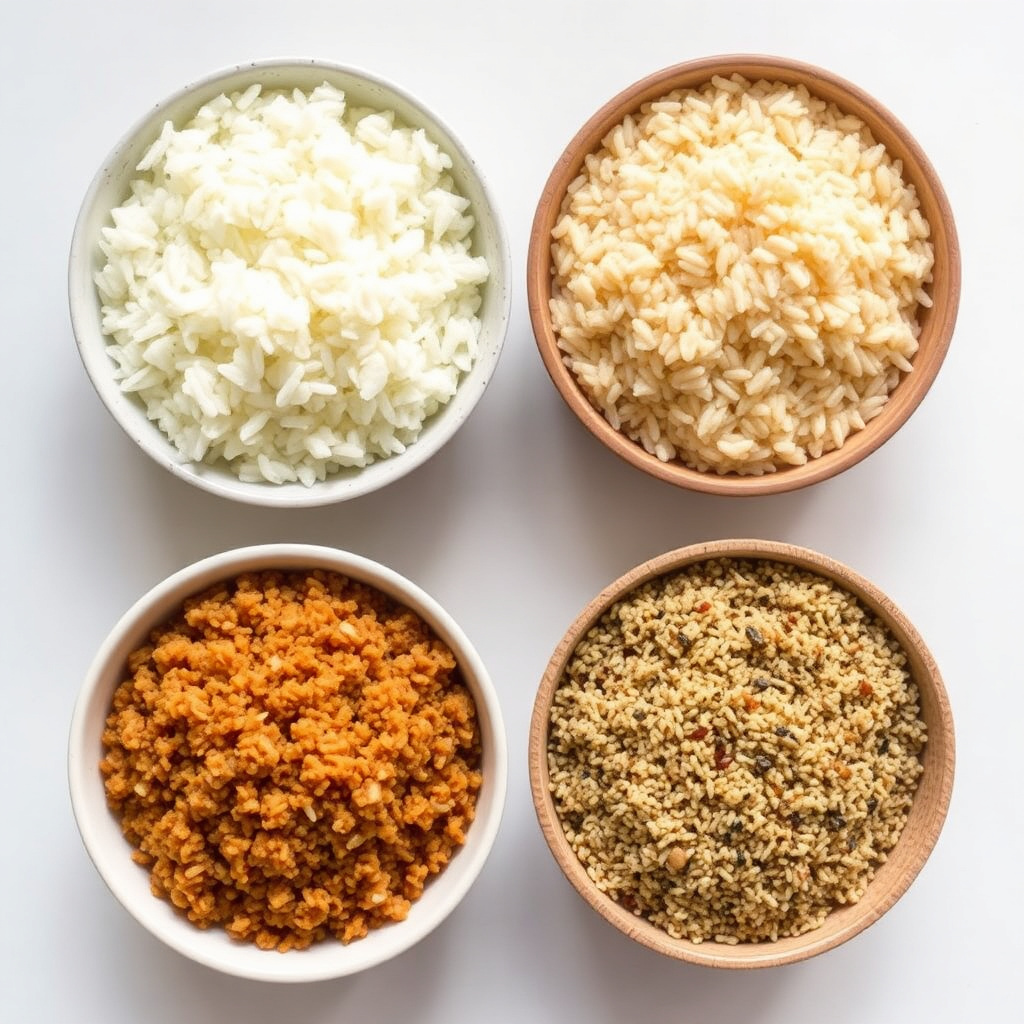
White Rice vs Brown Rice
Brown rice retains the bran and germ layers, giving it higher fiber, vitamins, and minerals. This makes it a more nutrient-dense choice, promoting digestive health and more stable blood sugar levels.
Yet white rice is easier to digest and cooks faster. People sensitive to fiber or looking for softer texture might prefer white rice.
For more on this, see our related guide: Is Chow Mein Healthy? A Nutrition Breakdown and Health Guide.
White Rice vs Alternative Grains
Grains like quinoa, barley, and bulgur offer more protein, fiber, and varied micronutrients than white rice. Some also provide beneficial plant compounds and antioxidants.
Choosing a mix of grains ensures nutritional variety and maximizes health benefits when including white rice.
Incorporating White Rice into a Balanced Diet

Portion Control and Meal Planning
Limiting white rice servings to about one cup cooked per meal can help keep carbohydrate intake balanced. Planning meals with vegetables, lean protein, and healthy fats alongside white rice improves nutrient balance and satiety.
Using herbs, spices, and cooking methods that preserve nutrients adds flavor without extra calories, supporting healthy eating habits.
- Measure rice portions carefully
- Pair with fiber-rich vegetables
- Add lean protein sources
- Incorporate healthy fats like olive oil
Options for Health-Conscious Cooking
Rinsing white rice before cooking reduces excess starch, which can slightly lower glycemic impact. Using broth instead of water for cooking adds flavor and extra nutrients.
Combining white rice with whole grains or legumes in dishes diversifies texture and nutrient content, making meals more satisfying.
Potential Concerns and Who Should Moderate White Rice

Risks Linked to High White Rice Consumption
Eating large amounts of white rice regularly has been linked to increased risk of type 2 diabetes in some populations due to rapid spikes in blood glucose. Additionally, low fiber intake may impact digestive health.
Moderating intake and balancing with fiber and protein can reduce these risks for the general population.
For more on this, see our related guide: Is General Tso Chicken Healthy? An Honest Nutritional Breakdown.
Who Should Limit White Rice Intake
People with diabetes or prediabetes should monitor white rice consumption carefully and combine it with foods that lower glycemic response. Those with digestive issues related to low fiber might benefit from whole grain alternatives.
Consulting a healthcare provider or dietitian is wise for personalized recommendations.
Environmental and Cultural Factors Affecting White Rice Choice
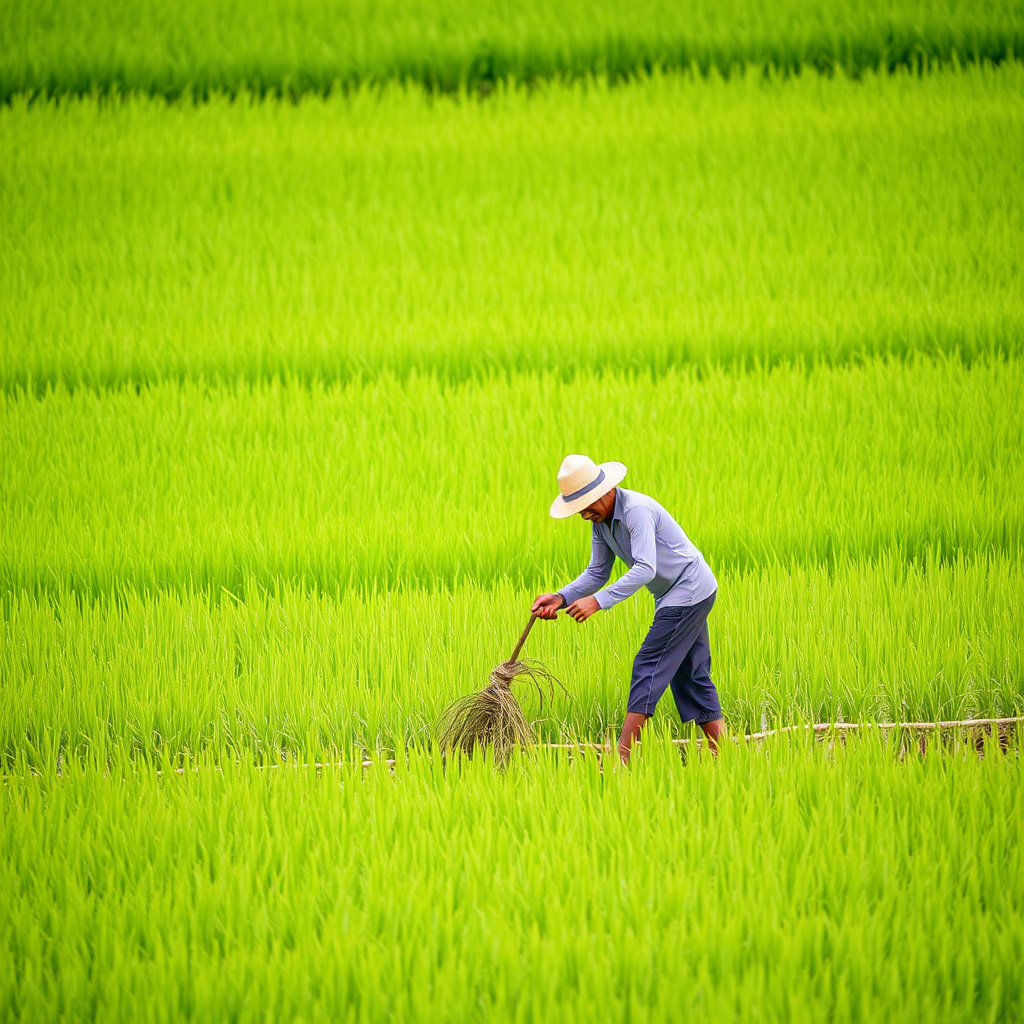
Sustainability of White Rice Production
Rice cultivation has significant water and methane emissions impacts. Choosing rice from sources with sustainable farming practices can help reduce environmental footprint.
Consumers interested in sustainability may seek certifications or locally sourced options for better environmental stewardship.
For detailed nutritional facts and history, you can view the white rice page on Wikipedia. White rice nutrition information – Wikipedia.
Cultural Significance of White Rice
White rice is deeply ingrained in many cultures' cuisines and traditions, making it more than just a food. This cultural importance influences dietary choices and meal traditions worldwide.
Respecting these factors is important when considering dietary changes involving rice.
Comparing Rice and Grain Types by Key Nutritional Features
This table outlines how white rice compares to other grains on fiber, protein, and glycemic index to aid your meal planning.
| Grain Type | Fiber (g per cup) | Protein (g per cup) | Glycemic Index |
|---|---|---|---|
| White Rice | 0.6 | 4.2 | 73 |
| Brown Rice | 3.5 | 5 | 68 |
| Quinoa | 5.2 | 8 | 53 |
| Barley | 6 | 3.5 | 28 |
| Bulgur | 8 | 6 | 48 |
Frequently Asked Questions
Does white rice cause weight gain?
White rice itself does not cause weight gain but can contribute if eaten in excess without balancing with other nutrients and physical activity.
Is white rice gluten-free?
Yes, white rice is naturally gluten-free, making it suitable for people with gluten intolerance or celiac disease.
How does white rice affect blood sugar?
White rice has a high glycemic index which can raise blood sugar levels rapidly, especially if eaten alone.
Is brown rice healthier than white rice?
Brown rice has more fiber, vitamins, and minerals, making it generally more nutritious than white rice.
Can people with diabetes eat white rice?
People with diabetes can eat white rice but should do so in controlled portions paired with fiber, protein, and healthy fats to manage blood sugar.
Key Takeaways
- White rice is a high-energy, low-fiber carbohydrate source.
- It has a higher glycemic index than whole grains.
- Moderate portions paired with balanced meals improve its health impact.
- People with diabetes should consume white rice cautiously.
Conclusion
Deciding if white rice is healthy depends largely on your overall diet and health goals. It offers a quick and easily digestible fuel source but lacks fiber and some nutrients present in whole grains. Balancing white rice with fibrous vegetables, protein, and healthy fats helps mitigate blood sugar spikes and supports nutrient intake.
For individuals looking to improve nutrition density, brown rice or other whole grains like quinoa and barley provide more fiber and micronutrients. However, white rice can be appropriate when digestion sensitivity or cultural preferences are prioritized. People with diabetes or prediabetes should monitor intake carefully and choose combinations that reduce glycemic load.
A practical next step is to evaluate your daily diet and meal choices, considering portion sizes and diversity of foods alongside white rice. Experimenting with recipes mixing white rice with whole grains or legumes can add texture and nutrition. Consulting a registered dietitian offers personalized guidance tailored to your needs.


One Comment