Mongolian Beef vs Pepper Steak: Which Asian Beef Dish Suits Your Taste Best?
Mongolian beef and pepper steak are two popular Asian-inspired dishes often featured on restaurant menus and home-cooked meals. Mongolian beef features thinly sliced beef in a sweet and savory brown sauce with a touch of garlic and ginger, while pepper steak highlights bell peppers and onions sautéed with beef in a peppery soy sauce. Both deliver distinctive flavors and textures that appeal to different preferences.
Knowing how Mongolian beef and pepper steak differ helps you pick the ideal dish based on the flavor profile and ingredients you enjoy. Mongolian beef offers a rich, caramelized glaze typically paired with scallions, while pepper steak focuses on bold, slightly spicy notes from bell peppers and black pepper for a more vibrant, vegetable-forward taste.
This article explores Mongolian beef vs pepper steak through detailed sections about their ingredients, cooking methods, nutritional content, flavor profiles, and cultural origins. We will compare varieties to help you decide which dish best suits your palate and dining occasions.
Ingredients and Key Components of Mongolian Beef and Pepper Steak

Typical Ingredients in Mongolian Beef
Mongolian beef is primarily made from thinly sliced flank or sirloin steak tossed in a savory sauce combining soy sauce, brown sugar, garlic, ginger, and sometimes hoisin for depth. Green onions or scallions are added at the end for freshness and color. It usually excludes vegetables other than scallions.
The focus is on balancing sweetness with umami from soy sauce and the aromatic bite of ginger and garlic. The beef is often lightly coated in cornstarch before cooking to create a glossy, thick sauce that clings to the meat.
Typical Ingredients in Pepper Steak
Pepper steak features beef strips stir-fried with crunchy bell peppers and onions in a sauce made from soy sauce, garlic, ginger, and black pepper as the dominant spice. Some recipes add a splash of oyster sauce or broth for richness.
This dish emphasizes the contrast between tender beef and crisp vegetables, with the freshly cracked black pepper giving a slightly spicy, aromatic sharpness.
Preparation and Cooking Techniques for Mongolian Beef vs Pepper Steak
How Mongolian Beef is Made
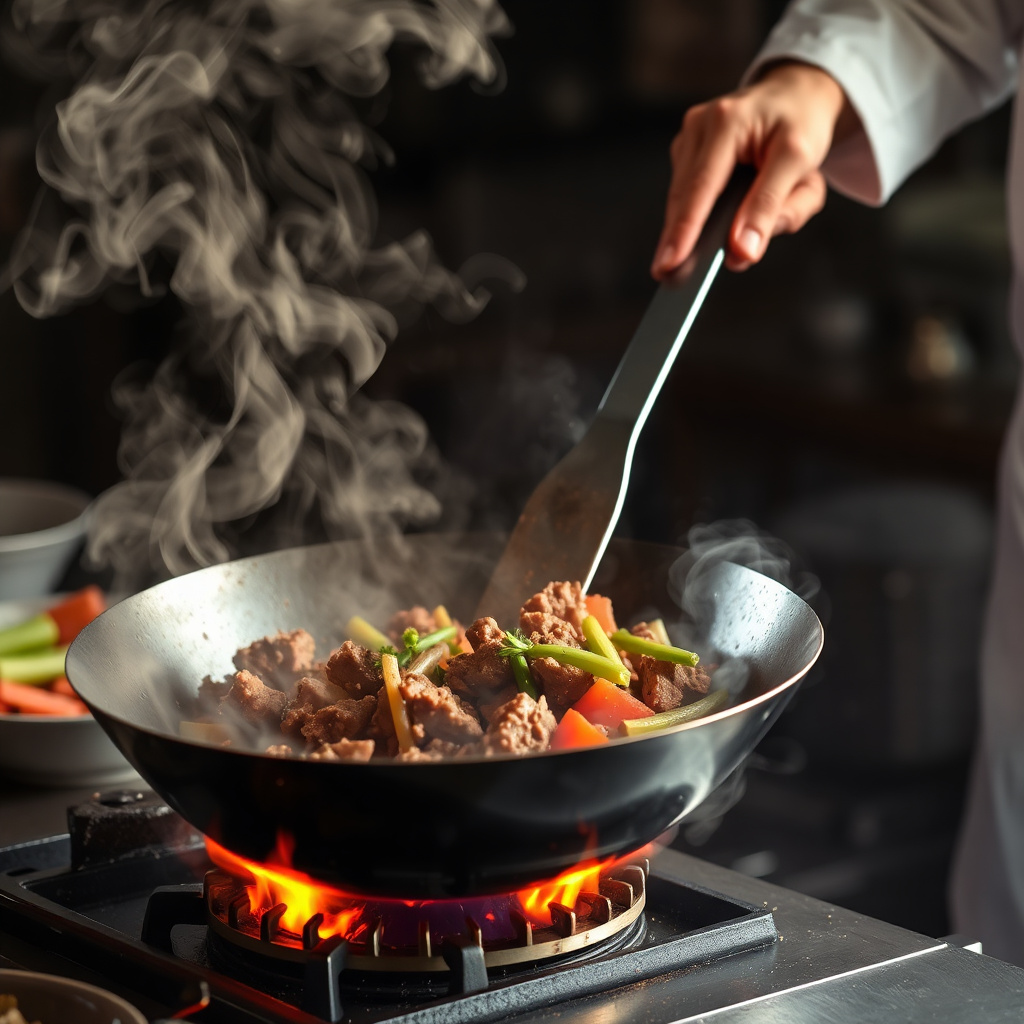
To make Mongolian beef, beef slices are first coated in cornstarch then quickly stir-fried over high heat to produce a crispy exterior. The sauce ingredients are then added to the wok, reduced until thick and glossy, coating each piece of meat evenly.
The cooking process is fast, preserving the beef’s tenderness while allowing the sauce to caramelize and intensify the flavor without incorporating vegetables besides the final green onions.
- Thinly slice beef across the grain
- Coat with cornstarch for texture
- High-heat stir-fry for a few minutes
- Add and reduce sauce until glossy
How Pepper Steak is Prepared
Pepper steak requires stir-frying beef strips along with sliced bell peppers and onions to maintain a crisp texture. Cooking times are carefully managed so vegetables remain vibrant and slightly crunchy while beef remains juicy.
The black pepper is typically added early in the sauce mix, allowing its pungent flavor to infuse throughout the dish rather than just as a finishing touch.
- Slice beef and vegetables evenly
- Sear beef first, then stir-fry vegetables
- Combine with sauce and black pepper
- Cook briefly to preserve vegetable crunch
Flavor Profiles and Texture Differences

Taste and Texture of Mongolian Beef
Mongolian beef is characterized by its sweet-savory balance from sugar and soy, with underlying garlic and ginger warmth. The cornstarch coating creates a silky, slightly crispy texture that's hearty without being greasy.
The dish is smooth and rich, with minimal vegetable interference, making it a protein-forward, indulgent option often paired with plain steamed rice.
For more on this, see our related guide: How Many Calories in Beef and Broccoli: A Detailed Calorie Breakdown.
Taste and Texture of Pepper Steak
Pepper steak offers a bolder, peppery kick with the bite of fresh black pepper and the sweetness and crunch of bell peppers and onions. The layered texture between tender beef and crisp veggies makes it more varied in mouthfeel.
This combination brings freshness and spice together, ideal for diners seeking more complexity and vegetable presence in their beef dishes.
Nutritional Comparison of Mongolian Beef and Pepper Steak

Health Aspects of Mongolian Beef
Mongolian beef is higher in sugar due to the caramelized sauce but tends to be moderate in fat when lean cuts are used. The lack of vegetables reduces fiber content, making it a more calorie-dense, protein-centric dish.
It can be enjoyed as part of a balanced diet when paired with vegetables or steamed rice to complement its richness.
Health Aspects of Pepper Steak
Pepper steak incorporates fresh vegetables, increasing fiber, vitamins, and antioxidants, and the pepper adds minimal calories but significant flavor. The dish is generally lower in sugar and balances carbs and fats better due to the vegetables.
This makes pepper steak potentially a more nutrient-dense choice for those looking for a fuller vegetable presence alongside beef.
Cultural Origins and Popularity

Where Mongolian Beef Comes From
Mongolian beef is a Chinese-American dish that bears little connection to authentic Mongolian cuisine. It was developed in Western Chinese restaurants and gained popularity for its flavorful, sweet soy-based sauce and tender beef slices.
Its approachable taste and rich sauce have made it a staple in many Chinese takeout menus internationally.
Origins and Popularity of Pepper Steak
Pepper steak is derived from Cantonese cooking styles, blending stir-fried beef with fresh bell peppers and black pepper. It has roots in traditional Chinese dishes though has been adapted widely to suit Western tastes.
Its colorful vegetable content and bold pepper spice have helped it remain a popular choice for hearty yet fresh Asian-inspired meals.
Serving Suggestions and Pairings

Mongolian Beef Serving Tips
Mongolian beef pairs well with plain steamed rice or fried rice to balance the sweet and savory sauce. It also works nicely with simple steamed bok choy or snow peas, which brighten the palate without overpowering the dish.
Because the sauce is rich, lighter sides help avoid an overly heavy meal.
- Steamed jasmine rice
- Lightly sautéed greens
- Pickled vegetables to cut richness
For more about various Asian beef dishes, you can explore this detailed Wikipedia list on Asian beef dishes. Asian beef dishes.
Pepper Steak Serving Ideas
Pepper steak’s bold vegetable flavors complement fried or steamed rice and can be paired with noodle dishes for variety. Adding a side of egg drop soup or a crisp Asian slaw enhances freshness and texture contrast.
Pepper steak also stands out when served with mixed vegetable stir-fries or steamed broccoli.
- Steamed brown rice for fiber
- Egg drop or hot and sour soup
- Crisp Asian slaw or side salad
Mongolian Beef vs Pepper Steak Category Comparison
This table compares key features of Mongolian beef and pepper steak across ingredients, flavor, texture, and health aspects to highlight what differentiates them.
| Category | Mongolian Beef | Pepper Steak |
|---|---|---|
| Primary Protein | Flank or sirloin beef slices | Beef strips (typically sirloin) |
| Main Sauce Flavor | Sweet and savory soy-based with brown sugar | Savory soy with prominent black pepper spice |
| Vegetable Content | Minimal; scallions only | Bell peppers and onions included |
| Texture | Tender, lightly crispy coating | Tender beef with crisp vegetables |
| Calorie Density | Moderate to high due to sugar and sauce | Lower sugar, higher fiber from vegetables |
| Cultural Origin | Chinese-American dish | Inspired by Cantonese cuisine |
| Typical Serving | Steamed rice and green onions | Rice or noodles with vegetable side |
Frequently Asked Questions
Is Mongolian beef spicy?
No, Mongolian beef is typically sweet and savory with mild warmth from ginger and garlic, but it does not have a spicy heat.
What peppers are used in pepper steak?
Pepper steak mainly uses bell peppers, usually green, red, or yellow, to add crunch and sweetness balanced with black pepper spice.
Can I make these dishes gluten-free?
Yes, by using gluten-free soy sauce and cornstarch in Mongolian beef, and gluten-free soy sauce for pepper steak, both dishes can be made gluten-free.
Which dish is healthier, Mongolian beef or pepper steak?
Pepper steak is generally healthier due to its inclusion of vegetables and lower sugar content, offering more fiber and nutrients.
Are these dishes traditionally served with rice?
Yes, both Mongolian beef and pepper steak are most commonly served alongside steamed white or brown rice to complement their sauces and flavors.
Key Takeaways
- Mongolian beef features sweet soy-based sauce with tender, cornstarch-coated beef and minimal vegetables.
- Pepper steak highlights bold black pepper flavor with crunchy bell peppers and onions for texture contrast.
- Pepper steak generally offers more nutritional balance due to its vegetable content.
- Serving both dishes with plain steamed rice pairs well to balance flavors and textures.
Conclusion
When deciding between Mongolian beef and pepper steak, consider your flavor priorities and nutritional preferences. Mongolian beef delivers a sweeter, richly sauced experience focused on tender beef. Pepper steak provides more texture variety and a peppery punch combined with fresh vegetables. Both dishes originate from adaptations of Chinese cuisine, beloved for distinct reasons and suited to different palates.
If you prefer a sweeter, smoother sauce with a protein-first approach, Mongolian beef is an excellent choice. For those seeking a dish with vegetable crunch and a spicier black pepper zing, pepper steak stands out. Nutritionally, pepper steak’s vegetable content enhances fiber and vitamin intake, making it a preferred option for balanced meals. Both dishes pair beautifully with steamed or fried rice, and can be customized to taste with additional sides.
To explore these dishes further, try cooking them at home using fresh ingredients and authentic sauces. Experiment with the balance of sweetness and spice to match your taste. For those dining out, order both to compare firsthand the distinct qualities that make Mongolian beef and pepper steak individual favorites in Asian-inspired cuisine.


