Wonton vs Dumpling: Key Differences and How to Choose
Wontons and dumplings are both popular Asian delicacies, but they differ in shape, filling, and cooking style. Wontons typically have thinner wrappers, are often boiled or served in soup, and usually contain a mixture of ground pork and seasonings. Dumplings come in many varieties with thicker wrappers, diverse fillings, and can be steamed, boiled, or fried.
Understanding these differences helps clarify what to expect when ordering these dishes or preparing them at home. While both are delicious bite-sized treats, the texture and flavor can vary quite a bit depending on which you choose. The cultural origins and regional recipes contribute to their unique characteristics, making each one special.
This article explores the distinctions between wontons and dumplings, including their ingredients, preparation methods, regional variations, and typical serving styles. It guides readers through a breakdown of both, helping choose the right option whether craving a comforting soup or a hearty snack.
Origins and Cultural Background of Wontons and Dumplings

History of Wontons
Wontons originated from China’s Southern regions, especially Guangdong, during the Tang dynasty. They were initially simple parcels of dough designed to protect fillings during cooking, evolving into an iconic street food. Traditionally, wontons became associated with soups and broths in Cantonese cuisine.
Their delicate thin wrappers and savory pork or shrimp fillings reflect southern Chinese culinary focus on light textures and fresh seasonings, contrasting the more diverse dumpling traditions found in northern China.
Evolution of Dumplings Across Asia
Dumplings have a broader history tied to many Asian and Eurasian cultures, with varieties such as jiaozi from northern China, Japanese gyoza, Korean mandu, and even Central Asian manti. The thicker wrappers and heartier fillings adapt to colder climates and more robust cooking methods like steaming and pan-frying.
Each culture developed its own fillings and shapes, making dumplings a versatile dish reflecting regional tastes and available ingredients.
Differences in Wrappers and Textures between Wonton and Dumpling

Wonton Wrappers and Their Characteristics
Wonton wrappers are made from a thinner dough, usually consisting of wheat flour, water, and sometimes egg. This thin, almost translucent wrapper creates a tender, silky texture after cooking, especially when boiled in soup where it softens further.
The thin wrapper allows the filling’s delicate flavors to shine, and their elasticity requires careful folding to keep them intact during cooking.
- Thin, almost translucent
- Softens to a silky texture
- Typically square or triangular before folding
- Uses wheat flour and sometimes egg
Dumpling Wrappers and Their Characteristics
Dumpling wrappers are usually thicker and chewier, made from a simple wheat flour and water dough without egg. This thickness supports a wide range of cooking methods, such as pan-frying, steaming, and boiling, giving dumplings a satisfying bite.
Their sturdiness helps encase heavier or chunkier fillings, contributing to dumplings’ heartier texture and flavor profile.
- Thicker, chewier dough
- Better suited for pan-frying and steaming
- Handles heavier fillings well
- Made simply from wheat flour and water
Filling Differences and Flavor Profiles
Typical Wonton Fillings
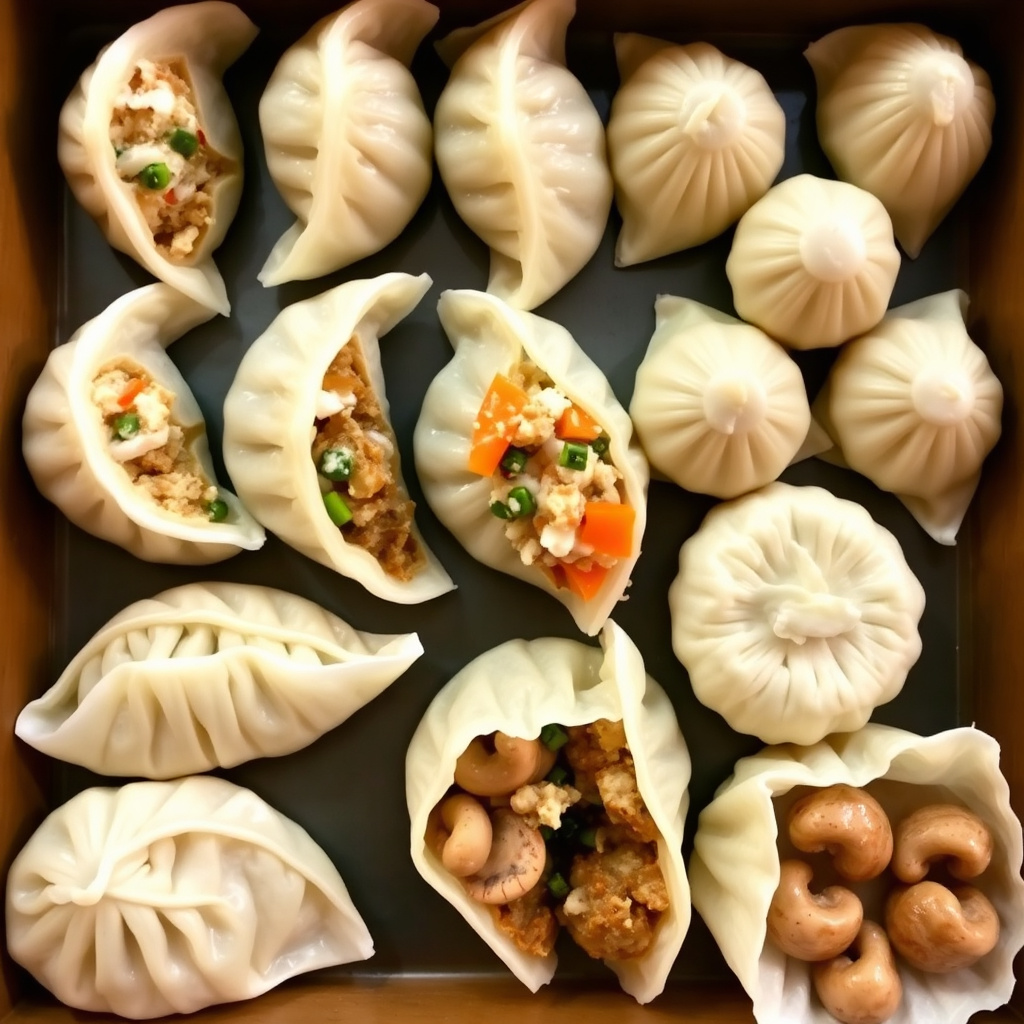
Wonton fillings tend to be finely minced or ground, often featuring pork with ginger, garlic, and scallions, sometimes combined with shrimp or vegetables. The focus is on smooth, balanced flavors that complement the light wrapper and broth.
This careful blending creates a filling that cooks quickly and absorbs the subtle flavors of the soup or dipping sauce.
- Ground pork with aromatics
- Shrimp added for sweetness
- Mild seasoning to suit broth-based dishes
For more on this, see our related guide: How Many Calories Are in Crab Rangoon? A Detailed Calorie Breakdown.
Typical Dumpling Fillings
Dumplings showcase a wide range of fillings, including pork, beef, chicken, vegetables, and seafood, often chopped coarsely or mixed with bold spices like soy sauce, garlic, and chili. The flavor tends to be richer and more diverse, matching the variety of cooking styles.
Fillings can be adapted to seasonal produce and local preferences, making dumplings highly customizable.
- Varied meats and vegetables
- Stronger seasoning and sauces
- Chunks or finely chopped mixtures
Cooking Methods and Serving Styles

How Wontons Are Cooked and Served
Wontons are most often boiled or steamed and served in a clear broth or soup, highlighting the wrapper’s delicate texture. Occasionally, they are deep-fried for a crispy appetizer, but soup service remains the hallmark preparation.
Serving often includes simple garnishes like scallions and a light soy-based dressing or chili oil for dipping.
- Boiled or steamed in broth
- Occasionally deep-fried
- Served as soup or appetizer
Dumpling Cooking Techniques and Presentation
Dumplings enjoy versatile cooking methods, including pan-frying (potstickers), boiling, and steaming, each creating different textures. Pan-fried dumplings offer a crispy bottom and soft top, steamed dumplings are tender, and boiled dumplings are plump and juicy.
They are typically accompanied by dipping sauces ranging from soy-based to vinegar and chili oil blends.
- Pan-fried, steamed, or boiled
- Varied textures: crispy, soft, juicy
- Served with diverse dipping sauces
Regional Variations and Popularity
Wonton Variations Across China
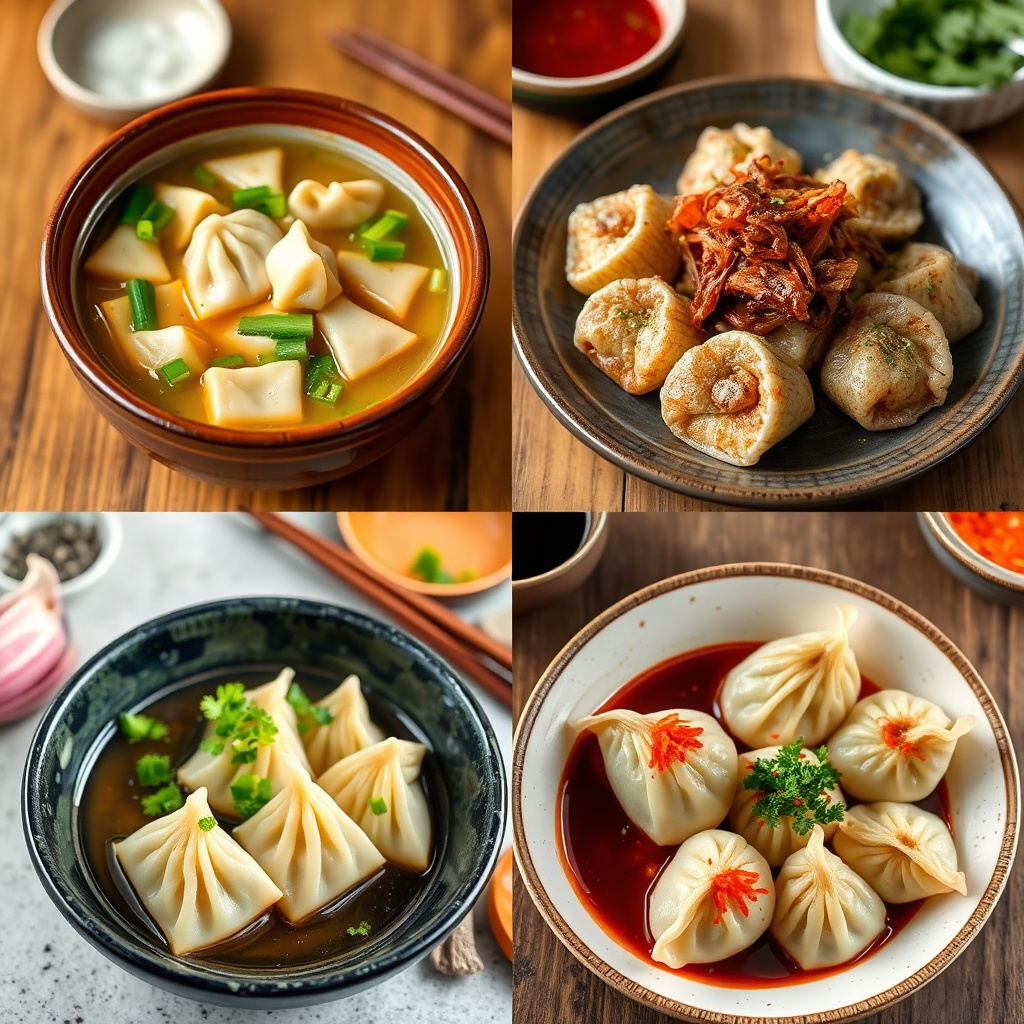
In southern China, Cantonese wontons feature shrimp and pork fillings in light broth, while other regions may use different fillings or dipping sauces. Hong Kong-style wonton soups are famous worldwide, often paired with noodles.
The simplicity and elegance of wonton soup have made it an emblem of southern Chinese cuisine.
For more on this, see our related guide: How to Eat Healthy at a Chinese Restaurant Without Sacrificing Flavor.
Dumpling Varieties Beyond China
Dumplings appear in many Asian cuisines: Japanese gyoza are pan-fried with garlicky pork, Korean mandu may contain kimchi and glass noodles, and Mongolian buuz are steamed meat dumplings. Each brings local culinary traditions into the dumpling form.
This diversity makes dumplings a beloved snack or meal component across several countries.
Nutrition and Dietary Considerations
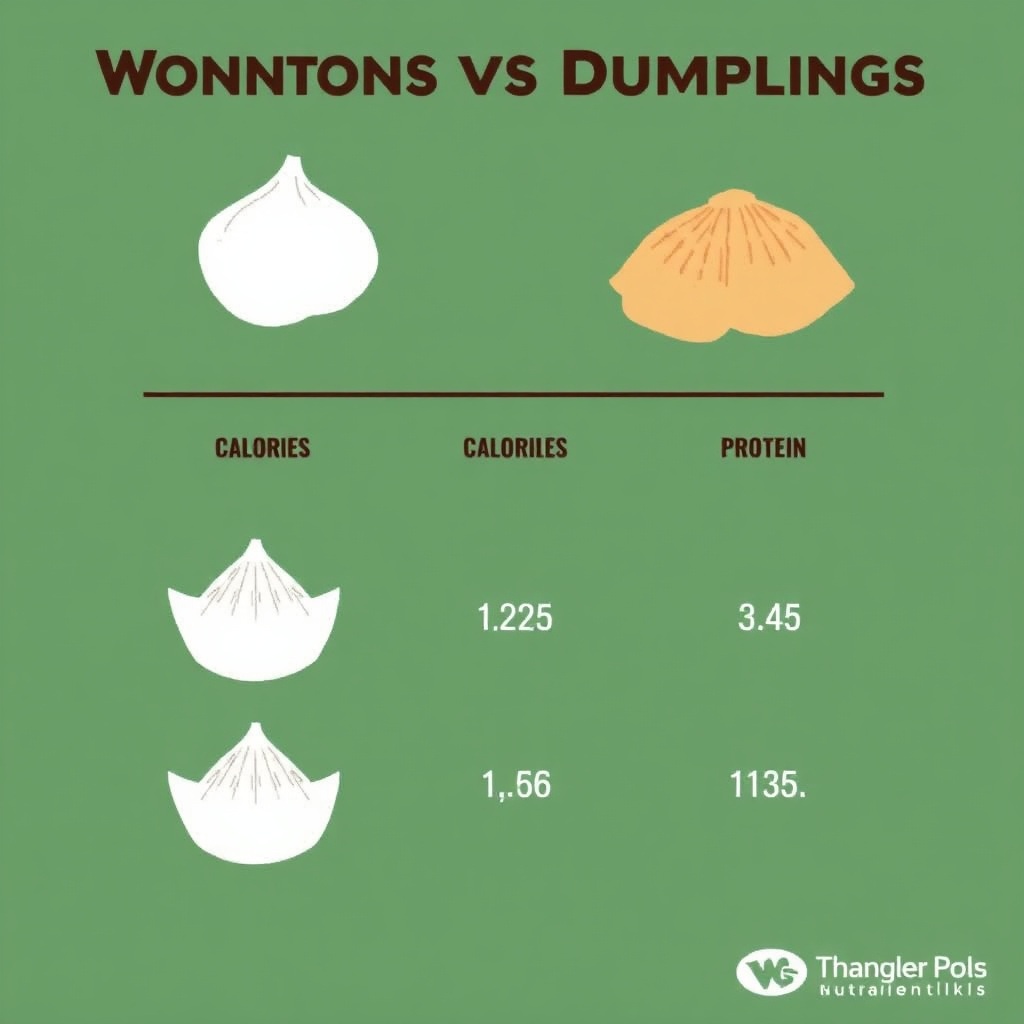
Caloric and Macronutrient Differences
Wontons generally contain fewer calories per piece due to thinner wrappers and smaller fillings. They tend to be lower in fat but higher in sodium when served in broth. Dumplings with thicker dough and richer fillings offer more protein and calories, especially when pan-fried.
Portion size significantly influences the nutritional impact of both.
For more detailed historical and cultural information, visit the dumpling Wikipedia article. dumpling Wikipedia article.
Suitability for Special Diets
Both wontons and dumplings can be adapted for vegetarian or gluten-free diets using alternative flours and fillings. However, traditional versions usually contain gluten and animal products. Choosing steamed preparations helps reduce oil intake for health-conscious eaters.
Awareness of ingredients is essential for allergy and dietary compliance.
Wonton vs Dumpling Category Comparison
This table compares key features of wontons and several popular dumpling types to highlight their differences in preparation, textures, and typical fillings.
| Category | Wrapper Thickness | Typical Cooking Method | Common Fillings | Texture |
|---|---|---|---|---|
| Wonton | Thin | Boiled/Steamed, sometimes fried | Pork, shrimp, mild seasoning | Soft, silky |
| Northern Chinese Dumpling (Jiaozi) | Thicker | Boiled, steamed, pan-fried | Pork, cabbage, garlic | Chewy, hearty |
| Japanese Gyoza | Thin-medium | Pan-fried with steam finish | Pork, garlic, cabbage | Crispy bottom, tender top |
| Korean Mandu | Medium-thick | Steamed, pan-fried, boiled | Pork, kimchi, glass noodles | Soft with crispy edges |
| Central Asian Manti | Thick | Steamed | Lamb, onion, spices | Dense and chewy |
Frequently Asked Questions
Are wontons and dumplings made from the same dough?
No, wonton dough is typically thinner and often includes egg, while dumpling dough is thicker, chewier, and usually just wheat flour and water.
Can wontons be pan-fried like dumplings?
While less common, wontons can be deep-fried for a crispy texture, but their thin wrappers usually don't hold up well to pan-frying like many dumplings do.
Which has more filling, a wonton or a dumpling?
Dumplings generally have more filling due to their thicker dough and larger size, whereas wontons are smaller with lighter fillings.
Are wontons always served in soup?
Wontons are commonly served in soup but can also be deep-fried and served as a crispy appetizer or snack.
What are common dipping sauces for dumplings?
Typical dipping sauces include soy sauce with vinegar, chili oil, garlic sauce, or sesame-based blends, enhancing dumplings’ bold flavors.
Key Takeaways
- Wontons have thin wrappers and are often served in soup with delicate fillings.
- Dumplings vary widely, usually with thicker wrappers and diverse cooking methods.
- Fillings in wontons tend to be finely minced, while dumplings can have chunkier mixtures.
- Cooking methods shape texture: wontons are boiled or steamed; dumplings can be steamed, boiled, or pan-fried.
Conclusion
Deciding between wontons and dumplings depends largely on texture and flavor preferences as well as the desired eating experience. Wontons offer a lighter, silkier bite, perfect for enjoying in clear broths where their delicate nature shines. Dumplings, with their thicker dough and versatile fillings, accommodate a wide range of cooking styles, providing crispy, chewy, or juicy textures depending on preparation. This diversity means understanding each type’s unique characteristics helps pick the right dish for the occasion or craving.
If you're seeking a comforting soup or a quick, light snack, wontons exemplify southern Chinese culinary finesse with their thin wrappers and refined fillings of pork and shrimp. Dumplings, like northern Chinese jiaozi or Japanese gyoza, suit those who enjoy a more substantial bite and varied textures such as pan-fried crispiness or steamed tenderness. Venturing into Korean mandu or Central Asian manti brings different spices and fillings, expanding options beyond China’s borders. Considering cooking methods, nutritional goals, and flavor profiles will guide your choice.
For first-timers or enthusiasts looking to explore these dishes at home or in restaurants, starting with wonton soup can familiarize you with the lighter texture and broth pairing. Moving toward dumplings lets you experiment with fillings and cooking approaches, such as pan-frying for crispiness or steaming for softness. Exploring both enhances appreciation for Asian culinary traditions and satisfies diverse palates. Ultimately, sampling a variety of wontons and dumplings will help determine your favorites and encourage culinary creativity.