Where Did Crab Rangoon Come From? Tracing Its Origins and History
Crab rangoon actually originated in the United States, rather than China, as many might assume. This creamy crab-stuffed wonton was first popularized in American Chinese restaurants in the mid-20th century. Despite its name and appearance, it is not a traditional Chinese dish but rather a creation that blends Western tastes with Asian-inspired ingredients.
Understanding where crab rangoon came from sheds light on how certain dishes evolve outside their cultural birthplace, adapting to local palettes and restaurant trends. The dish's popularity is tied to American Chinese cuisine's tendency to innovate with familiar flavors, using cream cheese—a distinctly non-Asian ingredient—and imitation crab meat to appeal to Western diners.
This article will explore crab rangoon’s origins in California during the 1950s, how it became a staple appetizer in the United States, and clarify common myths about its supposed Asian roots. We will also examine variations and its role in American Chinese dining today.
The Origin and Creation of Crab Rangoon

The Role of American Chinese Cuisine in Crab Rangoon’s Birth
Crab rangoon was invented in the United States, not in China or Southeast Asia. Its roots trace to mid-20th century California, where American Chinese restaurants created dishes catering specifically to American tastes, leading to innovative menu items not authentic to traditional Chinese cooking.
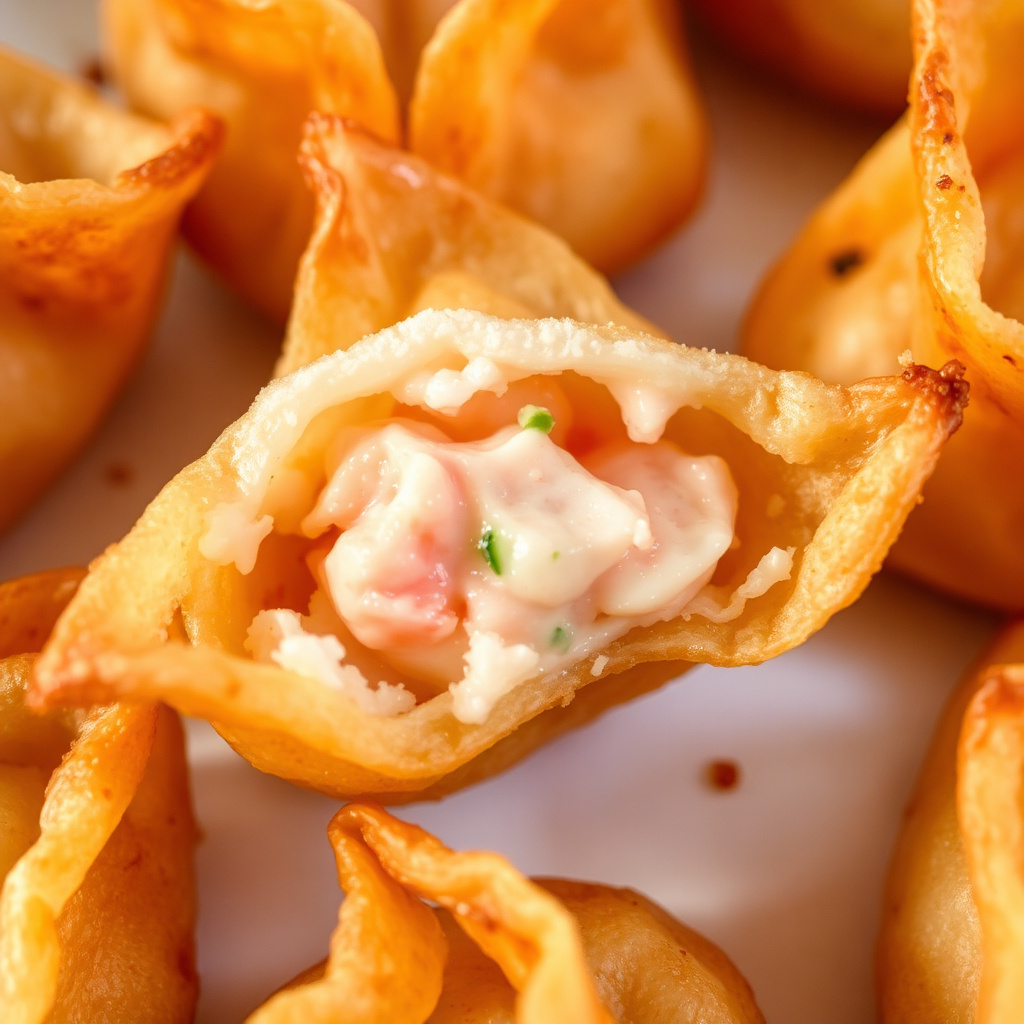
Early American Chinese chefs often incorporated Western ingredients like cream cheese along with Asian staples. Crab rangoon combined cream cheese and crab (imitation or fresh), wrapped in wonton skins, then fried to create a crunchy, creamy appetizer that quickly won over patrons.
Who Invented Crab Rangoon?
The invention of crab rangoon is commonly attributed to Victor Bergeron’s Trader Vic’s restaurant chain. Bergeron popularized Polynesian-themed American dishes, blending different culinary influences including Asian flavors, during the 1950s and ’60s.
Though no singular documented recipe exists from the era, Trader Vic’s and similar establishments are credited with launching crab rangoon into widespread American cuisine, leveraging its unique texture and flavor to appeal to a diverse customer base.
Ingredients That Define Crab Rangoon Today
The Cream Cheese Factor
Cream cheese is the key ingredient that distinguishes crab rangoon from authentic Chinese dumplings or wontons. Its smooth, rich texture complements the mild crab flavor and adds a unique creaminess rarely found in traditional Asian cooking.
Using cream cheese also reflects adaptation to American tastes, as dairy is seldom used in Chinese cuisine. This ingredient helps give crab rangoon its iconic smooth interior and balances the salty crab and crunchy wrapper.
- Smooth, creamy texture
- Balances crab’s saltiness
- Uncommon in original Asian recipes
Crab Meat: Real vs. Imitation
Many crab rangoon recipes call for imitation crab meat because it’s more affordable and widely available, yet it still provides an acceptable seafood flavor. Some specialty restaurants may use fresh crab meat, which creates a more authentic seafood taste, but at a higher cost.
Whether imitation or real crab, the filling is finely chopped and mixed with cream cheese and seasonings. This blend is then portioned into wonton skins and fried to golden perfection.
- Imitation crab is economical and common
- Fresh crab offers richer flavor
- Mixes with cream cheese and seasonings
How Crab Rangoon Claimed Its Popularity in the U.S.

Appealing to American Palates
Crab rangoon's creamy filling, deep-fried crispy wrapper, and seafood-inspired flavor appealed broadly to American diners looking for exciting but familiar tastes. Its combination of rich cream cheese with an accessible seafood flavor made it a standout appetizer.
The dish fits well with American preferences for finger foods and fried snacks, which bolstered its place alongside egg rolls and fried wontons on many American Chinese menus.
- Combination of creamy and crunchy textures
- Seafood taste accessible to many
- Ideal finger food for casual dining
Widespread Restaurant Adoption
By the 1970s and ’80s, crab rangoon was firmly established on menus across the United States in Chinese-American restaurants. It became an almost expected appetizer and was often offered alongside other Americanized Chinese dishes like General Tso’s chicken.
Its rise mirrors the broader adaptation and fusion unique to American Chinese cuisine, combining elements from various culinary traditions and adapting them for local tastes.
Common Myths and Misunderstandings About Crab Rangoon

Is Crab Rangoon a Traditional Chinese Dish?
Despite its appearance and name, crab rangoon has no roots in authentic Chinese cooking. Traditional Chinese crab dishes do not include cream cheese or fried wonton wrappers filled with it. Crab rangoon is a Western invention inspired by Asian ingredients.
Many people mistakenly assume crab rangoon is from Rangoon (now Yangon) or a Southeast Asian recipe due to the name, but this is not the case.
Why Is It Called Rangoon?
The name ‘rangoon’ is likely a marketing invention meant to evoke an exotic or Asian feel. Rangoon was the former name of Yangon, the largest city in Myanmar (Burma), but the dish does not originate from Burmese cuisine.
Using 'rangoon' likely added a mystique attractive to American diners curious about Asian culture, even though the recipe itself remained an American creation.
Variations and Serving Suggestions for Crab Rangoon

Modern Twists on Crab Rangoon
Chefs and home cooks experiment with fillings by adding ingredients like scallions, garlic, or even other seafood such as shrimp to enhance flavor variety. Baked versions offer a lighter alternative to fried rangoon.
Some also serve crab rangoon with unique dipping sauces such as spicy mayo, sriracha, or tangy plum sauce, providing new flavor experiences while maintaining the familiar creamy filling.
- Adding scallions or garlic
- Using baked instead of fried method
- Experimenting with dipping sauces
Pairing Crab Rangoon with Other Dishes
Crab rangoon complements many American Chinese dishes including fried rice, lo mein, and orange chicken. Its crispy texture provides contrast to saucier main dishes.
Its appetizer status makes it well suited for sharing platters, adding richness and variety to meal spreads in casual or family-style settings.
The Place of Crab Rangoon in American Food Culture

A Symbol of Culinary Fusion
Crab rangoon exemplifies the blending of Asian aesthetics with American ingredients and preferences. It stands as a symbol of how cuisines evolve away from their origins when transplanted to new cultures.
This fusion has helped shape American Chinese cuisine into a distinct culinary tradition appreciated for bold reinterpretations and inventive flavor combinations.
To understand the background of American Chinese creations like crab rangoon, explore the history of American Chinese cuisine. American Chinese cuisine history.
Widespread Recognition and Popularity
Today, crab rangoon is widely recognized and enjoyed beyond Chinese restaurants. It's often found at parties, buffets, and casual gatherings, highlighting its role as comfort food across many segments of American society.
Its approachable flavors and textures make it an easy favorite that continues to inspire culinary creativity and local adaptations throughout the United States.
Comparison of Crab Rangoon Variants
Here’s a comparison of typical crab rangoon types and preparation methods to highlight key differences.
| Type | Filling Ingredients | Cooking Method | Texture | Flavor Profile |
|---|---|---|---|---|
| Traditional American | Cream cheese, imitation crab, scallions | Deep-fried | Crispy outside, creamy inside | Rich, mildly sweet, savory |
| Fresh Crab | Cream cheese, fresh crab meat | Deep-fried | Crispy and creamy | More pronounced crab flavor |
| Baked | Cream cheese, imitation crab, garlic | Baked | Crunchy but less greasy | Lighter, subtle garlic notes |
| Spicy Twist | Cream cheese, crab, sriracha | Deep-fried | Crispy, creamy with heat | Spicy and creamy |
| Vegetarian | Cream cheese, scallions, water chestnuts | Deep-fried or baked | Crunchy with creamy filling | Mild, slightly sweet, no seafood |
Frequently Asked Questions
Is crab rangoon an authentic Chinese dish?
No, crab rangoon was created in the United States as part of American Chinese cuisine and is not found in traditional Chinese cooking.
What is usually inside crab rangoon?
Crab rangoon commonly contains a mixture of cream cheese and crab meat (either imitation or real), often with seasonings like garlic or scallions.
Can crab rangoon be baked instead of fried?
Yes, baking crab rangoon provides a healthier alternative with less oil, offering a crunchy texture though slightly different from the classic fried version.
What sauce pairs well with crab rangoon?
Popular dipping sauces include sweet and sour sauce, plum sauce, soy sauce, or spicy mayo, all complementing its creamy filling.
Why is it called 'rangoon' if it’s not from Myanmar?
The name likely evokes an exotic Asian flair to appeal to American diners, but the dish does not originate from the city of Rangoon (Yangon).
Key Takeaways
- Crab rangoon originated in mid-20th century America, not Asia.
- Its signature cream cheese filling sets it apart from traditional Chinese dishes.
- Trader Vic's popularized crab rangoon in American Chinese cuisine.
- Various versions include fried, baked, and spicy adaptations.
Conclusion
Finding where crab rangoon came from reveals how American Chinese cuisine adapts and creates new dishes based on local preferences. Unlike authentic Chinese fare, crab rangoon blends cream cheese and seafood into a crispy fried parcel that became beloved in the U.S. Its origin story underscores the influence of creativity within ethnic culinary traditions adjusted for regional tastes.
For those exploring American Chinese appetizers, crab rangoon offers a unique texture and flavor combination distinctive from classic dumplings or wontons. Whether opting for the traditional deep-fried version with imitation crab or experimenting with baked or fresh crab variations, this dish stands out in casual dining. Its widespread presence on many menus confirms its role as a nostalgic favorite and culinary fusion milestone.
If you want to try making crab rangoon at home or order it at a restaurant, appreciate that it’s a product of innovation rather than heritage. Its history enriches the experience of enjoying this creamy, crunchy appetizer. Next steps might include comparing versions at local eateries, experimenting with fillings, or pairing it alongside other American Chinese main dishes to get a true sense of its unique place in American food culture.