How Long Does Cooked Rice Last? Essential Food Safety Guidelines
Cooked rice typically lasts about 4 to 6 days in the refrigerator when stored properly. It's important to cool the rice quickly after cooking and keep it in an airtight container to maintain freshness and reduce the risk of bacteria growth. If left out at room temperature for more than two hours, rice can become unsafe to eat due to the rapid growth of Bacillus cereus bacteria.
Understanding how long cooked rice can last matters a lot because improper handling leads to foodborne illnesses. Bacillus cereus spores can survive cooking, and if rice is left to sit warm, these can multiply and produce toxins that cause food poisoning. Knowing the right storage time and temperature practices helps you safely enjoy leftovers without risks.
This guide will explore various storage methods, signs of spoiled rice, and tips for reheating cooked rice safely. We’ll also compare how long rice lasts in the fridge versus the freezer and provide recommendations on maximizing shelf life without compromising safety or quality.
Understanding Rice Shelf Life After Cooking

The Science Behind Cooked Rice Spoilage
Cooked rice spoils primarily because of bacterial growth, especially Bacillus cereus, which can survive the cooking process and multiply if rice is left at unsafe temperatures. The bacteria produce toxins that heat cannot destroy once formed, making it crucial to handle rice carefully after cooking.
Rice stored properly in the refrigerator slows bacterial growth significantly. However, rice should be cooled rapidly and kept under 40°F (4°C) to inhibit these bacteria from multiplying. If rice smells sour or develops an unusual texture, it is best discarded to avoid foodborne illness.
How Temperature and Time Affect Rice Freshness
Temperature plays a critical role in how long cooked rice lasts. At room temperature, bacteria can multiply quickly within a few hours, while refrigeration extends the freshness window up to nearly a week. Freezing cooked rice can preserve it for months, though texture changes might occur upon thawing.
Time is equally important; rice should never be left out for more than two hours before refrigeration since this promotes bacterial growth. After refrigeration, consuming rice within 4 to 6 days is generally safe, failing which the risk of spoilage and food poisoning increases.
Best Practices for Storing Cooked Rice Safely

Cooling and Refrigerating Cooked Rice
To preserve cooked rice safely, start by cooling it quickly after cooking. Leaving rice to cool at room temperature for too long invites bacterial growth. Spreading the rice out on a tray or placing portions in shallow containers helps the cooling process.
Once cooled, transfer the rice into airtight containers and place it in the refrigerator promptly. Maintaining a consistent fridge temperature below 40°F (4°C) is essential to slow bacteria and preserve rice quality. Avoid stacking containers too tightly to facilitate even cooling.
- Use shallow containers for quicker cooling
- Seal with airtight lids
- Refrigerate within 2 hours of cooking
- Keep fridge temperature below 40°F
For more on this, see our related guide: How Long Can Chinese Food Sit Out Safely at Room Temperature?.
Freezing Cooked Rice: Extending Shelf Life
Freezing cooked rice is an excellent way to significantly extend its shelf life, often up to six months when frozen at 0°F (-18°C) or lower. Freeze rice in small, moisture-proof airtight bags or containers to prevent freezer burn and maintain flavor and texture.
Before freezing, cool the rice thoroughly and portion it appropriately for planned use, making thawing and reheating easier. When ready to use, thaw in the refrigerator or reheat directly from frozen to minimize bacterial risks associated with slow thawing at room temperature.
- Freeze in portioned airtight bags
- Cool completely before freezing
- Use within 6 months for quality
- Reheat safely after thawing
Recognizing Signs of Spoiled Cooked Rice

Visual and Olfactory Indicators
Spoiled cooked rice often exhibits a sour or off smell, which is the first indicator of bacterial or fungal contamination. Visual signs include discoloration, sliminess, or fuzzy mold growing on the rice surface.
If you notice any changes in texture, smell, or appearance, it’s safest to discard the rice to prevent gastrointestinal illnesses. Never taste rice to test freshness if any spoilage symptoms exist.
Texture and Taste Changes to Watch For
Besides smell and appearance, spoiled rice may become unusually sticky or slimy due to bacterial activity. The grains may clump together or feel excessively mushy, differing from their initial fluffy texture.
A stale, sour, or off taste also indicates spoilage. Even if rice looks normal, an unfamiliar taste should warn against consumption. Proper storage limits these changes, but vigilance remains necessary.
Reheating Cooked Rice Safely to Prevent Illness
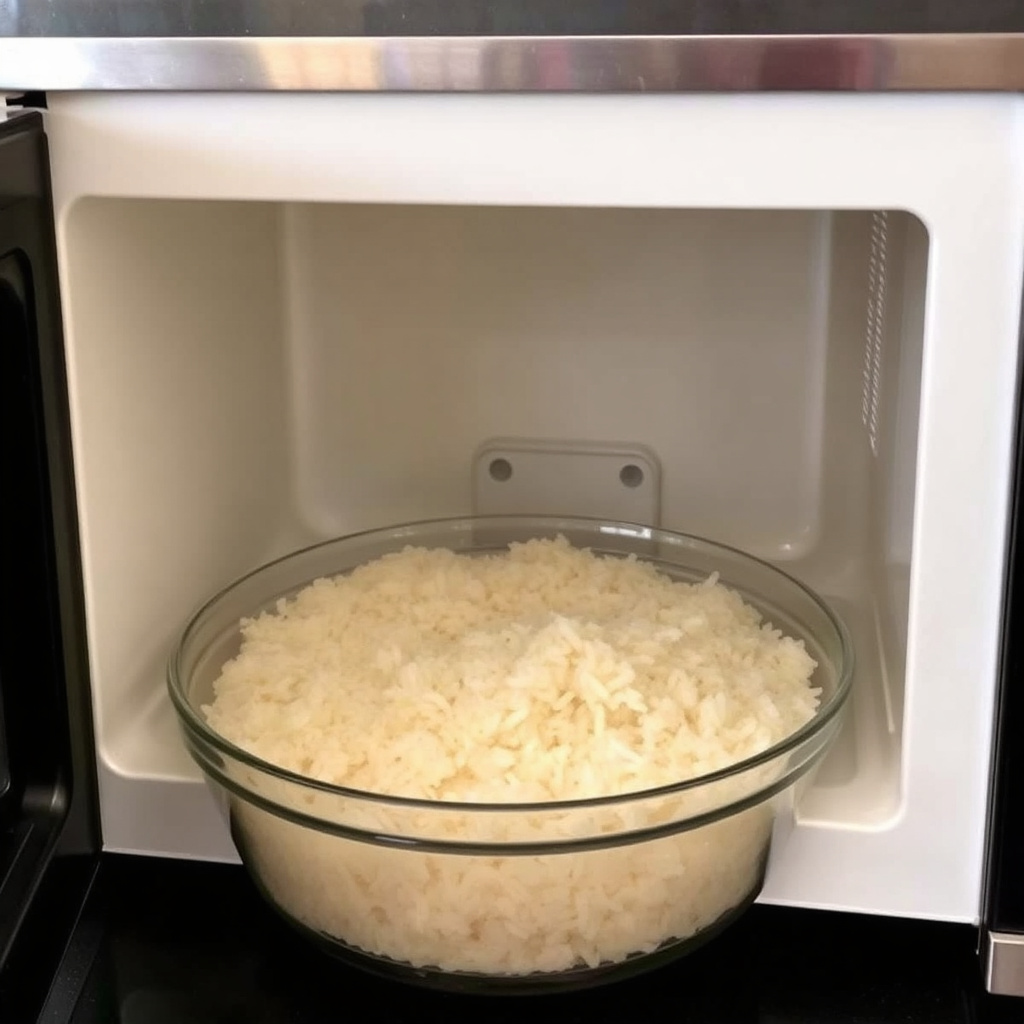
Microwave and Stovetop Methods
When reheating cooked rice, do so to steaming hot temperatures of at least 165°F (74°C) to destroy any bacteria present. Both microwave and stovetop reheating can be effective if heat is distributed evenly throughout the rice.
Add a splash of water before reheating to maintain moisture and prevent drying out. Stir the rice occasionally during reheating, especially on the stovetop, to prevent cold spots where bacteria could survive.
- Heat rice until piping hot
- Add water to retain moisture
- Stir during reheating for even heat
- Avoid reheating more than once
For more on this, see our related guide: How Long Can Sushi Sit Out Safely? Expert Food Safety Tips.
Avoiding Common Reheating Mistakes
Reheating rice multiple times increases food safety risks; leftovers should only be reheated once. Also, avoid reheating rice left out at room temperature too long, as toxins may have developed that heat cannot destroy.
Use airtight containers for storing leftover rice and reheat only the portion you plan to consume. Discard any rice leftover after reheating to eliminate the risk of bacterial growth from repeated cooling and warming cycles.
How Long Does Cooked Rice Last and Storage Comparisons

Shelf Life in Refrigerator vs. Freezer
Cooked rice stored in the refrigerator stays safe and fresh for about 4 to 6 days under proper temperature conditions. In contrast, freezing cooked rice can extend its shelf life significantly, up to six months, although texture might soften slightly after thawing.
Refrigerated rice is more convenient for short-term consumption, while freezing suits bulk storage or preserving leftovers. Proper packaging and cooling are mandatory for both methods to maximize safety and quality.
- Refrigerator: 4–6 days
- Freezer: up to 6 months
- Room temperature: max 2 hours
The USDA provides detailed rice cooking and storage guidelines that reinforce safe handling practices. Rice cooking and storage guidelines.
Risks of Keeping Cooked Rice at Room Temperature
Leaving cooked rice at room temperature beyond two hours poses serious food safety risks due to rapid bacterial growth. Bacillus cereus bacteria can multiply quickly and produce heat-stable toxins that cause vomiting and diarrhea.
For this reason, rice should be refrigerated or frozen promptly. If rice has been sitting out longer than two hours, it is best to discard it to avoid foodborne illness.
Cooked Rice Storage Duration Comparison
This table compares typical storage times for cooked rice across different storage methods, highlighting safety and quality differences.
| Storage Method | Safe Storage Duration | Ideal Temperature | Texture Impact |
|---|---|---|---|
| Room Temperature | Up to 2 hours | 68–72°F (20–22°C) | N/A (high risk of spoilage) |
| Refrigerator | 4–6 days | Below 40°F (4°C) | Maintains original texture well |
| Freezer | Up to 6 months | 0°F (-18°C) or lower | Slight softening or graininess |
| Vacuum-Sealed Refrigerator | 7–8 days | Below 40°F (4°C) | Better preservation of texture |
Frequently Asked Questions
Can you eat cooked rice after 7 days in the refrigerator?
It is not recommended to eat cooked rice stored for more than 6 days in the refrigerator. Beyond this, bacterial growth and spoilage increase, raising the risk of food poisoning.
What’s the safest way to store leftover cooked rice?
Cool the rice quickly, store it in airtight containers, refrigerate within 2 hours, and consume within 4 to 6 days or freeze for longer storage.
Can cooked rice be frozen and reheated safely?
Yes, freezing cooked rice extends its shelf life to about 6 months. Reheat thoroughly to 165°F (74°C) before eating to ensure safety.
Is it safe to leave cooked rice out overnight?
No, leaving cooked rice out overnight is unsafe. Harmful bacteria can multiply rapidly, and toxins produced may not be destroyed by reheating.
What are signs that cooked rice has gone bad?
Signs include a sour or off smell, visible mold, slimy texture, and changes in color. If any of these appear, discard the rice immediately.
Key Takeaways
- Cooked rice lasts 4 to 6 days refrigerated and up to 6 months frozen.
- Cool rice quickly and store in airtight containers to prevent spoilage.
- Never leave cooked rice at room temperature for more than 2 hours.
- Reheat rice thoroughly to 165°F (74°C) before consuming leftovers.
Conclusion
Deciding how long cooked rice lasts hinges on understanding bacterial behavior and proper storage. Bacillus cereus spores can survive cooking, so prompt cooling and refrigeration are vital to prevent toxin formation. Regularly checking rice for spoilage signs helps avoid consumption of unsafe food. Balancing freshness with safety, refrigerators can keep cooked rice edible up to 6 days, while freezing extends usability by several months.
If you use cooked rice regularly, consider your storage needs carefully. For quick consumption, refrigerate in airtight containers ensuring the rice cools within two hours. For longer-term storage, freezing portions lets you preserve rice without frequent cooking. Specialized methods like vacuum sealing can prolong refrigerated freshness slightly, but the core focus remains on temperature control and timing.
To stay safe, always cool cooked rice promptly, store it in airtight containers, and eat it within recommended times. Avoid leaving rice at room temperature beyond 2 hours and don’t reheat multiple times. When in doubt about freshness or safety, it’s better to discard leftovers. Following these practical steps ensures cooked rice remains a convenient, safe staple in your kitchen.