Exploring the Different Types of Sashimi: A Guide to Japan’s Finest Raw Fish Delicacies
Sashimi is a Japanese delicacy consisting of thinly sliced raw fish or seafood, served fresh without rice. The types of sashimi range widely, featuring fish like tuna, salmon, and mackerel, each known for unique textures and flavors that sushi lovers cherish.
Understanding the types of sashimi is essential for appreciating the culinary artistry and fresh flavors of Japanese cuisine. Each variety offers a subtle taste profile that complements traditional garnishes like wasabi and soy sauce, highlighting the quality of the fish itself.
This article will explore popular sashimi varieties, their specific characteristics, and tips on how to enjoy them. You’ll find detailed descriptions of common sashimi fish, lesser-known options, and guidance on selection and presentation.
Common Types of Sashimi You Should Try
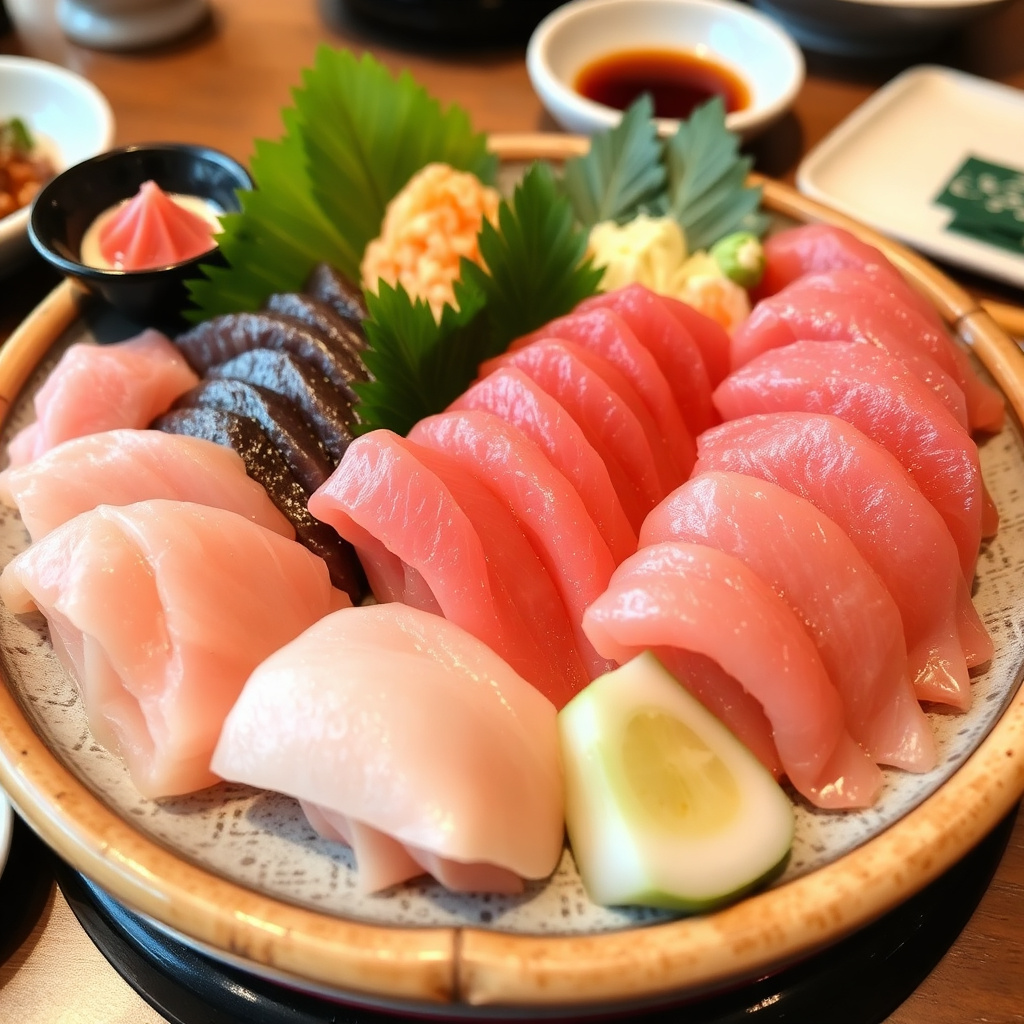
Tuna Varieties in Sashimi
Tuna, or maguro, is the most popular sashimi fish and comes in several varieties. Akami is the leaner, deep red meat prized for its clean taste, while toro, the fatty belly part, is cherished for its rich, melt-in-your-mouth texture.
Bluefin tuna supplies most toro sashimi and commands high prices due to its prized fatty content. Chu-toro, a medium-fatty cut between akami and toro, offers an ideal balance of flavor and texture for sashimi enthusiasts.
Salmon and Its Appeal in Sashimi
Salmon sashimi is known for its vibrant orange color, delicate texture, and distinctively sweet and buttery flavor. It has become increasingly popular worldwide beyond Japan due to its rich taste and health benefits.
Often served slightly chilled, salmon sashimi pairs well with soy sauce and a touch of wasabi, which accentuates its natural oils without overpowering the flavor. Wild-caught versus farmed salmon sashimi can differ subtly in taste.
Lesser-Known Types of Sashimi Worth Exploring
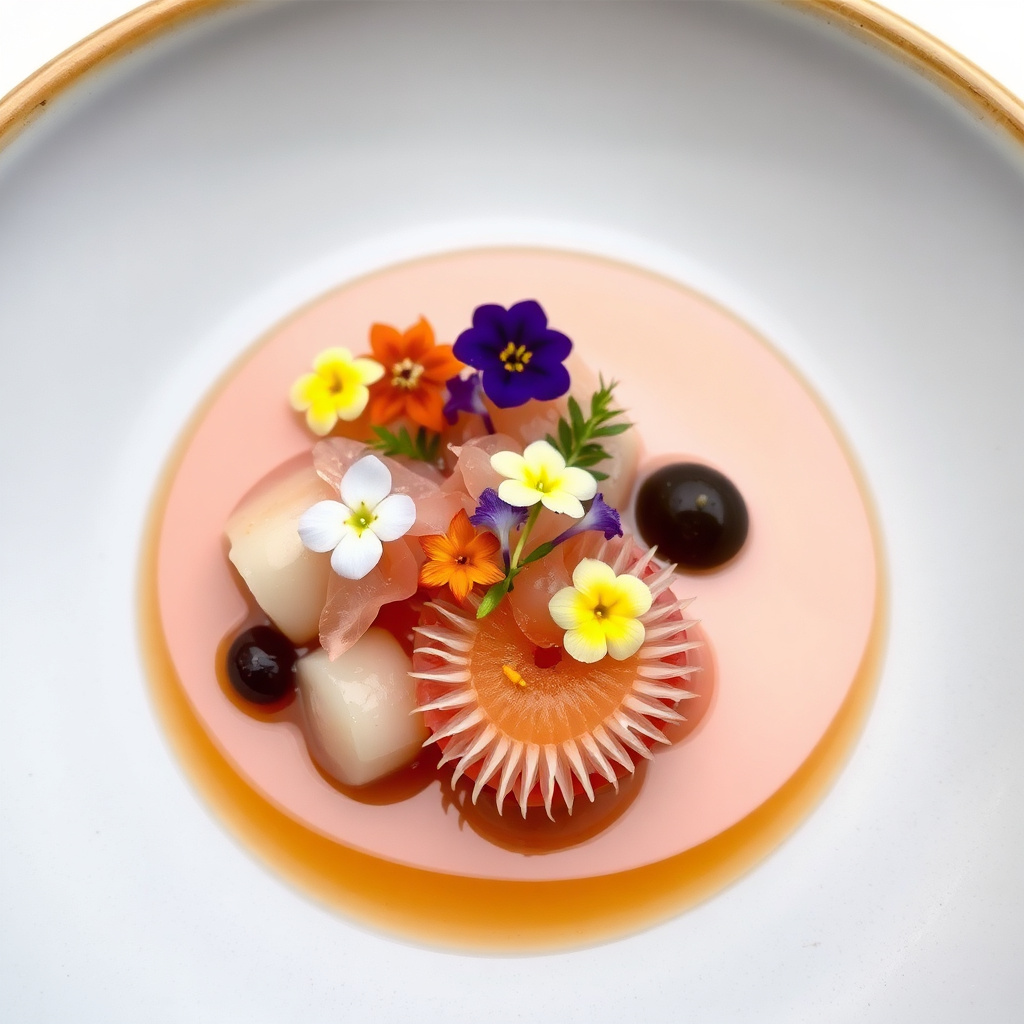
Octopus and Squid Sashimi
Octopus (tako) and squid (ika) sashimi offer a chewier texture compared to fish, providing a different mouthfeel that many sashimi fans appreciate. These are often sliced thinly to highlight tenderness despite their naturally firm texture.
Tenderizing octopus requires skill, as improper preparation results in a tough bite. Squid sashimi is usually served with a slightly translucent luster and mild flavor, often enhanced with dipping sauces that complement its subtle taste.
For more on this, see our related guide: Types of Sushi: A Complete Guide to Popular Sushi Varieties.
Sea Urchin and Other Unique Sashimi Choices
Sea urchin, known as uni, is a prized delicacy featured as sashimi for its creamy texture and briny, oceanic flavor. Uni is often enjoyed by sashimi lovers seeking a luxurious experience with a rich umami taste.
Other distinctive sashimi examples include mackerel (saba), horse mackerel (aji), and scallop (hotate), each bringing unique textures and intensity that broaden the sashimi palette beyond common fish varieties.
Selecting Fresh Fish for Sashimi

Signs of Freshness in Sashimi-Grade Fish
Fresh sashimi-grade fish should have clear, bright eyes, firm flesh, and a mild fragrance reminiscent of the sea. The flesh should spring back when pressed gently and not show signs of discoloration or dryness.
A trustworthy supplier or fishmonger is critical when selecting raw fish intended for sashimi. Knowing the source and handling practices can reduce health risks and ensure the best taste experience.
Storage and Handling Tips for Sashimi Fish
Proper storage involves keeping fish chilled at near-freezing temperatures and consuming it as soon as possible after purchase to preserve texture and flavor. Avoid fish that has been frozen multiple times as it may lose quality.
Safe handling includes using clean utensils and cutting boards, avoiding cross-contamination, and ensuring that fish is sliced just before serving to maintain freshness and presentation.
- Keep fish refrigerated below 4°C (39°F)
- Use separate knives for raw fish
- Slice fish right before serving
- Avoid prolonged exposure to air
Presentation and Serving Recommendations for Sashimi

Traditional Garnishes and Accompaniments
Sashimi is traditionally served with garnishes like shredded daikon radish, shiso leaves, and fresh wasabi. These accompaniments add visual appeal and complement the natural flavors without overpowering the fish.
Soy sauce is typically used for dipping, and sometimes a hint of citrus or ponzu sauce is added to enhance freshness. The dish’s minimalism draws attention to the quality and texture of the fish itself.
For more on this, see our related guide: What Does Sashimi Taste Like? An In-Depth Flavor Guide.
Plating Techniques to Enhance the Sashimi Experience
Sashimi slices are often arranged in tight rows or overlapping patterns to showcase the fish’s color and texture. Using a chilled platter or decorative leaves keeps the fish cool and visually appealing.
Careful slicing technique impacts both texture and presentation, as uniform thickness helps maintain consistent bite quality. Delicate, thin cuts are preferred for octopus, while thicker slices suit fatty tuna varieties.
Health Benefits and Nutritional Value of Sashimi

Nutritional Advantages of Eating Sashimi
Sashimi provides a high-protein, low-carbohydrate meal rich in omega-3 fatty acids, vitamin D, and essential minerals. These nutrients support heart health, brain function, and immunity, making sashimi a healthy option when eaten fresh.
Because it is uncooked, sashimi retains more vitamins and enzymes than cooked seafood, contributing to better digestion and nutrient absorption.
For a broader overview of sashimi’s cultural background and variations, visit the Sashimi page on Wikipedia. Sashimi on Wikipedia.
Considerations for Safe Consumption
While sashimi has nutritional benefits, it's essential to consume fish from reputable sources to reduce risks of parasites or foodborne illness. Pregnant women or immunocompromised individuals should take precautions or avoid raw fish.
Choosing sashimi labeled as sushi- or sashimi-grade ensures it has been frozen to kill parasites, adding a layer of safety for enjoyment without sacrificing quality.
Comparison of Popular Sashimi Varieties
Below is a comparison of common sashimi fish varieties, highlighting texture, flavor, typical price range, and best serving style.
| Variety | Texture | Flavor Profile | Price Range | Best Served With |
|---|---|---|---|---|
| Akami (Lean Tuna) | Firm and dense | Clean, mild | Moderate | Soy sauce, wasabi |
| Toro (Fatty Tuna) | Soft, buttery | Rich, fatty | High | Light soy, minimal wasabi |
| Salmon | Tender, oily | Sweet, buttery | Moderate | Soy sauce, wasabi, ponzu |
| Octopus (Tako) | Chewy | Mild, slightly sweet | Low to moderate | Soy sauce, citrus |
| Sea Urchin (Uni) | Creamy, custard-like | Briny, umami-rich | High | Neutral sauces, light soy |
| Scallop (Hotate) | Soft, slightly springy | Sweet, delicate | Moderate | Soy sauce, citrus |
Frequently Asked Questions
What makes sashimi-grade fish different from regular fish?
Sashimi-grade fish is handled with strict freshness, hygiene, and freezing standards to ensure safety when consumed raw, minimizing parasites and bacteria risks.
Can sashimi be made from freshwater fish?
Traditionally, sashimi comes from saltwater fish, as freshwater fish carry higher parasite risks. Exceptions exist but require careful preparation.
How thick should sashimi slices be cut?
Slices typically range from 3 to 5 millimeters thick, balancing tenderness and manageable bite size, but thickness varies by fish type and chef style.
Is it safe to eat sashimi at home?
Eating sashimi safely at home depends on sourcing high-quality, sashimi-grade fish and practicing hygienic preparation techniques to avoid contamination.
What condiment pairs best with toro sashimi?
Light soy sauce with a tiny amount of fresh wasabi complements toro's rich taste without overpowering its delicate fat content.
Key Takeaways
- Sashimi offers a wide range of fish varieties, each with unique texture and flavor.
- Freshness and proper handling are critical for safe sashimi enjoyment.
- Presentation and simple garnishes enhance sashimi's delicate flavors.
- Sashimi provides nutrient-rich, low-calorie benefits when consumed responsibly.
Conclusion
Choosing the right types of sashimi requires attention to fish freshness, variety, and personal palate preferences. By learning about the characteristics of popular options like tuna, salmon, and lesser-known choices such as sea urchin and octopus, you can tailor your sashimi experience to your taste. The main keyword appears here to emphasize the focus on sashimi varieties and their role in Japanese cuisine.
For those new to sashimi, starting with familiar types such as akami or salmon sashimi provides an accessible introduction, while adventurous eaters might explore uni or squid sashimi for unique textures and flavors. Understanding how to select sashimi-grade fish and the appropriate garnishes can elevate each meal into a refined culinary experience.
Your next step is to explore reputable sources or markets that offer fresh, high-quality fish and apply the serving and handling tips shared here. This approach will help you safely enjoy the full range of what sashimi has to offer, making each bite a reflection of both quality and tradition.


