How to Stir Fry Vegetables Perfectly Every Time
Stir frying vegetables is a fast and healthy cooking method that locks in flavor and crunch. To stir fry vegetables perfectly, use high heat and a little oil, cook them quickly while stirring frequently, and add vegetables in order of cooking time so each one finishes crisp-tender. This approach minimizes sogginess and preserves nutrients.
Many people struggle to get a good balance of texture and taste when stir frying vegetables, often ending up with mushy or unevenly cooked results. The secret lies in properly preparing and spacing ingredients, choosing the right vegetables, and managing heat and timing carefully. Mastering these techniques can elevate any stir fry dinner.
This article will cover how to prepare vegetables for stir frying, picking the best vegetables for stir fry, cooking techniques, sauce options, and tips for getting that perfect stir fry texture and flavor. Whether you’re a beginner or want to refine your skills, these details will help you stir fry vegetables like a pro.
Preparing Vegetables for Stir Fry

Washing and Cutting Techniques
Proper preparation starts with washing vegetables thoroughly to remove dirt and pesticides. Use cold water, and dry them well to avoid excess moisture that can cause splattering during cooking. Then, cut vegetables uniformly, ideally into bite-sized pieces or thin slices, so they cook evenly and quickly.
Certain vegetables like carrots or bell peppers benefit from thin julienne cuts, while broccoli florets should be split into small, even clusters. Avoid cutting too large as this leads to uneven cooking and potential sogginess in stir-fried vegetables.
- Rinse each vegetable thoroughly until water runs clear
- Use a sharp knife for clean cuts
- Dry with a clean kitchen towel or paper towels
- Cut vegetables into similar-sized pieces for even cooking
Grouping Vegetables by Cooking Time
Since different vegetables cook at various speeds, grouping them by cooking time is essential. Harder vegetables like carrots and broccoli need more time, so add them first, while delicate items like spinach or bean sprouts go in last to avoid wilting.
This timing method improves texture and flavor balance in the stir fry. Onions and garlic are usually sautéed first to soften and release aroma before adding other vegetables in stages, adjusting heat as needed.
- Hard vegetables: carrots, broccoli, cauliflower
- Medium vegetables: bell peppers, snap peas
- Soft/delicate vegetables: spinach, mushrooms, bean sprouts
Selecting the Best Vegetables for Stir Fry

Common Vegetables Used in Stir Fry
The best vegetables for stir fry combine texture, color, flavor, and sturdiness at high heat. Popular choices include bell peppers, broccoli, carrots, snow peas, onions, mushrooms, and bok choy. These vegetables retain crispness when cooked quickly and add variety to the dish.
Using a colorful mix boosts the visual appeal and nutritional profile, encouraging balanced meals. Also, feel free to experiment with seasonal vegetables to create unique stir fry combinations that suit your taste.
- Bell peppers (red, green, yellow)
- Broccoli florets
- Carrots sliced thin
- Snow peas or snap peas
- Onions sliced thin
- Mushrooms sliced
- Bok choy or Chinese cabbage
Vegetables to Avoid and Why
Some vegetables do not work well in stir fry because of their high water content or long cooking requirements. For instance, cucumbers tend to become watery and limp, while starchy vegetables like potatoes require much longer cooking times unsuitable for a quick stir fry.
Avoid using leafy greens like lettuce that wilt instantly or vegetables that need steaming or boiling before eating. Choosing the right vegetables avoids sogginess and preserves the stir fry’s characteristic crispness.
- Cucumbers
- Potatoes
- Lettuce
- Celery sticks (unless sliced thin and pre-cooked)
Mastering Stir Fry Cooking Techniques

Heat Control and Oil Usage
High heat is essential for stir frying vegetables to quickly cook them without losing crunch. Preheat your wok or skillet until it’s nearly smoking before adding oil. Use oils with high smoke points like peanut, canola, or grapeseed.
Adding oil just before vegetables ensures an even coating. Maintain the heat to get a slight char and caramelization, which creates depth of flavor. Avoid overcrowding the pan or the temperature will drop, causing steaming instead.
- Use oils with smoke point >400°F
- Preheat wok/skillet thoroughly
- Add oil right before vegetables
- Keep vegetables moving to avoid burning
For more on this, see our related guide: How to Cook Bok Choy: Simple Techniques for Perfect Results.
Tossing and Stirring Properly
The key to a successful stir fry is constant motion. Toss and stir to promote even cooking and prevent scorching. Using a spatula or tongs, turn vegetables frequently but gently to maintain their shape and texture.
Cooking times vary, so keep vegetables moving to cook every piece evenly. If you have a wok with a round bottom, take advantage of its shape for effortless tossing. This interaction also helps retain vibrant colors and crispness.
Choosing and Using Stir Fry Sauces

Popular Stir Fry Sauce Ingredients
Sauces bring flavor and moisture to stir fried vegetables. Typical base ingredients include soy sauce, oyster sauce, hoisin sauce, rice vinegar, and sesame oil. Fresh aromatics like ginger, garlic, and scallions enhance flavor complexity.
Balancing salty, sweet, sour, and umami notes creates a well-rounded sauce that clings to vegetables without overpowering them. Simple combinations can be made quickly or from store-bought stir fry sauces.
- Light or dark soy sauce
- Oyster sauce
- Hoisin sauce
- Sesame oil
- Rice vinegar
- Garlic and ginger
How to Add Sauce for Best Results
Add stir fry sauce towards the end of cooking once vegetables are nearly done to prevent sogginess. Pour the sauce evenly and stir quickly to coat all ingredients. Let the sauce bubble for a minute to thicken and glaze vegetables.
Avoid adding too much sauce; a little goes a long way. If using thick sauces, thin with a splash of broth or water. Adjust seasoning after sauce addition, adding salt or chili if needed.
- Add sauce after vegetables are mostly cooked
- Stir quickly to coat all vegetables
- Simmer briefly to thicken sauce
- Adjust seasoning last
Tips for Getting the Perfect Stir Fry Texture

Maintaining Crunchiness
Achieving the right texture requires precise timing. Cook vegetables just until they turn bright and are tender-crisp. Overcooking makes them mushy, which loses that satisfying bite.
Use quick cooking methods and avoid overcrowding the pan, which traps steam and softens vegetables. Keeping vegetables dry before cooking and using high heat help retain crunchiness.
- Cook vegetables separate if necessary
- Avoid excessive stirring after sauce addition
- Remove vegetables immediately when done
For more on this, see our related guide: How to Cook Tofu: Essential Methods for Perfect Texture and Flavor.
Avoiding Sogginess and Overcooking
Sogginess results from oversteaming or excess moisture in the pan. To prevent this, dry vegetables well, cook in small batches, and handle timing carefully. Adding salty sauces late prevents drawing out moisture prematurely.
If vegetables release water during cooking, increase heat or momentarily remove vegetables, allowing moisture to evaporate before continuing. These techniques keep stir fried vegetables fresh and vibrantly textured.
Serving and Storing Stir Fried Vegetables

Best Serving Suggestions
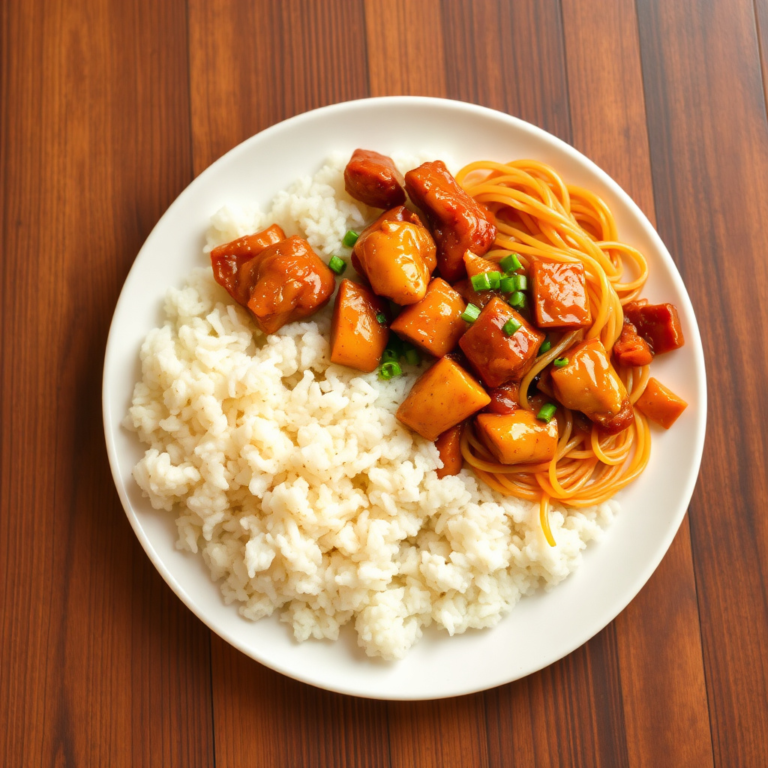
Serve stir fried vegetables immediately for peak flavor and crispness. Pair them with steamed rice, noodles, or protein like tofu or chicken to complete the meal. Garnishes such as sesame seeds, chopped scallions, or a drizzle of chili oil add visual and flavor appeal.
Avoid reheating stir fry frequently, as the texture suffers. Freshly cooked stir fry offers the best mouthfeel and taste.
- Serve hot with rice or noodles
- Add garnish like sesame seeds
- Pair with grilled or fried protein
For additional insights into the stir frying method, you can review stir frying techniques on Wikipedia. stir frying techniques on Wikipedia.
Storage and Reheating Tips
Store leftover stir fried vegetables in airtight containers in the fridge, best consumed within two days. Reheat gently in a hot pan to avoid steaming and softening further. Avoid microwaving if you want to preserve texture.
Add a splash of water and toss quickly when reheating to maintain moisture balance, but be cautious not to overdo or it becomes soggy.
- Use airtight container
- Reheat on stovetop quickly
- Avoid microwave for best texture
Common Vegetables for Stir Fry Category Comparison
Here’s a comparison of popular vegetables used in stir fry, focusing on flavor, cooking time, texture, and ideal cooking order.
| Vegetable | Flavor Profile | Cooking Time | Texture | Ideal Cook Order |
|---|---|---|---|---|
| Broccoli | Mild, slightly bitter | 5-7 minutes | Crunchy when done right | First |
| Bell Peppers | Sweet, bright | 3-4 minutes | Tender-crisp | Middle |
| Carrots | Sweet, earthy | 6-8 minutes | Firm-crisp | First |
| Snap Peas | Sweet, fresh | 2-3 minutes | Crisp | Last |
| Mushrooms | Earthy, umami | 3-4 minutes | Tender, juicy | Middle |
| Spinach | Mild, slightly sweet | 1-2 minutes | Tender, wilts quickly | Last |
Frequently Asked Questions
What oil is best for stir frying vegetables?
Use oils with high smoke points, such as peanut, canola, or grapeseed oil. They handle high heat without burning and impart neutral or pleasant flavors to the vegetables.
How do I keep stir fried vegetables crispy?
Cook over high heat, avoid overcrowding the pan, stir frequently, and add vegetables in stages based on hardness. Also, dry vegetables thoroughly before cooking to reduce moisture.
Can I use frozen vegetables for stir frying?
Frozen vegetables tend to release excess water and may become soggy. If using frozen, thaw and pat dry thoroughly before stir frying to improve texture.
When should I add sauce during stir frying?
Add sauce towards the end when vegetables are nearly cooked to avoid sogginess. Stir quickly to coat and allow the sauce to thicken before serving.
Is it necessary to use a wok for stir frying?
A wok is ideal for even heat and tossing, but a large skillet with a heavy bottom can also work well for stir frying vegetables.
Key Takeaways
- Use high heat and quick cooking for crisp vegetables
- Cut vegetables uniformly and group by cooking time
- Choose sturdy, colorful vegetables suited for stir frying
- Add sauce late to prevent sogginess and maintain texture
Conclusion
Deciding how to stir fry vegetables well hinges on balancing heat, timing, and ingredient preparation. High heat and constant tossing create the ideal environment to cook vegetables quickly while preserving their crunch and color. Cutting vegetables into uniform pieces and grouping by cooking time ensures everything finishes together perfectly without overcooking. Avoiding excess moisture and adding sauce at the right moment preserves that signature stir fried texture.
For those seeking the best vegetables for stir fry, start with sturdy staples like broccoli, carrots, and bell peppers for a mix of flavor and crunch. Add quicker-cooking ingredients like snap peas and spinach last. Oils like peanut or canola sustain high heat, and sauces built with soy and oyster sauce complement these vegetables well. Following the steps above will help you master a wide range of savory, colorful stir fry dishes.
If you’re ready to try your hand at a tasty stir fry, gather your favorite vegetables, prep them carefully, maintain a hot pan, and follow the timing guidance here. With practice, you will find perfectly balanced vegetable stir fries that retain crunch and vibrant flavor—a delicious way to add fresh produce to your meals.