An Essential Guide to Chinese Dining Etiquette for Every Occasion
Chinese dining etiquette involves a set of customs and practices deeply rooted in respect, harmony, and social hierarchy. From where to sit at the table to how to use chopsticks properly, understanding these protocols can make a significant difference in social and business meals. Knowing Chinese dining etiquette is essential for showing respect and blending seamlessly into cultural dining settings.
These customs have evolved over thousands of years, reflecting Confucian values that prioritize respect for elders, group harmony, and modesty. Observing these traditions not only prevents social faux pas but also builds goodwill and trust when dining in Chinese cultural contexts. Appreciating the significance behind certain actions enriches your dining experience beyond mere politeness.
This guide covers crucial aspects like seating arrangements, common table manners, chopstick usage, drinking customs, and gift etiquette. Whether you’re a visitor, business professional, or just curious about Chinese culture, this article will help you understand and respect these dining traditions thoroughly.
Seating Arrangements and Social Hierarchy in Chinese Dining Etiquette
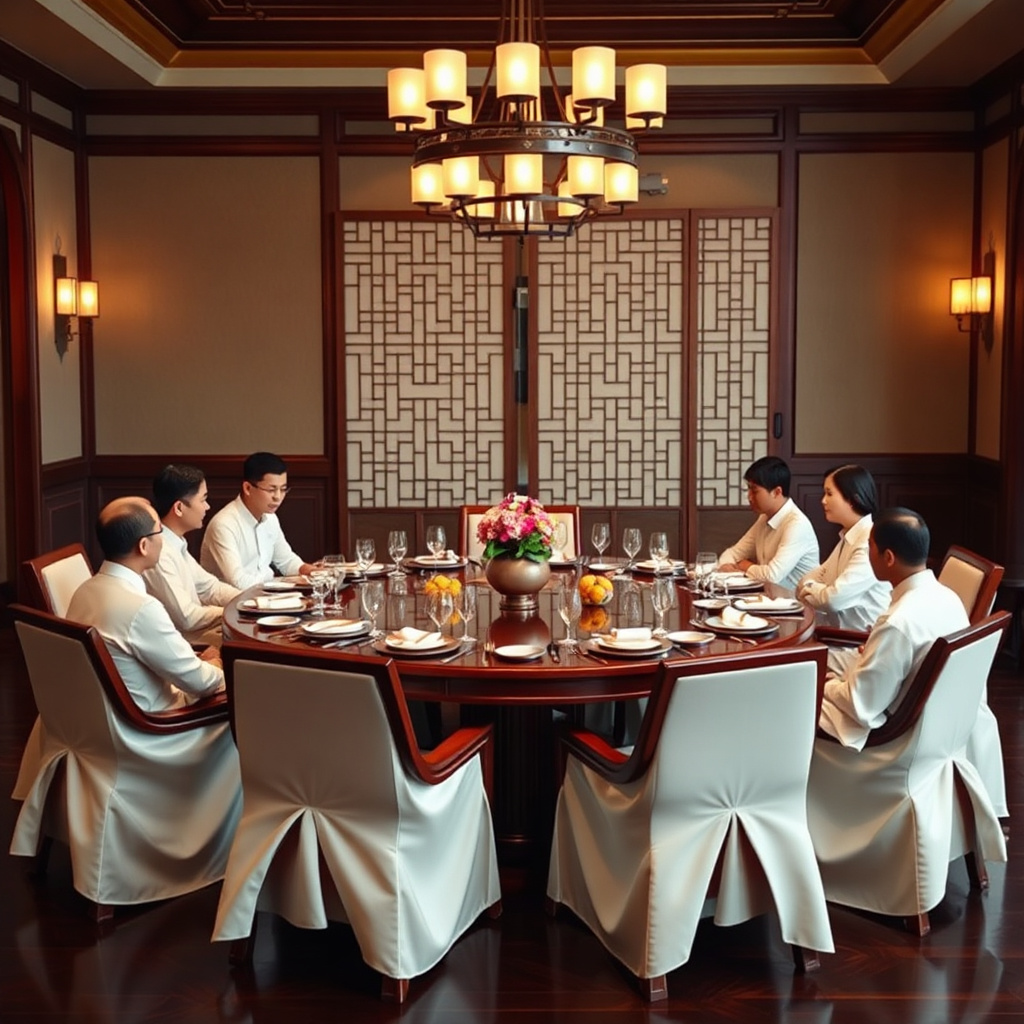
Understanding the Host’s Position and Seating Order
In traditional Chinese dining etiquette, seating arrangements communicate respect and status. The host typically sits facing the entrance as the seat of honor. Guests are seated based on age, rank, or seniority, with the most important guest placed closest to the host on the right.
This hierarchical placement is a subtle way to award respect and acknowledge social standing within the group. When invited to a Chinese meal, patiently wait for the host’s guidance on where to sit rather than choosing a seat yourself.
Round Table Dynamics and the Use of Lazy Susans
Round tables are common in Chinese dining, encouraging a communal atmosphere. The circular shape symbolizes unity, and dishes are shared rather than ordered individually. Lazy Susans help facilitate sharing by allowing diners to rotate platos without reaching far.
Using the Lazy Susan respectfully means taking food for yourself and then passing it gently along, avoiding grabbing too much or dominating the shared plates. This behavior reinforces harmony and equality among diners.
- Seat elders and guests of honor closest to the host
- Avoid wasting food or taking overly large portions
- Use Lazy Susan to share dishes politely
Mastering Chopstick Use Within Chinese Dining Etiquette

Proper Handling and Gestures With Chopsticks
Correct chopstick use is a sign of good manners in Chinese dining etiquette. Hold them near the thicker end and avoid pointing them at others, sticking them upright in a bowl of rice, or using them to spear food. These actions are considered rude or inauspicious.
Rest chopsticks on the designated holder or across the bowl when not in use to signal respect and maintain decorum at the table. Mastering these small details reflects cultural sensitivity.
- Never stick chopsticks vertically in rice
- Avoid pointing with or waving chopsticks
- Use chopstick rests when pausing during a meal
Common Chopstick Taboos and Their Meanings
Certain chopstick behaviors carry strong symbolism. For instance, placing chopsticks crossed on a plate is seen as disruptive and may signify bad fortune. Similarly, tapping chopsticks against bowls resembles a beggar’s action and is discouraged.
Observing these taboos is more than superstition; they express respect for tradition and those you are dining with. Foreign guests paying attention to these nuances demonstrate cultural mindfulness.
Table Manners and Respectful Behavior at a Chinese Meal

Serving Others and Taking Food Politely
In Chinese dining etiquette, it's courteous to serve others before yourself, especially elders or guests. Using communal chopsticks or the serving utensils to transfer food maintains hygiene and respect. Avoid taking the last piece without offering first.
Declining initially when offered a dish is common politeness and shows modesty. Only accept after insistence from the host or older guests. This ritual fosters graciousness and mutual respect during meals.
- Use communal serving utensils
- Offer food to elders before yourself
- Politely decline food before accepting
For more on this, see our related guide: American Chinese vs Authentic Chinese Food: What’s the Real Difference?.
Eating Pace and Conversation Etiquette
Eating at a slower, measured pace allows everyone to enjoy the meal together and engage in conversation smoothly. Burping loudly or speaking with a mouth full is considered impolite.
It’s acceptable to compliment the host and dishes, but avoid controversial topics or criticism at the table. Maintaining a respectful and friendly tone contributes to a harmonious dining atmosphere.
Drinking Customs and Toasting Rituals in Chinese Dining Etiquette

Proper Toasting Techniques and Responses
Toasting holds great importance in Chinese dining etiquette, especially with alcohol like baijiu. When offering a toast, hold your glass lower than the elder or superior's glass as a sign of respect. Make eye contact and express good wishes clearly.
When someone toasts you, it's polite to acknowledge and reciprocate with your own toast. Often, participants drink the full glass or take a substantial sip to honor the gesture.
- Hold glass lower than elders’ when toasting
- Make eye contact and offer good wishes
- Take a full sip during a toast
Alcohol Etiquette and Non-Alcoholic Options
While alcohol is common in Chinese toasts, guests uncomfortable with drinking can politely decline by taking smaller sips or substituting tea. It’s common to drink tea throughout the meal, which has its own ritual significance.
Offering tea first is a respectful gesture, often given to elders to symbolize gratitude and respect. Understanding these drinking customs helps you participate appropriately.
Gift Giving and Leaving the Table in Chinese Dining Etiquette

Appropriate Gifts for Hosts and Guests
Gift giving complements Chinese dining etiquette by expressing gratitude. Common gifts include tea, fruits, or specialty food items presented nicely wrapped. Avoid clocks, umbrellas, or sharp objects as they imply bad luck or separation.
Present gifts with both hands and expect modest refusal before the host accepts. This exchange deepens relationships beyond the meal itself.
- Bring wrapped gifts like tea or fruit
- Avoid unlucky gift items such as clocks or knives
- Offer and receive gifts with both hands
For more on this, see our related guide: Chinese Food vs Japanese Food: A Flavorful Comparison You Need to Know.
Proper Exit Protocol From the Dining Table
Finishing a meal gracefully means waiting for the host to signal the end before leaving. Stand and thank the host before departing, offering compliments on the food and company.
Avoid getting up abruptly or leaving early without explanation as it may offend. Expressing appreciation verbally and with body language leaves a positive impression.
Understanding Regional Variations in Chinese Dining Etiquette

Differences in Northern vs Southern Etiquette
Northern China often features wheat-based foods and more robust flavors, while southern regions favor rice and delicate tastes. This culinary split influences dining etiquette, including preferred dishes to serve elders and table rituals.
For example, southerners may place greater emphasis on tea ceremonies, whereas northerners highlight communal drinking. Being aware of regional customs can prevent unintentional breaches of etiquette.
For a thorough overview of the customs and history behind Chinese dining etiquette, see the Chinese dining etiquette Wikipedia page. Chinese dining etiquette Wikipedia.
Influence of Ethnic Minorities on Local Practices
China’s ethnic minority groups maintain distinct dining traditions. For example, Muslim communities abstain from pork and alcohol, affecting their menu choices and meal conduct.
Recognizing these variations allows respectful adaptation to diverse settings, showing sensitivity to cultural and religious norms during shared meals.
Comparison of Chinese Dining Etiquette Practices by Occasion
This table highlights how Chinese dining etiquette varies depending on the type of meal or event, aiding in adapting your behavior accordingly.
| Occasion | Seating Style | Serving Style | Alcohol Consumption | Gift Giving |
|---|---|---|---|---|
| Formal Banquet | Strict hierarchical seating | Formal serving with utensils | Alcohol toasting expected | Gifts customary and formal |
| Family Dinner | Casual but respectful seating | Dishes passed around communally | Alcohol optional, often tea | Gifts less formal or occasional |
| Business Lunch | Host seats guest of honor | Shared dishes with some individual plates | Toasts common but measured | Business-appropriate tokens |
| Tea Ceremony | Simple seating focused on host | Tea served separately | Non-alcoholic | Small symbolic gifts like tea leaves |
| Casual Gathering | Flexible seating | Self-service or casual sharing | Rarely formal toasts | Gifts uncommon |
Frequently Asked Questions
Why should I never stick chopsticks upright in a bowl of rice?
Sticking chopsticks upright resembles incense sticks used in funerals, symbolizing death and bad luck. Doing so at the dining table is seen as disrespectful and inauspicious in Chinese culture.
Is it rude to decline a dish when first offered in a Chinese meal?
No, it’s actually polite to initially refuse food as a gesture of modesty. Accepting a dish after the host insists shows respect and appreciation.
How important is seating order at a Chinese dining table?
Seating order reflects respect for hierarchy and social status. Following the host’s seating arrangement prevents awkwardness and honors elders or important guests.
Can foreigners use Western utensils at a Chinese meal?
While many Chinese dining settings expect chopstick use, most hosts understand if foreign guests request forks or spoons. Politely asking is acceptable and often appreciated.
What’s the etiquette for toasting at a Chinese dinner?
Hold your glass lower than seniors, make eye contact, offer a sincere toast, and drink your glass fully or substantially to show respect during the toast.
Key Takeaways
- Respect seating arrangements reflecting hierarchy and age
- Use chopsticks with proper etiquette to show cultural awareness
- Share dishes politely and serve elders first during meals
- Participate in toasts respectfully, acknowledging drinking customs
Conclusion
Understanding Chinese dining etiquette is about appreciating the values of respect, harmony, and social order deeply embedded in the culture. Observing seating protocols, handling chopsticks correctly, and participating in traditional toasts all underscore meaningful social signals that enrich the dining experience. Approaching these customs with genuine intention promotes goodwill and positive relationships in both social and business contexts.
Different scenarios demand slight variations—from formal banquets requiring strict hierarchical seating and ceremonious toasts to casual family dinners emphasizing relaxed sharing and tea drinking. For visitors or professionals, beginning with general practices like waiting for the host’s guidance, respecting elders at the table, and avoiding chopstick taboos forms a solid foundation. More nuanced awareness of regional or ethnic-specific practices allows deeper cultural integration and respect.
If you're preparing for a Chinese meal, focus first on mastering core behaviors such as where to sit, how to pass food, and how to conduct toasts. Bringing thoughtful gifts and concluding politely further elevate your presence at the table. Start by observing those around you and letting the host lead, which will help you respond appropriately and comfortably in a variety of Chinese dining settings.




3 Comments