Chirashi vs Sashimi: Understanding the Differences Between These Popular Japanese Dishes
Chirashi and sashimi are two distinct Japanese dishes that feature raw fish, but they differ significantly in presentation and experience. Chirashi is a bowl of sushi rice topped with an assortment of sashimi and garnishes, while sashimi consists simply of thinly sliced raw fish served without rice.
These differences matter because they influence how you enjoy the fish, the texture balance, and the dining style. Chirashi offers a varied meal incorporating rice and vegetables, making it a more filling option, whereas sashimi highlights the purity of the fish itself, focusing on taste and delicate simplicity.
This article will clarify the defining features of both chirashi and sashimi, detailing their ingredients, preparation methods, regional variations, serving etiquette, nutritional aspects, and how to choose the best sashimi cuts for quality and freshness.
Understanding Chirashi: Ingredients and Presentation

What Makes Chirashi Different from Other Sushi
Chirashi is essentially a scattered sushi bowl, where vinegared sushi rice forms the base topped with various slices of raw fish, vegetables, and garnishes like nori, pickled ginger, and wasabi. Unlike nigiri or maki sushi, chirashi offers a deconstructed and visually appealing presentation in a single bowl.
The toppings vary widely depending on the season and region but often include tuna, salmon, squid, shrimp, and occasionally cooked ingredients. The combination creates a balance of flavors and textures that contrasts with traditional sushi rolls that emphasize rice and seaweed wrapping.
- Variety of fresh sashimi slices on rice
- Topped with garnishes like shredded nori and pickled vegetables
- Often served in a bowl with aesthetic arrangement
Common Ingredients and Typical Toppings
Typical chirashi bowl ingredients include sushi-grade raw fish—such as tuna, salmon, and yellowtail—alongside shellfish, tamago (Japanese omelet), cucumber, and pickled items like ginger. The bowl is often finished with a drizzle of soy sauce or sesame seeds.
This variety provides a colorful and textural contrast that makes chirashi both nutritious and visually pleasing. Chefs may customize their chirashi with seasonal fish or regional specialties, reflecting fresh local catches and culinary traditions.
Sashimi Essentials: Purity and Technique

The Art of Slicing and Serving Sashimi
Sashimi demands precision slicing to showcase the texture and flavor of the raw fish. Cuts must be uniform and thin yet enough to retain a satisfying bite. Typical sashimi cuts include maguro (tuna), saba (mackerel), and hamachi (yellowtail).
Sashimi is served chilled, often on a bed of shredded daikon radish, alongside soy sauce, wasabi, and pickled ginger. The simplicity lets the diner appreciate the fish’s freshness without distractions.
- Uniform thin slicing for delicate texture
- Served chilled on garnishes like daikon
- Accompanied by soy sauce and wasabi
Popular Fish Choices for Sashimi
The quality of sashimi depends on the freshness and selection of fish. Common choices include tuna, salmon, octopus, and flounder. Each fish offers distinct flavors and textures, generally enjoyed raw for their clean taste.
Selecting the best sashimi cuts ensures a melt-in-the-mouth experience, with fattier tuna varieties prized for richness, while leaner fish appeal to those preferring a lighter taste.
Regional and Cultural Differences

How Chirashi Varies Across Japan
In different Japanese regions, chirashi can range from a simple assortment of fish on rice to elaborate meals incorporating local ingredients. For example, in the Kansai region, chirashi often includes cooked ingredients alongside raw, while Edo-style (Tokyo) chirashi focuses almost exclusively on raw fish.
Cultural stylings can influence the toppings, presentation, and even the types of rice used, reflecting local tastes and product availability.
For more on this, see our related guide: What Is Chirashi? Understanding This Japanese Culinary Delight.
Sashimi Traditions and Regional Preferences
Sashimi styles also differ by region, with some areas favoring specific fish species due to local fisheries. For instance, Hokkaido sashimi often includes fresh crab and sea urchin, whereas southern regions might highlight tropical fish.
Presentation styles and accompanying condiments can also shift regionally, showing the dish's adaptability despite its simple form.
Nutritional and Health Considerations

Caloric and Nutrient Differences Between Chirashi and Sashimi
Chirashi's inclusion of sushi rice means it generally contains more carbohydrates and calories than sashimi, which is mostly protein and fat from fish. This inclusion makes chirashi more of a complete meal, whereas sashimi is lighter and often eaten as an appetizer.
Both dishes are rich sources of omega-3 fatty acids, vitamins, and minerals, benefitting heart and brain health, but people looking to reduce carb intake might prefer sashimi.
Safety and Freshness Factors
When consuming raw fish in either dish, freshness and proper handling are vital to reduce the risk of parasites and foodborne illness. Certified sushi-grade fish is recommended, and reputable restaurants follow strict hygiene and storage guidelines.
Freezing fish correctly before serving sashimi or chirashi kills parasites but does not affect the delicate texture and flavor when done properly.
- Use of sushi-grade fish
- Proper freezing to eliminate parasites
- Hygienic preparation and storage
How to Choose the Best Sashimi Cuts and Chirashi Options

Tips for Selecting High-Quality Fish for Both Dishes
Look for vibrant colors, firm texture, and a fresh ocean aroma when choosing sashimi cuts or chirashi toppings. Avoid dull or discolored fish, which may indicate lower quality.
Trusted suppliers and sushi-grade certifications help guarantee safety and flavor. Inspecting fat marbling in tuna can indicate richness prized in sashimi.
- Check for bright, translucent colors
- Firm but springy texture
- Fresh sea smell without pungency
- Sushi-grade certification recommended
Comparing Chirashi Varieties Based on Ingredients
Some chirashi bowls emphasize variety, including cooked ingredients like tamago or eel, while others are purely raw fish-focused. Your choice depends on your preference for textures and flavors or dietary restrictions.
Checking restaurant menus or asking about the fish source can help ensure you select a chirashi that matches your taste and expectations.
Serving and Eating Etiquette for Chirashi and Sashimi
Traditional Ways to Enjoy Sashimi
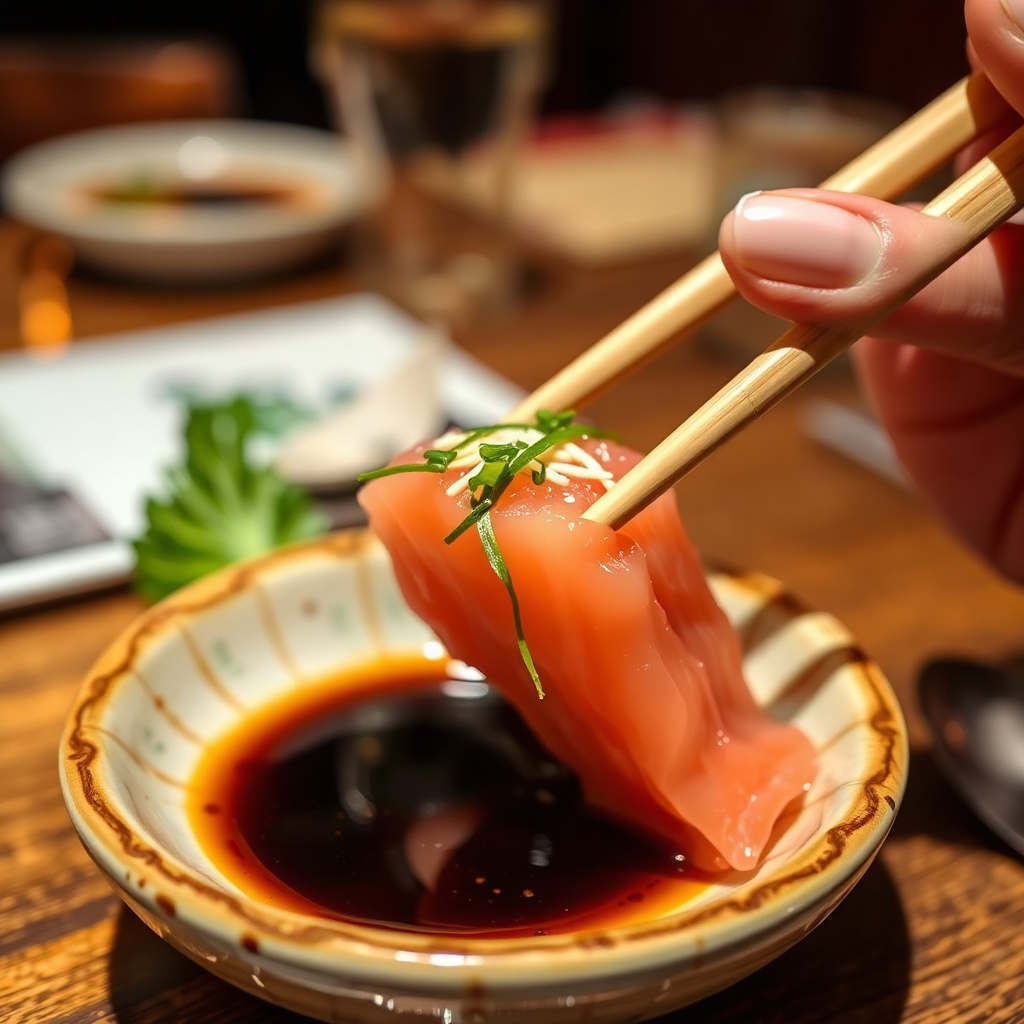
Sashimi is normally dipped gently into soy sauce mixed with wasabi for a perfect balance of saltiness and heat. Using chopsticks, pieces are eaten in one bite to experience the full flavor.
Avoid dipping too heavily, which can overpower the delicate fish, and do not mix wasabi directly into the soy sauce to preserve the nuanced taste.
- Dip fish lightly into soy sauce
- Use a small amount of wasabi
- Eat in one bite for full flavor
For more detailed background on sashimi, you can visit the Sashimi article on Wikipedia. Sashimi article on Wikipedia.
Best Practices for Eating Chirashi
Chirashi is eaten with chopsticks or a spoon, combining rice and toppings in each bite. Mixing is generally discouraged to preserve the presentation and crispness of garnishes.
Paired with pickled ginger to cleanse the palate, chirashi offers a full meal, so savor different textures as you eat.
Chirashi vs Sashimi: A Clear Comparison
Here’s a side-by-side comparison to help you quickly see the differences and similarities between chirashi and sashimi.
| Category | Chirashi | Sashimi |
|---|---|---|
| Presentation | Sushi rice bowl topped with assorted sashimi and garnishes | Thinly sliced raw fish served alone |
| Texture | Combination of soft rice and varied textures of fish and toppings | Focuses solely on fish texture and freshness |
| Typical Portion Size | Meal-sized bowl | Appetizer or light serving |
| Caloric Content | Higher due to rice | Lower, mostly protein |
| Eating Style | Mixed bites combining toppings and rice | Pure fish bites dipped lightly in soy sauce |
| Regional Variations | Varies widely with cooked or raw toppings | Fish choice and accompaniments change regionally |
Frequently Asked Questions
Is chirashi sushi considered healthier than sashimi?
Chirashi contains more carbohydrates because of the sushi rice, making it more filling but higher in calories than sashimi, which emphasizes lean protein and healthy fats.
Can chirashi include cooked fish or just raw?
Some styles of chirashi use cooked ingredients like tamago or eel alongside raw fish, depending on personal taste and regional preferences.
How do I know if sashimi fish is fresh and safe to eat?
Fresh sashimi fish looks vibrant, smells like the ocean without fishiness, and comes with sushi-grade certification ensuring proper handling and safety.
What are the best sashimi cuts for beginners?
Tuna and salmon are common, mild-flavored cuts ideal for beginners because of their texture and fatty richness that melts in the mouth.
Are there vegetarian options for chirashi?
Yes, vegetarian chirashi bowls substitute fish with vegetables like avocado, pickled radish, and mushrooms, offering a colorful and flavorful rice bowl.
Key Takeaways
- Chirashi combines sushi rice with various fish and toppings in a bowl format.
- Sashimi emphasizes raw fish served alone with minimal accompaniments.
- Nutritional content differs mainly due to rice in chirashi.
- Freshness and quality fish cuts are essential for both dishes.
Conclusion
Deciding between chirashi and sashimi depends on your dining preferences—whether you want a complete meal that includes the satisfaction of eating rice with an array of toppings or prefer experiencing the unadulterated taste and texture of just raw fish. Both dishes showcase the craftsmanship of Japanese cuisine and the beauty of fresh seafood. Understanding the characteristics of each helps you select the right dish for your appetite and occasion.
For those looking for variety and a balanced meal, chirashi offers an inviting bowl filled with colorful ingredients and textures. When seeking simplicity and a pure focus on fish quality, sashimi is the ideal choice. Sashimi also allows you to appreciate some of the best sashimi cuts available, noticing subtle differences among tuna, salmon, and other varieties. Regional variations mean you might encounter unique takes on these classics, enriching your culinary experience.
Ultimately, trying both dishes from trusted sushi restaurants or preparing them at home with carefully selected ingredients broadens your appreciation for Japanese culinary arts. Begin with fresh, sushi-grade fish, and whether you savor chirashi’s vibrant assortment or sashimi’s minimalist elegance, both offer delicious paths to enjoy raw seafood.