Types of Sushi: A Complete Guide to Popular Sushi Varieties
Sushi comes in many forms, each offering unique textures and flavors. The primary types include nigiri, sashimi, maki, temaki, and uramaki, all distinguished by their ingredients and preparation techniques. Nigiri features hand-pressed rice with a topping, while maki rolls rice and fillings wrapped in seaweed. Understanding these types will help you appreciate sushi beyond just raw fish.
Sushi’s appeal goes beyond its delicious taste; it embodies a balance of texture, presentation, and cultural tradition. Recognizing the differences among sushi varieties allows you to make informed choices whether dining out or preparing sushi at home. Each style caters to different preferences, from the simplicity of sashimi to the complex rolls filled with multiple ingredients.
This guide will walk you through the most popular types of sushi, explaining their characteristics, common ingredients, and how they are served. By the end, you’ll be able to confidently identify sushi types and select those that match your palate or occasion.
Understanding Nigiri Sushi: The Classic Hand-Pressed Style

What Is Nigiri Sushi?
Nigiri sushi consists of small hand-pressed rice ovals topped with slices of raw or cooked fish, seafood, or other ingredients. It is often garnished with a light brush of soy sauce or a small dab of wasabi between the fish and rice. This type emphasizes freshness and simplicity, allowing the topping’s flavor to shine.
The rice used in nigiri is slightly vinegared, carefully shaped by hand to hold together but remain tender. Typical toppings include tuna, salmon, shrimp, eel, and octopus, but variations exist depending on regional preferences and chef creativity.
Serving and Eating Nigiri
Nigiri is traditionally served with pickled ginger and wasabi on the side. It’s believed best enjoyed by dipping the fish side lightly into soy sauce rather than the rice to prevent rice grains from falling apart and altering the taste balance.
Sushi chefs often take great care in selecting marinated or lightly seared toppings for added flavor depth, highlighting the skill involved in nigiri preparation.
Maki Sushi and Its Variants: Rolls Wrapped in Seaweed

Types of Maki Rolls
Maki sushi involves rice and fillings rolled inside a sheet of nori seaweed then sliced into bite-sized pieces. Common maki rolls include hosomaki (thin rolls typically with one filling), futomaki (thick rolls with multiple fillings), and uramaki (inside-out rolls with rice on the outside).
Each type varies in size and ingredient complexity. Hosomaki focuses on simplicity, often cucumber or tuna, while futomaki can contain vegetables, egg, and seafood layered together. Uramaki is popular in Western sushi bars and often features creamy or crunchy toppings.
Ingredients and Presentation in Maki Sushi
Fillings in maki sushi can range from raw fish to cooked items, vegetables, and even tempura. The rice and seaweed wrapping provide structure and a subtle complementary flavor to the fillings.
Presentation emphasizes neat, uniform slices arranged attractively on a platter. Some rolls may be garnished with sesame seeds, tobiko, or drizzled sauces enhancing both texture and color.
Exploring Sashimi: Pure Fish Without Rice

What Sets Sashimi Apart?
Unlike other types of sushi, sashimi is simply slices of raw fish or seafood served without rice. This type focuses entirely on the fish’s quality and texture.
It is often enjoyed with soy sauce, wasabi, and pickled ginger and sometimes paired with daikon radish or shiso leaves, which add subtle flavor and visual appeal.
For more on this, see our related guide: Does Sushi Go Bad? What You Need to Know About Sushi Safety.
Choosing and Enjoying Sashimi
The fish used for sashimi is typically the freshest available, often tuna, salmon, mackerel, or yellowtail. Sashimi offers a pure tasting experience for those who seek the essence of seafood without the distraction of rice.
Eating sashimi requires some care: dipping lightly in soy sauce and savoring the texture ensures the best flavor profile and respects the craftsmanship involved.
Temaki and Hand Rolls: Sushi in Cone Form

Temaki Sushi Basics
Temaki sushi refers to classic cone-shaped hand rolls where nori seaweed wraps around rice, fish, vegetables, and other fillings. Unlike maki, temaki is uncut and meant to be eaten by hand.
These rolls are popular for their convenience and customization, allowing diners to enjoy fresh ingredients in a portable format.
Popular Temaki Fillings and Serving Tips
Common fillings include tuna, crab, avocado, cucumber, and spicy mayo sauces. Because temaki is eaten immediately after preparation to keep the nori crisp, it’s often served promptly.
The cone shape provides a pleasing crunch and diverse texture contrast between the soft rice and tender fillings.
Specialty Sushi Types: Unique Variations and Regional Styles

Chirashi and Oshizushi Varieties
Chirashi sushi features a bowl of sushi rice topped with scattered raw fish, vegetables, and garnishes, creating a visually vibrant and flavorful dish.
Oshizushi, or pressed sushi, is shaped in a mold and pressed, creating a firm block that is sliced into rectangles, popular in parts of Japan like Osaka.
For more on this, see our related guide: How to Tell If Sushi Has Gone Bad: Simple Signs to Watch For.
Innovations in Modern Sushi
Contemporary sushi chefs experiment with fusion styles, incorporating ingredients like cream cheese, tempura flakes, and unique sauces.
These innovations expand sushi’s appeal beyond traditional boundaries, creating dishes that cater to diverse palates and global tastes.
Common Ingredients Across Sushi Types

Essential Sushi Components
Core to all sushi is vinegared rice, which balances the flavors of other ingredients. Nori seaweed is essential for many roll types, providing structure and umami notes.
Fresh fish, typically raw or cooked, is a staple, but vegetables like cucumber, avocado, and pickled radish also frequently appear.
Condiments and Accompaniments
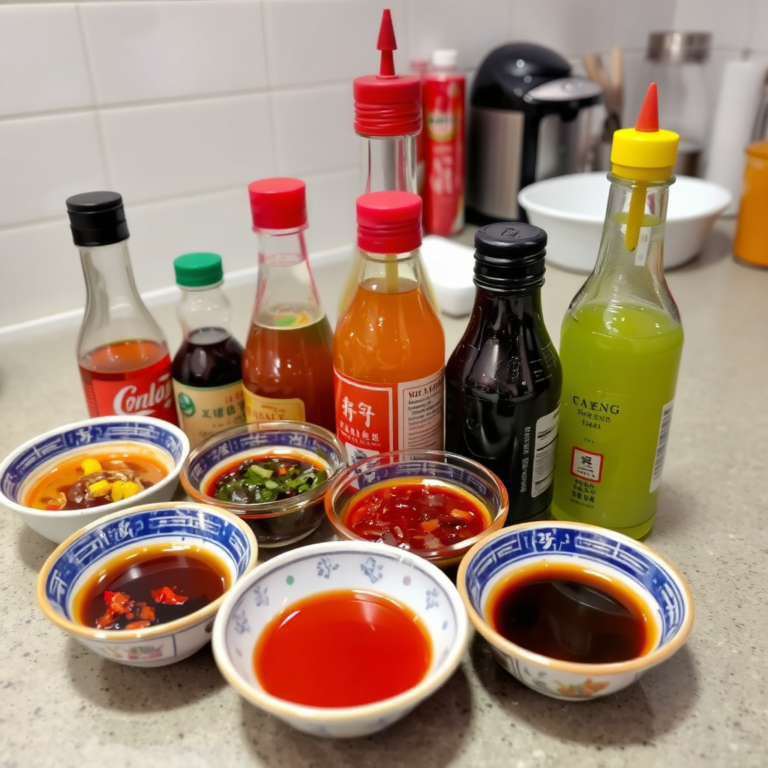
Soy sauce, wasabi, and pickled ginger accompany sushi dishes to enhance flavor and cleanse the palate between bites.
Additional toppings like sesame seeds, tobiko (fish roe), and spicy mayonnaise can personalize sushi, providing textural contrast and bursts of flavor.
Health Considerations When Choosing Sushi

Nutritional Benefits of Sushi
Sushi offers lean protein from fish, omega-3 fatty acids, essential vitamins, and minerals, making it a nutritious meal option.
Vegetables and seaweed contribute fiber, antioxidants, and micronutrients that support overall health.
For a broader look at sushi’s history and types, the Sushi article on Wikipedia offers detailed background and cultural context. Sushi on Wikipedia.
Potential Risks and How to Mitigate Them
Raw fish does carry a risk of foodborne illness if improperly handled, so selecting reputable sources is crucial. Pregnant individuals and immunocompromised people should avoid raw options.
Limiting heavy sauces and fried components can keep sushi lower in calories and fat.
Sushi Type Comparison Guide
Here’s a comparison of popular sushi types highlighting key differences to help you choose the best fit for your taste and occasion.
| Type | Key Ingredients | Typical Serving Style | Texture and Flavor Profile |
|---|---|---|---|
| Nigiri | Vinegared rice, fish or seafood topping | Hand-pressed pieces, usually dipped lightly in soy sauce | Soft rice with tender fish, clean and fresh flavor |
| Maki | Rice, nori seaweed, fillings like fish and veggies | Rolled sushi cut into bite-sized pieces | Firm with varied fillings, often layered texture |
| Sashimi | Fresh raw fish slices | Served without rice, with dipping sauces | Pure raw fish texture, delicate and smooth |
| Temaki | Rice, nori, fish, vegetables | Cone-shaped hand roll eaten immediately | Crunchy seaweed with soft fillings, flavorful |
| Chirashi | Rice topped with assorted fish and vegetables | Served in a bowl | Mixed textures and vibrant flavors, customizable |
| Oshizushi | Pressed rice and fish in a mold | Firm rectangular slices | Compact and firm, flavorful layering |
Frequently Asked Questions
What is the difference between nigiri and sashimi?
Nigiri is small rice balls topped with fish or seafood, while sashimi is just thin slices of raw fish with no rice.
Is all sushi made with raw fish?
No, many sushi types include cooked ingredients like shrimp, eel, or vegetables; only sashimi and some nigiri use raw fish.
Can I eat sushi if I’m pregnant?
Pregnant women are generally advised to avoid raw fish sushi but can enjoy cooked sushi variants safely.
What makes uramaki different from other maki rolls?
Uramaki is an inside-out roll where rice is on the outside and the nori seaweed wraps the fillings inside.
How should sushi be stored if not eaten immediately?
Sushi is best eaten fresh; if storing, keep it refrigerated and consume within 24 hours to reduce spoilage risk.
Key Takeaways
- Sushi types vary mainly by rice presentation and ingredients, including nigiri, maki, sashimi, temaki, chirashi, and more.
- Nigiri and maki sushi feature vinegared rice, while sashimi focuses solely on fresh fish.
- Understanding sushi types helps tailor your selection to dietary preferences and occasions.
- Health and freshness are critical; opt for reputable sources and know safety guidelines for raw fish consumption.
Conclusion
Choosing among types of sushi depends on your taste preferences, dietary needs, and the dining experience you seek. Nigiri offers a simple, elegant bite that showcases the freshness of fish, while maki rolls provide textural complexity and variety, especially popular with versatile fillings as seen in the popular sushi varieties segment. Sashimi presents a minimalistic experience focusing solely on the flavor and texture of raw fish. Both traditional and specialty sushi can cater to a broad range of tastes and occasions, making sushi an adaptable cuisine worldwide.
When selecting sushi, consider your exposure to raw ingredients and texture preferences. For a traditional experience, nigiri or sashimi would be ideal, highlighting quality ingredients. For those who enjoy flavors in combination, maki or uramaki rolls serve well with multiple fillings and sauces. Temaki offers a casual, hands-on option perfect for quick meals, while chirashi bowls deliver a colorful, customizable mix. Each sushi type serves a unique culinary role, and exploring these popular sushi varieties can expand your appreciation for Japanese cuisine's diversity.
To get started, choose a sushi type that appeals most—whether it's the pure taste of sashimi or the versatile maki rolls—and try a reputable sushi restaurant to experience freshness and expert preparation. For at-home enjoyment, starting with simple nigiri or temaki recipes is a rewarding way to explore sushi making. Above all, enjoy the balance of flavors and textures that each sushi type offers, savoring the culinary culture that has grown worldwide.




One Comment