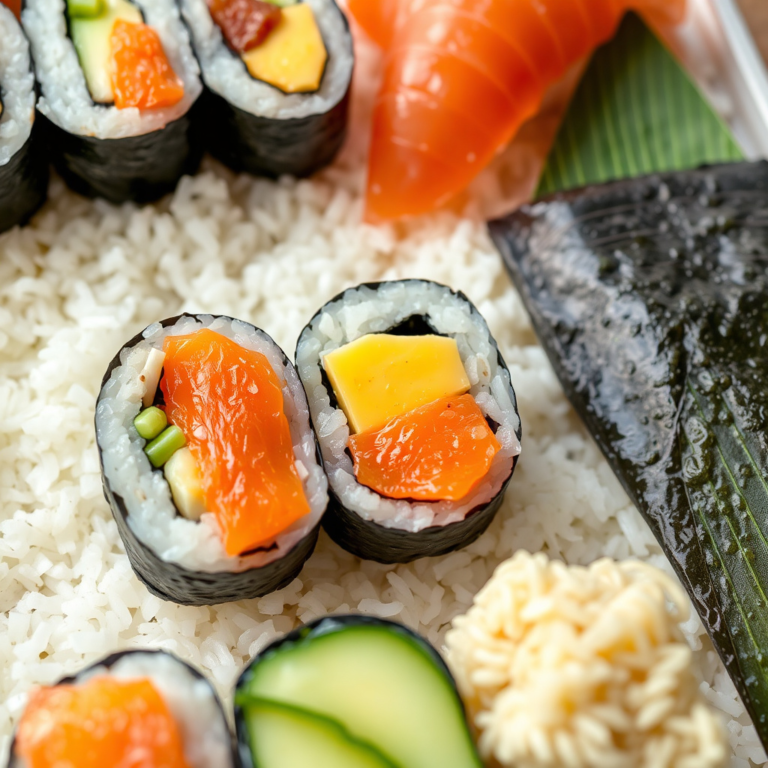
What Is a Sushi Combo? Exploring Popular Sushi Combo Options
A sushi combo is a meal that features a selection of various sushi types served together on one plate, offering a diverse tasting experience in a single order. These combos typically include a mixture of nigiri, sashimi, and maki rolls, allowing you to enjoy multiple flavors and textures without having to order each piece separately.
Sushi combos matter because they provide convenience and variety, making them a go-to choice for those new to sushi or anyone wanting to sample different styles. They are often curated by chefs to showcase the best ingredients and popular choices, ensuring a balanced and satisfying meal that highlights the nuances of sushi.
This article will explore the typical contents of sushi combos, how to choose the best one for your palate, popular sushi roll options commonly found in combos, and tips for pairing sushi combos with the right sides and beverages for a complete dining experience.
Understanding the Components of a Sushi Combo

Common Types of Sushi in Sushi Combos
Sushi combos usually include a blend of nigiri, which is a slice of fish atop rice; sashimi, thinly sliced fish served without rice; and maki rolls, which are rice and fillings wrapped in seaweed. These elements provide a range of flavors and textures, combining the tender fish with the slightly sticky rice and crunchy seaweed.
In addition to these basics, combos can feature specialty rolls like spicy tuna or California roll which add more seasoning and variations to the plate. Some combos may also include garnishes and sauces that enhance the flavors further.
- Nigiri – Fish over rice
- Sashimi – Sliced fish only
- Maki Rolls – Rice and fillings in seaweed
- Specialty rolls – Spicy or creative fillings
Portion Sizes and Presentation
Portion sizes in sushi combos are designed to be enough for one to two people depending on appetite. Most combos offer about 8-12 pieces in total, balancing quantity with quality. Presentation is key in sushi culture, so combos often come carefully arranged to maximize visual appeal.
Presentation style varies by restaurant but often includes shredded daikon, wasabi, and pickled ginger on the side. The arrangement helps guide your tasting experience, allowing you to try mild flavors before moving to richer or spicy ones.
Popular Sushi Rolls in Sushi Combos
Classic Sushi Rolls Included in Combos
Classic sushi rolls frequently appearing in combos include the California roll, which has crab, avocado, and cucumber; the spicy tuna roll with chopped tuna and spicy mayo; and shrimp tempura roll featuring fried shrimp for crunch. These rolls offer familiar tastes and textures that appeal to a wide range of palates.
These rolls complement nigiri and sashimi pieces by adding texture contrast and appealing flavors. They provide a satisfying mix that keeps a sushi combo interesting and balanced.
- California roll – Crab and avocado
- Spicy tuna roll – Tuna and spicy mayo
- Shrimp tempura roll – Fried shrimp and crunch
- Philadelphia roll – Salmon and cream cheese
Regional and Creative Rolls in Combos
Some sushi combos feature regionally inspired or creative rolls, such as dragon rolls topped with eel and avocado or rainbow rolls lined with multiple types of fish. These options add flair and variety. Such rolls often include unique sauces, textures, and ingredients that go beyond traditional offerings.
Creative rolls help elevate the combo experience by incorporating unexpected flavors and presentation. They are popular among sushi enthusiasts looking for new tastes within a familiar format.
Choosing the Right Sushi Combo for Your Taste
Matching Combos to Your Flavor Preferences
When selecting a sushi combo, consider your preference for raw fish, cooked ingredients, or spicy options. If you enjoy raw fish, combos with more nigiri and sashimi are suitable. For those new to raw seafood, combos emphasizing rolls with cooked fillings or mild flavors may be preferable.
Ask about the sauce levels and garnishes used in each combo to tailor your meal toward lighter or bolder flavor profiles. Some combos also cater to dietary preferences like vegetarian selections.
- Raw fish-heavy combos
- Cooked and mild flavor combos
- Spicy combos
- Vegetarian sushi combos
For more on this, see our related guide: Best Sushi Rolls for Beginners: A Guide to Mild and Delicious Choices.
Considering Dietary Restrictions and Allergies
Sushi combos can often be customized to accommodate allergies such as shellfish or gluten. Speak with the chef or server to understand what substitutions are possible. Many restaurants label combos or rolls that are gluten-free or free of common allergens.
Those avoiding raw fish can also find combos focused on cooked ingredients or vegetable-based rolls. Being clear about dietary needs ensures you get a safe and enjoyable meal.
Pairing Sushi Combos with Sides and Drinks
Traditional Sides to Accompany Sushi Combos
Popular sides for sushi combos include miso soup, edamame, seaweed salad, and pickled ginger. These sides complement the sushi with warm, fresh, or tangy flavors and textures. They also enhance the overall meal experience without overpowering the delicate sushi.
Most sushi restaurants include basic sides with combos or offer them at reasonable add-on prices. The combination creates a balanced meal in both nutrition and flavor.
- Miso soup
- Edamame beans
- Seaweed salad
- Pickled ginger
Drink Pairings for Sushi Combos
Green tea is a traditional drink enjoyed with sushi combos, cleansing the palate between bites. Sake, a rice wine, is another popular pairing that brings out the flavors of fish and rice. For those who prefer non-alcoholic options, cold barley tea or sparkling water work well.
Pairing drinks thoughtfully encourages savoring the different components of the sushi combo and enhances the overall dining experience.
- Green tea
- Sake
- Barley tea
- Sparkling water
Ordering Sushi Combos: Tips and Customizations
How to Customize Your Sushi Combo
Many sushi restaurants allow customization of combos by swapping certain rolls or adding extra pieces. You can tailor the combo to focus on preferred fish types or include more vegetarian options. Inquire about custom combo options when ordering to better suit your taste.
Some places also offer combo upgrades with premium ingredients like toro or uni for an indulgent experience.
- Swap rolls or nigiri
- Add extra pieces
- Choose vegetarian options
- Upgrade with premium fish
For more on this, see our related guide: How to Eat Healthy at a Sushi Restaurant Without Sacrificing Flavor.
Ordering Sushi Combos for Groups
Larger sushi combos made for sharing provide a wider variety and greater quantity, ideal for small groups or gatherings. These combos usually feature several types of rolls and assorted nigiri, giving everyone a chance to try something different.
When ordering for a group, consider the mix of flavors and ingredients to accommodate diverse preferences and dietary restrictions.
Sustainability and Freshness in Sushi Combos
Importance of Freshness in Sushi Combos
The quality of a sushi combo depends heavily on the freshness of its ingredients. Sushi relies on fresh fish and properly prepared rice for the best taste and safety. Restaurants with a quick turnover and strong reputation tend to have fresher combos.
When ordering, check if the restaurant sources daily fresh fish or has sustainable supplier certifications, which usually indicate higher freshness standards.
To learn more about the history, types, and cultural significance of sushi, you can visit Sushi – Wikipedia. Sushi – Wikipedia.
Sustainable Seafood Choices in Sushi
Sustainable sushi combos use fish from responsibly managed fisheries to protect marine life and ocean health. Popular sustainable choices include salmon from certified farms, wild-caught Alaskan pollock, and farmed shellfish like mussels or oysters.
Choosing sustainable combos encourages environmentally friendly practices without compromising the enjoyment of sushi.
- Certified farmed salmon
- Wild-caught Alaskan pollock
- Farmed mussels and oysters
Sushi Combo Types Comparison
Here’s a comparison of common sushi combo categories to help you identify which suits your taste and budget.
| Combo Type | Typical Pieces Included | Price Range | Best For |
|---|---|---|---|
| Classic combo | Nigiri, sashimi, basic rolls | $15-$25 | Beginners and traditionalists |
| Spicy combo | Spicy rolls, nigiri, sashimi | $18-$28 | Fans of heat and bold flavors |
| Vegetarian combo | Vegetable rolls, avocado nigiri | $12-$22 | Non-fish eaters |
| Premium combo | Toro, uni, premium rolls | $30-$60 | Sushi enthusiasts and special occasions |
| Family combo | Mixed rolls and nigiri, larger quantity | $35-$50 | Sharing among groups |
Frequently Asked Questions
What is the difference between sushi combo and sushi platter?
A sushi combo typically refers to a set meal with selected sushi pieces intended for one or two people, while a sushi platter usually offers a larger variety in bigger quantities, suitable for sharing.
Can I customize a sushi combo at most restaurants?
Many sushi restaurants allow customization such as swapping rolls or adding pieces, though the extent varies. It's best to ask the staff when ordering if custom combos are available.
Are sushi combos suitable for beginners?
Yes, sushi combos are great for beginners as they offer a variety of flavors and types in one order, allowing you to try different sushi styles and discover your preferences.
Do sushi combos always include raw fish?
Not always. Some combos focus on cooked rolls or vegetarian options, making them accessible to those who prefer to avoid raw fish.
How should I eat sushi from a combo?
Eat sushi with your hands or chopsticks, cleanse your palate with pickled ginger between different types, and use soy sauce sparingly for dipping to enjoy the natural flavors.
Key Takeaways
- A sushi combo offers a variety of sushi types in one meal for diverse tasting.
- Popular sushi rolls like California and spicy tuna often appear in combos.
- Choose combos based on your preference for raw fish, spice, and dietary needs.
- Pair sushi combos with traditional sides and drinks for a full experience.
Conclusion
Selecting the right sushi combo involves considering your taste preferences, appetite, and dietary restrictions. By understanding the typical sushi components such as nigiri, sashimi, and rolls, you can make a choice that delivers a satisfying balance of flavors and textures in one convenient meal.
For those new to sushi, classic sushi combos featuring well-known rolls like California and spicy tuna offer a gentle introduction, while fans of bold flavors might opt for combos highlighting spicy or creative rolls. Vegetarians can find combos with vegetable-based rolls or cooked ingredients to enjoy sushi without raw fish. Larger family combos work well for sharing diverse pieces among several people.
If you are ready to explore sushi combos, start by visiting a reputable sushi restaurant and ask about their combo options and any customization possibilities. Pair your selection with traditional sides and beverages like miso soup and green tea to round out your meal and savor the full range of sushi's delights.